Navigating the M+ Museum in the West Kowloon Cultural District
The M+ Museum in West Kowloon is the size of a district, with a facade that is a screen and a collection with a complicated history.

M+ is Not What You Think it is
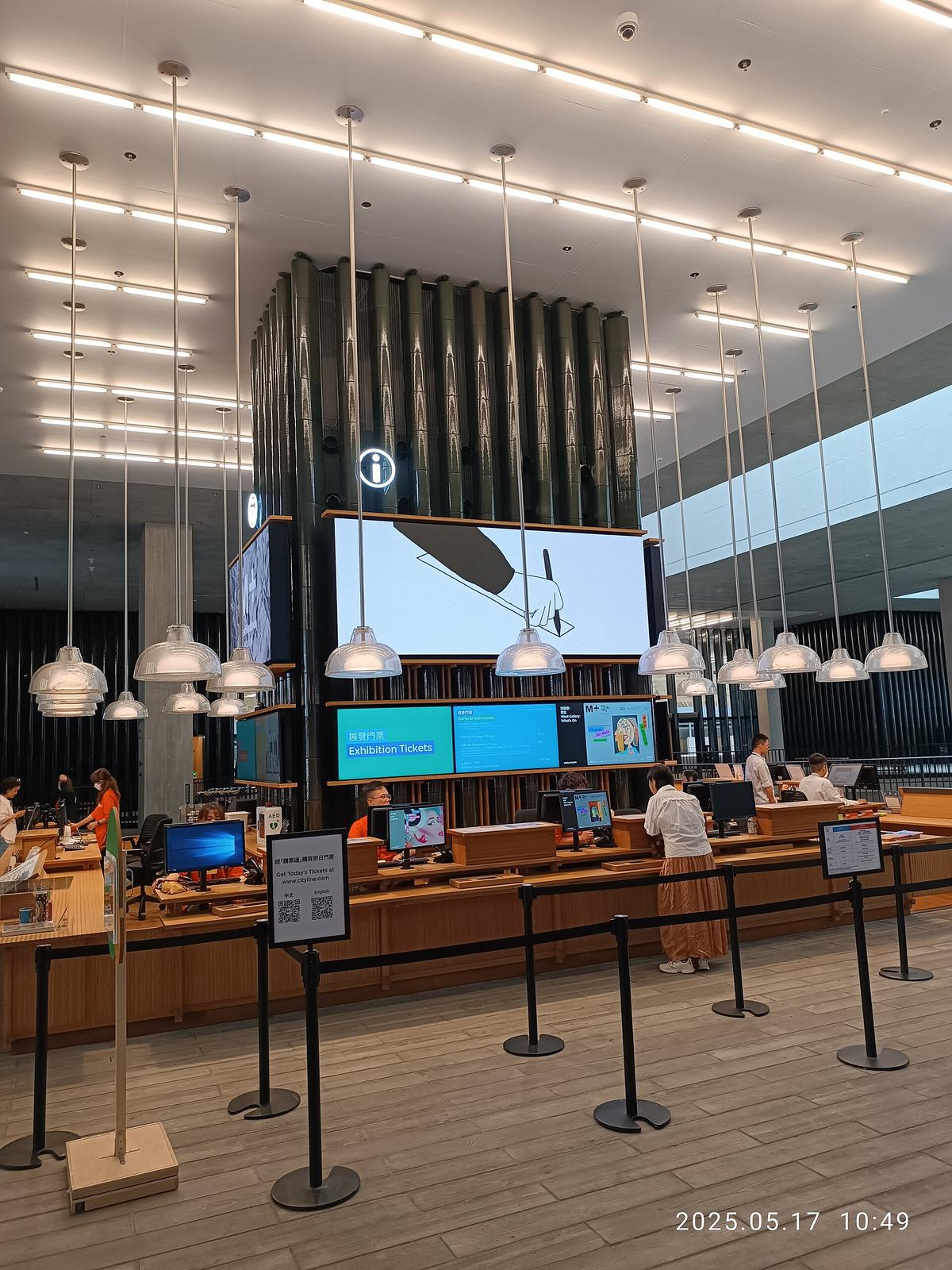
Most visitors expect a tidy art museum where you stroll through painting rooms and leave in 90 minutes. M+ Museum in the West Kowloon Cultural District is the opposite. It is a museum of twentieth and twenty first century visual culture, which means it covers visual art, design, architecture, and moving image under one roof. The collection is massive. The building is disorienting. The history of how it came together matters more than most museum backstories. If you want to see it properly, you need a plan, a timed entry slot, and a clear understanding of what you are walking into. The search for m+ museum west kowloon tickets starts with knowing which ticket you actually need and how far ahead to book it.
- Name: M+
- District: West Kowloon Cultural District, Kowloon
- Type: Museum of twentieth and twenty first century visual culture
- Disciplines: Visual art, design, architecture, moving image
- Opened: 12 November 2021
- Architect: Herzog & de Meuron
- Building Form: Horizontal podium slab plus vertical tower
- LED Facade: 65 m tall, 110 m wide, faces Victoria Harbour
- Total Collection Size: Over 8,000 works and over 60,000 archival items
- Standard Admission: Covers Sigg Galleries, East Galleries, South Galleries, West Gallery, Focus Gallery, Mediatheque, Found Space
- Special Exhibitions: Separate ticket required; surcharge varies by exhibition
- Timed Entry: Yes, for all ticket types
- Closed: Mondays; first two days of Lunar New Year; Christmas Day and Boxing Day
- Nearest MTR Station: Kowloon Station, 10 15 minute walk
- Alternative MTR Station: Austin Station, 15 20 minute walk
- Roof Garden: Free entry, no museum ticket required
- Adjacent Institution: Hong Kong Palace Museum, 5 minute walk
What the M+ Museum Collection Actually Contains
The core of the collection is the Sigg Collection, donated by Uli Sigg in 2012. It includes roughly 1,510 works of Chinese contemporary art from the 1970s to the present. That donation is the foundation everything else was built on. But the total M+ collection now holds over 8,000 works and more than 60,000 archival items spanning visual art, design, architecture, and moving image. No single visit shows you all of it. The curators rotate selections, especially from the Sigg rooms, so what is on view when you arrive will be different from what was on display six months earlier.
Why The Collection History Is Complicated
The Sigg donation arrived in 2012, but the museum did not open until November 2021. That nine year gap was not a delay. It was the result of political pressure, censorship concerns, and debates about how freely a museum of contemporary Chinese art could operate in Hong Kong. Several works from the Sigg Collection were reportedly withheld from the opening exhibitions. The museum has never published a full public inventory of what it holds. The result is a collection that is world class in scale and ambition but operates under constraints that most Western contemporary art museums do not face. Visit aware that what you see is a curated selection, not a comprehensive display.
The Scale Of The Building
Herzog & de Meuron designed M+ as a horizontal podium slab with a vertical tower rising from it. The building is deliberately disorienting. The exhibition spaces are spread across multiple rooms on different levels: the Sigg displays on the second floor east side, the East rooms for design and architecture, the South rooms for moving image and visual culture, and the West space for large scale installations and changing exhibitions. The Focus Gallery shows single work or small thematic displays. The Mediatheque handles digital and time based media. Then there is Found Space, an exhibition area where the Airport Express rail tunnel cuts through the basement. The museum recommends a two hour route that runs Sigg rooms first, then East, then South, then West, then Found Space. That is the minimum. Budget three to four hours.
The M+ Museum Facade Screen and the Roof Garden
The LED facade is 65 metres tall and 110 metres wide, facing Victoria Harbour. After dark it displays moving image works. You do not need a museum ticket to see it. Stand on the waterfront of the West Kowloon Art Park or cross to the Tsim Sha Tsui promenade and look back across the harbour. The screen is the museum's most visible public gesture and it runs programmed content, not advertisements. Check the museum's social channels to see what is scheduled during your visit.
The roof garden is also free and requires no ticket. Access it via the outdoor staircase and lift on the podium level. The view takes in Victoria Harbour, the Hong Kong Island skyline, and the Art Park below. Use it to orient yourself before going inside or to decompress after a long visit. The garden is not large. It gets crowded on clear weekend afternoons.
West Kowloon Cultural District Museum: How to Plan Your Visit
The West Kowloon Cultural District is a reclaimed waterfront site that now holds M+, the Hong Kong Palace Museum (opened July 2022, five minutes walk), and the West Kowloon Art Park. The Art Park is a free public waterfront space directly east and south of M+. After a few hours inside the museum, the park is where you walk off the cognitive load. There is no reason to skip it.
M+ Museum Book Ahead: Ticket Tiers And Timed Entry
Timed entry applies to every ticket type. Book online in advance. Walk up sales are subject to availability, and on weekends and during peak season (October to early December) the museum regularly sells out for the day. The standard admission ticket covers the Sigg rooms, East rooms, South rooms, West space, Focus Gallery, Mediatheque, and Found Space. Special exhibitions require a separate ticket with a surcharge that varies by exhibition. The 2024 rates were published by the West Kowloon Cultural District Authority; check their official site for the current figure before you book.
Book at least one week ahead in peak season. If you are visiting during the first week of October (Golden Week) or around Chinese New Year, book three weeks ahead and confirm that the museum will be open. M+ is closed on Mondays, on the first two days of Lunar New Year, and on Christmas Day and Boxing Day.
The Mistake Most Visitors Make
They treat M+ as a quick stop between the Star Ferry and dinner. It is not. This is a full half day commitment. If you have less than two hours available, skip it. The two hour route is a tight squeeze and you will miss half the building. If you have no interest in contemporary Chinese art, design, architecture, or moving image, skip it entirely. The Hong Kong Museum of History in Tsim Sha Tsui gives a better overview of the city. The Hong Kong Palace Museum next door covers imperial artefacts. Do not force M+ if the collection does not interest you.
Getting There And Getting Out
The nearest MTR stop is Kowloon, a 10 to 15 minute walk through elevated walkways. Austin is 15 to 20 minutes. The Airport Express stops at Kowloon, which makes M+ a logical stop on arrival or departure day. The walk from the railway hub to the museum is signposted but can be confusing; the West Kowloon Cultural District is still under development and some paths are incomplete. Budget extra time and use Citymapper or HKeMobility rather than Google Maps for walking routes.
On site dining includes CURATOR Creative Café at M+, ADD+ restaurant, and Mosu Hong Kong, a Michelin starred Korean restaurant. Mosu requires a separate reservation well in advance. For quicker and cheaper food, walk into Kowloon proper or grab something from the Art Park's pop up vendors on weekends.

What to Do After the Museum
Walk south into the West Kowloon Art Park. It is a free public waterfront space with direct views of the harbour skyline. The park is flat, open, and noticeably less crowded than the Tsim Sha Tsui promenade. It is where you decompress after the density of the exhibition rooms. If the weather is clear, stay for dusk when the LED facade lights up and the Hong Kong Island skyline turns into a light show. The park has benches, grass, and enough space to breathe. That is the practical next move: book your ticket, arrive early, do the full route, then sit on the grass and watch the harbour until you are ready to rejoin the city.
Common Questions
Do I need to book M+ tickets in advance?
Yes. Timed entry is mandatory for all ticket types and walk up availability is unreliable, especially in peak season and on weekends. Book at least a week ahead online.
How long does a visit to M+ take?
Budget three to four hours. The museum's own two hour route is the minimum and will feel rushed. This is not a quick stop.
What is the Sigg Collection and why does it matter?
It is a donation of roughly 1,510 works of Chinese contemporary art from the 1970s onward, donated by Uli Sigg in 2012. It forms the foundation of the museum's collection, but not all works are on permanent display.
Can I see the LED facade without a ticket?
Yes. The facade screen faces Victoria Harbour and is visible from the West Kowloon Art Park and the Tsim Sha Tsui promenade. No ticket required.
Read next
-
 Hong Kong eSIM and Data Plans Before You Land
Hong Kong has no internet firewall. A cheap eSIM or tourist SIM from the airport gives you fast data for Google Maps and WhatsApp from the moment you land.
Hong Kong eSIM and Data Plans Before You Land
Hong Kong has no internet firewall. A cheap eSIM or tourist SIM from the airport gives you fast data for Google Maps and WhatsApp from the moment you land.
-
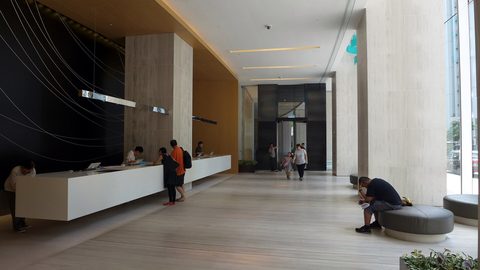 Hong Kong Hotels by Price Band and Property Type
Hong Kong hotel rooms are small, but the difference between a luxury harbour-view tower and a Mong Kok budget room is enormous.
Hong Kong Hotels by Price Band and Property Type
Hong Kong hotel rooms are small, but the difference between a luxury harbour-view tower and a Mong Kok budget room is enormous.
-
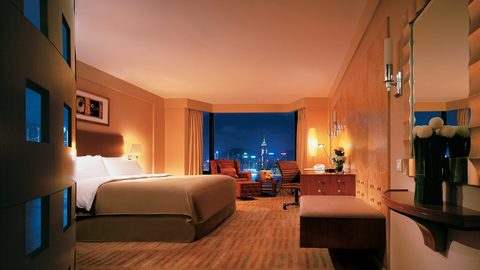 Where to Stay in Hong Kong Island or Kowloon for a First Visit
Hong Kong Island puts you in the financial and dining core, while Kowloon gives you harbour views and street life. The street you pick matters more than the district.
Where to Stay in Hong Kong Island or Kowloon for a First Visit
Hong Kong Island puts you in the financial and dining core, while Kowloon gives you harbour views and street life. The street you pick matters more than the district.
-
 How to Find Cheap Flights to Hong Kong International Airport
Hong Kong has one airport, a lot of airline competition, and a fast train into the city. The routing tricks are in the booking, not the arrival.
How to Find Cheap Flights to Hong Kong International Airport
Hong Kong has one airport, a lot of airline competition, and a fast train into the city. The routing tricks are in the booking, not the arrival.
-
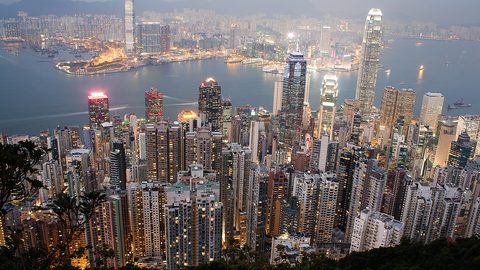 Things to Do in Hong Kong Ranked by What Is Worth Your Time
Victoria Peak, the Star Ferry, and a serious hike earn their fame. Some other Hong Kong sights do not.
Things to Do in Hong Kong Ranked by What Is Worth Your Time
Victoria Peak, the Star Ferry, and a serious hike earn their fame. Some other Hong Kong sights do not.
-
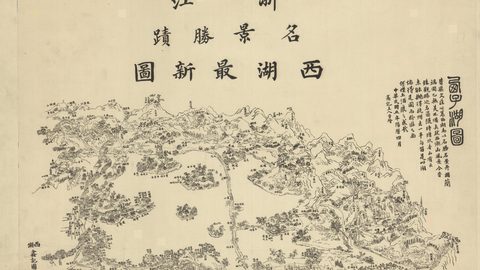 Best Time to Visit Hong Kong for Clear Skies and Low Humidity
October to December offers the best balance of clear skies and low humidity, but every other season trades weather for lower prices or festivals.
Best Time to Visit Hong Kong for Clear Skies and Low Humidity
October to December offers the best balance of clear skies and low humidity, but every other season trades weather for lower prices or festivals.
-
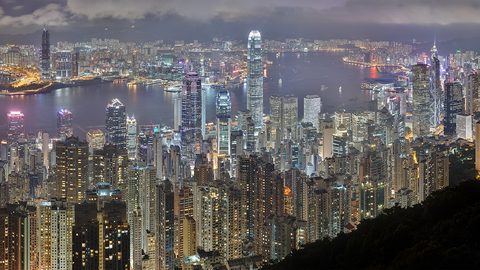 Victoria Peak
The view from Victoria Peak is the point; the tram queue is the problem, and there are four other ways up.
Victoria Peak
The view from Victoria Peak is the point; the tram queue is the problem, and there are four other ways up.
-
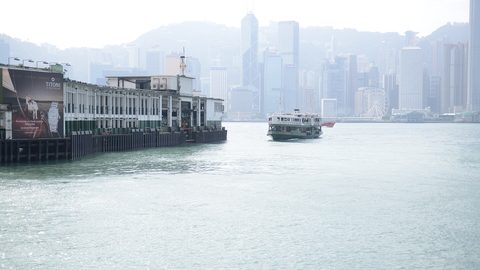 Star Ferry
The Star Ferry costs HK$5, takes 10 minutes, and the upper deck heading from Tsim Sha Tsui to Central gives the best skyline view.
Star Ferry
The Star Ferry costs HK$5, takes 10 minutes, and the upper deck heading from Tsim Sha Tsui to Central gives the best skyline view.
-
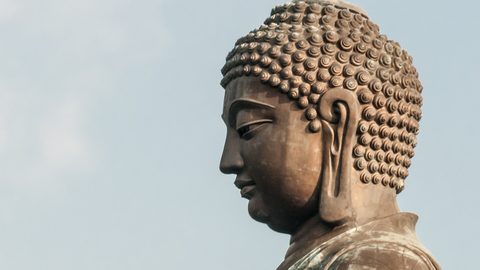 Big Buddha and Ngong Ping
The Big Buddha is 268 steps up, the cable car takes 25 minutes, and the village at the top is mostly a shopping mall.
Big Buddha and Ngong Ping
The Big Buddha is 268 steps up, the cable car takes 25 minutes, and the village at the top is mostly a shopping mall.