Visiting Wong Tai Sin Temple as a Working Temple
Wong Tai Sin Temple is a working temple, not a monument, and the fortune-telling stalls are what make it worth the twenty minutes.
_02.jpg)
Wong Tai Sin Temple Fortune Telling is Not a Show
Wong Tai Sin Temple fortune telling is not a tourist performance. It is a working transaction between a worshipper and a practitioner, conducted under a concrete arcade shared with 160 other stalls, and you are welcome to sit and watch. The temple itself, Sik Sik Yuen Wong Tai Sin Temple, is an active Taoist, Buddhist and Confucian site where people come to pray for health, luck and family harmony, not to pose for photographs. Treat it like a museum and you miss the point. Arrive expecting a quiet meditative space and you will be overwhelmed by incense smoke, crowds and the clatter of bamboo fortune sticks. Come prepared for what it actually is: one of the busiest working temples in Hong Kong, and one of the most fascinating places to observe local religious practice in action.
- Name: Wong Tai Sin Temple (Sik Sik Yuen Wong Tai Sin Temple)
- Entry fee: Free
- Opening hours (main temple): 07:00-17:30 daily
- Good Wish Garden opening hours: 09:00-17:00 daily (HK$2 donation requested at the gate)
- MTR station: Wong Tai Sin Station, Kwun Tong Line, Exit B3 (2-minute walk)
- Fortune-teller arcade stalls: 160+ stalls
- Fortune-teller fee (Chinese): HK$30 to HK$100 per session, set by the individual practitioner
- Fortune-teller fee (English): HK$50 to HK$100 per session, set by the individual practitioner
- Best time to visit: Weekday morning before 10:00
- Typical visit duration: 30-60 minutes
- Dress code: Shoulders and knees covered recommended; no strict enforcement
Why This Temple is Worth 20 Minutes of Your Time
You are not religious. You do not know who Wong Tai Sin is. You have twenty minutes. Go anyway, but only if you understand what you are walking into.
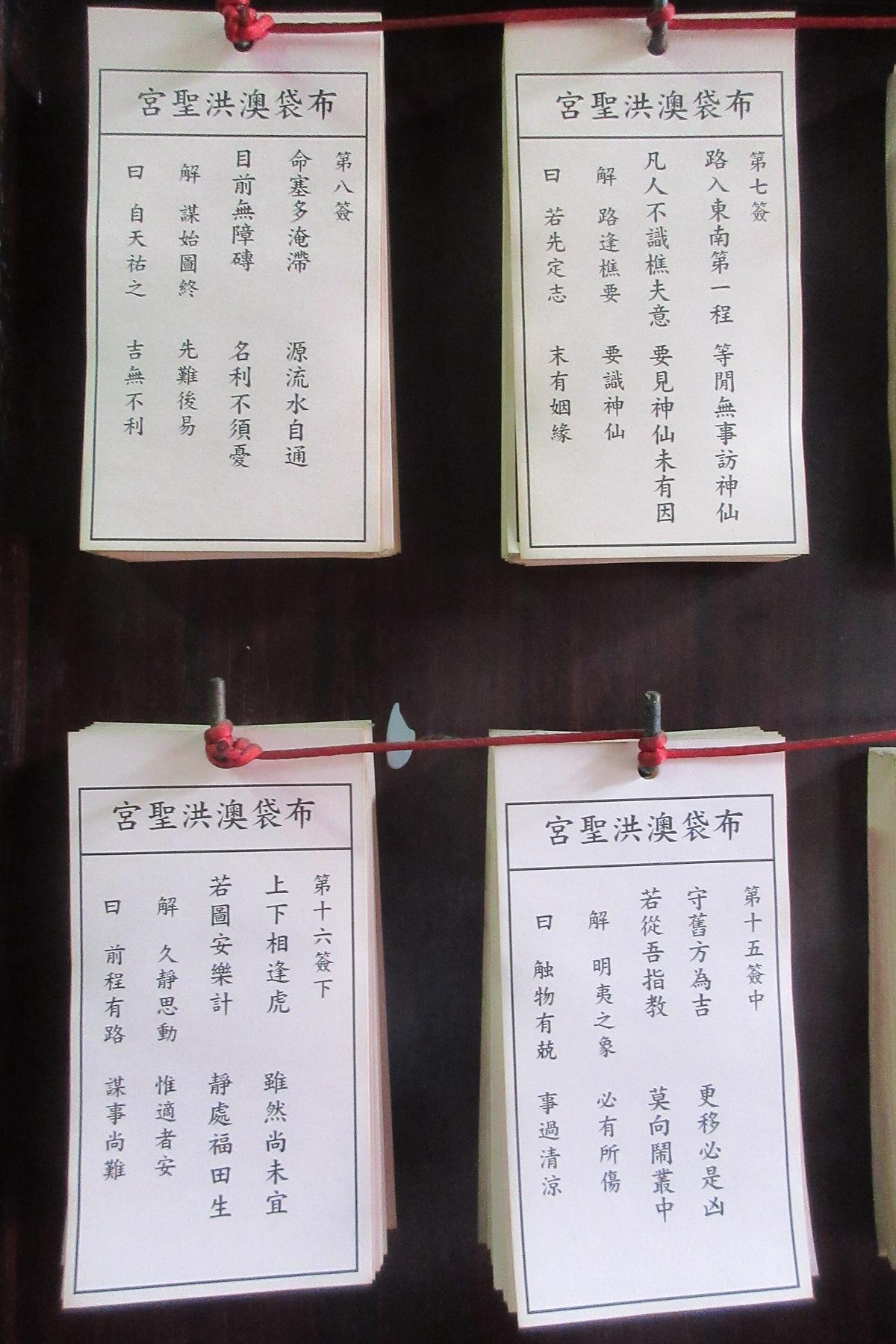
Three religions, Taoism, Buddhism and Confucianism, are practised in one complex. That alone is unusual. But the real reason to visit is the intensity of the activity. Worshippers arrive with bags of offerings: fruit, flowers, roast pork. They light incense sticks, provided free at the entrance and limited to designated areas, kneel before the main altar, and shake bamboo cylinders filled with numbered sticks until one falls out. That is the kau cim ritual. The number on the stick corresponds to a written fortune. They take that fortune to one of the 160 stalls in the arcade for interpretation.
Observe all of this without participating. No one will pressure you. Stand to the side, never directly in front of the main altar blocking worshippers, and you will see a form of daily life that has operated the same way since the temple opened in 1921. The current main building dates to 1973, but the practice is older.
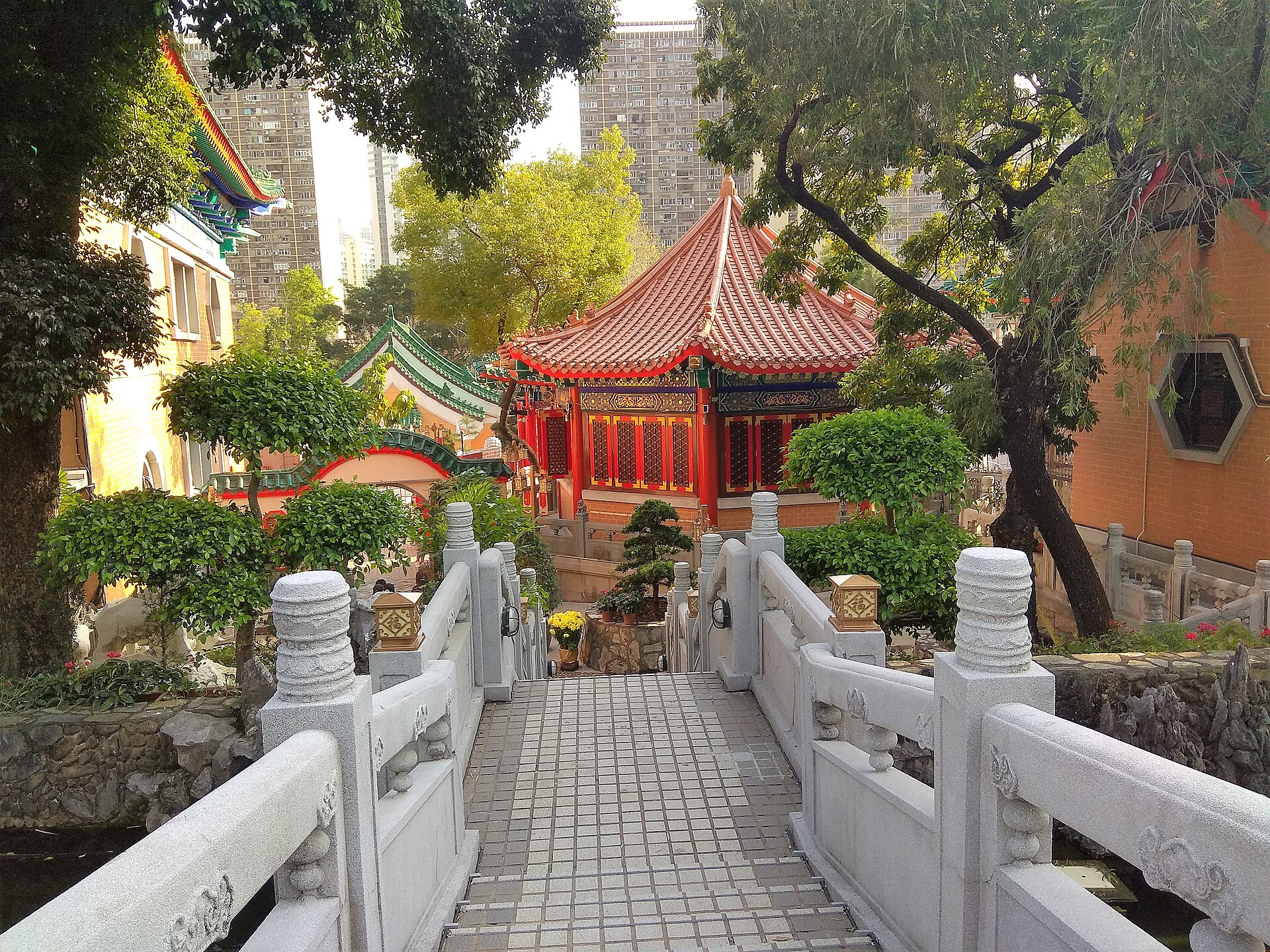
Skip it if you want a quiet garden. The Good Wish Garden, built in 1991, offers a nine-dragon wall, pavilions, bridges, a koi pond and a waterfall. It is quieter than the main temple, but the whole site sits on 18,000 square metres and is busy year-round. If silence is your goal, go to Chi Lin Nunnery one stop away on the MTR. Come here for the noise.
Sik Sik Yuen Wong Tai Sin: Getting There and Orientation
Wong Tai Sin Temple is in Kowloon. The MTR station is Wong Tai Sin Station on the Kwun Tong Line. Take Exit B3. From the station to the temple gate is a two-minute walk. That is the easiest arrival in the city.
Wong Tai Sin Temple Kowloon: The Location
The temple sits between the older residential neighbourhoods of Wong Tai Sin and Lok Fu. This is not a tourist district. The streets around the temple are ordinary Hong Kong: narrow pavements, shopfronts selling dried goods and religious supplies, and the constant sound of construction. Do not expect a curated approach. The temple appears suddenly behind a busy road. The entrance is marked by a large ceremonial gate and a cloud of incense smoke visible from the MTR exit.
Wong Tai Sin MTR Exit: Why Exit B3 Matters
Wong Tai Sin Station has multiple exits. Exit B3 drops you directly onto the footpath that leads to the main gate. Exits B1 and B2 put you on the opposite side of the roundabout, adding a road crossing and five minutes of walking. In Hong Kong, the wrong exit costs you time and frustration. B3 is the one.
Wong Tai Sin Temple Opening Hours: When To Arrive
The main temple opens at 07:00 and closes at 17:30 daily. The Good Wish Garden opens at 09:00 and closes at 17:00, with a HK$2 donation requested at the gate. Arrive on a weekday before 10:00 and you will see the morning peak of worshippers without being crushed by them. After 11:00 the tour groups arrive. After 14:00 the heat and humidity build. By 16:00 the incense smoke is at its thickest. The worst time is the weekend between 11:00 and 15:00.
During Chinese New Year the schedule collapses. Queues begin overnight before Lunar New Year's Day as worshippers compete to plant the first joss sticks. Over 100,000 visitors come in the first days of the new year. Avoid this period entirely unless you want to experience a crowd density that rivals the Mong Kok night markets at peak.
How the Fortune-Telling Stalls Actually Work
The fortune-teller arcade is a covered row of over 160 stalls arranged around a courtyard behind the main hall. Each stall is a small room, roughly two metres wide, with a desk, two chairs, and a practitioner seated behind it. The practitioners are licensed by the Sik Sik Yuen temple management body. They are not random street hustlers.
To get a session you first need a fortune. Do this at the main altar hall. Take a bamboo cylinder from the rack, kneel, state your name and your question silently, and shake the cylinder until one of the 100 numbered sticks falls out. Note the number. Return the cylinder. Then walk to the arcade and choose a stall.
How do you choose a stall? You watch. Worshippers who have used a particular fortune teller for years go straight to their usual person. Visitors who have no reference point pick a stall that looks busy, a crowd of waiting people is a signal of trust. You can also ask at the temple information desk for recommendations.
The fee range for a Chinese-language session is HK$30 to HK$100, set by the individual practitioner. English-speaking fortune tellers are available in the arcade, and their fee range is HK$50 to HK$100. Pay in cash. The session itself takes five to fifteen minutes. The fortune teller will interpret your stick number, discuss your question, and may give advice on timing, direction or offerings. Some write the interpretation on a slip of paper. Keep it as a souvenir if you want, but do not mistake the session for a guarantee. It is a consultation, not a prophecy.
Do not expect an English session to be as detailed as a Chinese one. The English-speaking practitioners are a minority and they handle a high volume of tourists. If you want a thorough session and you have a Cantonese-speaking friend, bring them.
| Item | Detail |
|---|---|
| Number of stalls | 160+ |
| Fee (Chinese session) | HK$30–HK$100, set by the individual practitioner |
| Fee (English session) | HK$50–HK$100, set by the individual practitioner |
| Payment method | Cash only |
| Duration per session | 5–15 minutes |
| How to choose a stall | Pick one that has a waiting crowd, or ask at the information desk |
| Do I need a fortune stick first? | Yes — complete the kau cim ritual at the main altar hall before going to the arcade |

What to Expect Inside: Smoke, Crowds and Etiquette
The incense smoke is thick. It hangs in the air at eye level. Your eyes will water, your throat will feel raw, and your clothes will smell of incense for the rest of the day. If you have asthma or a respiratory condition, bring a mask or skip the main altar hall and stay in the arcade area where the smoke is less concentrated.
The crowds are constant. Year-round. The temple is one of the most popular in Hong Kong, and there is no low season for prayer. Weekday mornings before 10:00 are the least crowded window, but even then you will share the space with several dozen worshippers. Do not expect solitude.
Photography is allowed in most outdoor areas. It is prohibited inside the main altar hall. Do not take flash photos of worshippers during the kau cim ritual. Do not stand in front of someone who is kneeling at the altar. If you want a picture of the red pillars, gold roofs and blue friezes, take it from the courtyard or the upper terrace.
Dress modestly. There is no enforced dress code, but covering your shoulders and knees is a sign of respect. Many regular worshippers arrive in casual clothes, but they are not tourists. You are a guest.
The one mistake most visitors make: they treat the temple as a backdrop for photos and ignore the arcade. The main hall is visually striking, but the fortune-telling stalls are what make this site different from every other temple in Hong Kong. Skip them and you have effectively visited a decorated building with incense. Spend twenty minutes in the arcade watching sessions happen and you will understand why the temple exists at all.
Common Questions
Do I need to make a booking for a fortune-telling session?
No. Walk into the arcade, choose a stall, and wait your turn. No appointment needed.
Can I get a fortune session without doing the kau cim ritual first?
No. The fortune teller needs your stick number to begin. The ritual at the main altar hall is required.
Are the fortune tellers licensed?
Yes. The stalls are managed by Sik Sik Yuen, the temple management body. Not all practitioners are equally skilled, but they are not unlicensed street vendors.
Is the temple wheelchair accessible?
Partially. The main courtyard and arcade are flat. The main altar hall has steps. The Good Wish Garden is accessible via a ramp.
What should I do after the temple?
Chi Lin Nunnery and Nan Lian Garden are one MTR stop away at Diamond Hill Station, or a 15- to 20-minute walk. Ten Thousand Buddhas Monastery is four stops away at Sha Tin Station. Both are worth the trip.
Read next
-
 Hong Kong eSIM and Data Plans Before You Land
Hong Kong has no internet firewall. A cheap eSIM or tourist SIM from the airport gives you fast data for Google Maps and WhatsApp from the moment you land.
Hong Kong eSIM and Data Plans Before You Land
Hong Kong has no internet firewall. A cheap eSIM or tourist SIM from the airport gives you fast data for Google Maps and WhatsApp from the moment you land.
-
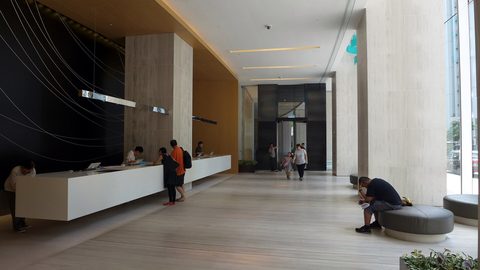 Hong Kong Hotels by Price Band and Property Type
Hong Kong hotel rooms are small, but the difference between a luxury harbour-view tower and a Mong Kok budget room is enormous.
Hong Kong Hotels by Price Band and Property Type
Hong Kong hotel rooms are small, but the difference between a luxury harbour-view tower and a Mong Kok budget room is enormous.
-
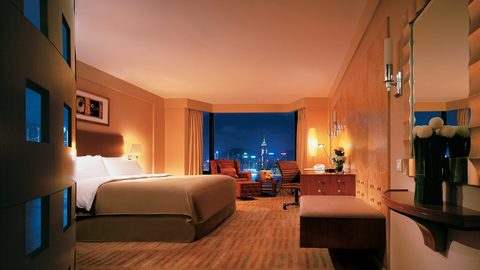 Where to Stay in Hong Kong Island or Kowloon for a First Visit
Hong Kong Island puts you in the financial and dining core, while Kowloon gives you harbour views and street life. The street you pick matters more than the district.
Where to Stay in Hong Kong Island or Kowloon for a First Visit
Hong Kong Island puts you in the financial and dining core, while Kowloon gives you harbour views and street life. The street you pick matters more than the district.
-
 How to Find Cheap Flights to Hong Kong International Airport
Hong Kong has one airport, a lot of airline competition, and a fast train into the city. The routing tricks are in the booking, not the arrival.
How to Find Cheap Flights to Hong Kong International Airport
Hong Kong has one airport, a lot of airline competition, and a fast train into the city. The routing tricks are in the booking, not the arrival.
-
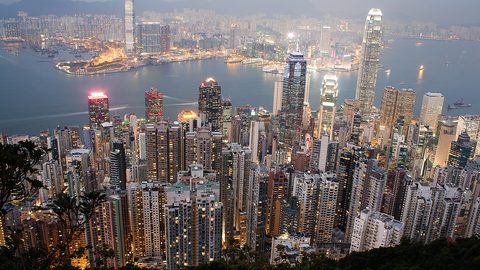 Things to Do in Hong Kong Ranked by What Is Worth Your Time
Victoria Peak, the Star Ferry, and a serious hike earn their fame. Some other Hong Kong sights do not.
Things to Do in Hong Kong Ranked by What Is Worth Your Time
Victoria Peak, the Star Ferry, and a serious hike earn their fame. Some other Hong Kong sights do not.
-
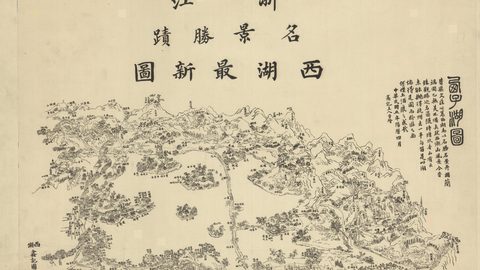 Best Time to Visit Hong Kong for Clear Skies and Low Humidity
October to December offers the best balance of clear skies and low humidity, but every other season trades weather for lower prices or festivals.
Best Time to Visit Hong Kong for Clear Skies and Low Humidity
October to December offers the best balance of clear skies and low humidity, but every other season trades weather for lower prices or festivals.
-
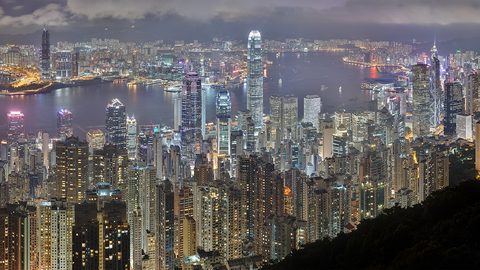 Victoria Peak
The view from Victoria Peak is the point; the tram queue is the problem, and there are four other ways up.
Victoria Peak
The view from Victoria Peak is the point; the tram queue is the problem, and there are four other ways up.
-
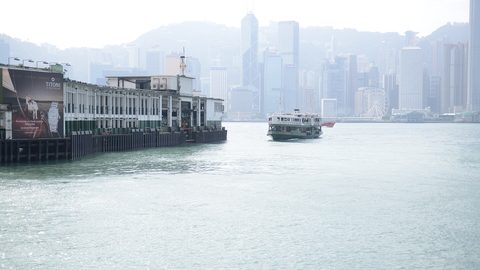 Star Ferry
The Star Ferry costs HK$5, takes 10 minutes, and the upper deck heading from Tsim Sha Tsui to Central gives the best skyline view.
Star Ferry
The Star Ferry costs HK$5, takes 10 minutes, and the upper deck heading from Tsim Sha Tsui to Central gives the best skyline view.
-
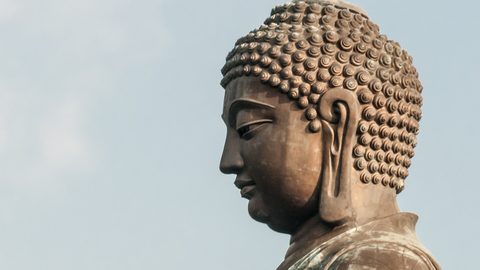 Big Buddha and Ngong Ping
The Big Buddha is 268 steps up, the cable car takes 25 minutes, and the village at the top is mostly a shopping mall.
Big Buddha and Ngong Ping
The Big Buddha is 268 steps up, the cable car takes 25 minutes, and the village at the top is mostly a shopping mall.