Choosing a Hong Kong Neighbourhood to Stay In
Hong Kong Island puts you in the financial and dining core, while Kowloon gives you harbour views and street life. The street you pick matters more than the district.
Choosing a Hong Kong Neighbourhood to Stay in
The decision between Hong Kong Island and Kowloon is not about which side has better hotels. It is about whether you wake up to harbour views and rooftop bars, or to the pulse of the densest street life on earth. That single choice sets your daily rhythm: how you move, what you eat, when you sleep, and how much patience you need for the walk between the wrong MTR exit and your destination. Change hotels halfway through a trip if you like, but you cannot fix a bad location by taking more taxis.
Hong Kong rewards a clear strategy. The city is compact on a map but punishing on foot. Pavements are narrow, uneven, and frequently blocked by scaffolding. Summer humidity makes five blocks feel like five kilometres. Station exits are not interchangeable: the wrong one in Central can put you on the wrong side of a footbridge network and add ten minutes to every outing. If you are here for four days, the minimum to see Hong Kong Island, Kowloon, Lantau and have one flex day for weather or shopping, you cannot afford to waste time untangling your location every morning.

The Island vs Kowloon Fork
What Each Side Delivers
Hong Kong Island is the business core, the bar district, the trailhead for serious hikes, and the place where room rates hit their ceiling. Central holds the luxury hotels, the Peak Tram, Lan Kwai Fong nightlife, and the fastest airport connection. Sheung Wan offers galleries, antique shops, and a quieter version of the same proximity at a slightly lower price. Wan Chai brings grit, wet markets, and the best concentration of mid-range hotels for travellers who want local food density without the Central mark-up. Causeway Bay is a retail machine, useful if your primary goal is shopping malls and chain dining.
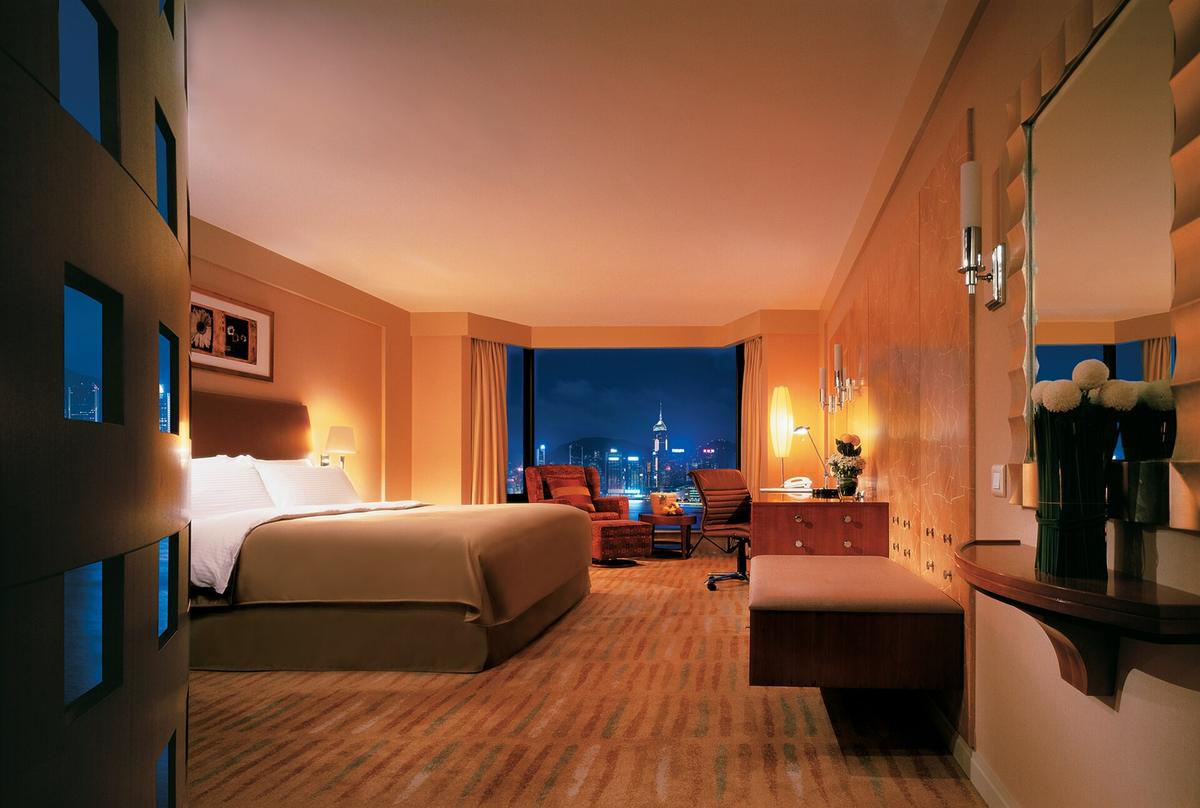
Kowloon is the other argument entirely. You stay in Tsim Sha Tsui for the harbour view looking back at the Island skyline: a full view of the skyline from your bed commands a 30-50 per cent premium, but rooms in the same hotels without the view run 20-30 per cent below Central prices. Jordan drops cost further and puts you steps from the Temple Street Night Market. Mong Kok is the cheapest core option, with the smallest rooms, the highest noise, and the most raw energy. You do not sleep well in Mong Kok. You eat well, you photograph well, and you spend less than half what you would on the Island.
Picking the Right Base
There is a wrong answer for every traveller type. If you want quiet, avoid Mong Kok and the Lockhart Road strip in Wan Chai. If you want space, avoid anything under 130 square feet, which fits one double bed, one open suitcase, and nothing else. If you want to hike, staying on the Island saves you a cross-harbour trip. If you want night markets, Kowloon is non-negotiable. The trade-off is real: a Tsim Sha Tsui harbour-view room costs the same as a Central standard room with no view, and the commute between the two sides swallows 35 minutes on the MTR including the walk through station tunnels.
First-time visitors who split their stay between one side and the other regret the move day. A hotel transfer eats two hours of packing, checking out, travelling, checking in, and unpacking. Pick one base and commit. If you cannot decide, choose Tsim Sha Tsui for a first visit. The view of the Island skyline from the harbourfront is the city's defining image, the museums are on your doorstep, the food scene spans dai pai dongs and Michelin Bib Gourmands, and the ferry to Central costs five dollars and runs every ten minutes.
Central: Landmarks and High Ceilings
Central works best for business travellers who are not paying their own bill, first-time visitors who want the Peak Tram and Lan Kwai Fong within a five-minute walk, and anyone with a luxury budget. The standard room in a four-star hotel measures 150 to 250 square feet: small for the price, but the trade-off is that you can walk to the Star Ferry, the Airport Express, and the MTR stop that connects to Tung Chung for Lantau Island.
The noise profile is low at night in the office core on weekends, but moderate near Lan Kwai Fong until two to four in the morning. That matters more than you expect. If you book a room facing the nightlife strip, you will hear it. Double glazing is standard in four-star hotels and above, but do not assume your three-star has it. Check the review comments about street noise before you pay.
Sheung Wan: Galleries and Quiet Corners
Sheung Wan suits the design-conscious traveller, the repeat visitor who already saw the Peak, and couples who want a neighbourhood rather than a tourist district. It is ten to twenty per cent below Central for an equivalent hotel category, and the room size drops to 120-200 square feet in boutique hotels. You trade square footage for character: the streets are older, the dried seafood shops smell like the harbour used to, and the art galleries on Hollywood Road are within walking distance. The Man Mo Temple is here, incense-heavy and crowded from mid-morning.
The noise is moderate daytime traffic and quiet after 22:00 except around the bar strip on Hollywood Road. That makes it the best option on the Island for light sleepers who still want to be within fifteen minutes of Central and the Airport Express connection at Hong Kong station.
Wan Chai and Causeway Bay: Grit and Neon
Wan Chai Beyond Lockhart Road
Wan Chai is the most misunderstood district on the Island. It has a red-light reputation around Lockhart Road that scared off a generation of travellers, but the area east of the MTR stop towards the residential streets is a solid mid-range choice. Rooms in three- and four-star hotels run 20-30 per cent below Central. The wet markets are active from dawn, the dai pai dong stalls on Bowrington Road serve claypot rice until late, and the Exhibition Centre station opened in 2022 on the East Rail Line, giving you a direct line to Tsim Sha Tsui East in six minutes. The noise near Lockhart Road is high until 02:00. The side streets north of Johnston Road are quiet.
Causeway Bay: Retail and Little Else
Causeway Bay is a shopping mall with a hotel attached. The pedestrian traffic on Hennessy Road is dense enough to slow walking to a shuffle at peak hours. It suits families who want chain dining, predictable convenience, and the Times Square complex. Room sizes are 130-200 square feet for three- and four-star hotels, and the multiple MTR exits span 500 metres of Hennessy Road, so the wrong exit costs you time. If shopping is your primary reason for being here, Causeway Bay works. If you want more than retail, stay elsewhere.
Tsim Sha Tsui: the View Changes Everything
Tsim Sha Tsui is the single best location for a first visit that does not include a luxury budget. The harbour-view rooms look at the Island skyline, and that view is the reason many people come to Hong Kong. A full view means unobstructed water and skyline from the bed, and hotels price that 30-50 per cent higher than a no-view room. The non-view rooms in the same four-star hotels run 20-30 per cent below Central prices. That is the arithmetic to hold in your head: you can pay less than Central and get a view, or pay the same as Central and get no view.
Museums, Food and the Noise Trade-Off
The museums are here: the Hong Kong Museum of History for city context, M+ for contemporary visual culture, the Hong Kong Palace Museum for imperial artefacts. Both M+ and the Palace Museum require advance booking. The South Asian and Middle Eastern food clusters on Kimberley Road and Nathan Road offer a different culinary thread from the Cantonese core. The noise on Nathan Road and Canton Road is high until 23:00. The side streets are quieter, and double glazing in the major hotels handles the rest.
Navigating the MTR from Tsim Sha Tsui
The MTR access is the best in Kowloon. Tsim Sha Tsui stop on the Tsuen Wan Line, East Tsim Sha Tsui on the Tuen Ma Line, and Austin station at the western edge give you three separate entry points into different parts of the district. That matters because a five-minute walk in summer heat and rain is the maximum acceptable distance to an entrance. Tsim Sha Tsui puts most hotels within that radius.

Jordan, Mong Kok and the Density Question
Jordan: Street Food at Your Door
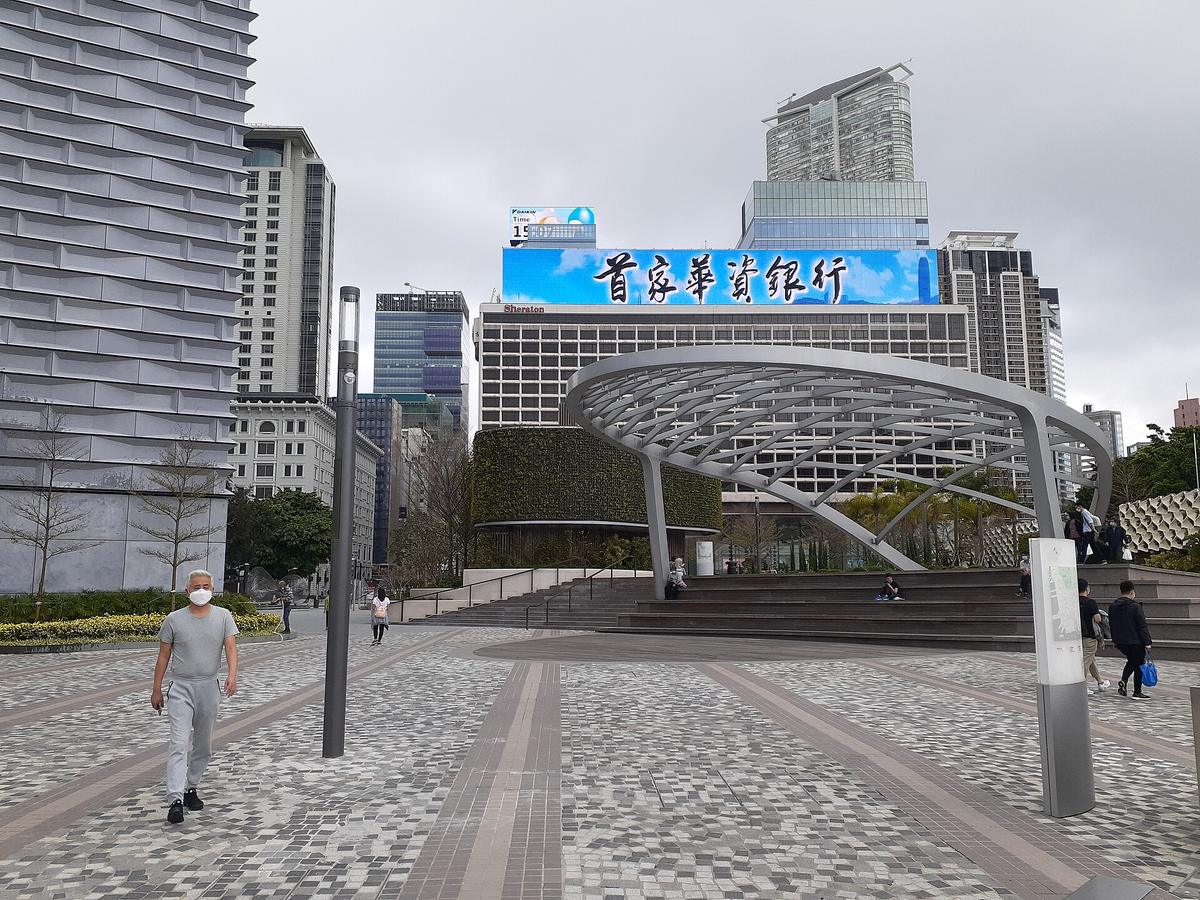
Jordan drops cost another notch: 30-40 per cent below Central, with room sizes of 100-180 square feet in three-star hotels. The Temple Street Night Market is your immediate neighbour, and the dai pai dongs on Jordan Road serve some of the best street food in Kowloon. The noise near Temple Street runs until midnight, but the mixed residential blocks further north are quieter. This is the best option for the food-focused traveller who needs to stretch a mid-range budget.
Mong Kok: Cheap, Loud and Alive
Mong Kok is the cheapest core option and the hardest to sleep in. Room sizes fall to 80-150 square feet in three-star hotels and guesthouses. The noise on Sai Yeung Choi Street and Nathan Road persists until 01:00-02:00. The rooms in older three-star buildings are single-glazed, which means you hear every street vendor, every traffic light, every conversation. Mong Kok suits the street photographer who will be out until midnight anyway, the day tripper who treats the hotel as a luggage locker, and the budget traveller who accepts that cheap means loud and small. If you need quiet, do not stay here.
Chungking Mansions: A Different Equation
The guesthouse option at Chungking Mansions in Tsim Sha Tsui operates on a different logic entirely. The building has 80-100 licensed guesthouses across five blocks, with room sizes of 40-100 square feet and rates of HK$150-400 per night at the 2024 rates published by the Hotel and Guesthouse Accommodation Authority. Shared bathrooms are standard in the cheapest rooms. The lifts queue during peak hours from 18:00 to 21:00. Fire safety upgrades were completed in the 2010s, and the building has 24-hour security. This is not a recommendation for most travellers. It is an option if budget is the single constraint and you accept the trade-offs.
The New Territories and Lantau Escape Valves
Sha Tin in the New Territories sits 20-25 minutes from Tsim Sha Tsui East on the East Rail Line. Room sizes are 200-300 square feet for four-star hotels, 50-60 per cent below Central cost. The noise is low because the setting is riverside and residential. This works for families who need more space and for travellers who plan to spend full days out of the hotel and commute in each morning. The downside is that you are 20 minutes from the action, and cross-harbour trips require a change at Admiralty or Hung Hom. If your itinerary includes Sha Tin itself for the Ten Thousand Buddhas Monastery, or the Chi Lin Nunnery in nearby Diamond Hill, the commute time becomes productive rather than wasted.
Tung Chung on Lantau Island is 30-35 minutes from Central on the Tung Chung Line. Room sizes are 250-350 square feet for four-star hotels, again 50-60 per cent below Central. The noise is low except for aircraft approach paths, and hotel towers have double glazing. This location suits travellers with late departure flights who want to be near the airport, or visitors who will spend most of their time on Lantau at the Big Buddha, Tai O fishing village, or the hiking trails. It is a bad base for a Kowloon-focused trip: the MTR journey from Tung Chung to Tsim Sha Tsui takes 40 minutes plus the walk through Hong Kong station.
Your Next Move
Open a map of the MTR system. Trace the line from the stop nearest your potential hotel to the places you plan to visit. Count the changes. Count the walking time from the exit to your hotel entrance. A five-minute walk is acceptable in summer heat. Anything over eight minutes in July or August will exhaust you. That single measure, the walk from station to hotel, is the most reliable predictor of whether you will enjoy your trip. Use it.
Common Questions
Should I Split My Stay Between Hong Kong Island And Kowloon?
Only if you have at least six days and are willing to lose a morning to moving. A hotel transfer, including packing, travel, and check-in, takes roughly two hours. For a four-day trip, pick one side and commit. Commit to Tsim Sha Tsui if you want the view and the museum cluster. Commit to Central if you want the Peak Tram and fastest airport connection.
Which Side Has Better Food?
Both sides have outstanding food, but they differ in style. Hong Kong Island has the higher-end Cantonese restaurants, the dim sum trolley service at Lin Heung and Luk Yu, and the Causeway Bay typhoon shelter crab tradition. Kowloon has better street food density, especially in Jordan and Mong Kok, and stronger South Asian and Middle Eastern options in Tsim Sha Tsui. For a food-focused trip centred on dai pai dongs and hole-in-the-wall noodle shops, Kowloon is the better base.
How Much Noise Should I Expect In A Central Hotel?
It depends on the street. The office core of Central is quiet at night on weekends. The area around Lan Kwai Fong is loud until 02:00-04:00, especially Friday and Saturday. Double glazing is standard in four-star hotels and above. If you are in a three-star or a guesthouse on a Lan Kwai Fong-facing street, expect noise. Check recent reviews that mention street noise before booking.
Is Mong Kok Safe Despite The Crowds?
Yes, Mong Kok is safe. Hong Kong has low violent crime rates and a visible police presence in crowded areas. The safety concern is not crime but comfort: the density is extreme, the pavement is narrow, and pickpocket risk exists in the night markets as it does in any crowded tourist area. Keep your phone in your front pocket and your bag zipped. The building safety issue at guesthouses applies citywide, not specifically to Mong Kok.
What Is The Cheapest Decent Place To Stay?
The cheapest decent option that is not a hostel is in Jordan or Mong Kok, where three-star hotels and guesthouses run 40-50 per cent below Central rates. Expect room sizes of 80-150 square feet, single-glazed windows in older buildings, and street noise until late. The alternative is Chungking Mansions in Tsim Sha Tsui, where guesthouse rooms start at HK$150-400 per night but shared bathrooms are common and room sizes drop to 40-100 square feet.
Read next
-
 Hong Kong eSIM and Data Plans Before You Land
Hong Kong has no internet firewall. A cheap eSIM or tourist SIM from the airport gives you fast data for Google Maps and WhatsApp from the moment you land.
Hong Kong eSIM and Data Plans Before You Land
Hong Kong has no internet firewall. A cheap eSIM or tourist SIM from the airport gives you fast data for Google Maps and WhatsApp from the moment you land.
-
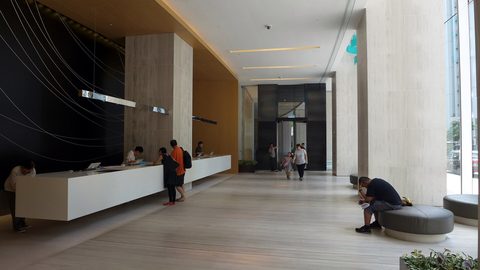 Hong Kong Hotels by Price Band and Property Type
Hong Kong hotel rooms are small, but the difference between a luxury harbour-view tower and a Mong Kok budget room is enormous.
Hong Kong Hotels by Price Band and Property Type
Hong Kong hotel rooms are small, but the difference between a luxury harbour-view tower and a Mong Kok budget room is enormous.
-
 How to Find Cheap Flights to Hong Kong International Airport
Hong Kong has one airport, a lot of airline competition, and a fast train into the city. The routing tricks are in the booking, not the arrival.
How to Find Cheap Flights to Hong Kong International Airport
Hong Kong has one airport, a lot of airline competition, and a fast train into the city. The routing tricks are in the booking, not the arrival.
-
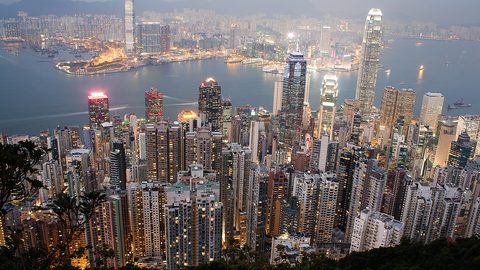 Things to Do in Hong Kong Ranked by What Is Worth Your Time
Victoria Peak, the Star Ferry, and a serious hike earn their fame. Some other Hong Kong sights do not.
Things to Do in Hong Kong Ranked by What Is Worth Your Time
Victoria Peak, the Star Ferry, and a serious hike earn their fame. Some other Hong Kong sights do not.
-
 Best Time to Visit Hong Kong for Clear Skies and Low Humidity
October to December offers the best balance of clear skies and low humidity, but every other season trades weather for lower prices or festivals.
Best Time to Visit Hong Kong for Clear Skies and Low Humidity
October to December offers the best balance of clear skies and low humidity, but every other season trades weather for lower prices or festivals.
-
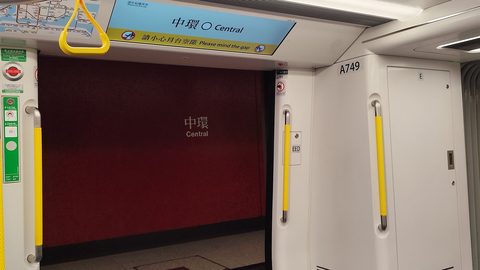 Getting Around Hong Kong by MTR, Ferry, Bus, Tram and Taxi
The MTR is the fastest way across Hong Kong, but the Star Ferry, trams, and buses are the rides you remember.
Getting Around Hong Kong by MTR, Ferry, Bus, Tram and Taxi
The MTR is the fastest way across Hong Kong, but the Star Ferry, trams, and buses are the rides you remember.
-
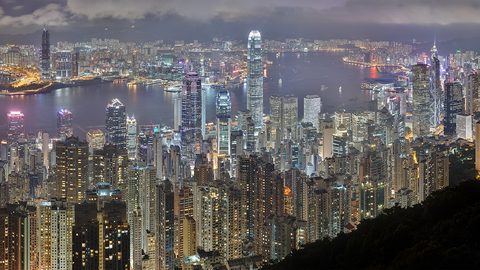 Victoria Peak
The view from Victoria Peak is the point; the tram queue is the problem, and there are four other ways up.
Victoria Peak
The view from Victoria Peak is the point; the tram queue is the problem, and there are four other ways up.
-
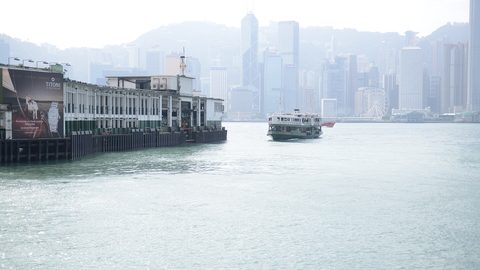 Star Ferry
The Star Ferry costs HK$5, takes 10 minutes, and the upper deck heading from Tsim Sha Tsui to Central gives the best skyline view.
Star Ferry
The Star Ferry costs HK$5, takes 10 minutes, and the upper deck heading from Tsim Sha Tsui to Central gives the best skyline view.
-
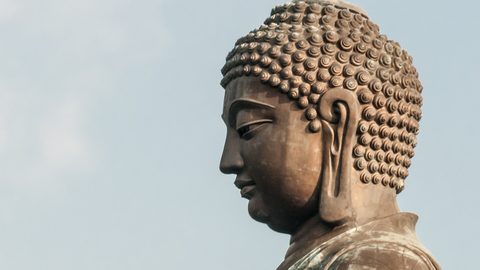 Big Buddha and Ngong Ping
The Big Buddha is 268 steps up, the cable car takes 25 minutes, and the village at the top is mostly a shopping mall.
Big Buddha and Ngong Ping
The Big Buddha is 268 steps up, the cable car takes 25 minutes, and the village at the top is mostly a shopping mall.