When to Plan a Trip to Hong Kong
October to December offers the best balance of clear skies and low humidity, but every other season trades weather for lower prices or festivals.
When to Plan a Trip to Hong Kong
Book Hong Kong for late October to mid December. That is the single window where the weather does not fight you. Temperatures sit between 20 and 28 degrees. Humidity drops low. The sky is clear. You can walk through Mong Kok, hike on Lantau, and eat egg waffles at a dai pai dong without arriving soaked in sweat or caught in a rainstorm warning.
If you cannot travel in those eight weeks, every other month forces a trade off on weather, crowds, or cost. Below is what you give up and what you gain in each alternative season.

| Period | Weather Conditions | Crowd and Cost Factor | What You Sacrifice |
|---|---|---|---|
| January February | Cool, 14 18°C. Low rainfall. Humidity 70 80%. | Chinese New Year may close restaurants and spike hotel rates. 2026 falls 17 February. 2027 falls 6 February. | Walking comfort is fine, but many independent food shops shut for days. Hills can feel cold. Skyline visibility is good but not peak autumn quality. |
| March April | Fog and drizzle. 17 21°C. Humidity high. | Rugby Sevens late March or early April spikes hotel prices. Shoulder weeks late April offer lower crowds. | Views from Victoria Peak are often obscured. Humidity condenses on indoor walls. Outdoor photography is unreliable. Rain gear is required daily. |
| May | Hot, 24 28°C. Humidity high. Typhoon season begins. | Mainland Golden Week 1 7 May spikes crowds. Hotel rates low outside that week. | You trade clear skies for heat and the start of typhoon risk. Hiking is uncomfortable in midday humidity. You need a layer for aggressive air conditioning indoors. |
| June July August | Hottest and most humid. 26 31°C. Humidity high. Typhoon peak in August and September. | Lowest hotel rates of the year. Crowds are thinner outside school holiday periods. | You save money but weather dominates your day. Rainstorm warnings are frequent. Black rain brings a citywide shutdown. Typhoon Signal 8 stops the MTR and closes restaurants. Beach season runs May to October, so swimming is possible if the weather holds. |
| September | Hot, 26 30°C. Humidity high. Typhoon peak continues. | Hotel rates begin rising. Mid Autumn Festival may fall in September or early October. | You risk flight disruption and indoor confinement from typhoon and rain warnings. Clear days exist but are not guaranteed. |
| October Early December | Best window. 20 28°C. Humidity low. Dry and clear. | October Golden Week 1 7 spikes crowds. Late October and late November are shoulder weeks with lower prices. Christmas crowds arrive late December. | Nothing significant. This is the default answer for a reason. |
What Changes by Season on the Ground
Walking and Pavements
In October to December, pavements in Central and Tsim Sha Tsui are merely crowded. In July and August, you add heat radiating off concrete, humidity that makes breathing feel heavy, and aggressive air conditioning every time you step into a mall or an MTR station. Carry a light jacket or cardigan year round. In March and April, pavements are wet. The fog and drizzle does not always produce rain, but it makes the uneven paving stones in Sheung Wan and the steps up to the Mid Levels slick. Walk slowly. In January and February, pavements are emptier and drier, but the wind in harbourfront areas like the Avenue of Stars and Tsim Sha Tsui can feel cold.
Hiking
The trails that make Hong Kong surprising, like the Dragon's Back on Hong Kong Island or the hike to the Big Buddha on Lantau, are best from October to December when the humidity is low and the views are clear. From May to September, start any hike before 07:00 and carry 2 litres of water. The heat index at midday in July is dangerous. In March and April, fog may obscure the sea views that make these trails worth the effort. Check the Hong Kong Observatory visibility report before you set out. If it is below 6 kilometres, pick a museum day instead.
Eating Outdoors
Dai pai dongs, street stalls, and the seafood restaurants in Sai Kung and on Lamma Island are semi outdoor. In the humid months, the experience changes. From June to August, you eat quickly or you eat soaked. In March and April, the drizzle means sitting under awnings that drip condensation. In January and February, the cool air makes outdoor eating pleasant, but Chinese New Year closures mean many small shops and independent stalls are dark for several days. Check the holiday dates for 2026 and 2027 before you book. The best eating weather is November and December: cool enough to sit on a plastic stool in Temple Street without sweating, warm enough that you do not need a heavy coat.

Planning Around Public Holidays and Events
Three annual events cause a measurable spike in hotel rates and crowd density. Mainland Golden Week runs 1 to 7 May and 1 to 7 October. Chinese New Year falls on 17 February 2026 and 6 February 2027, and the week surrounding it sees many closures and chaotic border travel. Christmas, 24 to 26 December, draws regional tourists and pushes hotel rates high.
When to Book and How to Pivot
The shoulder weeks that balance lower crowds, moderate rates, and decent weather are late April, late October, late November, and early December. If you must travel in peak season, book hotels at least three months ahead. If you travel in low season, budget for rain gear and a flexible itinerary that allows you to swap a hike for a museum visit.
The Mistake That Wrecks a Trip
The one thing that most often goes wrong: visitors try to do Hong Kong Island, Kowloon, and Lantau in two days while staying only in Central. The city is compact on a map but vertical and slow on foot. Cross harbour trips eat time. Give yourself a minimum of four days. Use the fourth as a flex day for weather or last minute adjustments. On the morning of a typhoon or black rain warning, your best move is to stay indoors, check the Hong Kong Observatory updates, and wait. Do not try to beat the weather.
Common Questions
What is the absolute worst month to visit Hong Kong?
August. It is the hottest month at 31°C average high, the most humid, and also the peak month for typhoons. A typhoon Signal 8 shuts down the MTR and closes most businesses. You may lose multiple days to indoor confinement.
Is the weather in March really that bad?
Yes, for photography and hiking. Humidity hits high levels. Fog and drizzle persist. Victoria Peak is often obscured. If clear skies and skyline photographs are your priority, March is a miss. If you only care about the Rugby Sevens and indoor activities, the weather is manageable with a rain jacket.
Does Chinese New Year affect everything?
It affects small restaurants, dai pai dongs, and independent shops the most. Many close for several days. Large hotels and chain restaurants stay open. The real friction is the cross border travel chaos. If you are arriving from mainland China or using the airport, budget extra time.
Can I swim at the beach in November?
Not comfortably. Sea temperature in November is 22°C and drops to 19°C in December. Beach season is May to October. If swimming is important, plan for that window and accept the humidity trade off.
When do hotel prices drop the most?
May through August. Hotels can be up to 50 percent cheaper than peak season. The trade off is the worst weather of the year. The shoulder weeks in late April, late October, and late November offer a better balance: moderate prices and significantly better conditions.
Read next
-
 Hong Kong eSIM and Data Plans Before You Land
Hong Kong has no internet firewall. A cheap eSIM or tourist SIM from the airport gives you fast data for Google Maps and WhatsApp from the moment you land.
Hong Kong eSIM and Data Plans Before You Land
Hong Kong has no internet firewall. A cheap eSIM or tourist SIM from the airport gives you fast data for Google Maps and WhatsApp from the moment you land.
-
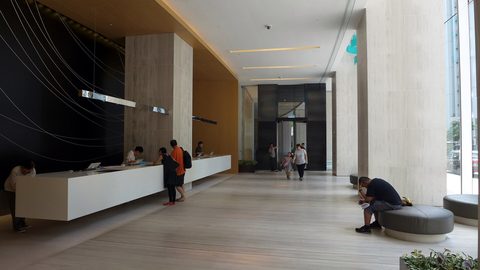 Hong Kong Hotels by Price Band and Property Type
Hong Kong hotel rooms are small, but the difference between a luxury harbour-view tower and a Mong Kok budget room is enormous.
Hong Kong Hotels by Price Band and Property Type
Hong Kong hotel rooms are small, but the difference between a luxury harbour-view tower and a Mong Kok budget room is enormous.
-
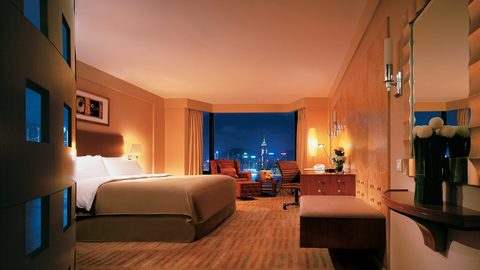 Where to Stay in Hong Kong Island or Kowloon for a First Visit
Hong Kong Island puts you in the financial and dining core, while Kowloon gives you harbour views and street life. The street you pick matters more than the district.
Where to Stay in Hong Kong Island or Kowloon for a First Visit
Hong Kong Island puts you in the financial and dining core, while Kowloon gives you harbour views and street life. The street you pick matters more than the district.
-
 How to Find Cheap Flights to Hong Kong International Airport
Hong Kong has one airport, a lot of airline competition, and a fast train into the city. The routing tricks are in the booking, not the arrival.
How to Find Cheap Flights to Hong Kong International Airport
Hong Kong has one airport, a lot of airline competition, and a fast train into the city. The routing tricks are in the booking, not the arrival.
-
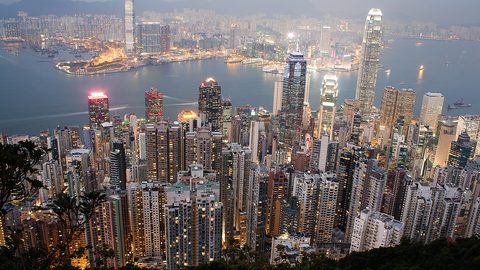 Things to Do in Hong Kong Ranked by What Is Worth Your Time
Victoria Peak, the Star Ferry, and a serious hike earn their fame. Some other Hong Kong sights do not.
Things to Do in Hong Kong Ranked by What Is Worth Your Time
Victoria Peak, the Star Ferry, and a serious hike earn their fame. Some other Hong Kong sights do not.
-
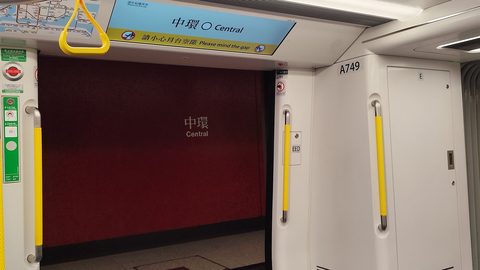 Getting Around Hong Kong by MTR, Ferry, Bus, Tram and Taxi
The MTR is the fastest way across Hong Kong, but the Star Ferry, trams, and buses are the rides you remember.
Getting Around Hong Kong by MTR, Ferry, Bus, Tram and Taxi
The MTR is the fastest way across Hong Kong, but the Star Ferry, trams, and buses are the rides you remember.
-
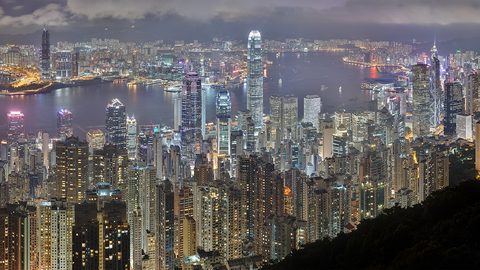 Victoria Peak
The view from Victoria Peak is the point; the tram queue is the problem, and there are four other ways up.
Victoria Peak
The view from Victoria Peak is the point; the tram queue is the problem, and there are four other ways up.
-
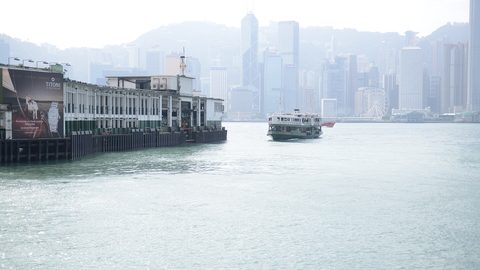 Star Ferry
The Star Ferry costs HK$5, takes 10 minutes, and the upper deck heading from Tsim Sha Tsui to Central gives the best skyline view.
Star Ferry
The Star Ferry costs HK$5, takes 10 minutes, and the upper deck heading from Tsim Sha Tsui to Central gives the best skyline view.
-
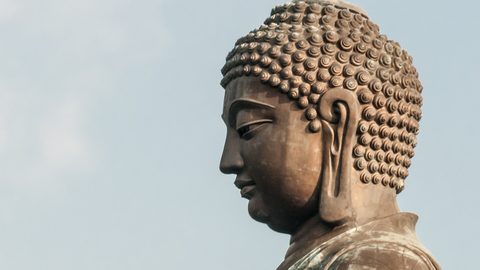 Big Buddha and Ngong Ping
The Big Buddha is 268 steps up, the cable car takes 25 minutes, and the village at the top is mostly a shopping mall.
Big Buddha and Ngong Ping
The Big Buddha is 268 steps up, the cable car takes 25 minutes, and the village at the top is mostly a shopping mall.