What a Hong Kong Hotel Room Is Like at Each Price Level
Hong Kong hotel rooms are small, but the difference between a luxury harbour-view tower and a Mong Kok budget room is enormous.
What a Hong Kong Hotel Room is Like at Each Price Level
You are about to pay a lot of money for very little floor space. That is the honest starting point for any Hong Kong hotel price guide. A standard room in Central or Tsim Sha Tsui is under 20 square metres. At the budget end, rooms shrink to 130 square feet. Two people with two bags cannot open both at the same time without blocking the walking path. At the luxury end, you get 400 to 600 square feet, full circulation space, and luggage racks that let both bags open without tripping anyone. The tradeoff is not about quality of service. It is about what you are willing to sacrifice: space, view, location, or money. Pick two. Hong Kong does not let you have all four.
Hong Kong Luxury Hotel Harbour View: the Harbour-View Tier and Grand Old Hotels
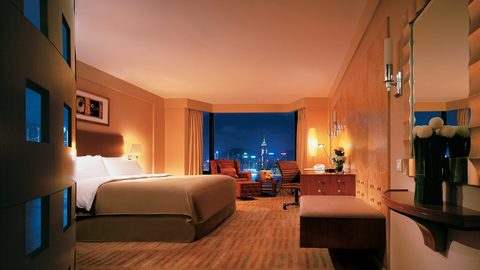
A harbour-view room is the single most expensive upgrade in Hong Kong, and it follows a simple rule. North-facing rooms on Hong Kong Island and south-facing rooms in Tsim Sha Tsui are the ones that look across Victoria Harbour. The premium over a room without that view runs 30 to 60 percent. The harbour-view tier hotels, with room sizes of 350 to 500 square feet, charge HKD 3,000 to HKD 8,000 per night. The grand old hotels, including The Peninsula (opened 1928), Mandarin Oriental Hong Kong (opened 1963), and The Murray (opened 1969 as government offices, converted 2018), offer 400 to 600 square feet and charge HKD 3,500 to HKD 12,000.
What You Actually See
A water view is not guaranteed just because you book a room at a harbourside hotel. Buildings between the hotel and the waterfront can block lower-floor views. Floor 15 and above clears those obstructions. Below floor 5, you might hear street noise and look into a light well rather than at water. If the view is your reason for spending the premium, book a room on floor 15 or higher, and confirm the sightline before you pay. The downside of a harbour-view room is that you are paying hundreds of dollars for a window you will look through for maybe ten minutes a day. The free view from Tsim Sha Tsui Promenade shows you the exact same skyline with no time limit and no cost. The same is true from the Central Piers. The benefit of the hotel room is having it at 2 AM in air conditioning, not at 6 PM on a crowded promenade.
Who Should Book This
Luxury shoppers and high-end hotel stayers who intend to spend hours in the room, order room service, and treat the hotel as the destination. Solo visitors who value safety and ease of navigation and want a concierge to handle everything. Do not book a harbour-view room if you are out from breakfast to midnight, because you will not see the view. The premium buys nothing you will use.
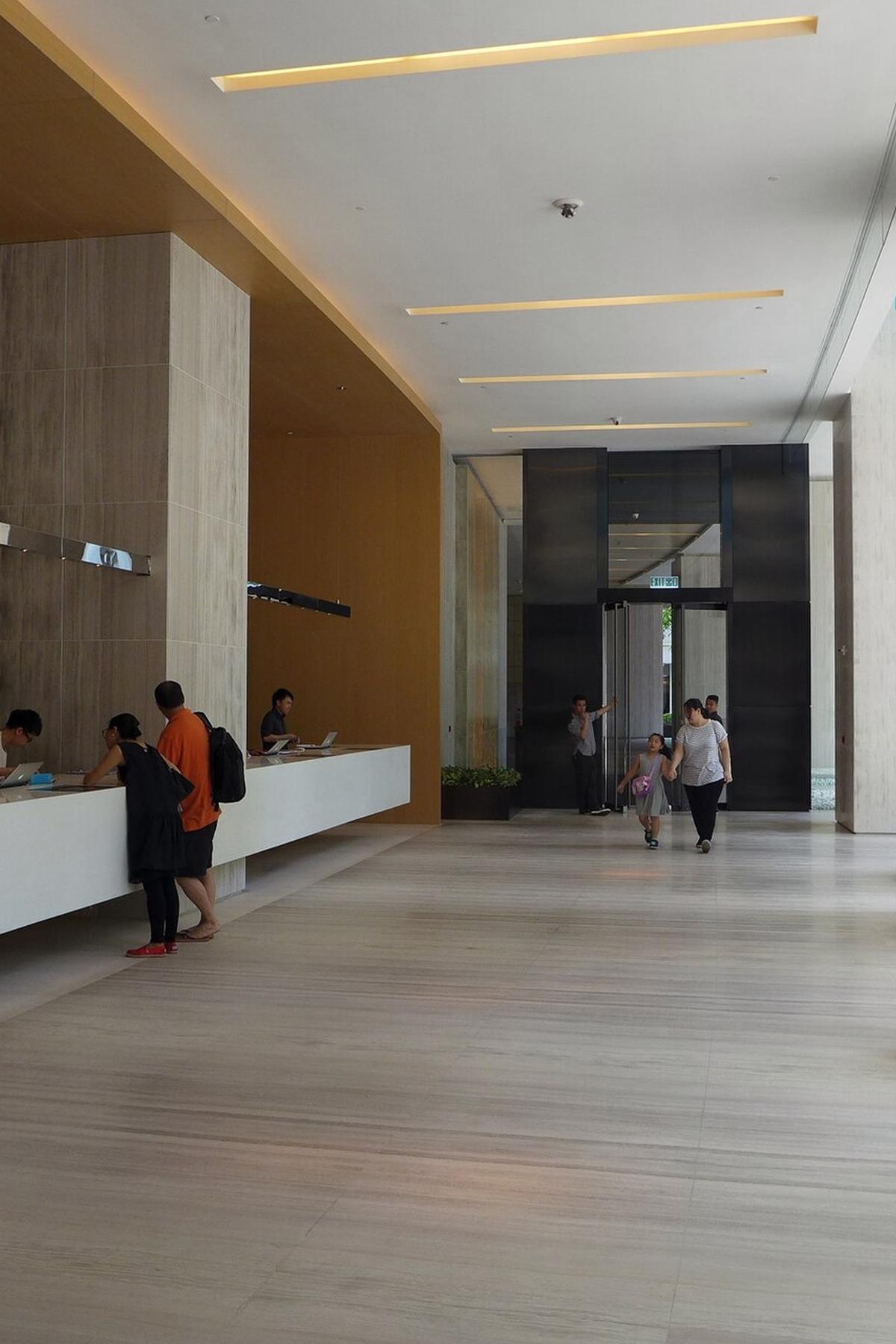

Hong Kong Boutique Hotel Sheung Wan: Design-Led Properties in the Western District
Sheung Wan is the district for visitors who want colonial remnants, dried seafood shops, galleries, and hip cafes rather than the corporate sheen of Central. The boutique hotels here are mid-range international hotels with room sizes of 200 to 280 square feet and nightly rates of HKD 1,200 to HKD 2,500. Some compact-room operators in the area offer rooms of 100 to 130 square feet at HKD 400 to HKD 700 per night. These are closer to a bed with a bathroom than a proper hotel room. The mid-range international hotels are the ones worth targeting in Sheung Wan. A 200 to 280 square foot room means two people with two bags can both open their luggage on the floor, but the walking path narrows to single-file. That is manageable for a four day stay. For longer trips, the squeeze becomes frustrating.
What the District Delivers
Sheung Wan puts you a short walk from Man Mo Temple, the incense-filled 1847 temple that smells of sandalwood and smoke. It is also near Tai Kwun, the former police compound turned arts and dining complex. The MTR station is on the Island line, and the walk from the station to most hotels falls under the 5 minute threshold that counts as close. The drawback of Sheung Wan boutiques is that many of them occupy converted buildings with narrow pavements outside, uneven footpaths, and scaffolding that can block access. Arrival by taxi from the airport takes 30 to 45 minutes and costs roughly HKD 300 to HKD 400. Pay it if you have luggage, because the Airport Express requires a transfer at Hong Kong station and then a taxi from Central. Book a boutique in Sheung Wan if you want to walk to galleries and cafes and do not mind tight corridors and a lift that fits two people.
Hong Kong Budget Hotel Tsim Sha Tsui: Guesthouses and Compact Rooms in Kowloon
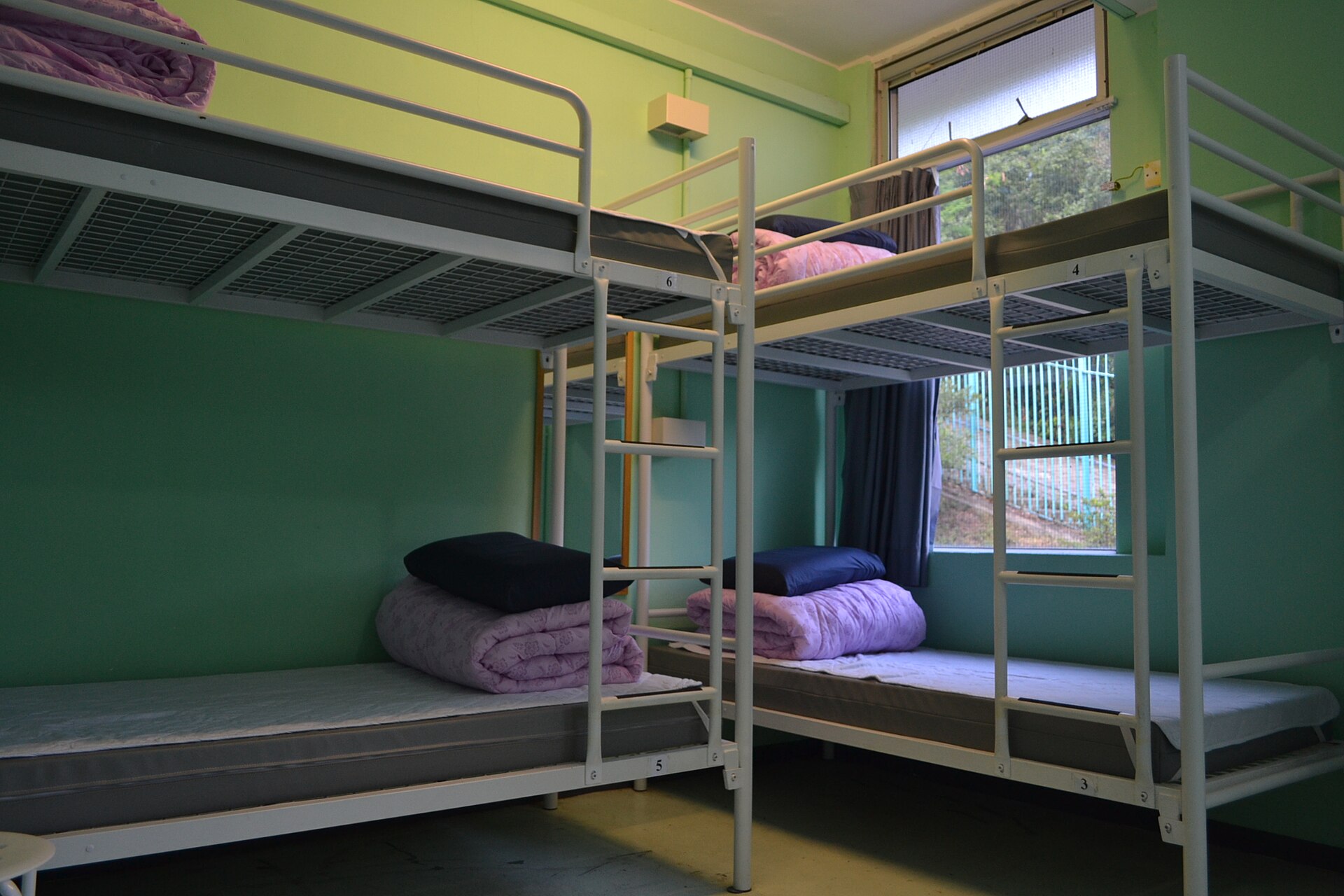
Tsim Sha Tsui is the budget hotel heart of Hong Kong. The options range from unlicensed guesthouses to licensed guesthouses to budget chain hotels. The price range for a guesthouse in Chungking Mansions is HKD 150 to HKD 400 per night. Mirador Mansions charges HKD 200 to HKD 500. These are rooms of 30 to 50 square feet for unlicensed guesthouses and a minimum of 50 square feet for licensed ones. A 50 square foot room is roughly 4.6 square metres. That is smaller than a standard parking space. You can stand next to the bed, open the bathroom door, and that is the room. Two people with two bags cannot open both. One suitcase open on the floor blocks the walking path completely. Licensed guesthouses display a ceramic licence plate at the entrance reading "持牌賓館" with a licence number. Check that plate. You can also verify any hotel or guesthouse by searching the Hong Kong Home Affairs Department Office of the Licensing Authority register by name or address. Budget chain hotels in Tsim Sha Tsui offer 130 to 160 square feet at HKD 500 to HKD 900 per night. A 130 square foot room with two people and two bags means both cannot open simultaneously. A 160 square foot room gives you room to open one bag and walk past it. These chain hotels are cleaner and more predictable than the guesthouses. They are also less characterful and often further from the waterfront.
Where the Value Is
The budget chain hotel at HKD 500 to HKD 900 is the sensible choice if you need a base in Tsim Sha Tsui. You get a window that faces exterior rather than a light well, a private bathroom that works, and air conditioning that is aggressive enough to require a layer year-round. You do not get harbour views, and you do not get space. The free view from Tsim Sha Tsui Promenade or Avenue of Stars is a 10 minute walk from most of these hotels. It costs nothing. The real appeal of Tsim Sha Tsui for budget visitors is the concentration of MTR exits, museums, and the Star Ferry. The MTR walk threshold for close is under 5 minutes on foot. Acceptable is 5 to 10 minutes. Over 10 minutes counts as far, and you should avoid it in Hong Kong summer heat and August typhoon risk. Book Tsim Sha Tsui if you want to be on the Kowloon side, near the night markets, and you are willing to trade space for location. Do not book it if you expect to spend time in your room during daylight hours.
Hong Kong Hotel Room Size: What Each Square Footage Actually Means for Your Trip
The numbers in Hong Kong hotel listings are not abstract. They determine whether your trip works or whether you spend four days tripping over luggage. Here is what each size tier delivers, based on two people with two standard check-in suitcases.
- 30 to 50 square feet (unlicensed guesthouse, Chungking Mansions, Mirador Mansions): One person can stand. The second person must sit on the bed. A suitcase opens on the bed or not at all. Walking path is zero. Stay only if you plan to sleep and leave.
- 100 to 130 square feet (compact-room operators, budget chain hotels at the small end): One suitcase opens on the floor, blocking the path. The other stays closed or sits on the bed. This works for one night. For four nights, it is exhausting.
- 130 to 160 square feet (budget chain hotels): Both bags cannot open simultaneously. One suitcase open on the floor blocks the walking path. Manageable if you unpack and store bags under the bed or in the closet.
- 200 to 280 square feet (mid-range international hotels): Both suitcases open on the floor, but the walking path narrows to single-file. This is the minimum for a comfortable four night stay without feeling cramped.
- 350 to 500 square feet (harbour-view tier): Both suitcases open on luggage racks. Full circulation space retained. You can move around the room without stepping over your belongings.
- 400 to 600 square feet (grand old hotels): Full circulation space, separate luggage area, room to work, eat, and relax. This is the only tier where the room functions as a living space rather than a sleeping closet.
The Floor Level Matters More Than You Think
Below floor 5, you get higher street noise and a possible light well view, meaning you look into an internal shaft with no natural light and potential kitchen exhaust from other floors. Floors 5 to 15 reduce street noise but may have partial obstruction of any view. Above floor 15, you get the lowest noise and the highest chance of an open view. If you are booking a mid-range or harbour-view hotel, request a room above floor 15. The difference between a light well and a window facing exterior is the difference between a room that feels like a closet and one that feels like a hotel.
| Property Type | Room Size Range | Price Per Night | Two Suitcases? |
|---|---|---|---|
| Unlicensed guesthouse (Chungking Mansions, Mirador Mansions) | 30-50 sq ft | HKD 150-500 | No |
| Budget chain hotel | 130-160 sq ft | HKD 500-900 | One at a time |
| Compact-room operator | 100-130 sq ft | HKD 400-700 | No |
| Mid-range international hotel | 200-280 sq ft | HKD 1,200-2,500 | Yes, single-file path |
| Harbour-view tier hotel | 350-500 sq ft | HKD 3,000-8,000 | Yes, full space |
| Grand old hotel (Peninsula, Mandarin Oriental, Murray) | 400-600 sq ft | HKD 3,500-12,000 | Yes, full space |
.JPG)
When to Book and What to Pay
Hong Kong hotel rates spike 50 to 200 percent above standard during conventions. The Hong Kong Book Fair in July, the Hong Kong Electronics Fair in October, Art Basel Hong Kong in March, and the Rugby Sevens in late March to early April all push prices into a different bracket. For standard dates, book two to four weeks ahead and you are fine. For Chinese New Year, book three to six months ahead. The Rugby Sevens and Art Basel require the same lead time. Peak seasons fall in three windows: Chinese New Year (late January to mid February, dates vary annually), Golden Week (first week of October), and Christmas to New Year (24 December to 2 January). Avoid Chinese New Year entirely unless you want to find independent restaurants and shops closed for days while cross border travel turns chaotic. Avoid Golden Week for mainland visitor crowds. Avoid August for heat, humidity, and typhoon risk. The reliable window is October to early December, when clear skies and low humidity and temperatures around 20 to 28 degrees Celsius make the city comfortable. Late March to April also works, though fog and rain are more common.
Breakfast Is a Budget Decision
Hotel breakfast in Hong Kong runs HKD 150 to HKD 300 per person. A cha chaan teng breakfast runs HKD 25 to HKD 45 per person. For a four night trip with two people, choosing the cha chaan teng saves HKD 1,000 to HKD 2,040. The downside is that you walk to the cha chaan teng, queue on the narrow pavement, and pay cash because many small restaurants accept cash or Octopus only. The upside is you eat like Hong Kong eats: strong Hong Kong style milk tea, pineapple bun with butter, or wonton noodle soup. Decide which experience you want before you add the breakfast package to your hotel booking.
Property Types and Who They Serve
Hong Kong hotels divide cleanly into four property types, and each type attracts a different guest. The harbour view towers of Tsim Sha Tsui and Central serve luxury shoppers and high end hotel stayers who want the concierge to handle everything and the view to be available at 2 AM. The design led boutiques of Sheung Wan serve urban explorers who love public transport and skyline photography, and who want to walk to galleries, antique shops, and dried seafood markets. The functional budget rooms of Mong Kok and Tsim Sha Tsui serve solo visitors who value safety and ease of navigation and need a place to sleep between long days of wandering. The grand old hotels serve guests who want the history and the service of The Peninsula or Mandarin Oriental Hong Kong, and who are willing to pay HKD 3,500 to HKD 12,000 per night for 400 to 600 square feet of space. Each type has a stated downside. Harbour view towers are expensive for what you use. Boutiques in Sheung Wan sit on narrow pavements with scaffolding and uneven surfaces. Budget rooms in Mong Kok and Tsim Sha Tsui are small enough that two people cannot open luggage simultaneously. Grand old hotels cost as much as a week in a mid range hotel elsewhere. Pick the downside you can live with, then pick the property type.
What This Destination Suits and What It Does Not
Hong Kong suits urban explorers who love public transport and skyline photography. It suits food focused visitors who will eat at dai pai dongs and hole in the wall noodle shops. It suits luxury shoppers and high end hotel stayers. It suits hikers who want serious trails with sea views. It suits solo travellers who value safety and ease of navigation. Hong Kong does not suit visitors on a tight budget who want cheap street food and hostels. It does not suit people who dislike crowds, queues, or small hotel rooms. It does not suit anyone seeking a relaxed, slow paced Southeast Asian beach town. It does not suit guests who want wide open public spaces rather than vertical malls and narrow streets. The city is dense, vertical, and efficient, but it is not a gentle introduction to Asia. Visitors often find it more exhausting than expected: crowds, humidity, and relentless concrete. They are also surprised by how much wild green space and village life exists 30 minutes from Central. The hotel you choose determines whether you can access that contrast or whether you spend your trip fighting the city's friction.
Common Questions
How do I know if a guesthouse is licensed in Hong Kong?
A licensed guesthouse displays a ceramic licence plate at the entrance reading "持牌賓館" followed by a licence number. You can also verify by searching the Hong Kong Home Affairs Department Office of the Licensing Authority register by hotel name or address. Unlicensed guesthouses operate in rooms as small as 30 to 50 square feet and carry no guarantee of basic safety standards. Always check the plate.
Is a harbour view worth the 30 to 60 percent premium?
Only if you plan to spend time in the room during daylight hours. The free view from Tsim Sha Tsui Promenade or Central Piers shows the identical skyline with no time limit and no cost. If you are out from breakfast to midnight, the premium buys a window you will see for ten minutes. If you intend to order room service and watch the light change over the water, the premium is justified.
What is the minimum room size for two people with luggage?
A room of 200 to 280 square feet allows both suitcases to open on the floor, though the walking path narrows to single file. Below that, one suitcase blocks the path. Below 130 square feet, only one bag can open at all. For a comfortable four night stay, target 200 square feet or larger. For a single night, 130 square feet is manageable.
Which month should I avoid for cheapest hotel rates?
Avoid August for heat, humidity, and typhoon risk. The rates drop because demand falls, but the experience is punishing. The best value window is late October to early December: clear skies, low humidity, and temperatures around 20 to 28 degrees Celsius. Rates are moderate and the weather makes the city enjoyable.
Should I book a serviced apartment instead of a hotel?
Serviced apartments require a minimum stay of 7 nights, cost HKD 18,000 to HKD 60,000 per month, and range from 300 to 800 square feet. They work for stays of a week or more. For the typical 4 night visit, a hotel makes more sense. The serviced apartment's space advantage only matters if you have time to use it.
Read next
-
 Hong Kong eSIM and Data Plans Before You Land
Hong Kong has no internet firewall. A cheap eSIM or tourist SIM from the airport gives you fast data for Google Maps and WhatsApp from the moment you land.
Hong Kong eSIM and Data Plans Before You Land
Hong Kong has no internet firewall. A cheap eSIM or tourist SIM from the airport gives you fast data for Google Maps and WhatsApp from the moment you land.
-
 Where to Stay in Hong Kong Island or Kowloon for a First Visit
Hong Kong Island puts you in the financial and dining core, while Kowloon gives you harbour views and street life. The street you pick matters more than the district.
Where to Stay in Hong Kong Island or Kowloon for a First Visit
Hong Kong Island puts you in the financial and dining core, while Kowloon gives you harbour views and street life. The street you pick matters more than the district.
-
 How to Find Cheap Flights to Hong Kong International Airport
Hong Kong has one airport, a lot of airline competition, and a fast train into the city. The routing tricks are in the booking, not the arrival.
How to Find Cheap Flights to Hong Kong International Airport
Hong Kong has one airport, a lot of airline competition, and a fast train into the city. The routing tricks are in the booking, not the arrival.
-
 Things to Do in Hong Kong Ranked by What Is Worth Your Time
Victoria Peak, the Star Ferry, and a serious hike earn their fame. Some other Hong Kong sights do not.
Things to Do in Hong Kong Ranked by What Is Worth Your Time
Victoria Peak, the Star Ferry, and a serious hike earn their fame. Some other Hong Kong sights do not.
-
 Best Time to Visit Hong Kong for Clear Skies and Low Humidity
October to December offers the best balance of clear skies and low humidity, but every other season trades weather for lower prices or festivals.
Best Time to Visit Hong Kong for Clear Skies and Low Humidity
October to December offers the best balance of clear skies and low humidity, but every other season trades weather for lower prices or festivals.
-
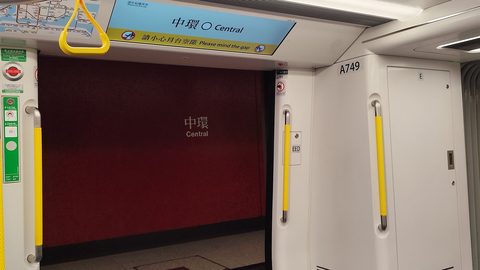 Getting Around Hong Kong by MTR, Ferry, Bus, Tram and Taxi
The MTR is the fastest way across Hong Kong, but the Star Ferry, trams, and buses are the rides you remember.
Getting Around Hong Kong by MTR, Ferry, Bus, Tram and Taxi
The MTR is the fastest way across Hong Kong, but the Star Ferry, trams, and buses are the rides you remember.
-
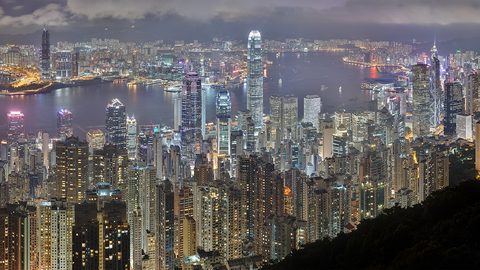 Victoria Peak
The view from Victoria Peak is the point; the tram queue is the problem, and there are four other ways up.
Victoria Peak
The view from Victoria Peak is the point; the tram queue is the problem, and there are four other ways up.
-
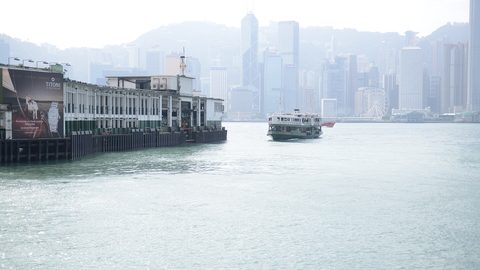 Star Ferry
The Star Ferry costs HK$5, takes 10 minutes, and the upper deck heading from Tsim Sha Tsui to Central gives the best skyline view.
Star Ferry
The Star Ferry costs HK$5, takes 10 minutes, and the upper deck heading from Tsim Sha Tsui to Central gives the best skyline view.
-
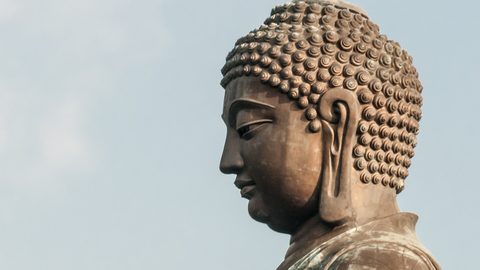 Big Buddha and Ngong Ping
The Big Buddha is 268 steps up, the cable car takes 25 minutes, and the village at the top is mostly a shopping mall.
Big Buddha and Ngong Ping
The Big Buddha is 268 steps up, the cable car takes 25 minutes, and the village at the top is mostly a shopping mall.