Shibuya Sky at Sunset Is Worth the Slot, but These Free Views Compete
Shibuya Sky at sunset is a booked-out Tokyo experience for a reason, but the Metropolitan Government Building and Bunkyo Civic Center offer free high-rise views worth comparing.
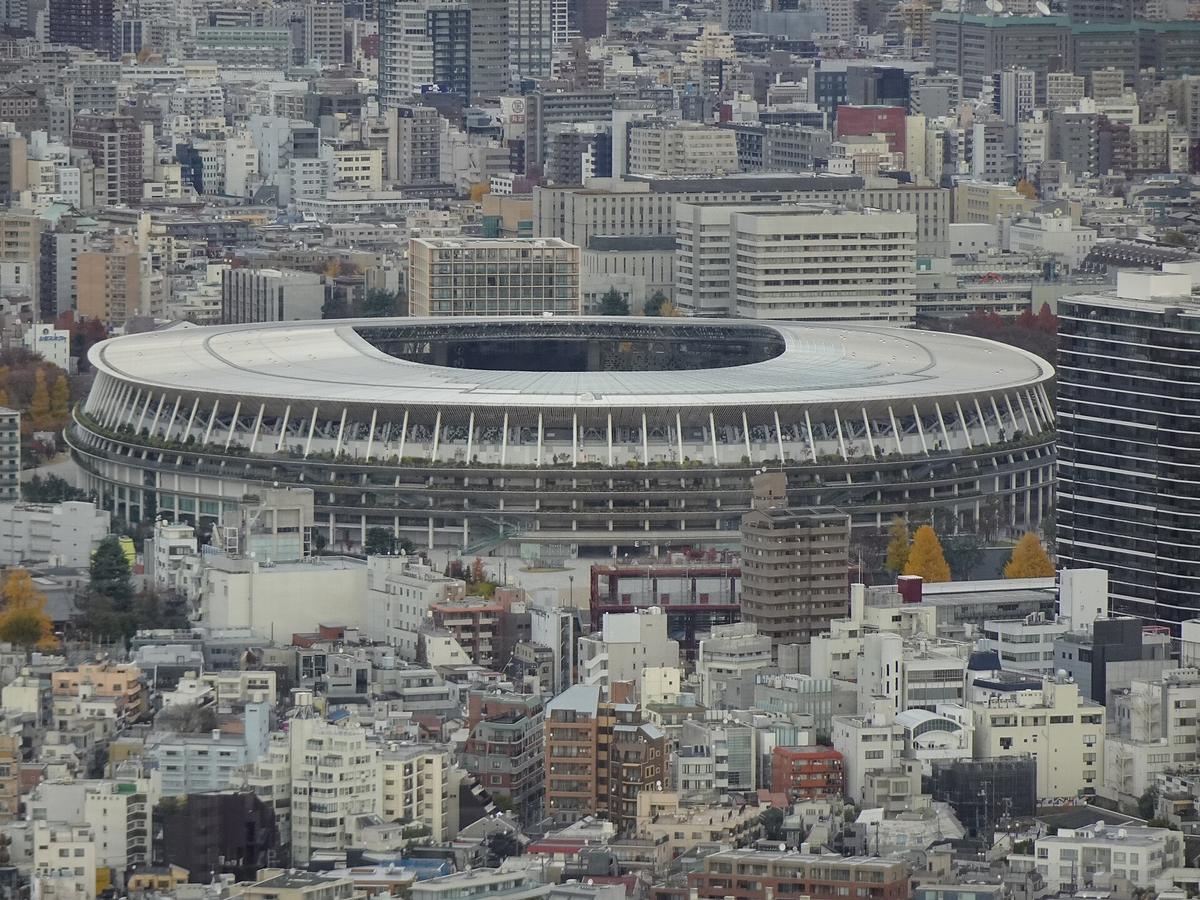

Shibuya Sky at Sunset is Worth the Slot, but These Free Views Compete
The elevator doors open on the 46th floor and the entire city tilts away from you. Tokyo spreads out in every direction, glass towers and river bends and mountains on the horizon, and you have 45 minutes before the sunset light turns the sky orange and pink and violet. That moment is what you are paying for.
The question is whether you need to pay at all. Tokyo has free observation decks that give you a similar vertical perspective, and two of them stay open late. But none of them give you what Shibuya Sky gives you: an open-air helipad with no glass between you and the city, directly above the scramble crossing, at the exact minute the sun goes down. That is the trade-off. Here is what to book, what to skip, and where to go when the paid ticket does not make sense.
- Shibuya Sky standard online ticket (adults 18+): 2,200 JPY
- Same-day ticket booth price (adults 18+): 2,500 JPY (verify availability)
- First timed-entry slot / last entry: 10:00 / 22:00
- Rooftop (Sky Stage) closing time: 22:00
- Sunset slot sell-out window (spring/autumn peak): 3, 4 weeks ahead
- Sunset slot sell-out window (off-peak): 1, 2 weeks ahead
- Rooftop closure triggers: Wind, rain, snow, lightning, extreme heat, or any hazardous weather; no refund if rooftop closes after entry
- Bag rules on Sky Stage: No tripods, monopods, selfie sticks, umbrellas, food, or drink. Secure loose items. Large bags go in lockers (free, 100 JPY deposit returned)
The Sunset Slot is the Only Slot That Matters
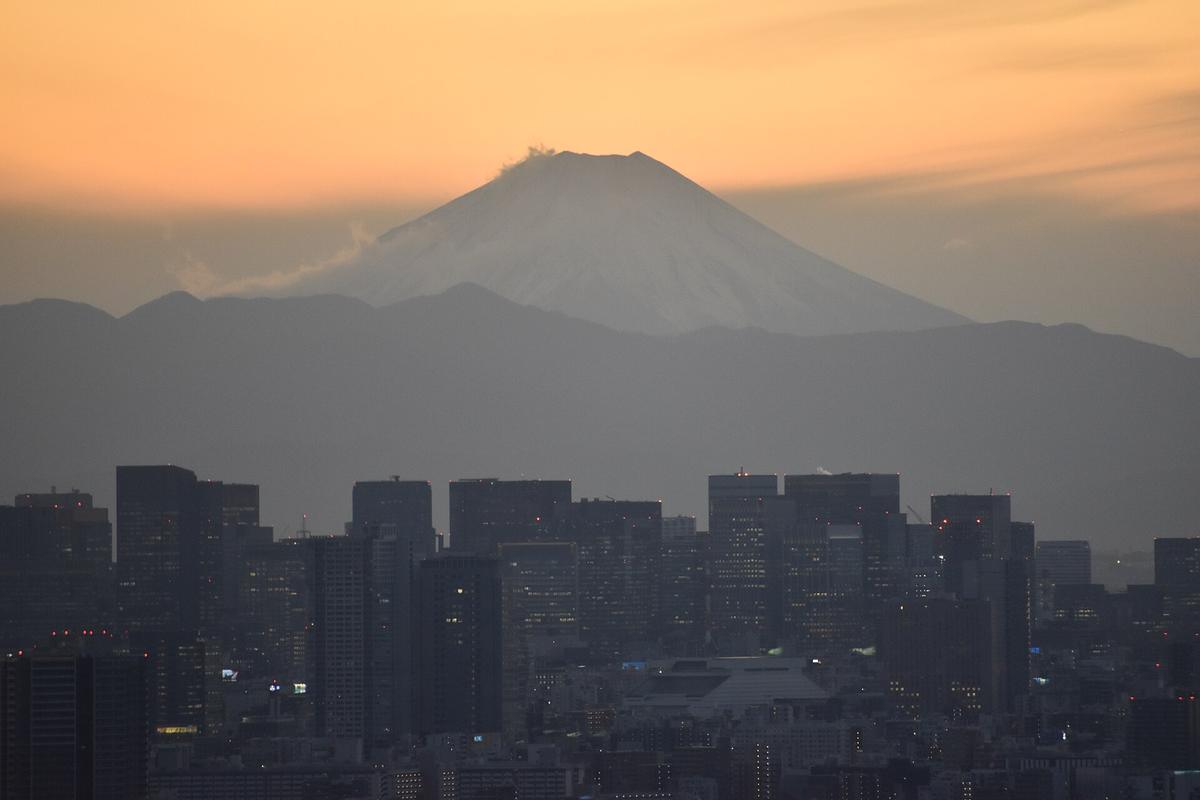
You do not go to Shibuya Sky for a generic city view. You go for the 20-minute window when the sun drops behind Mount Fuji and the city lights flicker on in sequence. That window is not optional. It is the reason the sunset timed-entry slots sell out three to four weeks in advance during cherry blossom season in late March to early April and during autumn foliage in late November. Off-peak, you still need to book one to two weeks ahead. Walk up on the day and you will pay 2,500 JPY at the ticket booth, assuming the slot is even available.
Book the 16:00 or 16:20 slot in autumn and winter, the 17:00 or 17:20 slot in spring and summer. Do not guess. Check the exact sunset time for your date and count backward by 45 minutes. That is the slot you want. The 20-minute interval between entries means the deck never feels crammed, but the best photo positions at the corners of the helipad markings fill fast.
What Happens On The Helipad
Sky Stage is the open deck above the indoor Sky Gallery on the 46th floor. The indoor level has floor-to-ceiling glass, bench seating, and digital art projections. Fine for a rainy day. Useless if you want the city without a pane of glass in your frame. Sky Stage is a helipad-style platform with hammocks, cloud-shaped seats, and painted markings on the ground. No walls. No glass. Just wind and sound and the full 360-degree sweep of Tokyo.
Weather closes it. Wind, rain, snow, lightning, extreme heat, or anything the staff deems hazardous. If the rooftop closes after you have entered, you get no refund and no discount. That is the risk. Check the forecast and accept it. If you are set on an open-air view and the weather looks marginal, shift your booking to a clearer day or skip Shibuya Sky entirely.
What the Free Decks Give You and What They Take Away
Tokyo has four free observation points worth your time. Each is genuinely free. Each lacks something essential compared to Shibuya Sky. Here is the honest breakdown.
Tokyo Metropolitan Government Building, Shinjuku
This one has two decks. The North Deck closes at 17:30, which rules out sunset for most of the year. The South Deck stays open until 22:00 on most days but shuts some days entirely. Both are indoors. No open air. No Shibuya crossing view. You look west over the government district and Shinjuku Central Park, not east toward the scramble. The view is wide and good and free. But you will feel the glass between you and the city. Use the south deck when rain kills your Shibuya Sky plans. Same indoor glass view for 2,200 JPY less.
Bunkyo Civic Center Observation Lounge
The quietest of the four. It faces north over the University of Tokyo campus and the Sumida River. No 360-degree panorama, no open-air deck, and it closes at 20:30. The Shibuya crossing is invisible from here. If you want a calm, free, indoor view of north Tokyo with almost no crowd, this is the choice. It is not an alternative to Shibuya Sky. It is a different thing entirely.
Caretta Shiodome Sky View
On the 46th floor of the Caretta Shiodome tower. Stays open until 23:30, the latest of any free deck. It faces south toward Tokyo Bay and Odaiba. Limited seating. No open air. No Shibuya crossing, obviously. If you are in the Shiodome or Ginza area after dinner and want a last view of the bay lights, it works. It does not compete with a sunset helipad.
Asakusa Culture Tourist Information Center Terrace
On the 8th floor. Low height. Directly across from Senso-ji, so the view is the temple roof and the Skytree behind it. No indoor climate-controlled space. No Shibuya crossing. It is free and open until 22:00, but it is a terrace at the height of a three-story shopping street, not a skydeck. Do not send someone here expecting a skyline panorama.
Each of these is a legitimate free option for a specific purpose. None replicates the experience of standing on a helipad above the scramble at sunset. Decide what you want before you decide what you will pay.

Who Should Skip Shibuya Sky Entirely
If you are on a shoestring budget and every 2,200 JPY matters, skip it. The free decks give you a real city view. You will not see the scramble from above, but you will see Tokyo at scale and that is enough for a first visit.
If you arrive during a rain forecast and cannot shift your schedule, skip it. The rooftop closes and the indoor level is not worth the ticket price alone. Go to the Metropolitan Government Building south deck instead.
If you are visiting Golden Week from late April to early May, skip it. The crowds at Shibuya station and inside the building will ruin the experience before you reach the elevator. Use the domestic gridlock time for free options with shorter queues.
If you have already done a sunset helipad view in another city and the novelty has worn off, skip it. The free decks are good enough. Spend the money on dinner.
Common Questions
How far in advance should I book Shibuya Sky sunset tickets?
During spring cherry blossom and autumn foliage peak, book three to four weeks ahead. Off-peak, one to two weeks ahead. Same-day tickets at the booth cost 2,500 JPY and may sell out.
What happens if the rooftop closes after I have entered?
No refund. No discount. Baggage rules still apply. Check the weather forecast before you book and accept the risk.
Can I bring a tripod or selfie stick to the rooftop?
No. Tripods, monopods, and selfie sticks are prohibited. Umbrellas, food, and drink are also banned. Secure loose items like scarves and hats.
Which free deck stays open latest?
Caretta Shiodome Sky View closes at 23:30. The Tokyo Metropolitan Government Building South Deck closes at 22:00 on most days. Bunkyo Civic Center closes at 20:30. Asakusa Culture Tourist Information Center closes at 22:00.
Can I see the Shibuya crossing from any free deck?
No. The Shibuya crossing view is only available from Shibuya Sky and from the Magnet rooftop at the crossing itself. The free decks face other directions.
Is the Bunkyo Civic Center worth visiting at all?
Yes, if you want a quiet, free, indoor view of north Tokyo with almost no crowd. It is not a substitute for Shibuya Sky but it is a pleasant detour for 15 minutes.
What is the biggest mistake visitors make at Shibuya Sky?
Booking the wrong slot. A 10:00 slot gives you a flat blue sky. A 14:00 slot gives you harsh overhead light. The sunset slot is the only one that justifies the price and the queue.
Read next
-
 Tokyo Hotels by Type and Budget from Capsules to Luxury
Tokyo hotels organised by type and price band, from efficient capsule pods to full-service luxury towers, to help you book the right room.
Tokyo Hotels by Type and Budget from Capsules to Luxury
Tokyo hotels organised by type and price band, from efficient capsule pods to full-service luxury towers, to help you book the right room.
-
 Where to Stay in Tokyo by District and Travel Style
A comparison of Tokyo's major districts to help you choose the right base for your travel style, whether you want calm or chaos.
Where to Stay in Tokyo by District and Travel Style
A comparison of Tokyo's major districts to help you choose the right base for your travel style, whether you want calm or chaos.
-
 Narita or Haneda for Tokyo and What That Airport Choice Costs You
Narita or Haneda for Tokyo: compare door-to-district time, transfer cost, and what the wrong airport choice eats from your trip.
Narita or Haneda for Tokyo and What That Airport Choice Costs You
Narita or Haneda for Tokyo: compare door-to-district time, transfer cost, and what the wrong airport choice eats from your trip.
-
 Things to Do in Tokyo That Are Worth Your Limited Days
A curated list of Tokyo's highest-impact sights and experiences, from immersive art to quiet backstreets, to help you prioritise your days.
Things to Do in Tokyo That Are Worth Your Limited Days
A curated list of Tokyo's highest-impact sights and experiences, from immersive art to quiet backstreets, to help you prioritise your days.
-
 Best Time to Visit Tokyo Month by Month Tradeoffs
A month-by-month guide to visiting Tokyo, laying out the trade-off between weather, crowds, price, and what's actually open.
Best Time to Visit Tokyo Month by Month Tradeoffs
A month-by-month guide to visiting Tokyo, laying out the trade-off between weather, crowds, price, and what's actually open.
-
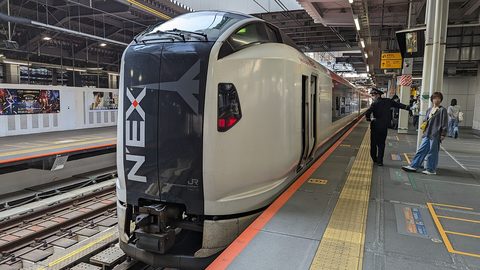 Getting Around Tokyo by Train Airport Transfers and IC Cards
A practical guide to Tokyo's rail network, covering airport transfers, IC cards, and how to avoid the station navigation mistakes that eat your day.
Getting Around Tokyo by Train Airport Transfers and IC Cards
A practical guide to Tokyo's rail network, covering airport transfers, IC cards, and how to avoid the station navigation mistakes that eat your day.
-
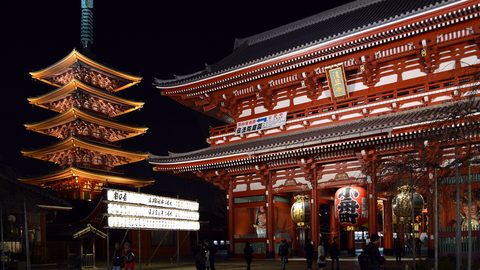 Senso-ji
 is free and never closes, but the experience at 6am with empty Nakamise stalls is nothing like the 11am crush under Kaminarimon. Here is when to go and what you get at each hour.
Senso-ji
Senso-ji is free and never closes, but the experience at 6am with empty Nakamise stalls is nothing like the 11am crush under Kaminarimon. Here is when to go and what you get at each hour.
-
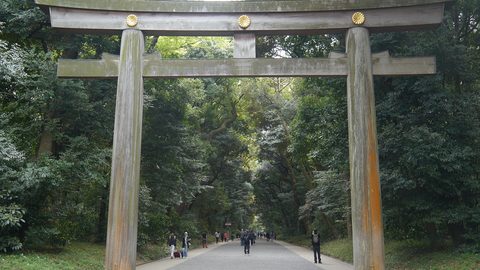 Meiji Jingu
The Meiji Jingu visit changes completely depending on which torii gate you enter. One drops you from Harajuku noise into sudden forest, the other builds quiet slowly from Yoyogi.
Meiji Jingu
The Meiji Jingu visit changes completely depending on which torii gate you enter. One drops you from Harajuku noise into sudden forest, the other builds quiet slowly from Yoyogi.
-
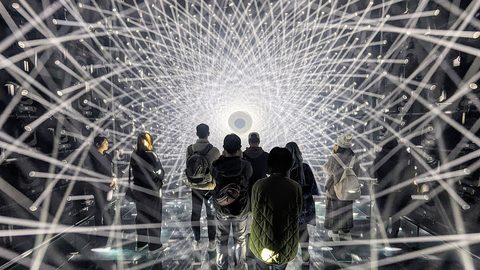 teamLab
 Borderless and Planets are two different Tokyo venues with separate booking systems. Borderless tickets at Azabudai Hills sell in timed slots and the maze has no fixed route.
teamLab
teamLab Borderless and Planets are two different Tokyo venues with separate booking systems. Borderless tickets at Azabudai Hills sell in timed slots and the maze has no fixed route.