A Focused Route Through the Tokyo National Museum
A curated route through the Honkan at the Tokyo National Museum that covers the essential Japanese art highlights without the exhaustion.
A Focused Route Through the Tokyo National Museum
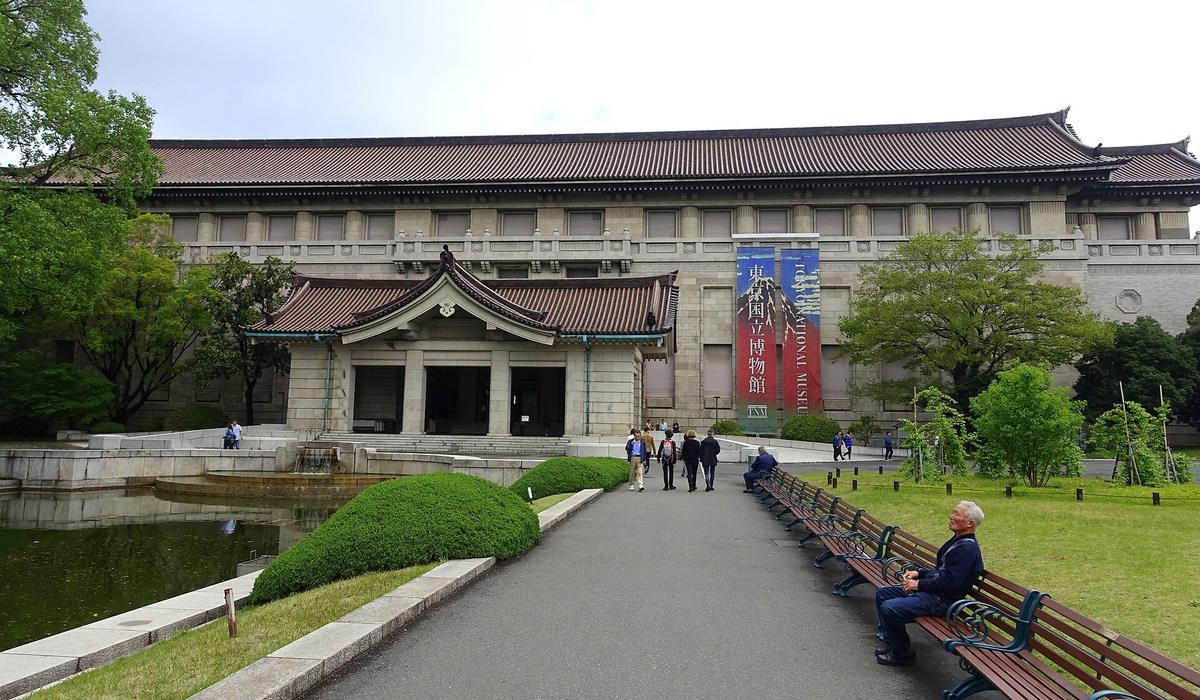
The Tokyo National Museum holds 89 National Treasures and roughly 120,000 cultural properties. You do not need to see all of them. On a first visit the smart move is to spend your time on the second floor of the Honkan and skip almost everything else. That single floor contains the chronological survey from Jomon pottery to Edo-period screens that explains the arc of the nation's art. Every other building on the 100,000 square metre campus can wait for a return trip. Arrive through the Ueno Park entrance, buy the standard permanent collection ticket for 1,000 yen at the Honkan ticket window, and go directly upstairs. The elevator is to the left of the main hall. Take it.
This is the largest collection of its kind on earth. It is also the most efficient to navigate once you know what to ignore. The Heiseikan, which houses the archaeology wing and special exhibitions, is useful mostly if you have a specific interest in Jomon deep history or a temporary show you booked in advance. The Toyokan, a five-floor Asian wing, holds Chinese bronzes and Korean celadon that are genuinely good but belong on a separate day. The Horyuji collection, designed by Yoshio Taniguchi, contains 12 National Treasures in controlled low light and deserves its own 45 minute visit if you care about Buddhist sculpture and 7th century gilt bronze. But none of these are the core route. The core route is the Honkan second floor, rooms 1 through 10, in that order.
- Museum Name: Tokyo National Museum (東京国立博物館)
- Address: 13-9 Ueno Park, Taito-ku, Tokyo, 110-8712
- Nearest Station: JR Ueno Station, Park Exit, 10 minutes walk
- Admission (Permanent Collection): 1,000 yen (adult), 500 yen (university student), free (under 18, 70+ years)
- Hours: 9:30 - 17:00, last entry 16:30. Extended to 20:00 on Friday and Saturday during special exhibitions.
- Regular Closure: Monday (if Monday is a holiday, open Monday, closed Tuesday). Year-end closure: Dec 26 - Jan 1.
- Honkan Architect / Style: Jin Watanabe, Imperial Crown Style (1938)
- Audio Guide: 600 yen, available in Japanese, English, Chinese, Korean
- Free Admission Days: May 18 (International Museum Day), third Monday of September (Respect for the Aged Day)
The Honkan Second Floor Route: Rooms 1 Through 10
Early Works and Buddhist Sculpture
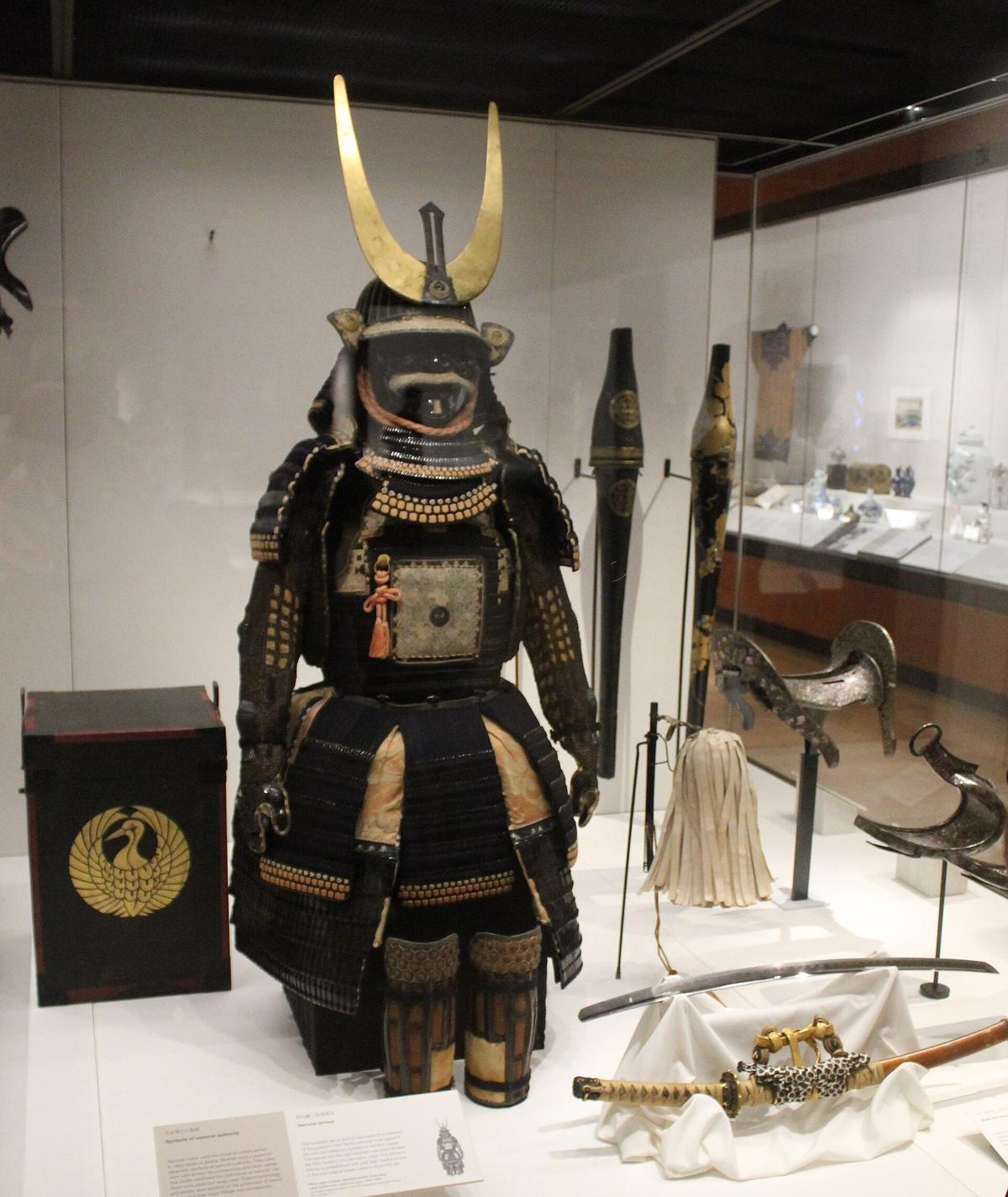
Room 1 opens with a samurai sword from the Kofun period. Do not linger. The museum rotates sword displays every 4 to 6 weeks, and Room 13 on the first floor holds the dedicated blade collection if that is your interest. What you want is Room 2: the Buddhist sculpture hall. This is the room that contains some of the 89 National Treasures, and the museum rotates these objects every 4 to 8 weeks for conservation reasons, so you will never see the same selection twice. Stand in front of the wooden seated statue of a Buddha from the Heian period and notice the single block carving. The label explains the technique. Read it.
Room 3 and Room 4 cover courtly painting and calligraphy from the Heian and Kamakura periods. The handscrolls here are fragile, and the museum rotates them seasonally, about four times per year. If you see the Tale of Genji scroll or a set of narrative handscrolls depicting a temple origin story, you are looking at objects that spend most of their existence in storage. Budget 15 minutes for these two rooms combined. Do not try to read every calligraphy panel. Move on.
Screens, Tea Ware and Noh Costumes
Room 5 and Room 6 jump to the Momoyama and early Edo periods. This is where the byobu folding screens live. Room 5 holds the large format screens depicting pine trees or battle scenes that were made for castle interiors. Room 6 shows Noh costumes and tea ceremony utensils. The tea bowls in Room 6 are the raku ware associated with the Sen no Rikyu tradition. If the screen on display features a gilded cloud bank over a landscape, that alone is worth the ticket price. Spend 10 minutes here.
Edo Period and Modern Works
Room 7 through Room 9 cover the Edo period proper: ukiyo-e prints, genre paintings, and the decorative arts that supported the merchant class. The ukiyo-e rotation happens roughly four times per year, so expect a different set of Hiroshige or Utamaro prints each visit. Room 8 holds a small exhibition of lacquerware writing boxes and incense containers, and the detail work on the maki-e gold inlay repays close inspection. Room 9 finishes with textiles, including Noh robes and kosode garments. Total time for rooms 7 to 9: 20 minutes.
Room 10 is the modern wing, covering Meiji period to early Showa. This is the weakest room in terms of National Treasure density, but it contains cloisonne enamels and a few Meiji-era paintings that show how artists absorbed Western perspective. Skip Room 10 if you are tired. The first floor of the Honkan, which holds the blade collection (Room 13), archaeological objects, and a taxidermy hall, can be skipped on a first visit entirely. The sword room is excellent but niche. The taxidermy belongs in the National Museum of Nature and Science, 400 metres east.
What to Skip and What to Save for a Return Trip
Skip the Toyokan unless Chinese or Korean art is your primary reason for visiting Tokyo. The collection includes Gandharan sculpture and Egyptian antiquities that are impressive but not definitive. A first timer in Tokyo has limited museum stamina. Use it on the survey of the country's own work. The Heiseikan is worse: its special exhibition space on the second floor charges a separate ticket that ranges from 1,600 to 2,400 yen depending on the show, and the archaeology section on the first floor, while strong on Jomon pottery and Yayoi bronzes, duplicates material you already saw in Rooms 1 and 2 of the Honkan. Skip it until you have seen the Honkan thoroughly.
The Horyuji collection is the hardest call. It holds 12 National Treasures and roughly 250 Important Cultural Properties, all from a single temple donation. The objects rotate every four weeks, and the low light environment makes the gilt bronze statues glow. If you have 45 extra minutes after the Honkan and you are genuinely interested in Buddhist art, go. If you are flagging, skip it. It will still be there on your next trip.
For a second visit, combine the Honkan first floor with the Toyokan and the Horyuji collection in one focused morning. That gives you the Samurai weapons, the Chinese ceramics, and the Buddhist statuary in a single sweep. The Heiseikan is best reserved for a specific special exhibition that you book online with a timed entry slot before you arrive. Do not walk in hoping for a ticket. Weekend special exhibitions sell out, and the walk in refusal rate is high.
Practical Timing and the Museum Fatigue Trap
When to Arrive and Why
The Honkan second floor route described above takes between 75 and 90 minutes at a steady walk with brief pauses. That is the maximum amount of time you should spend in this museum on a first visit. Museum fatigue sets in at the 90 minute mark for most visitors, and the Honkan has 26 rooms across two floors. If you try to see all of them you will be useless for the rest of the day.
Arrive at 9:30 when the museum opens. The first visitors through the door get Room 2 almost to themselves for the first quarter hour. By 10:30, school groups from Ueno Park fill the central staircase. If you arrive after 11:00 on a weekend, expect queue spill at the ticket counter. The permanent collection does not require an online booking outside peak periods, but the museum recommends timed entry during cherry blossom season (late March to early April) and autumn foliage (late November). Those two windows also fill Ueno Park with visitors, and the walk from JR Ueno Station, Park Exit, takes longer than the standard stretch because of crowd density on the main path.
Combining Museums
The Ueno Park institutions within walking distance include the National Museum of Western Art (350 metres), the National Museum of Nature and Science (400 metres), and the Tokyo Metropolitan Art Museum (200 metres). Do not attempt more than one museum per day. The Western Art museum holds a strong permanent collection of Rodin and impressionist works and makes a logical morning partner if you combine it with a late afternoon Honkan visit starting at 14:30. But the Honkan deserves its own morning. Anything else and you will be reading labels without comprehension by the third room.


| Room | Period / Theme | Key Objects | Recommended Time |
|---|---|---|---|
| Room 1 | Kofun / Asuka | Swords, bronze mirrors, haniwa | 5 min |
| Room 2 | Asuka / Nara / Heian | Buddhist sculpture, National Treasures | 15 min |
| Room 3 | Heian / Kamakura | Handscrolls, court painting, calligraphy | 8 min |
| Room 4 | Heian / Kamakura (continued) | Narrative scrolls, illustrated sutras | 7 min |
| Room 5 | Momoyama / Early Edo | Folding screens (byobu), castle art | 10 min |
| Room 6 | Momoyama / Early Edo | Tea ceremony utensils, Noh costumes | 10 min |
| Room 7 | Edo period | Ukiyo-e prints, genre paintings | 8 min |
| Room 8 | Edo period | Lacquerware, incense containers, writing boxes | 7 min |
| Room 9 | Edo period | Textiles, Noh robes, kosode | 5 min |
| Room 10 | Meiji / Early Showa | Cloisonne, modern painting, Western influence | Optional (5 min) |
Before You Go
One honest caveat. The Honkan second floor route works because it treats the museum as a survey course, not a completionist challenge. The objects that rotate out of view while you are in Tokyo will be replaced by other National Treasures that are just as important, and the museum will still be here on your next trip. Do not try to see the whole campus in one morning. Pick your floor, finish before your attention wanders, and walk the 400 metres to Shinobazu Pond for a view that does not require reading a single label. That is the correct way to do this museum.
Common Questions
How long does the Tokyo National Museum route take?
The Honkan second floor route (Rooms 1 through 10) takes 75 to 90 minutes at a steady pace with brief pauses. That is the recommended maximum for a first visit.
Do I need to book tickets in advance for the Tokyo National Museum?
The permanent collection does not require an online booking outside peak periods. Special exhibitions in the Heiseikan do require timed entry reservations. The museum also recommends booking during cherry blossom season and autumn foliage, when Ueno Park crowds are heavy.
Which building should I visit first at the Tokyo National Museum?
The Honkan, specifically the second floor. It holds the chronological survey of art from the Jomon period through the Edo period, including the majority of the National Treasures visible to the public.
What should I skip at the Tokyo National Museum on a first visit?
Skip the Toyokan (Asian wing), the Heiseikan (archaeology and special exhibitions), and the first floor of the Honkan including the blade collection. Save them for a return trip unless you have a specific interest.
Is the Gallery of Horyuji Treasures worth visiting?
Yes, if you have 45 extra minutes and an interest in Buddhist art. It holds 12 National Treasures in climate controlled low light. But it is not part of the core Honkan route. Save it for a second visit or a dedicated art day.
How often do the National Treasures rotate at the Tokyo National Museum?
Typical display periods for National Treasures are 4 to 8 weeks. Swords rotate every 4 to 6 weeks. Ukiyo-e and screen paintings rotate seasonally, about four times per year. You will never see the same selection twice.
Can I combine the Tokyo National Museum with other Ueno Park museums?
You can, but do not attempt more than one museum per day. The National Museum of Western Art is 350 metres away. Visit one in the morning, take a lunch break, then visit the other in the afternoon. The Honkan deserves its own morning.
Read next
-
 Tokyo Hotels by Type and Budget from Capsules to Luxury
Tokyo hotels organised by type and price band, from efficient capsule pods to full-service luxury towers, to help you book the right room.
Tokyo Hotels by Type and Budget from Capsules to Luxury
Tokyo hotels organised by type and price band, from efficient capsule pods to full-service luxury towers, to help you book the right room.
-
 Where to Stay in Tokyo by District and Travel Style
A comparison of Tokyo's major districts to help you choose the right base for your travel style, whether you want calm or chaos.
Where to Stay in Tokyo by District and Travel Style
A comparison of Tokyo's major districts to help you choose the right base for your travel style, whether you want calm or chaos.
-
 Narita or Haneda for Tokyo and What That Airport Choice Costs You
Narita or Haneda for Tokyo: compare door-to-district time, transfer cost, and what the wrong airport choice eats from your trip.
Narita or Haneda for Tokyo and What That Airport Choice Costs You
Narita or Haneda for Tokyo: compare door-to-district time, transfer cost, and what the wrong airport choice eats from your trip.
-
 Things to Do in Tokyo That Are Worth Your Limited Days
A curated list of Tokyo's highest-impact sights and experiences, from immersive art to quiet backstreets, to help you prioritise your days.
Things to Do in Tokyo That Are Worth Your Limited Days
A curated list of Tokyo's highest-impact sights and experiences, from immersive art to quiet backstreets, to help you prioritise your days.
-
 Best Time to Visit Tokyo Month by Month Tradeoffs
A month-by-month guide to visiting Tokyo, laying out the trade-off between weather, crowds, price, and what's actually open.
Best Time to Visit Tokyo Month by Month Tradeoffs
A month-by-month guide to visiting Tokyo, laying out the trade-off between weather, crowds, price, and what's actually open.
-
 Getting Around Tokyo by Train Airport Transfers and IC Cards
A practical guide to Tokyo's rail network, covering airport transfers, IC cards, and how to avoid the station navigation mistakes that eat your day.
Getting Around Tokyo by Train Airport Transfers and IC Cards
A practical guide to Tokyo's rail network, covering airport transfers, IC cards, and how to avoid the station navigation mistakes that eat your day.
-
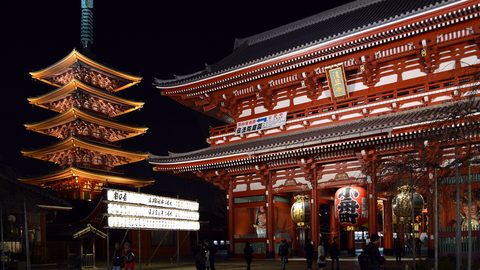 Senso-ji
 is free and never closes, but the experience at 6am with empty Nakamise stalls is nothing like the 11am crush under Kaminarimon. Here is when to go and what you get at each hour.
Senso-ji
Senso-ji is free and never closes, but the experience at 6am with empty Nakamise stalls is nothing like the 11am crush under Kaminarimon. Here is when to go and what you get at each hour.
-
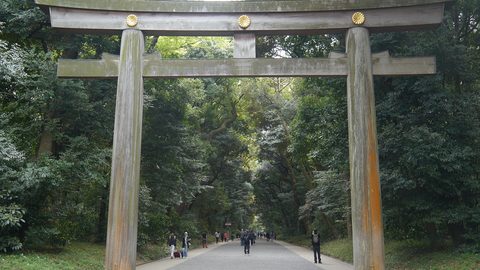 Meiji Jingu
The Meiji Jingu visit changes completely depending on which torii gate you enter. One drops you from Harajuku noise into sudden forest, the other builds quiet slowly from Yoyogi.
Meiji Jingu
The Meiji Jingu visit changes completely depending on which torii gate you enter. One drops you from Harajuku noise into sudden forest, the other builds quiet slowly from Yoyogi.
-
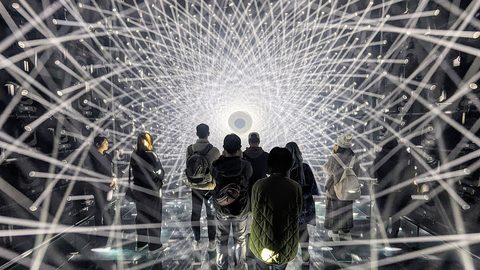 teamLab
 Borderless and Planets are two different Tokyo venues with separate booking systems. Borderless tickets at Azabudai Hills sell in timed slots and the maze has no fixed route.
teamLab
teamLab Borderless and Planets are two different Tokyo venues with separate booking systems. Borderless tickets at Azabudai Hills sell in timed slots and the maze has no fixed route.