Marunouchi and Tokyo Station, the Most Connected Bed in Japan
Staying in Marunouchi puts you steps from Tokyo Station's Shinkansen platforms and Narita Express, trading nightlife buzz for unmatched rail connectivity and wide, quiet weekend boulevards.
- Flag
-
- ISO code
- JP
- Currency
- JPY
- Timezone
- Asia/Tokyo
Marunouchi and Tokyo Station, the Most Connected Bed in Japan
Most first-time visitors assume they should stay somewhere that feels like Tokyo. Shinjuku at midnight, Shibuya at the scramble crossing. That instinct costs them an hour every day. The real value of Marunouchi is not atmosphere. It is a transit fortress where you roll luggage from a hotel lobby onto a bullet train or the Narita Express without touching the Yamanote loop. Tokyo Station handles about 450,000 passengers daily on JR East alone, excluding bullet-train-only riders. That is roughly one eighth of Shinjuku Station's 3.5 million. Quieter corridors, shorter queues, and a station you can navigate on hour one of your trip.
Built for Departure, Not for Nightlife
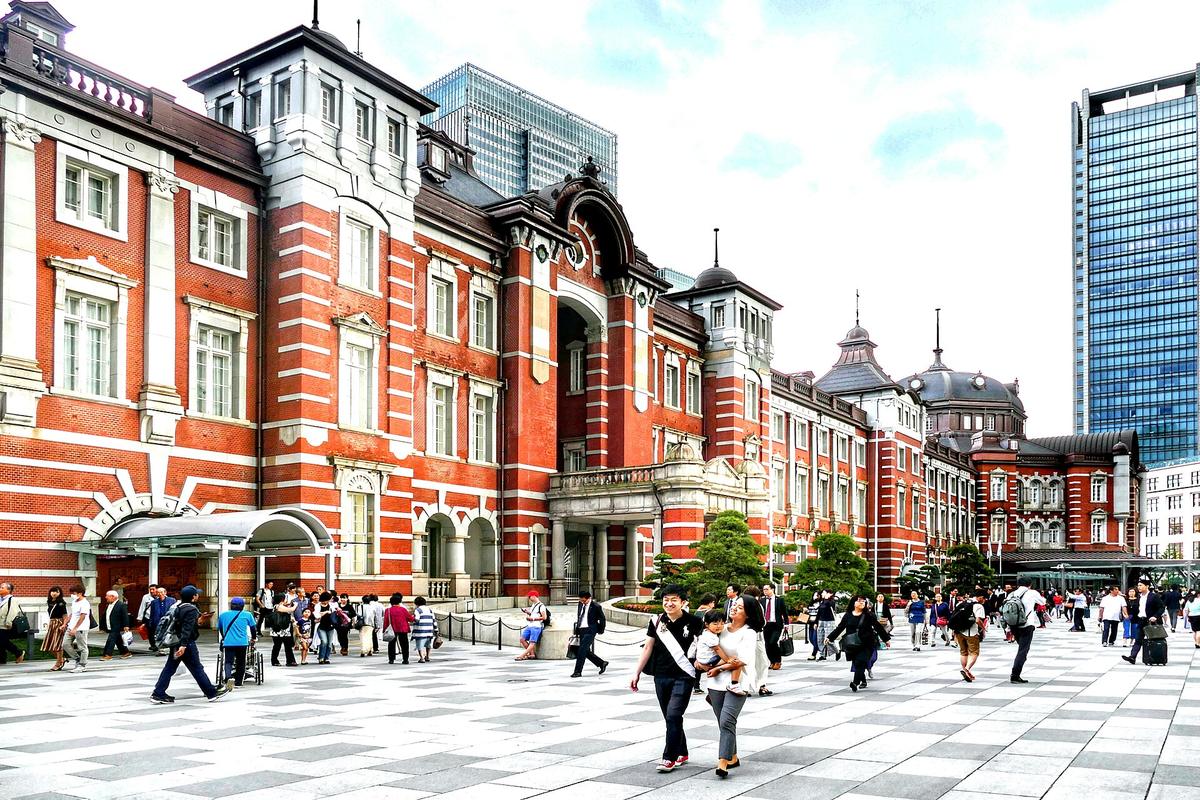
The district was built for this. Tokyo Station's red brick building, designed by Kingo Tatsuno and completed in 1914, anchors a neighbourhood that was never meant to be a nightlife hub. The Marunouchi side faces the Imperial Palace moat, not a festival street. The daytime population hovers around 300,000. The residential population is about 7,000. Those numbers reverse at night, which is exactly the point: the streets empty, the hotels absorb you, and the station stays open. You are not staying in Marunouchi for what happens after dinner. You are staying for what happens before breakfast, when you walk straight onto a train to Kyoto, Kanazawa, or Narita Airport.
The Station That Does the Work for You
Seven bullet-train lines serve Tokyo Station: the Tokaido, Sanyo, Tohoku, Joetsu, Hokuriku, Akita, and Yamagata. That single fact determines where you should sleep. If your itinerary involves any bullet-train departure before 09:00, staying in Marunouchi saves you a transfer and a surge of anxiety. The Narita Express goes direct from Tokyo Station to the airport in 53 to 70 minutes. The Haneda route via the Tokyo Monorail through Hamamatsucho runs 30 to 40 minutes. Compare that to a Shinjuku departure, where you add a baggage check, a platform change, and fifteen minutes of underground walking before you even board your first train.
The Underground Network You Should Exploit
The underground network connecting Tokyo Station to Otemachi, Nijubashimae, Yurakucho, Hibiya, and Ginza stations runs for several kilometres of pedestrian tunnels. The implementing body is the Otemachi Marunouchi Yurakucho District Town Management Association, and they have built something most visitors never fully exploit: you can walk from the Marunouchi Line platform to the bullet-train concourse without surfacing. That matters when it is raining, when you are dragging a suitcase, or when you have thirty minutes between trains and need to find the right departure board. The station's original three-storey building, restored in 2012 with its coffered ceiling and relief sculptures reconstructed from photographs and surviving fragments, looks like a proper station entrance. It functions like one too, which is not as common in Tokyo as you might assume.
What the Empty Streets Give You
Most Tokyo neighbourhoods demand your attention. Marunouchi lets you ignore it. The wide boulevards, particularly Naka-dori, run approximately 1.2 kilometres between Yurakucho and Otemachi, parallel to the JR tracks. On weekends and national holidays, the Otemachi Marunouchi Yurakucho District Town Management Association closes the street to vehicles between 12:00 and 17:00. The zelkova trees along the avenue create shade and a sense of separation from the rest of the city. Walk straight from your hotel to the Imperial Palace East Gardens, enter for free, and run the roughly 5-kilometre outer loop around the Babasaki Moat section. On peak days, about 10,000 runners use that circuit. On a quiet Tuesday morning, you might have it mostly to yourself.
The Rooftop You Use Because You Are Already There
The Kitte building, which opened as a commercial facility in 2013, occupies the original 1931 Tokyo Central Post Office designed by Tetsuro Yoshida. The rooftop garden on the 6th floor, called Kitte Garden, is free and open 11:00 to 23:00 Monday through Saturday, closing two hours earlier on Sunday and holidays. From there you look north across the station roof and south toward Ginza. It is not a landmark you travel across town to see. It is a landmark you use because you are already there, which is the whole argument for Marunouchi. The restaurants in the building and the surrounding blocks close by 23:00 on weekdays, earlier on weekends. That is a limitation if you want late-night ramen. It is a relief if you want a proper sleep before an early departure.
Ramen Street and the Depachika Counterargument
The underground floor of Tokyo Station contains Ramen Street, a corridor of eight shops. Tokyo-style abura soba, the brothless oily noodles finished with vinegar and chilli oil, is the move here. Skip the queues at the most famous stalls and walk to the end of the corridor where the wait is shorter. If you have a reservation at a Michelin-starred ramen shop like Nakiryu or Konjiki Hototogisu, those are worth the detour, but they are not in Marunouchi. Ramen Street is.
Eat Before the District Closes
The depachika, basement food halls, in the department stores near Tokyo Station offer a different kind of efficiency. Mitsukoshi Nihonbashi is a ten-minute walk north and its basement floor lets you assemble a dinner of single-portion sashimi, pickled vegetables, and a custard pudding without sitting in a restaurant. That solves the second problem of Marunouchi, which is that the hotel district empties out after 23:00. If you have a 21:00 departure out of town, buy your meal before you board. If you have a 06:00 departure, the convenience store egg salad sandwich and onigiri ritual is your reliable backup. The area has about 15 hotels within one kilometre of the station. Every one of them is there because of the trains.
.jpg)

Who Should Sleep Here and Who Should Not
Marunouchi suits the solo explorer who thrives on anonymity, arrives with a suitcase full of planning, and wants the train to be the star of the trip. It suits the food-obsessed traveller who books a specific ramen reservation in Kanda and needs to be back at the station by 21:30. It suits the efficiency nerd who wants to watch the departure board while finishing a coffee in the hotel lobby. It suits the repeat visitor who has already done Golden Gai and Shibuya Sky and now wants to move between cities without friction.
It does not suit the traveller who wants a compact, walkable old town with dirt-cheap street food and a hostel crowd. It does not suit the shoestring backpacker who needs a 2,000-yen dorm bed and a 7/11 meal every night. It does not suit anyone who finds underground mazes anxiety-inducing rather than energising. Marunouchi asks you to treat Tokyo as a logistics problem first and a discovery second. If that sounds like a reasonable trade-off, you have found your district.
Other areas in Tokyo
- Akihabara
- Asakusa
- Ebisu
- Futako-tamagawa
- Ginza
- Harajuku
- Ikebukuro
- Jimbocho
- Jiyugaoka
- Kagurazaka
- Kichijoji
- Kiyosumi-Shirakawa
- Koenji
- Kuramae
- Nakameguro
- Nakano
- Nihonbashi
- Ningyocho
- Odaiba
- Omotesando and Aoyama
- Roppongi
- Ryogoku
- Sangenjaya
- Shibamata
- Shibuya
- Shimokitazawa
- Shin-Okubo
- Shinagawa
- Shinjuku
- Sugamo
- Takadanobaba
- Todoroki
- Tsukiji
- Tsukishima
- Ueno
- Yanaka
- Yurakucho and Shinbashi
Common Questions
Why would I choose Marunouchi over Shinjuku for a bullet-train trip?
Shinjuku Station handles 3.5 million passengers daily. Tokyo Station handles around 450,000. Your chance of a confused transfer, a missed platform, or a crowded concourse is significantly lower in Marunouchi, and the Narita Express and all seven bullet-train lines depart from Tokyo Station, not Shinjuku. Staying in Marunouchi means you walk onto the train without a Yamanote loop transfer.
Is Marunouchi boring?
Yes, if boring means quiet streets after 23:00, no late-night bar scene, and a district that was built for office workers, not clubbers. That is the feature, not a bug. The neighbourhood serves travellers who value sleep and departure efficiency over neon. If you want 05:00 bar closures, stay in Shinjuku. If you want a direct bullet-train platform, stay in Marunouchi.
How many hotels are in the Marunouchi hotel district?
Approximately 15 hotels within one kilometre of Tokyo Station. That includes luxury properties like the Palace Hotel and the Shangri-La, as well as business hotel chains and a few mid-range options. The concentration is tight, which means most hotels are a five-minute walk from the bullet-train gates.
What is the underground network and do I need to use it?
Several kilometres of pedestrian tunnels connect Tokyo Station, Otemachi, Nijubashimae, Yurakucho, Hibiya, and Ginza stations. You can access JR East, JR Central, the Tokyo Metro Marunouchi, Tozai, Chiyoda, Hanzomon, and Toei Mita lines without going outside. Use it when it rains or when you have luggage. On clear days the surface walk is faster.
Can I walk to the Imperial Palace from Marunouchi?
Yes. The Imperial Palace East Gardens are a five-minute walk from Tokyo Station's Marunouchi exit. The outer loop around the Babasaki Moat section measures approximately 5 kilometres and is used by roughly 10,000 runners on peak days. Entry is free.
What is the Kitte building and why should I go?
Kitte is the former Tokyo Central Post Office, originally built in 1931 and reopened as a commercial facility in 2013. The 6th-floor rooftop garden is free and open 11:00 to 23:00 Monday through Saturday. It offers a direct view of Tokyo Station and the surrounding district. Go when you need a break from the underground tunnels.
Are there good restaurants in Marunouchi or do I need to go elsewhere?
Ramen Street in Tokyo Station has eight shops, including Tokyo-style abura soba. The majority of Marunouchi restaurants close by 23:00 on weekdays and earlier on weekends. For late-night eating, buy from a depachika basement food hall or a convenience store before 21:00. For high-end meals, the best tempura omakase is in Kanda and Asakusa, which are a short subway ride away.
Read next
-
 Tokyo Hotels by Type and Budget from Capsules to Luxury
Tokyo hotels organised by type and price band, from efficient capsule pods to full-service luxury towers, to help you book the right room.
Tokyo Hotels by Type and Budget from Capsules to Luxury
Tokyo hotels organised by type and price band, from efficient capsule pods to full-service luxury towers, to help you book the right room.
-
 Where to Stay in Tokyo by District and Travel Style
A comparison of Tokyo's major districts to help you choose the right base for your travel style, whether you want calm or chaos.
Where to Stay in Tokyo by District and Travel Style
A comparison of Tokyo's major districts to help you choose the right base for your travel style, whether you want calm or chaos.
-
 Narita or Haneda for Tokyo and What That Airport Choice Costs You
Narita or Haneda for Tokyo: compare door-to-district time, transfer cost, and what the wrong airport choice eats from your trip.
Narita or Haneda for Tokyo and What That Airport Choice Costs You
Narita or Haneda for Tokyo: compare door-to-district time, transfer cost, and what the wrong airport choice eats from your trip.
-
 Things to Do in Tokyo That Are Worth Your Limited Days
A curated list of Tokyo's highest-impact sights and experiences, from immersive art to quiet backstreets, to help you prioritise your days.
Things to Do in Tokyo That Are Worth Your Limited Days
A curated list of Tokyo's highest-impact sights and experiences, from immersive art to quiet backstreets, to help you prioritise your days.
-
 Best Time to Visit Tokyo Month by Month Tradeoffs
A month-by-month guide to visiting Tokyo, laying out the trade-off between weather, crowds, price, and what's actually open.
Best Time to Visit Tokyo Month by Month Tradeoffs
A month-by-month guide to visiting Tokyo, laying out the trade-off between weather, crowds, price, and what's actually open.
-
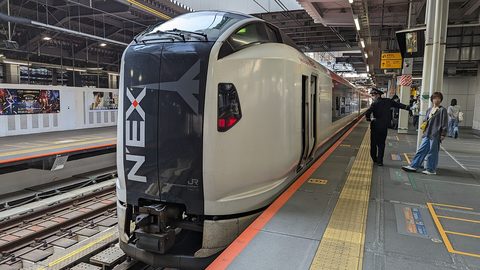 Getting Around Tokyo by Train Airport Transfers and IC Cards
A practical guide to Tokyo's rail network, covering airport transfers, IC cards, and how to avoid the station navigation mistakes that eat your day.
Getting Around Tokyo by Train Airport Transfers and IC Cards
A practical guide to Tokyo's rail network, covering airport transfers, IC cards, and how to avoid the station navigation mistakes that eat your day.
-
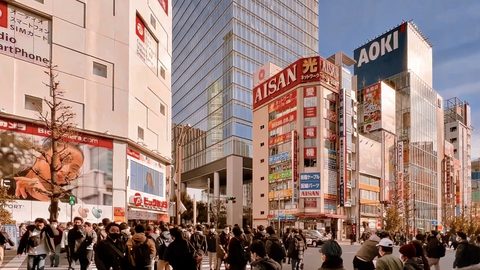 Akihabara
 Tokyo guide: electronics, anime, and arcades stacked floor by floor, from Radio Kaikan to the maid cafe touts.
Akihabara
Akihabara Tokyo guide: electronics, anime, and arcades stacked floor by floor, from Radio Kaikan to the maid cafe touts.
-
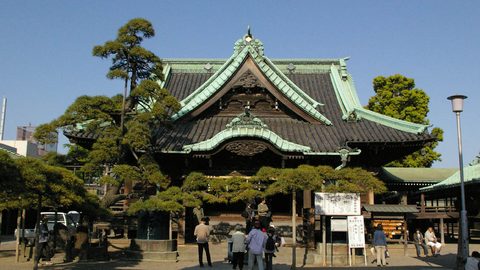 Shibamata
 preserves a 1950s Tokyo on its temple approach street, forever tied to the Tora-san film series and best visited for unagi and old-school snacks.
Shibamata
Shibamata preserves a 1950s Tokyo on its temple approach street, forever tied to the Tora-san film series and best visited for unagi and old-school snacks.
-
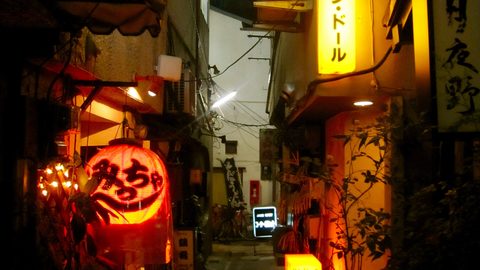 Kagurazaka
 layers French bistros and cobbled pedestrian lanes over a working geisha quarter, creating Tokyo's most atmospheric hillside neighbourhood.
Kagurazaka
Kagurazaka layers French bistros and cobbled pedestrian lanes over a working geisha quarter, creating Tokyo's most atmospheric hillside neighbourhood.