A Guide to Tokyo Hotel Types and Price Bands
Tokyo hotels organised by type and price band, from efficient capsule pods to full-service luxury towers, to help you book the right room.
Capsules, Business Hotels, Luxury Towers, and Ryokan
You land at Narita, spend 70 minutes on the Keisei Skyliner, step out of Ueno Station, and the first thing you notice is not the neon. It is the silence of a backstreet three steps off the main road, the smell of grilled eel from a place that seats eight, and the quiet hum of a vending machine. Tokyo does not present itself in a single establishing shot. It reveals itself in layers, and where you sleep determines which layers you see.
The trap most first-time visitors fall into is choosing by district before they understand what the room itself costs in square metres and convenience. A capsule pod in Shinjuku gets you a 2 cubic metre sleeping chamber and 15 minutes from the station platforms. A standard hotel in the same area gets you 14 square metres of your own space, a unit bath, and a desk, but you still check out at 10:00 sharp. A luxury tower in the same price universe as a ryokan gets you a 40 square metre room with a marble bathroom, but you lose the tatami, the kaiseki dinner, and the silence of a Kagurazaka alley.
Organising your choices by property type and price band, not by neighbourhood, reveals what each category actually delivers in square metres, what time you must be out of the room, and where the trade-off hurts most.
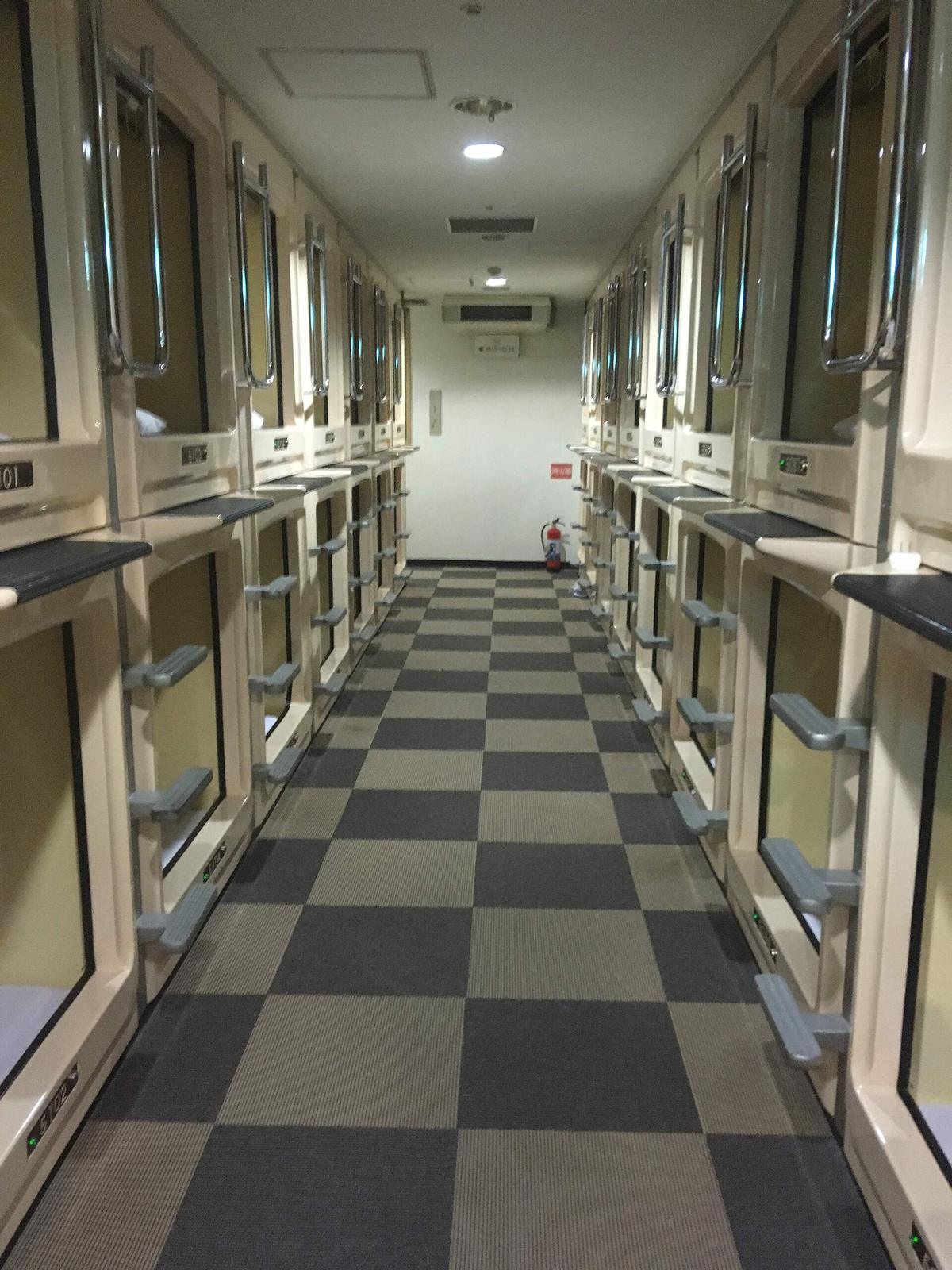

Capsule Hotels: Solitude Without a Door
What You Get, What You Don't
A capsule hotel gives you a sleeping pod measuring 2.0 by 1.0 by 1.0 metres. You get a mattress, a pillow, a duvet, a reading light, a power outlet, Wi-Fi, and a locker for your valuables. You do not get a door that locks. You do not get privacy for changing. You use shared gender-separated bathing facilities and lounge wear provided by the hotel.
The price band runs from ¥2,500 to ¥5,000 per night. That is the lowest cost for a personal sleeping space in Tokyo. But the catch is the daily process. Most capsule hotels require you to check out by 10:00 each morning and re-check in after 15:00 to 17:00. Some properties allow multi-night guests to stay through the day. Verify this before booking. If you plan to sleep late or nap mid-afternoon, a capsule will frustrate you.
Who Should Book
Book a capsule if you are a solo traveller who plans to be out from 08:00 until 23:00, whose luggage is minimal, and who values location above all else. The downsides are not minor. You cannot store a suitcase larger than cabin size in most lockers. You cannot make a phone call inside your pod. And if you are claustrophobic, this is not an experiment to try.
Business Hotels: the Default Choice Has Rules
The Standard Deal
The business hotel is the workhorse of Tokyo accommodation. Room size runs from 12 to 16 square metres. Price band runs from ¥7,000 to ¥15,000 per night. Check in at 15:00. Check out at 10:00. You get a desk, an ensuite unit bath, a TV, a mini fridge, Wi-Fi, and pajamas. That is the standard kit. Nothing more, nothing less.
The trade-off is in the timing. A 10:00 checkout is punishing if you planned a late start. You can pay for a late checkout, but the fee may run ¥1,000 to ¥3,000 per hour. The alternative: use the free luggage storage after checkout and pick it up before you head to your next stop.
The Unit Bath Warning
The unit bath deserves a warning. The shower is inside a plastic module that also contains the toilet. The tub is shallow. The space is tight. If you need a proper soak after a day of walking, book a hotel with a sento-style public bath or upgrade to a luxury property.
These hotels cluster around every major station. You pay a premium for Shinjuku or Shibuya locations. You pay less in Ueno or Asakusa, and the room size may be the same. The lowest rates in this band still deliver a personal bathroom and a reliable bed. That is the core value.
| Type | Typical Room Size | Price Range Per Night | Check In / Out |
|---|---|---|---|
| Capsule Hotel | 2 m² (pod) | ¥2,500 - ¥5,000 | 15:00-17:00 / 10:00 |
| Hostel Dormitory | 8-15 m² (4-8 beds) | ¥2,000 - ¥4,500 (bed) | 15:00-16:00 / 10:00 |
| Hostel Private Room | 6-10 m² | ¥6,000 - ¥12,000 | 15:00-16:00 / 10:00 |
| Business Hotel | 12-16 m² | ¥7,000 - ¥15,000 | 15:00 / 10:00 |
| Apartment Hotel | 25-40 m² | ¥12,000 - ¥30,000 | 15:00-16:00 / 10:00-11:00 |
| Ryokan | 16-33 m² (10-20 tatami) | ¥15,000 - ¥60,000 per person | 15:00 / 10:00 |
| Luxury Tower Hotel | 35-60 m² (standard) | ¥50,000 - ¥200,000+ | 15:00 / 12:00 |
Apartment Hotels, Hostels, Ryokan, and Luxury Towers: the Four Remaining Options
Apartment Hotels: Space To Spread Out
An apartment hotel gives you 25 to 40 square metres in a studio or one-bedroom layout. Price band runs from ¥12,000 to ¥30,000 per night. You get a kitchenette with an IH hob, microwave, sink, and fridge, plus a washing machine, separate bathroom and toilet, a dining table, Wi-Fi, and sometimes a balcony. Check in at 15:00 to 16:00. Check out at 10:00 to 11:00.
This type suits you if you plan to cook some meals, do laundry mid-trip, or need a separate living area for work. The downside is location. Apartment hotels are a 5 to 12 minute walk from the nearest station, not the 1 minute that a business hotel offers. The trade-off is space for proximity. If you are staying 7 days or more, the extra 15 square metres and the washing machine justify the walk.
Hostels: Budget Private Rooms Exist
A hostel dormitory bed runs ¥2,000 to ¥4,500 per night. A private room runs ¥6,000 to ¥12,000 per night. Dormitories measure 8 to 15 square metres with 4 to 8 beds. Private rooms measure 6 to 10 square metres. You share a bathroom and kitchen. You get a reading light and power outlet per bed, plus luggage storage before and after your stay.
The danger in Tokyo is equating hostel price with hostel quality. Some hostels have capsule-style bunks with privacy curtains that rival a pod. Others have thin mattresses and no common space worth using. Read recent reviews for room size and noise. The private room option at ¥6,000 to ¥12,000 undercuts the business hotel on price, but you lose the personal bathroom and gain a shared kitchen. That trade works well for solo travellers who eat convenience store breakfasts.
Ryokan: The Full Experience Demands Full Price
A ryokan charges ¥15,000 to ¥60,000 per person per night with two meals included. That is per person, not per room. A couple paying ¥30,000 per person pays ¥60,000 total. You get a tatami-floored room with futon bedding, a yukata robe, a low table, shoji screens, a tokonoma alcove, and access to a communal or personal onsen bath. The standard rate includes a kaiseki dinner and a Japanese breakfast.
The number one mistake is treating a ryokan as just a hotel room. It is not. The schedule governs your evening. Dinner is served at a fixed time, usually 18:00 or 19:00. You eat for 90 minutes. You cannot wander out to a late-night ramen shop without missing a course. The futon is laid out while you eat. You sleep on the floor. If you have back problems or mobility issues, request a tatami room with beds instead of futon.
Ryokan are not common in central Tokyo. Kagurazaka, Asakusa, and Ueno hold the best clusters. Book 3 months ahead for peak autumn foliage season in late November.
Luxury Tower Hotels: You Pay For The View And The Exit
A standard room in a luxury tower hotel starts at 35 square metres and runs ¥50,000 to ¥200,000+ per night. Suites go up to 250 square metres. You get a concierge, multiple restaurants and bars, a fitness centre, swimming pool, spa, 24-hour room service, city-view windows, turndown service, a minibar, and a marble bathroom with separate tub and shower. Check in at 15:00. Check out at 12:00. That extra two hours over a business hotel matters.
The trade-off is location versus atmosphere. Most luxury hotels sit in Marunouchi, Ginza, or Roppongi. They offer proximity to commercial districts and high-end shopping, not to the chaos of Shinjuku or the vintage shops of Shimokitazawa. If you want to step out your door and be in the scramble of Shibuya, a luxury hotel in that district will cost a premium and your view may be a construction crane. Tokyo builds vertically and constantly.
Common Questions
What is the luggage storage policy at each hotel type?
Almost all accommodation types offer free luggage storage before check-in and after check-out. Business hotels, hostels, apartment hotels, and luxury hotels provide this free of charge. Capsule hotels may charge a fee for pre-check-in storage. Overnight storage after checkout may incur a fee at any type. The safe alternative is to use takkyubin luggage forwarding from your hotel to your next destination, costing ¥1,500 to ¥2,500 per suitcase for next-day delivery within Tokyo.
Should I book a capsule hotel for a full week?
No. Capsule hotels require most guests to check out and re-check in daily, usually between 10:00 and 15:00. You cannot store large luggage in the locker. For a full week, book a business hotel or apartment hotel where you can leave your belongings in the room for the duration.
What is the cheapest private room option in Tokyo?
A hostel private room at ¥6,000 to ¥12,000 per night is the cheapest option with a door you can close, but you share the bathroom and kitchen. A business hotel room at ¥7,000 to ¥15,000 gives you a personal bathroom. The business hotel wins on privacy. The hostel wins on kitchen access and social space.
Can I stay at a ryokan on a budget?
The lowest ryokan rates run around ¥15,000 per person per night including two meals. That is ¥30,000 per couple. At that price, the room size is closer to 16 square metres and the onsen may be communal rather than private. Budget ryokan are rare in central Tokyo. Asakusa and Kagurazaka offer the best value. Book 3 months ahead.
Do luxury hotels in Tokyo include breakfast?
Standard rates at luxury tower hotels do not always include breakfast. Confirm on the booking page. When breakfast is included, it is a buffet at ¥3,000 to ¥6,000 per person value. The Japanese breakfast option is superior to the Western buffet. If breakfast is not included, skip it and eat at a depachika basement food hall or a convenience store for ¥500 to ¥1,000.
What is the typical check out time for a business hotel?
10:00. This is standard across most business hotels in Tokyo. Late checkout to 12:00 may cost ¥1,000 to ¥3,000 per hour. If you have a late flight, use the free luggage storage after checkout or forward your bags via takkyubin to the airport for ¥2,000 to ¥3,000 per suitcase.
Is an apartment hotel worth the extra cost over a business hotel?
Yes, if you stay 5 nights or more. The washing machine alone saves you from packing extra clothes. The kitchenette lets you cook breakfast and save ¥1,000 per day on convenience store meals. The downside is location. Apartment hotels are 5 to 12 minutes from the station. Business hotels are 1 to 3 minutes away.
Read next
-
 Where to Stay in Tokyo by District and Travel Style
A comparison of Tokyo's major districts to help you choose the right base for your travel style, whether you want calm or chaos.
Where to Stay in Tokyo by District and Travel Style
A comparison of Tokyo's major districts to help you choose the right base for your travel style, whether you want calm or chaos.
-
 Narita or Haneda for Tokyo and What That Airport Choice Costs You
Narita or Haneda for Tokyo: compare door-to-district time, transfer cost, and what the wrong airport choice eats from your trip.
Narita or Haneda for Tokyo and What That Airport Choice Costs You
Narita or Haneda for Tokyo: compare door-to-district time, transfer cost, and what the wrong airport choice eats from your trip.
-
 Things to Do in Tokyo That Are Worth Your Limited Days
A curated list of Tokyo's highest-impact sights and experiences, from immersive art to quiet backstreets, to help you prioritise your days.
Things to Do in Tokyo That Are Worth Your Limited Days
A curated list of Tokyo's highest-impact sights and experiences, from immersive art to quiet backstreets, to help you prioritise your days.
-
 Best Time to Visit Tokyo Month by Month Tradeoffs
A month-by-month guide to visiting Tokyo, laying out the trade-off between weather, crowds, price, and what's actually open.
Best Time to Visit Tokyo Month by Month Tradeoffs
A month-by-month guide to visiting Tokyo, laying out the trade-off between weather, crowds, price, and what's actually open.
-
 Getting Around Tokyo by Train Airport Transfers and IC Cards
A practical guide to Tokyo's rail network, covering airport transfers, IC cards, and how to avoid the station navigation mistakes that eat your day.
Getting Around Tokyo by Train Airport Transfers and IC Cards
A practical guide to Tokyo's rail network, covering airport transfers, IC cards, and how to avoid the station navigation mistakes that eat your day.
-
 Tokyo Itinerary That Clusters Districts Instead of Chasing Sights
A 5-day Tokyo plan that clusters two districts per day and deliberately skips the checklist to preserve neighbourhood rhythm.
Tokyo Itinerary That Clusters Districts Instead of Chasing Sights
A 5-day Tokyo plan that clusters two districts per day and deliberately skips the checklist to preserve neighbourhood rhythm.
-
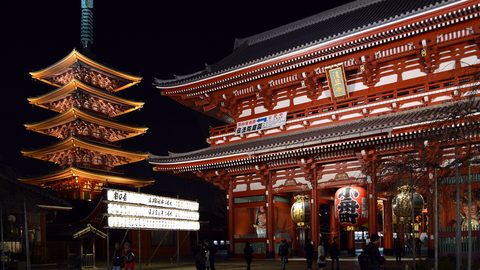 Senso-ji
 is free and never closes, but the experience at 6am with empty Nakamise stalls is nothing like the 11am crush under Kaminarimon. Here is when to go and what you get at each hour.
Senso-ji
Senso-ji is free and never closes, but the experience at 6am with empty Nakamise stalls is nothing like the 11am crush under Kaminarimon. Here is when to go and what you get at each hour.
-
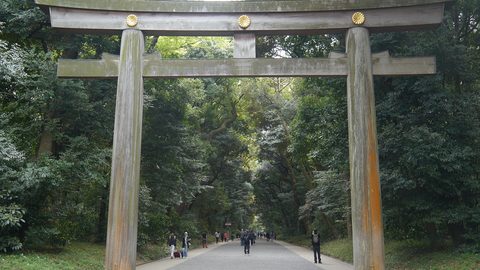 Meiji Jingu
The Meiji Jingu visit changes completely depending on which torii gate you enter. One drops you from Harajuku noise into sudden forest, the other builds quiet slowly from Yoyogi.
Meiji Jingu
The Meiji Jingu visit changes completely depending on which torii gate you enter. One drops you from Harajuku noise into sudden forest, the other builds quiet slowly from Yoyogi.
-
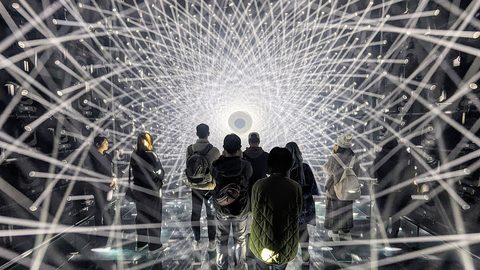 teamLab
 Borderless and Planets are two different Tokyo venues with separate booking systems. Borderless tickets at Azabudai Hills sell in timed slots and the maze has no fixed route.
teamLab
teamLab Borderless and Planets are two different Tokyo venues with separate booking systems. Borderless tickets at Azabudai Hills sell in timed slots and the maze has no fixed route.