When to Visit Tokyo and What Each Month Costs You
A month-by-month guide to visiting Tokyo, laying out the trade-off between weather, crowds, price, and what's actually open.
Tokyo’s Seasons and What Each Month Costs You
Step out of Ueno Station at 07:30 on a Tuesday in January. The air is 10°C. You can see your breath. The park is almost empty. By 08:00 you stand alone in front of the first blossoms of the year, but they are plum, not cherry, and you know the difference because plum blooms in winter while cherry waits for spring. That is the kind of misstep a little seasonal knowledge prevents.
Pick your month based on your tolerance for three things: crowds, heat, and paying double for a hotel room. There is no perfect month. Every period trades one advantage for a specific pain. Below is a month-by-month breakdown with the numbers you need to decide which pain you can live with.
_-_%E6%96%B0%E5%AE%BF%E5%BE%A1%E8%8B%91%E3%81%AE%E6%A1%9C_-_panoramio.jpg)
January: Cold Streets and Restaurants Shut
High 10°C, low 3°C, 52 mm of rain. This is the coldest month but also the driest. Book the second week of January. It is the quietest week for tourism all year. Walk through Meiji Jingu without shoulder-to-shoulder crowds. Get a seat at Nakiryu without a 90-minute wait.
The failure case: December 29 through January 3 is the New Year closure window. Many independent restaurants and shops shut. Budget for convenience store meals. Do not treat this as a downgrade. Tokyo konbini egg salad sandwiches are a deliberate ritual. Just know it is coming. Average first snowfall is January 2. Expect 5 snow days across the month. Trains run, but street navigation gets slippery.
The trade-off: solitude and low prices versus a city that is partially closed and cold enough that outdoor eating loses its appeal.
February: the Last Cheap Window
High 11°C, low 3°C, 56 mm of rain. Book the last week of February. It is the other quiet tourism window. Hotel rates drop. You can book a Ginza hotel for what a Shinjuku capsule costs in April. Head to Yushima Tenjin shrine mid-month for the plum blossoms. They are not the famous pink canopy, but they draw almost no crowds.
The trade-off: still cold, still some restaurant closures from the New Year hangover, but you get the city to yourself at the lowest prices of the year.
| Month | High / Low | Rainfall | Crowd Level | Key Trade-Off |
|---|---|---|---|---|
| Jan | 10°C / 3°C | 52 mm | Very Low (except New Year week) | Cold and quiet; many restaurants closed Dec 29–Jan 3 |
| Feb | 11°C / 3°C | 56 mm | Very Low | Cold and cheap; last quiet window before spring |
| Mar | 14°C / 6°C | 118 mm | Moderate rising to High | Cherry first bloom March 24; rain doubles month-on-month |
| Apr | 19°C / 11°C | 125 mm | Very High | Peak blossom full bloom March 31 to April 8; premium hotel rates |
| May | 23°C / 16°C | 138 mm | Very High (Golden Week) | Golden Week Apr 29–May 5 is domestic gridlock; avoid if possible |
| Jun | 26°C / 19°C | 168 mm | Low | Rainy season starts June 7; cheapest shoulder month for hotels |
| Jul | 30°C / 23°C | 154 mm | Moderate | Rainy season ends July 20; 76% humidity begins; Obon travel mid-August approaches |
| Aug | 31°C / 24°C | 168 mm | Very High (Obon) | Humidity peaks at 73%; typhoon season begins; avoid mid-August |
| Sep | 27°C / 21°C | 210 mm | Low to Moderate | Wettest month; typhoon risk; lowest crowds of autumn |
| Oct | 22°C / 15°C | 198 mm | Moderate | Still rainy early; crowds rise as weather improves late month |
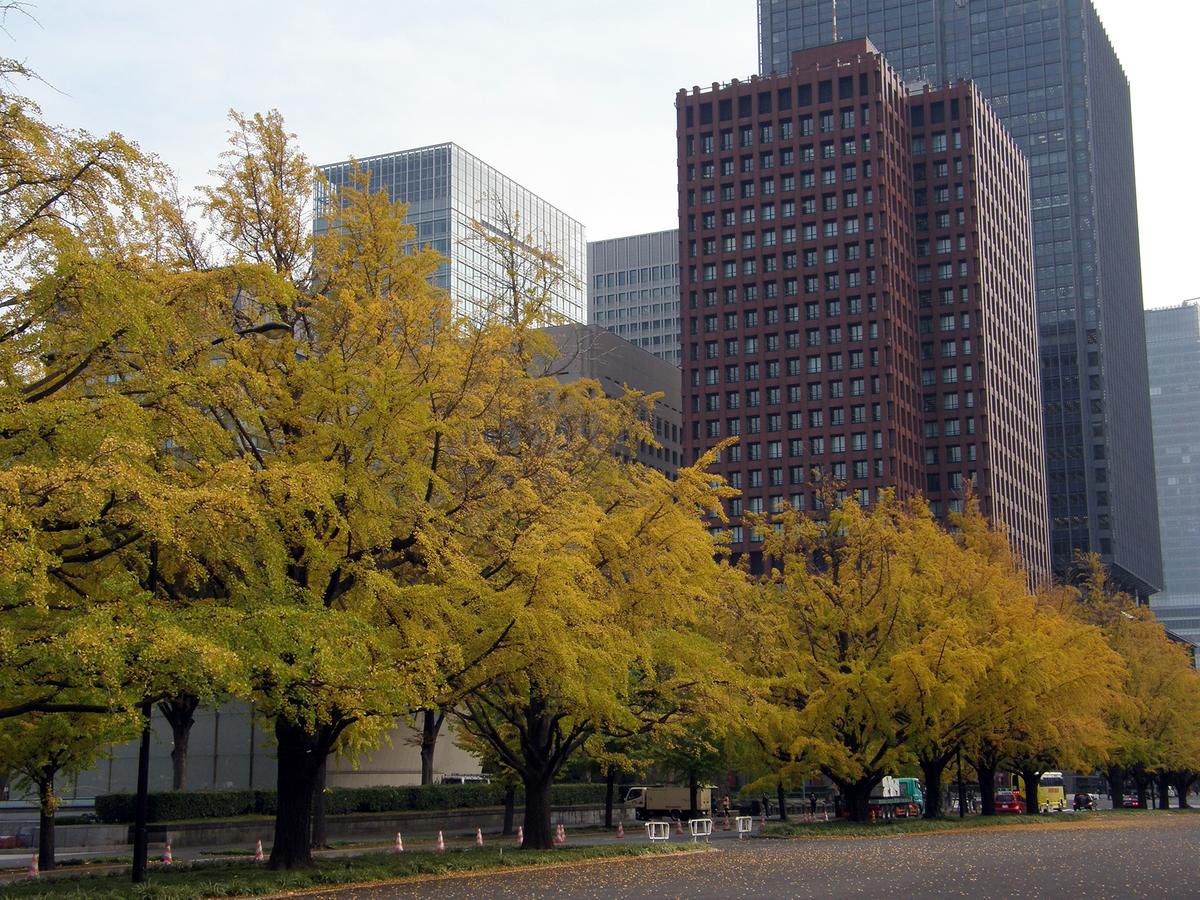
| Nov | 17°C / 10°C | 93 mm | Very High | Autumn foliage peak for ginkgo mid-Nov, maple late Nov; premium rates return |
| Dec | 12°C / 5°C | 51 mm | Very Low (except New Year week) | Driest month; cold but clear; closures Dec 29–Jan 3 |

Avoid Windows You Should Plan Around
Golden Week and Obon
Three periods wreck the trip. Golden Week runs April 29 to May 5. Every Japanese person travels. Trains sell out. Shibuya Scramble has no gap between bodies. Hotels charge peak rates. If you arrive then, treat it as a write-off for any calm experience.
Mid August, the Obon holiday period, brings similar domestic travel pressure but adds 73% humidity and 31°C heat. You will sweat through your clothes before 09:00. The third avoid window is December 29 to January 3. The city does not shut down, but your researched restaurant list does. Every third door has a closed sign. Budget for the konbini.
What You Get In The Rainy Season
Tsuyu, the rainy season, starts June 7 and ends around July 20. June gets 168 mm of rain and July gets 154 mm. Book this window for the cheapest hotels outside the avoid periods. Carry an umbrella everywhere. The advantage: no crowds. Buy teamLab Borderless tickets the day before. Walk through Rikugien garden in the mist with ten other people. The failure case: standing in a downpour trying to find the entrance to the Nezu Museum because Google Maps does not handle vertical navigation in a multi-floor shopping complex. Carry a pocket umbrella, not a folding one.
The Two Best Months to Visit Tokyo and Their Real Cost
Cherry Blossom or Autumn Foliage
Pick one pair: October and November or March and April. Accept the trade-off of the other.
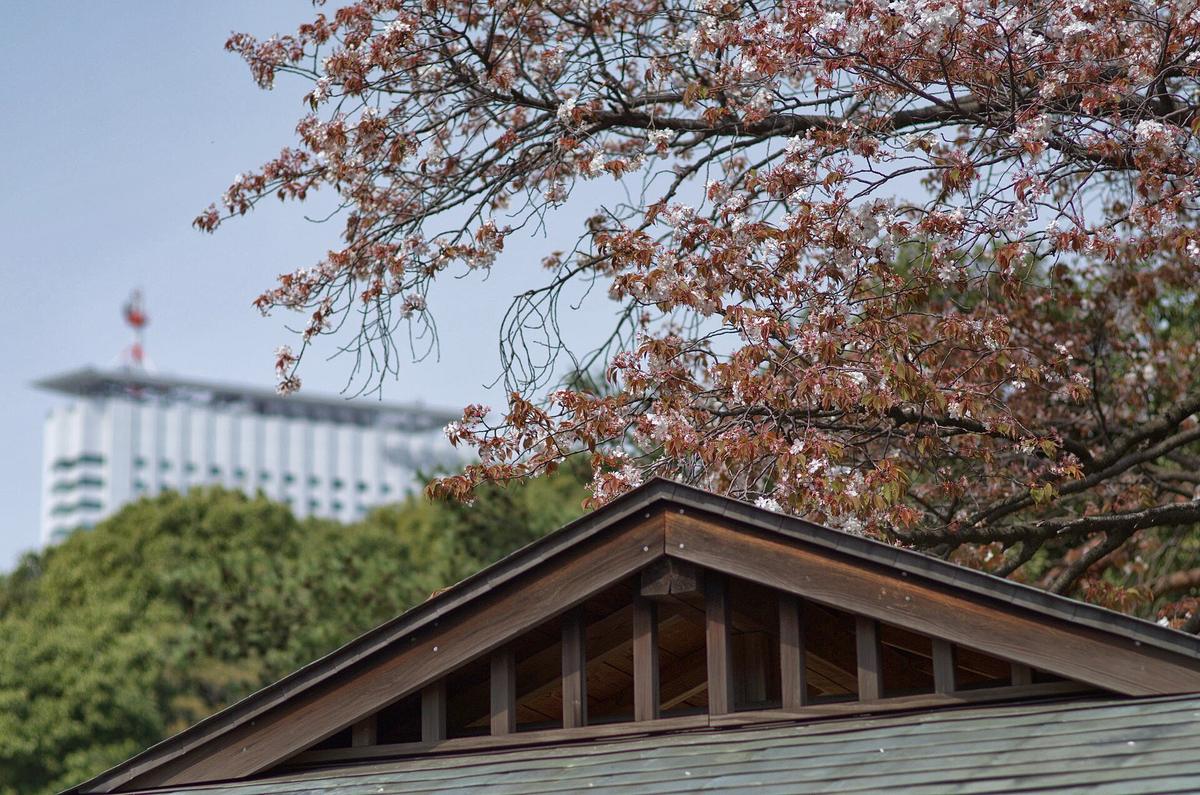
Late March through early April gives you cherry blossoms, 19°C days, and a city that looks like the brochure. It costs you packed parks, premium hotel rates, and fully booked restaurants. Reserve Nakiryu or Butagumi three weeks in advance. The Shibuya Scramble viewing deck at Magnet has a queue even on a Tuesday morning.
Late October through November gives you 17°C to 22°C days, autumn foliage that is spectacular at Rikugien and Shinjuku Gyoen, and similar peak pricing. Maple foliage peaks late November to mid December. The trade-off is rain. October gets 198 mm. November drops to 93 mm. You exchange humidity for dryness but pay the same hotel premium.
Who Tokyo’s Best Seasons Suit and Who They Don’t
These months suit solo explorers who can pivot plans when rain hits. They suit food-obsessed travellers who will build a trip around a single tonkatsu lunch at Butagumi or a depachika grazing session at Isetan Shinjuku. They suit repeat visitors who already saw the big sights and want to feel the rhythm of a single district over five days.
They do not suit travellers who want a compact, walkable old town. Tokyo has none. They do not suit backpackers looking for cheap hostels and dirt cheap street food. Tokyo is not cheap for anyone. They do not suit people who find crowds and underground station mazes anxiety inducing. Shibuya station alone has 12 exits and three company ticket gates. Exiting the wrong one invalidates your transfer ticket and forces a fare recalculation at a staffed window. That happens once. After that, buy a Suica and add it to your phone wallet.
Common Questions
What is the absolute cheapest month to visit Tokyo?
February, followed by January. The last week of February is the quietest tourism period of the year. Hotel rates drop 30 to 50 percent compared to April. You trade warmth for savings; high is 11°C.
When do cherry blossoms actually bloom in Tokyo?
Average first bloom for Somei Yoshino is March 24. Full bloom averages March 31. Since 2000 the full bloom window has ranged from March 21 to April 8. Peak season runs from late March to early April and is the most expensive time of year.
Is autumn worth the higher prices?
Yes if you want foliage. Ginkgo peaks mid November to early December. Maple peaks late November to mid December. Late November is the second peak season. Hotels cost the same as April. Book restaurants weeks ahead.
Can I visit during Golden Week or Obon?
You can, but do not expect a normal trip. Golden Week April 29 to May 5 and Obon mid August bring domestic travel chaos. Trains are full, attractions are packed, and humidity in August is 73 percent. If you have flexibility, pick another week.
How bad is typhoon season?
August through October. Tokyo experiences 2 to 3 typhoons within 300 km per year. Plan cancellations into your schedule if you travel in September, the wettest month at 210 mm of rain. Carry a backup indoor plan for at least one day.
Read next
-
 Tokyo Hotels by Type and Budget from Capsules to Luxury
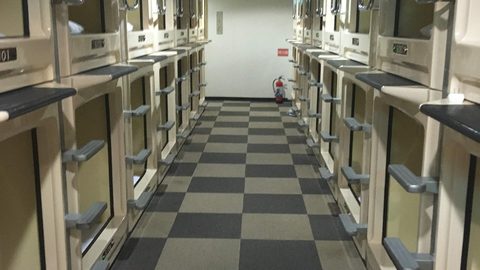
Tokyo hotels organised by type and price band, from efficient capsule pods to full-service luxury towers, to help you book the right room.
Tokyo Hotels by Type and Budget from Capsules to Luxury
Tokyo hotels organised by type and price band, from efficient capsule pods to full-service luxury towers, to help you book the right room.
-
 Where to Stay in Tokyo by District and Travel Style
A comparison of Tokyo's major districts to help you choose the right base for your travel style, whether you want calm or chaos.
Where to Stay in Tokyo by District and Travel Style
A comparison of Tokyo's major districts to help you choose the right base for your travel style, whether you want calm or chaos.
-
 Narita or Haneda for Tokyo and What That Airport Choice Costs You
Narita or Haneda for Tokyo: compare door-to-district time, transfer cost, and what the wrong airport choice eats from your trip.
Narita or Haneda for Tokyo and What That Airport Choice Costs You
Narita or Haneda for Tokyo: compare door-to-district time, transfer cost, and what the wrong airport choice eats from your trip.
-
 Things to Do in Tokyo That Are Worth Your Limited Days
A curated list of Tokyo's highest-impact sights and experiences, from immersive art to quiet backstreets, to help you prioritise your days.
Things to Do in Tokyo That Are Worth Your Limited Days
A curated list of Tokyo's highest-impact sights and experiences, from immersive art to quiet backstreets, to help you prioritise your days.
-
 Getting Around Tokyo by Train Airport Transfers and IC Cards
A practical guide to Tokyo's rail network, covering airport transfers, IC cards, and how to avoid the station navigation mistakes that eat your day.
Getting Around Tokyo by Train Airport Transfers and IC Cards
A practical guide to Tokyo's rail network, covering airport transfers, IC cards, and how to avoid the station navigation mistakes that eat your day.
-
 Tokyo Itinerary That Clusters Districts Instead of Chasing Sights
A 5-day Tokyo plan that clusters two districts per day and deliberately skips the checklist to preserve neighbourhood rhythm.
Tokyo Itinerary That Clusters Districts Instead of Chasing Sights
A 5-day Tokyo plan that clusters two districts per day and deliberately skips the checklist to preserve neighbourhood rhythm.
-
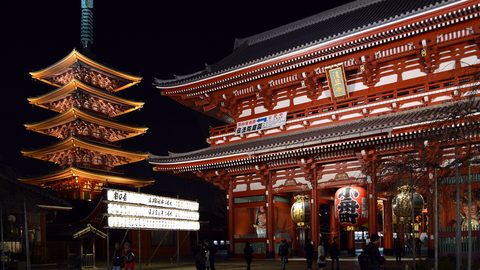 Senso-ji
 is free and never closes, but the experience at 6am with empty Nakamise stalls is nothing like the 11am crush under Kaminarimon. Here is when to go and what you get at each hour.
Senso-ji
Senso-ji is free and never closes, but the experience at 6am with empty Nakamise stalls is nothing like the 11am crush under Kaminarimon. Here is when to go and what you get at each hour.
-
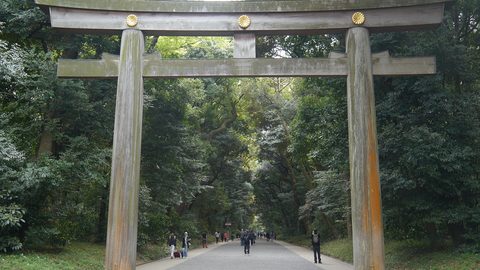 Meiji Jingu
The Meiji Jingu visit changes completely depending on which torii gate you enter. One drops you from Harajuku noise into sudden forest, the other builds quiet slowly from Yoyogi.
Meiji Jingu
The Meiji Jingu visit changes completely depending on which torii gate you enter. One drops you from Harajuku noise into sudden forest, the other builds quiet slowly from Yoyogi.
-
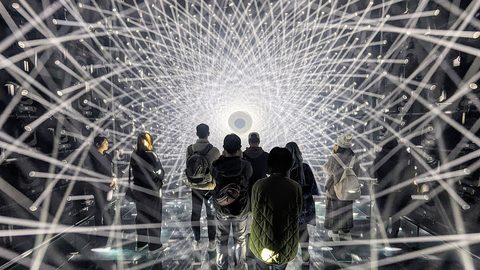 teamLab
 Borderless and Planets are two different Tokyo venues with separate booking systems. Borderless tickets at Azabudai Hills sell in timed slots and the maze has no fixed route.
teamLab
teamLab Borderless and Planets are two different Tokyo venues with separate booking systems. Borderless tickets at Azabudai Hills sell in timed slots and the maze has no fixed route.