The Best Tokyo Sights and Experiences to Prioritise
A curated list of Tokyo's highest-impact sights and experiences, from immersive art to quiet backstreets, to help you prioritise your days.
Most visitors to Tokyo spend their first two days rushing between Shibuya, Shinjuku, Harajuku, Asakusa, Akihabara, and Roppongi, then leave convinced the city is just a louder, denser version of every other metropolis. They missed the point. Tokyo is not a collection of bucket-list dots on a map. It is a federation of villages, each with its own rhythm, and the real cost is not the train fare: it is the time lost navigating stations that cover four blocks underground and exit through the wrong gate. Your Suica card works. Your patience for multi-transfer zigzags does not. The discipline a good Tokyo itinerary demands is simple: pick two districts per day, commit to them, and let the rest go.
Design and Architecture: the Sights That Justify the Jet Lag
Start High for Free
The best single free view in Tokyo is not from the Skytree. It is from the Tokyo Metropolitan Government Building observation deck, admission free, open until 23:00, and accessible with no booking. The south deck closes the second and fourth Monday each month; the north deck closes the first and third Tuesday. Plan around that. The reason this wins over Skytree and Shibuya Sky is not the height: it is that you can arrive at 09:30 on a weekday, walk straight to the elevator, and stand alone at the glass. Skytree costs money, demands queuing, and the view is mostly more Tokyo. The Government Building gives you the same city minus the friction.
Meiji Jingu demands a different kind of patience. Admission is free. Hours run sunrise to sunset, roughly 05:00 to 18:00 depending on the month. The approach through the forested torii gate takes fifteen minutes of walking on gravel in near silence. That walk is the point. The shrine itself is a dark wooden structure that rewards quiet observation, not photography. Go at 07:00 on a weekday before the tour buses arrive, and you will understand why Tokyo retains a sense of ritual in a city of 14 million. Arrive at 11:00 on a Saturday and you will fight selfie sticks. Your choice.
The Digital and the Timeless
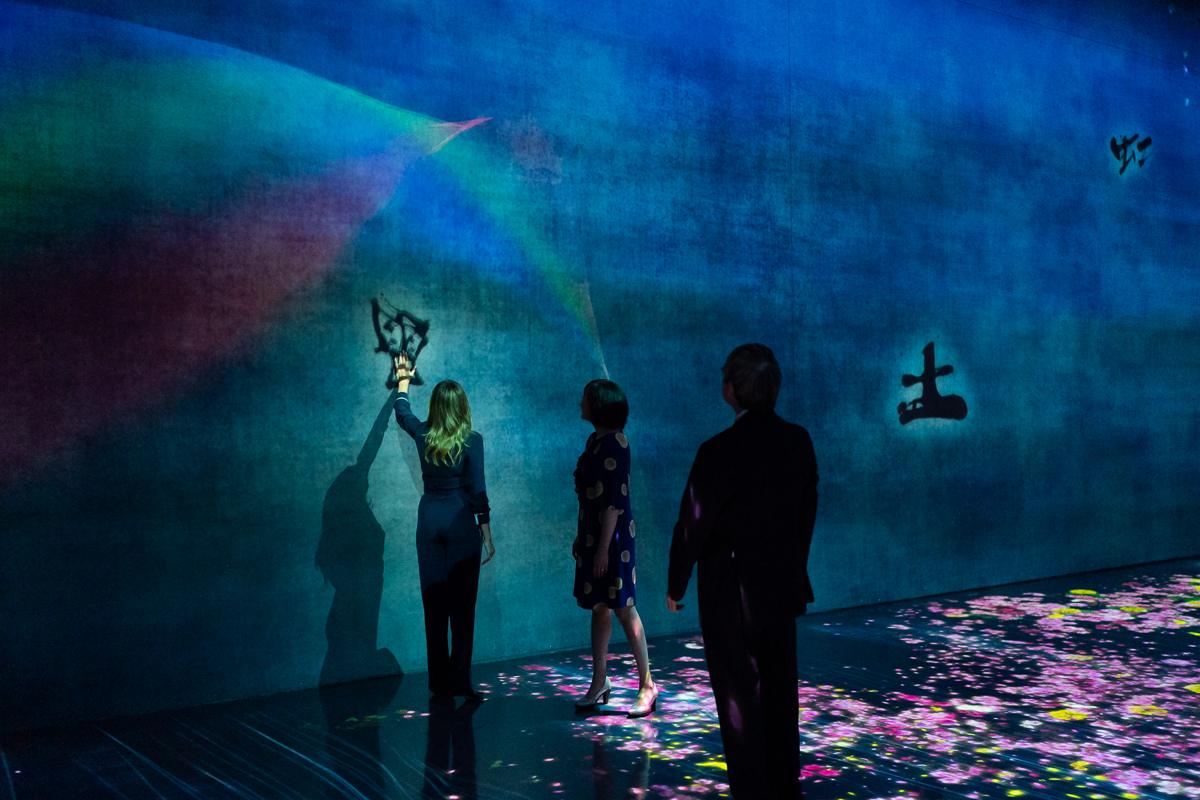
teamLab Borderless requires advance booking two to four weeks ahead, and it sells out. teamLab Planets sells out one to three weeks ahead. You need to decide which one to commit to, because doing both in a single trip is a scheduling nightmare. Borderless is the larger, more disorienting maze of projections and mirrors; Planets is shorter, more tactile, and involves walking through water. Both are worth your time, but only one per trip. Book the one that matches your tolerance for crowds. Borderless feels like a nightclub stripped of the music. Planets feels like a science museum curated by a poet.
If you want the precision of Japanese design and despise queues, skip Shibuya Sky's sunset slot, which sells out two to three weeks ahead, and instead visit the Nezu Museum. Admission costs the price of a coffee. The private collection of pre-modern art is fine. The bamboo garden and teahouse are the real draw. This is a place you sit, not a place you scroll through.
.jpg)
Food: Where to Spend Your Meals and Where to Walk Past
Eat Like a Local, Fast
Tokyo is not a city where you eat on the go. It is a city where you walk past seven restaurants to find the eighth one you reserved six weeks ago. The depachika of Isetan Shinjuku and Mitsukoshi Nihonbashi are the exception: free-sample hours peak between 17:00 and 19:00, and you can assemble a dinner of high-end sushi, pickled vegetables, and a dozen different onigiri and never sit down. The reason this belongs on a priority list is efficiency. You taste the quality of a meal that would cost ten times as much in a restaurant, and you see the Japanese obsession with visual perfection in every scallop the size of your palm.
Tokyo-style abura soba deserves one dedicated meal. This is brothless noodles tossed with vinegar, chilli oil, and raw egg yolk, and it solves the problem of ramen hangover: no heavy broth, no regret. The Michelin-starred ramen shops Nakiryu and Konjiki Hototogisu draw lines that look insane. They are insane. Arrive forty-five minutes before opening or accept that you will wait over an hour. The reason to endure the wait is not the star. It is the precision of a kitchen that treats a bowl of noodles like an omakase course.
Reservations and Rituals
Butagumi in Nishiazabu serves tonkatsu in a converted house. The pork is specific to the region. The breadcrumb coating shatters rather than crunches. You need a reservation. Walk-ins are refused even when the restaurant looks empty. This is the single best pork cutlet in Tokyo. Monjayaki on Tsukishima's Monja Street is the opposite of precision: you cook a runny batter on a hot plate yourself, and most first-timers produce something that looks like a science experiment. Go for the ritual, not the taste. The taste is fine. The experience of sitting in a narrow alley with a spatula in your hand is the draw.
The convenience store egg salad sandwich and onigiri are not a backup plan. They are a deliberate late-night ritual. Eat one on a bench outside a konbini at 23:00 while the city hums around you. This is the food memory that lasts longer than any omakase.
Pop Culture: What Actually Delivers and What is a Trap
The Electric Town and the Empty Stage
Akihabara is worth exactly two hours. Go on a weekday morning, walk the main street, see the multi-story arcades, and leave before the cosplay recruiters start handing out flyers at 11:00. The reason to go is the density: eight floors of retro games, model kits, and electronics that no other city has. The reason to leave is that the experience repeats itself after three blocks. Gachapon halls full of tiny capsule machines are fun for fifteen minutes. Maid cafes are a cultural curiosity you can satisfy by watching a single YouTube video.
Robot Restaurant is permanently closed as of 2020, and nothing has replaced it. Do not search for alternatives. There are none that match the wildness and also avoid the tourist-trap pricing.
Animation and Aftermath
Ghibli Museum is the hardest ticket in Tokyo to get. Tickets release on the tenth of each month for the following month and sell out the same day. You need to set a calendar reminder, have your payment details ready, and accept that you may fail. The museum itself is small, playful in a way that avoids sentimentality, and best for people who know Miyazaki's films well enough to catch the references. If you have seen three Studio Ghibli movies, it is worth the fight. If you have seen none, spend the time at the Edo-Tokyo Open Air Architectural Museum instead. Admission costs 400 yen, no booking required, and it shows you the physical texture of the Tokyo that Ghibli animators stole from.
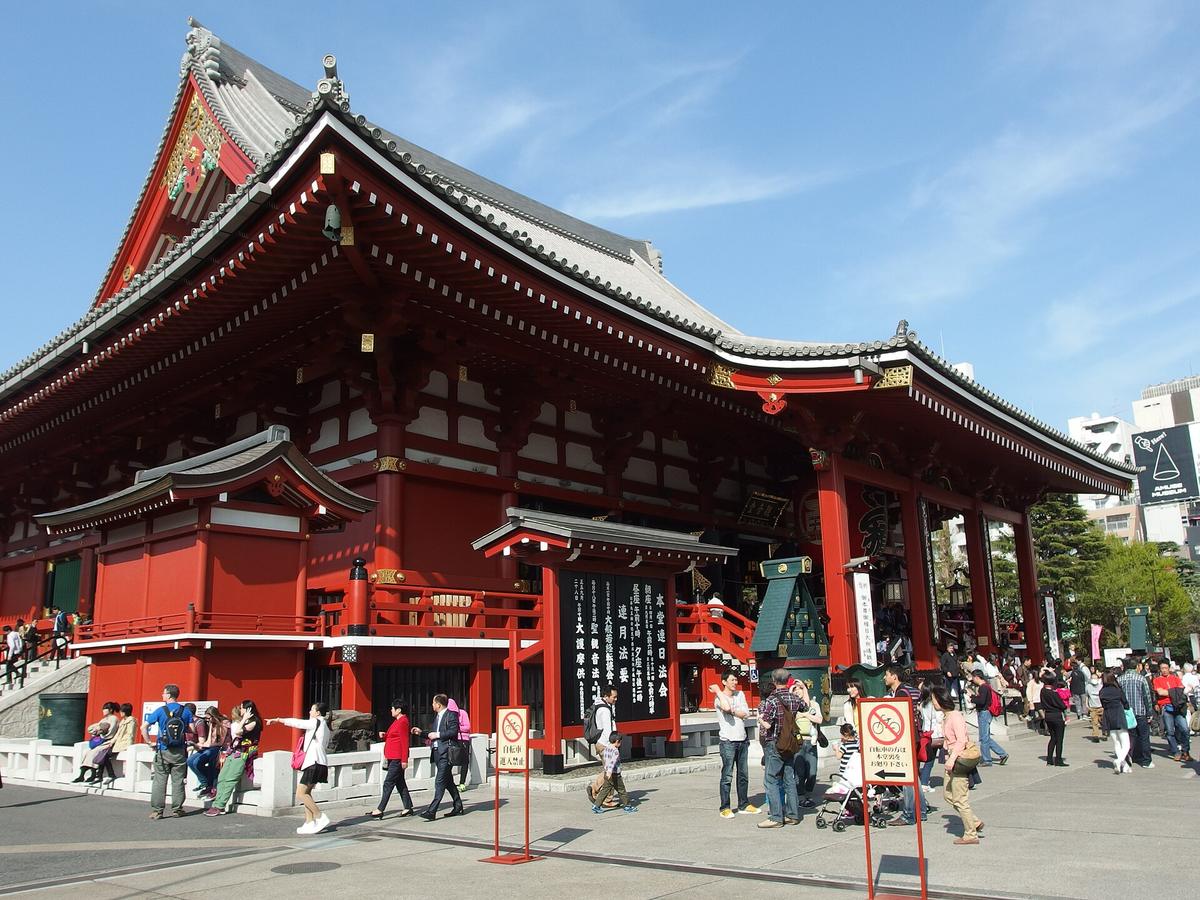
Shibuya Scramble is real. The view from the second-floor window of the Starbucks is a cliché for a reason: the crossing delivers the visual chaos that people expect. The better view is from the Magnet rooftop, which costs nothing and lets you look down on the scramble and never smell used coffee. Takeshita Street in Harajuku between 11:00 and 17:00 on weekends is an experience in pedestrian congestion, not shopping. Skip it unless you need to buy a crepe for the Instagram. The real Harajuku is in the side streets where second-hand kimono shops and independent record stores sit untouched by the crowds.
Quiet Tokyo: the Districts That Reward the Repeat Visitor
Gardens Worth the Early Alarm
Shinjuku Gyoen is the garden that first-timers visit. It is beautiful, three styles in one, and the cherry blossom paths are precise to the point of obsession. Arrive at 09:00 during late March to early April and you share the space with thirty other people. Arrive at 11:00 and you queue for thirty minutes. The gardens that first-timers miss are Rikugien, Kiyosumi Teien, and Koishikawa Korakuen. Admission ranges from 150 to 300 yen. Rikugien has an autumn illumination that rivals Kyoto. Kiyosumi Teien has stepping stones that force you to slow down. Koishikawa Korakuen is the oldest garden in Tokyo and the least crowded. Pick one of these three over Shinjuku Gyoen if you want to sit on a bench in silence.
Neighbourhoods That Move Slower
Yanaka Ginza is the neighbourhood that answers the question: what did Tokyo look like before the 1964 Olympics? Narrow streets, wooden houses, a shopping street with a cat motif. The reason to visit is the scale: you can walk the entire district in two hours and feel the difference between old shitamachi and modern Tokyo. Kichijoji and Shimokitazawa offer similar quiet rebellion. Kichijoji has Inokashira Park and a proper indie music scene. Shimokitazawa has vintage shops and curry houses that seat six people. None of these districts need a plan. Walk. Get lost. Find a sento for 450 to 520 yen and soak in water heated by a coal boiler. That is the reward.
Okutama is a day trip for a hike in the same day you would have spent queueing for the Skytree. The JR Chuo Line takes 90 to 120 minutes from Shinjuku. The trails are straightforward, the river is cold, and the mountain air is a reset button. If you have five full days, dedicate one of them to Okutama. You will remember the cedar forest more than any observation deck.
.jpg)
Every decision you make in Tokyo is a trade of time for depth. The rail network is fast. The station exits are traps. The restaurants require planning. The gardens demand silence. The convenience stores demand nothing. Your final task before you book anything is to decide which version of the city you want. If you want the neon, commit to Shibuya and Shinjuku and let Asakusa go. If you want the ritual, commit to Meiji Jingu, a depachika dinner, and a sento soak. If you want the food, commit to two reservations per day and build your schedule around them. Pick your version. Book it. Skip everything else.
Common Questions
How many days do I need in Tokyo to see the best things?
Five full days minimum. Anything less and you spend your time commuting between districts without absorbing any single one. With five days, pick two districts per day and commit to them.
What is the most overrated attraction in Tokyo?
Golden Gai as a tourist experience. The bar alleys have a cover charge of 500 to 1,500 yen per establishment, most seats cap at six to eight people, and many bars discourage photography and non-Japanese conversation. The atmosphere is real but the reality is awkward for solo visitors without a local guide.
When is the worst time to visit Tokyo?
Golden Week from late April to early May brings domestic travel gridlock. Mid-August has oppressive humidity. New Year from December 29 to January 3 forces many independent restaurants and shops to close. Avoid all three windows.
Which free sight is better than the paid observation decks?
The Tokyo Metropolitan Government Building observation deck. It is free, open until 23:00, and rarely crowded on weekday mornings. It replaces the Skytree and Shibuya Sky for visitors who value their time and money over elevator speed.
Should I visit the Tsukiji Outer Market or the Toyosu Market?
The Tsukiji Outer Market for food and knife shopping in the morning. The Toyosu Market if you specifically want to see the tuna auction from the free upper deck. Do not attempt both in one morning.
Read next
-
 Tokyo Hotels by Type and Budget from Capsules to Luxury
Tokyo hotels organised by type and price band, from efficient capsule pods to full-service luxury towers, to help you book the right room.
Tokyo Hotels by Type and Budget from Capsules to Luxury
Tokyo hotels organised by type and price band, from efficient capsule pods to full-service luxury towers, to help you book the right room.
-
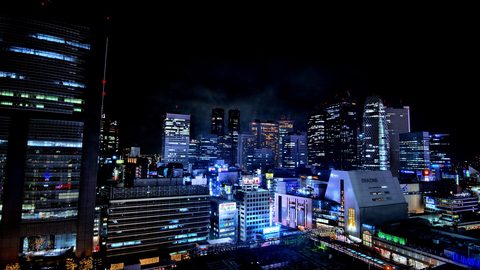 Where to Stay in Tokyo by District and Travel Style
A comparison of Tokyo's major districts to help you choose the right base for your travel style, whether you want calm or chaos.
Where to Stay in Tokyo by District and Travel Style
A comparison of Tokyo's major districts to help you choose the right base for your travel style, whether you want calm or chaos.
-
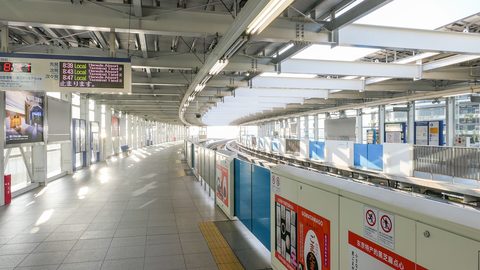 Narita or Haneda for Tokyo and What That Airport Choice Costs You
Narita or Haneda for Tokyo: compare door-to-district time, transfer cost, and what the wrong airport choice eats from your trip.
Narita or Haneda for Tokyo and What That Airport Choice Costs You
Narita or Haneda for Tokyo: compare door-to-district time, transfer cost, and what the wrong airport choice eats from your trip.
-
 Best Time to Visit Tokyo Month by Month Tradeoffs
A month-by-month guide to visiting Tokyo, laying out the trade-off between weather, crowds, price, and what's actually open.
Best Time to Visit Tokyo Month by Month Tradeoffs
A month-by-month guide to visiting Tokyo, laying out the trade-off between weather, crowds, price, and what's actually open.
-
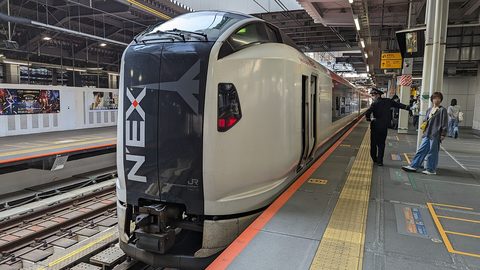 Getting Around Tokyo by Train Airport Transfers and IC Cards
A practical guide to Tokyo's rail network, covering airport transfers, IC cards, and how to avoid the station navigation mistakes that eat your day.
Getting Around Tokyo by Train Airport Transfers and IC Cards
A practical guide to Tokyo's rail network, covering airport transfers, IC cards, and how to avoid the station navigation mistakes that eat your day.
-
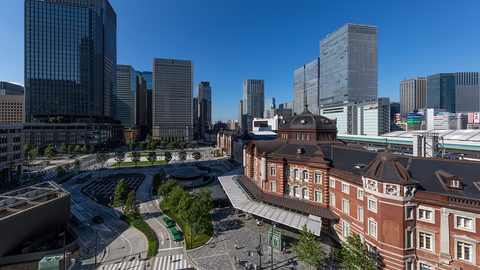 Tokyo Itinerary That Clusters Districts Instead of Chasing Sights
A 5-day Tokyo plan that clusters two districts per day and deliberately skips the checklist to preserve neighbourhood rhythm.
Tokyo Itinerary That Clusters Districts Instead of Chasing Sights
A 5-day Tokyo plan that clusters two districts per day and deliberately skips the checklist to preserve neighbourhood rhythm.
-
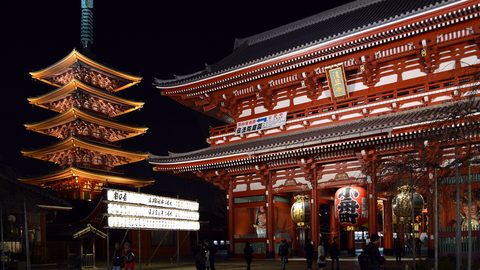 Senso-ji
 is free and never closes, but the experience at 6am with empty Nakamise stalls is nothing like the 11am crush under Kaminarimon. Here is when to go and what you get at each hour.
Senso-ji
Senso-ji is free and never closes, but the experience at 6am with empty Nakamise stalls is nothing like the 11am crush under Kaminarimon. Here is when to go and what you get at each hour.
-
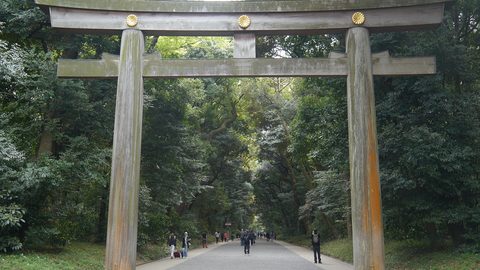 Meiji Jingu
The Meiji Jingu visit changes completely depending on which torii gate you enter. One drops you from Harajuku noise into sudden forest, the other builds quiet slowly from Yoyogi.
Meiji Jingu
The Meiji Jingu visit changes completely depending on which torii gate you enter. One drops you from Harajuku noise into sudden forest, the other builds quiet slowly from Yoyogi.
-
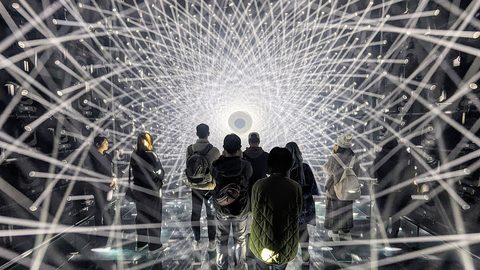 teamLab
 Borderless and Planets are two different Tokyo venues with separate booking systems. Borderless tickets at Azabudai Hills sell in timed slots and the maze has no fixed route.
teamLab
teamLab Borderless and Planets are two different Tokyo venues with separate booking systems. Borderless tickets at Azabudai Hills sell in timed slots and the maze has no fixed route.