Finding the Geisha Quarter Beneath Kagurazaka's French Bistros and Cobbled Slopes
Kagurazaka layers French bistros and cobbled pedestrian lanes over a working geisha quarter, creating Tokyo's most atmospheric hillside neighbourhood.
- Flag
-

- ISO code
- JP
- Currency
- JPY
- Timezone
- Asia/Tokyo
The French Surface Hides the Geisha District
Most visitors assume the geisha quarters of Tokyo vanished decades ago, swept aside by concrete and neon. The wrong assumption. Kagurazaka still operates as one of Tokyo's six official kagai, a working geisha district where roughly twenty women train, perform, and entertain. What makes the district disorienting is that you have to look through a French lens to find it. The cobbled slopes and hidden staircases support thirty introduction-only ryotei. The same streets hold a concentration of French bistros, bakeries, and crêperies dense enough to earn the neighbourhood its 'little Paris' nickname. The French surface sits on top of the deeper Japanese entertainment district. The best visit uncovers both.
Arrive at Iidabashi, the base of the hill. Take the Iidabashi exit and walk two minutes south to Sotobori-dori. The slope begins immediately. Kagurazaka-dori climbs roughly 400 metres from Sotobori-dori to Okubo-dori, rising 32 metres at a gradient of 5 to 7 percent. That gentle uphill is the spine of the neighbourhood. Everything worth finding sits off it.

Find the Alleys Before the Bistros
Hyogo Yokocho and Kakurenbo Yokocho
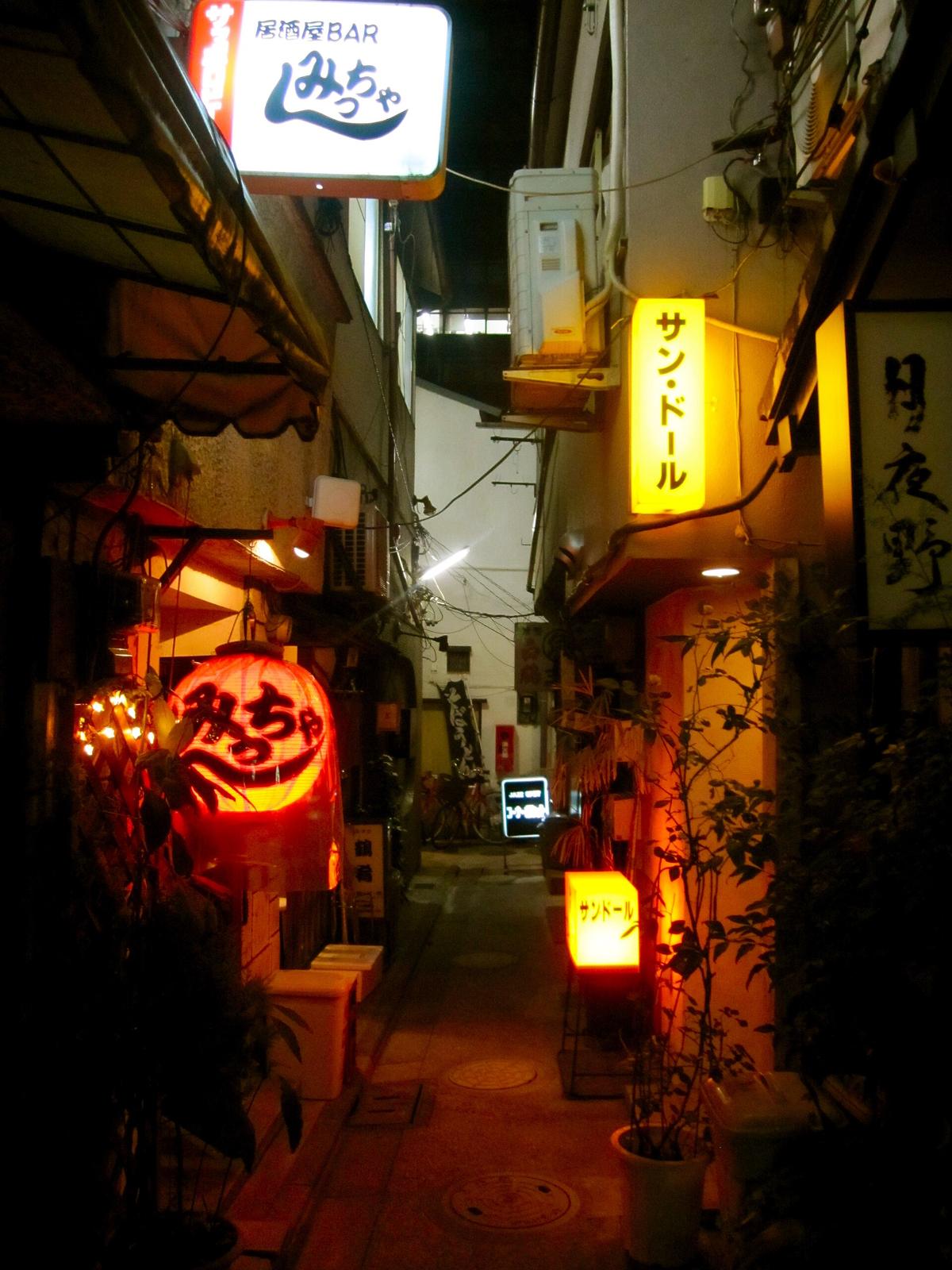
The two alleys most visitors miss are Hyogo Yokocho and Kakurenbo Yokocho. Hyogo Yokocho branches off the west side of Kagurazaka-dori near the mid-point of the hill. It runs about 100 metres. Kakurenbo Yokocho sits on the east side, closer to the lower third of the hill, and runs about 60 metres. Neither is marked in English. Neither appears on most mapping apps with any useful detail. Walk up Kagurazaka-dori until you see a narrow opening between buildings that does not look like a proper street. That is the entrance.
Kakurenbo Yokocho translates to 'hide-and-seek alley', a name that tells you what it does. The alley twists behind the main road, passing the back entrances of several ryotei. You will see the unmarked wooden doors, the small name plaques in Japanese script, the carefully swept stone in front of each entrance. You will not be invited in. Ryotei operate on an introduction-only policy. No first-time walk-in customer gets through the door. That is not rudeness. It is the system that preserves the district's function as a private entertainment space for regular patrons who book weeks ahead.
When the Street Becomes a Promenade
The street-level experience is what you can access. On weekends and national holidays, Kagurazaka-dori closes to vehicles from 12:00 to 19:00. The pedestrian-only hours turn the slope into a Promenade. Restaurants set out small sidewalk tables. Families walk the centre of the road. That window is the best time to see the neighbourhood's two identities at once: the French cafe crowd on the pavement, the geisha arrivals slipping into side doors.
Why the French Are Here at All
The School That Shaped a Neighbourhood
The French presence in Kagurazaka has a concrete cause, not a vague aesthetic preference. The Lycée Français International de Tokyo operated a campus near Iidabashi until 2012. French families settled nearby for the school commute. By the time the school relocated north to Kita-ku in 2012, the neighbourhood's French infrastructure was self-sustaining. Bakeries, wine bars, crêperies, and fromageries had opened through the 1990s and 2000s. The wave did not reverse when the school left.
The result is a dining scene that feels grafted onto a Japanese grid. A bistro serving duck confit and Beaujolais sits three doors down from a soba shop that has operated for four generations. A patisserie on the ground floor of a 1970s apartment building sells kouign-amann next to a shop selling grilled unagi. The French community in Shinjuku Ward numbered approximately 2,500 in the last available count. That is not a large diaspora, but it is concentrated enough to sustain the restaurants and bakeries that give the neighbourhood its nickname.
How to Eat Well Here
Book dinner at one of the French-Japanese fusion counters. Several of the bistros on the side streets off Kagurazaka-dori offer a lunch set that would cost triple in central Paris. Dinner reservations need to be made three to five days ahead, not weeks. That is the advantage of a neighbourhood that tourists still treat as a side trip rather than a destination.
The Two Religious Sites You Do Not Skip
Bishamonten: The Temple Above the Noise
Bishamonten temple, formally named Shimpuku-ji, anchors the middle of Kagurazaka-dori. Founded in 1595, it belongs to the Nichiren sect and enshrines Bishamonten, one of the Seven Lucky Gods. The approach is a stone staircase set back from the main road. The temple grounds are small. You can see the main hall and the courtyard in ten minutes. The reason to go is the contrast: the temple sits directly above one of the busiest stretches of the shopping street, yet the noise drops as soon as you step through the gate.
Akagi Shrine: Glass and Wood at the Summit
Akagi Shrine, known formally as Akagi Jinja, sits at the top of the hill near Ushigome-Kagurazaka. Its history is legendary from 1300, documented from 1460. What matters for a visitor is the main building, completed in 2010 and designed by Kengo Kuma. It is glass, steel, and wood, a modernist take on shrine architecture that looks nothing like the wooden halls elsewhere in Tokyo. Walk around it. The roof structure and the transparency of the worship hall are the point. Most visitors walk straight to the main building, photograph it from the front, and leave. Go around the back where the glass wall meets the wooded slope.

Who This District Works for and Who it Does Not
The Right Traveller for Kagurazaka
Kagurazaka suits the solo explorer who has finished the checklist districts of Shibuya, Shinjuku, and Asakusa and wants a neighbourhood that rewards patience over speed. It works for the food-obsessed traveller who plans trips around specific meals and will walk twenty minutes for a bakery that only bakes three things. It works for the repeat visitor who has seen Senso-ji and Meiji Jingu and wants a morning with no landmarks, just alleys and stairs and unmarked doors.
Who Should Skip It
It does not suit the traveller seeking a compact, walkable old town. Kagurazaka is small. The hill takes fifteen minutes to climb at a slow pace. The alleys add maybe another thirty minutes of wandering. You are not getting a full day of exploration out of it. It does not suit the shoestring backpacker. The restaurants price for a neighbourhood that hosts French expatriates and private geisha banquets. Street food is minimal. A filling lunch will run ¥1,500 to ¥2,500 at the lower end. Budget travellers should eat before they arrive or plan for one meal here and nothing else.
The Perfect Window
Arrive by 10:30 on a Saturday. Walk the full hill while vehicles are still running, note the alley entrances, then wait for the pedestrian closure at noon. By 12:15 the street has transformed. Eat lunch at a bistro counter. Walk Kakurenbo Yokocho after the meal when the ryotei staff are coming and going. Leave by 15:00 before the afternoon crowds thicken. That is the window. That is the neighbourhood.
| Alley | Location | Length | Best Time to Walk |
|---|---|---|---|
| Hyogo Yokocho | West side of Kagurazaka-dori, mid-point of hill | Approx. 100 m | 15:00–17:00 for ryotei activity |
| Kakurenbo Yokocho | East side of Kagurazaka-dori, lower third of hill | Approx. 60 m | 12:00–14:00 during pedestrian closure |
Other areas in Tokyo
- Akihabara
- Asakusa
- Ebisu
- Futako-tamagawa
- Ginza
- Harajuku
- Ikebukuro
- Jimbocho
- Jiyugaoka
- Kichijoji
- Kiyosumi-Shirakawa
- Koenji
- Kuramae
- Marunouchi
- Nakameguro
- Nakano
- Nihonbashi
- Ningyocho
- Odaiba
- Omotesando and Aoyama
- Roppongi
- Ryogoku
- Sangenjaya
- Shibamata
- Shibuya
- Shimokitazawa
- Shin-Okubo
- Shinagawa
- Shinjuku
- Sugamo
- Takadanobaba
- Todoroki
- Tsukiji
- Tsukishima
- Ueno
- Yanaka
- Yurakucho and Shinbashi
Frequently Asked Questions
Can I see a geisha in Kagurazaka without a ryotei introduction?
Not inside a tea house. Geisha performances are private events for regular patrons only. You may glimpse a geisha walking to or from an appointment in the late afternoon, especially on Kakurenbo Yokocho and along the upper half of Kagurazaka-dori. Do not photograph them without permission. The district holds an annual public festival (Kagurazaka Awa Odori in late August) where geisha perform on stage, but the 2026 date has passed.
How much time should I budget for Kagurazaka?
Two to three hours is sufficient for a first visit. That covers the full hill walk, both alleys, Bishamonten temple, and Akagi Shrine plus one sit-down meal. If you want to explore the side streets west of Kagurazaka-dori or visit a second wave of bakeries and wine bars, budget four hours total.
Is the pedestrian-only weekend worth planning around?
Yes. The street transforms from a car thoroughfare to a public space. Restaurants put tables on the pavement, and the alleys feel less cramped. If your schedule only allows a weekday visit, go anyway. The alleys and temples are identical. You just lose the Promenade feel.
Which station should I use to arrive?
Iidabashi for the base of the hill. Use the JR Chuo-Sobu Line or any of the four Tokyo Metro lines serving it. Exit from the Iidabashi exit, not the Kagurazaka exit, which puts you higher up the slope. For the top of the hill, Ushigome-Kagurazaka on the Toei Oedo Line saves you the uphill walk.
Are the bakeries and bistros as good as the reputation suggests?
Several are excellent. Do not walk in blind. Check Google Maps reviews from the last three months for the specific bistro or bakery you want. The neighbourhood's reputation attracts mediocre openings that trade on location. Patisserie K and Bistro Kagurazaka have maintained quality over years. Most cookie-cutter crêperies on the main drag are tourist traps.
Read next
-
 Tokyo Hotels by Type and Budget from Capsules to Luxury
Tokyo hotels organised by type and price band, from efficient capsule pods to full-service luxury towers, to help you book the right room.
Tokyo Hotels by Type and Budget from Capsules to Luxury
Tokyo hotels organised by type and price band, from efficient capsule pods to full-service luxury towers, to help you book the right room.
-
 Where to Stay in Tokyo by District and Travel Style
A comparison of Tokyo's major districts to help you choose the right base for your travel style, whether you want calm or chaos.
Where to Stay in Tokyo by District and Travel Style
A comparison of Tokyo's major districts to help you choose the right base for your travel style, whether you want calm or chaos.
-
 Narita or Haneda for Tokyo and What That Airport Choice Costs You
Narita or Haneda for Tokyo: compare door-to-district time, transfer cost, and what the wrong airport choice eats from your trip.
Narita or Haneda for Tokyo and What That Airport Choice Costs You
Narita or Haneda for Tokyo: compare door-to-district time, transfer cost, and what the wrong airport choice eats from your trip.
-
 Things to Do in Tokyo That Are Worth Your Limited Days
A curated list of Tokyo's highest-impact sights and experiences, from immersive art to quiet backstreets, to help you prioritise your days.
Things to Do in Tokyo That Are Worth Your Limited Days
A curated list of Tokyo's highest-impact sights and experiences, from immersive art to quiet backstreets, to help you prioritise your days.
-
 Best Time to Visit Tokyo Month by Month Tradeoffs
A month-by-month guide to visiting Tokyo, laying out the trade-off between weather, crowds, price, and what's actually open.
Best Time to Visit Tokyo Month by Month Tradeoffs
A month-by-month guide to visiting Tokyo, laying out the trade-off between weather, crowds, price, and what's actually open.
-
 Getting Around Tokyo by Train Airport Transfers and IC Cards
A practical guide to Tokyo's rail network, covering airport transfers, IC cards, and how to avoid the station navigation mistakes that eat your day.
Getting Around Tokyo by Train Airport Transfers and IC Cards
A practical guide to Tokyo's rail network, covering airport transfers, IC cards, and how to avoid the station navigation mistakes that eat your day.
-
 Akihabara
 Tokyo guide: electronics, anime, and arcades stacked floor by floor, from Radio Kaikan to the maid cafe touts.
Akihabara
Akihabara Tokyo guide: electronics, anime, and arcades stacked floor by floor, from Radio Kaikan to the maid cafe touts.
-
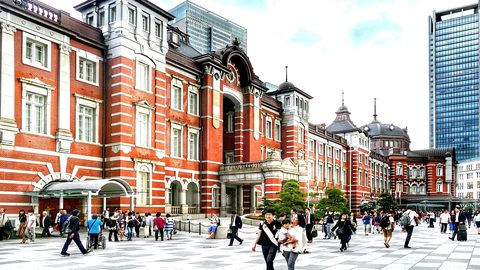 Marunouchi
Staying in Marunouchi puts you steps from Tokyo Station's Shinkansen platforms and Narita Express, trading nightlife buzz for unmatched rail connectivity and wide, quiet weekend boulevards.
Marunouchi
Staying in Marunouchi puts you steps from Tokyo Station's Shinkansen platforms and Narita Express, trading nightlife buzz for unmatched rail connectivity and wide, quiet weekend boulevards.
-
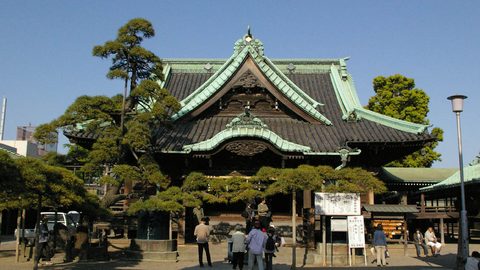 Shibamata
 preserves a 1950s Tokyo on its temple approach street, forever tied to the Tora-san film series and best visited for unagi and old-school snacks.
Shibamata
Shibamata preserves a 1950s Tokyo on its temple approach street, forever tied to the Tora-san film series and best visited for unagi and old-school snacks.