The Railway Museum in Omiya, Saitama: A Shinkansen and Rolling Stock Collection
The Railway Museum in Omiya, Saitama, houses generations of Shinkansen and steam locomotives, with driver simulators, just 30 minutes north of Tokyo Station.
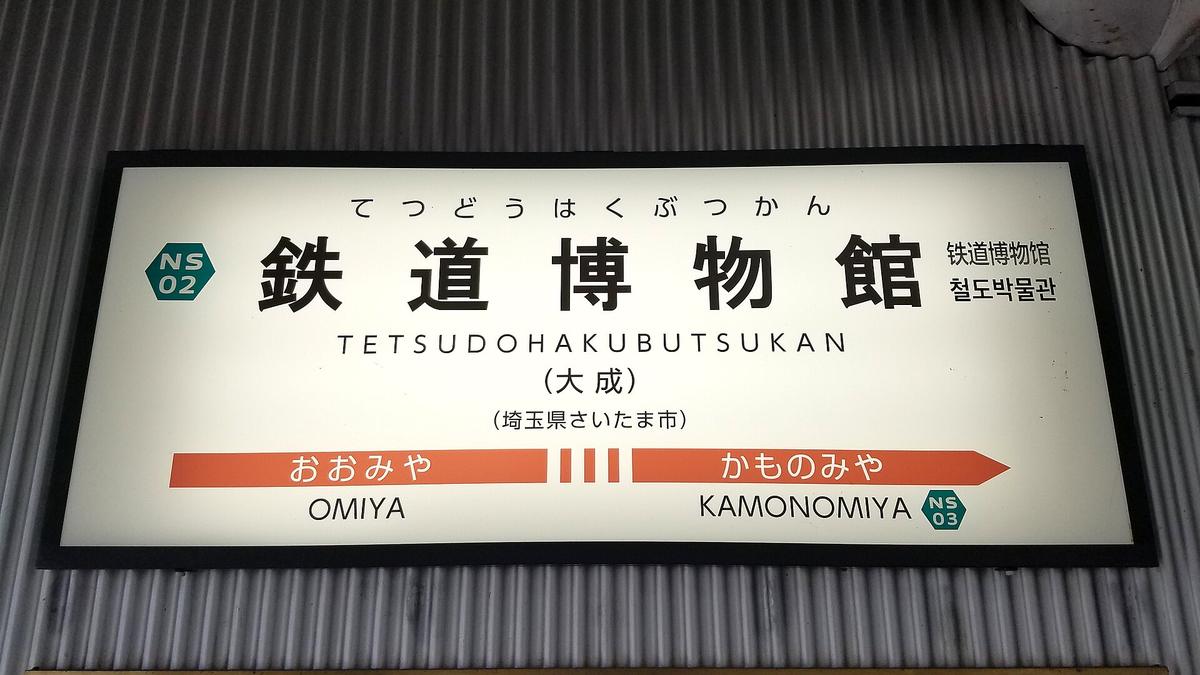

30 Minutes from Tokyo Station, 36 Full Size Trains
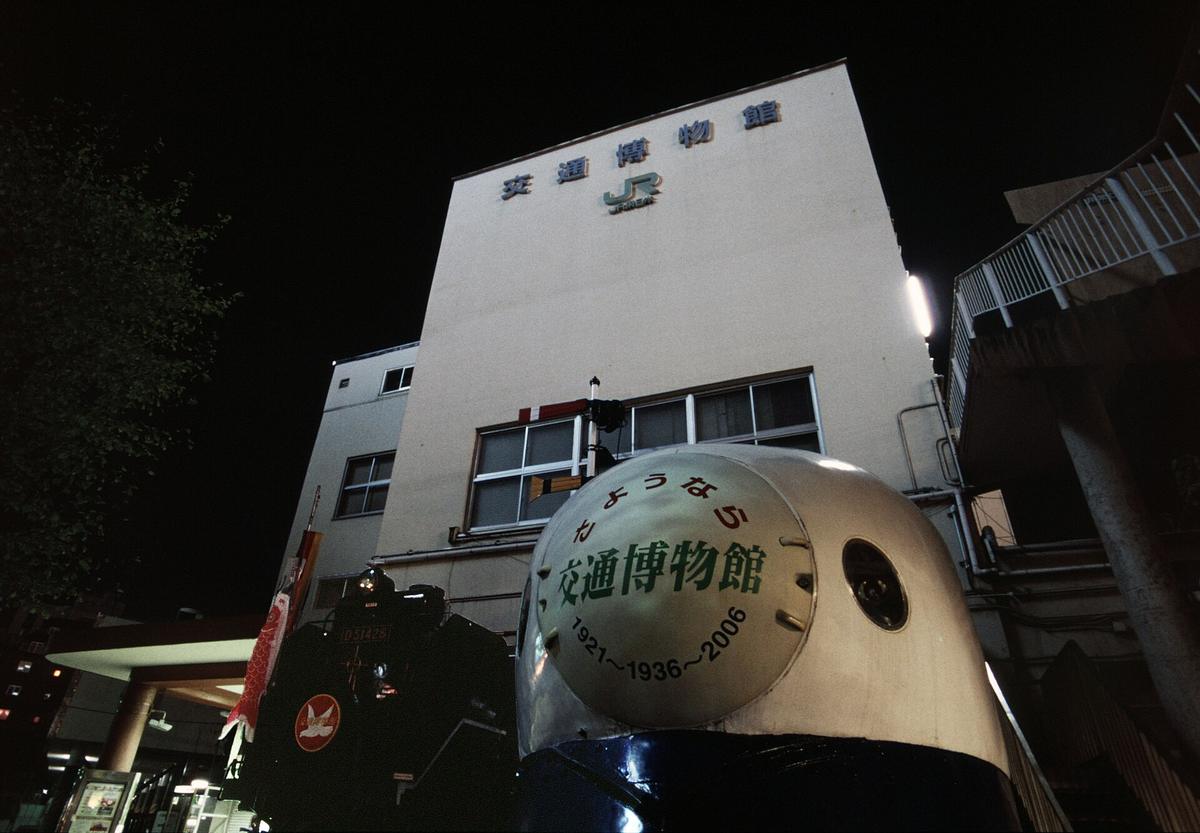
The Railway Museum in Omiya opened in 2007, replacing the old Kanda site. Run by the East Japan Railway Culture Foundation, it houses 36 full size vehicles including two early Shinkansen cars and two imperial carriages. From Tokyo Station, take a JR Tohoku Main Line rapid service for 30 to 35 minutes, then switch to the New Shuttle people mover for a 3 minute ride from Omiya to Tetsudo Hakubutsukan. Total one way cost: ¥670 on an IC card.
How to Get There by Train
Board a JR Takasaki Line or Utsunomiya Line rapid service from Tokyo Station or Ueno. From Ueno the ride is 25 to 30 minutes, one way ¥480. From Tokyo it is 30 to 35 minutes, one way ¥580. Both arrive at JR Omiya, Saitama.
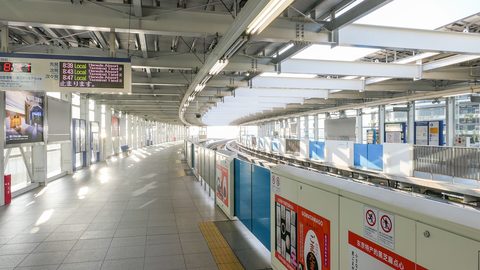
At Omiya, follow the signs to the New Shuttle. This elevated people mover runs every 5 to 10 minutes. Take it one stop to Tetsudo Hakubutsukan, the dedicated stop for the museum. The New Shuttle leg costs ¥190 and takes 3 minutes. Door to door from Ueno, budget 40 to 50 minutes.
No rail pass covers this combination. A JR Tokunai Pass does not extend to Omiya. Standard IC card fares are your cheapest option.
The Rolling Stock Hall and What You Actually See
The main hall is a single vast space centred on a working turntable. A C57 steam locomotive rotates on it at 11:00, 13:00 and 15:00, each demonstration lasting about 10 minutes. Time your visit around it if you care about steam. Around the hall, 36 full size vehicles sit on the tracks. Two early Shinkansen cars are on display: a Series 0 car 21-2 built in 1964 and a Series 0 car 22-1 built in 1969, the first generation of bullet train that defined high speed rail. Two imperial carriages, Car No. 1 and Car No. 2, both built in 1910 at Omiya Works, show how the imperial family travelled by rail.
The Driving Simulator Lottery
You cannot book a driving simulator in advance. On the day of your visit, pick up a lottery ticket from staff between the 10:00 opening and 12:00. Results post at 12:30 on display boards and the museum app. Win, and you get a slot to drive one of five simulator types: a D51 steam locomotive, a Series 205 or E233 commuter train, a Series E5 Shinkansen, or a Yamanote Line E235. The cost is included in your admission. Arrive after 12:00 and you cannot enter the lottery at all. Get there early if the simulators matter to you.
The Model Railway
The "Teppaku Line" is an HO gauge layout about 25 metres by 10 metres, one of the largest in Japan. Scheduled shows run at roughly 11:30, 13:30 and 15:30. Check the daily schedule on arrival because times shift. It is worth seeing once but is not a reason to come on its own.
Admission Tickets: Advance Reservation Only
The museum does not sell tickets at the door. Reserve online through the official website or a designated ticket agency before you arrive. Tickets go on sale at 10:00 JST on the 1st day of the month before your visit month. For a visit in October, tickets release on September 1 at 10:00. The 2024 adult general admission was ¥1,330. Elementary and junior high students paid ¥620, children aged 3 and up paid ¥310. Check the official site for the rate in force for your visit year, because it changes annually.
Show up without an advance reservation and you are not entering. No exceptions.
Hours, Closed Days and Visit Duration
The museum is open 10:00 to 17:00, last admission at 16:30. It closes on Tuesdays, or on Wednesday if Tuesday is a public holiday. It also shuts for New Year from December 29 through January 1. Plan around those closures.
How Long to Spend
Most adults cover the exhibits, the driving simulator lottery, the turntable demonstration and the model railway in three to five hours. That is not a full day unless you add another stop. The Omiya Bonsai Village sits about 2.5 kilometres away, a 10 minute taxi ride or a 30 minute walk. Its key site, the Omiya Bonsai Art Museum, is open 9:00 to 16:30 and closed Thursdays, with admission from ¥310 to ¥1,000 depending on the exhibition. A morning at the railway museum and an afternoon at the bonsai village fills a full day well.

| Route | Time | Cost (IC Card) |
|---|---|---|
| Ueno to Omiya (JR Rapid) | 25-30 min | ¥480 |
| Tokyo Station to Omiya (JR Rapid) | 30-35 min | ¥580 |
| Omiya to Tetsudo-Hakubutsukan (New Shuttle) | 3 min | ¥190 |
| Total: Ueno to Museum | 40-50 min | ¥670 |
| Total: Tokyo Station to Museum | 45-55 min | ¥770 |
Who This Museum Suits and Who Should Skip it
The Railway Museum suits train enthusiasts who want to see generations of Shinkansen up close. Efficiency nerds will appreciate how the lottery system distributes driving simulator slots fairly. Solo travellers can move through the exhibits at their own pace without crowds forcing them along. It also suits repeat visitors to Tokyo who have already done the main sights and want a half day north of the city centre.
Skip it if you are on a one or two day Tokyo itinerary and have not seen the major districts yet. The 90 minute round trip from central Tokyo eats time you need for Shibuya, Asakusa, or Shinjuku. Also skip it if the lottery mechanic for the simulators frustrates you, because you cannot pay to skip it.
The single thing that most often goes wrong: arriving without an advance reservation and having to walk back to Omiya with nothing to show for the trip. Book the ticket before you board the train.
Read next
-
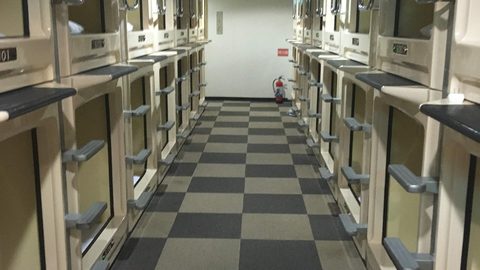
 Tokyo Hotels by Type and Budget from Capsules to Luxury
Tokyo hotels organised by type and price band, from efficient capsule pods to full-service luxury towers, to help you book the right room.
Tokyo Hotels by Type and Budget from Capsules to Luxury
Tokyo hotels organised by type and price band, from efficient capsule pods to full-service luxury towers, to help you book the right room.
-
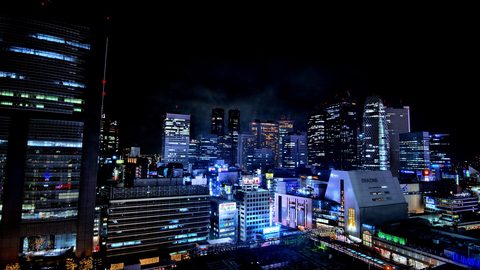 Where to Stay in Tokyo by District and Travel Style
A comparison of Tokyo's major districts to help you choose the right base for your travel style, whether you want calm or chaos.
Where to Stay in Tokyo by District and Travel Style
A comparison of Tokyo's major districts to help you choose the right base for your travel style, whether you want calm or chaos.
-
 Narita or Haneda for Tokyo and What That Airport Choice Costs You
Narita or Haneda for Tokyo: compare door-to-district time, transfer cost, and what the wrong airport choice eats from your trip.
Narita or Haneda for Tokyo and What That Airport Choice Costs You
Narita or Haneda for Tokyo: compare door-to-district time, transfer cost, and what the wrong airport choice eats from your trip.
-
 Things to Do in Tokyo That Are Worth Your Limited Days
A curated list of Tokyo's highest-impact sights and experiences, from immersive art to quiet backstreets, to help you prioritise your days.
Things to Do in Tokyo That Are Worth Your Limited Days
A curated list of Tokyo's highest-impact sights and experiences, from immersive art to quiet backstreets, to help you prioritise your days.
-
 Best Time to Visit Tokyo Month by Month Tradeoffs
A month-by-month guide to visiting Tokyo, laying out the trade-off between weather, crowds, price, and what's actually open.
Best Time to Visit Tokyo Month by Month Tradeoffs
A month-by-month guide to visiting Tokyo, laying out the trade-off between weather, crowds, price, and what's actually open.
-
 Getting Around Tokyo by Train Airport Transfers and IC Cards
A practical guide to Tokyo's rail network, covering airport transfers, IC cards, and how to avoid the station navigation mistakes that eat your day.
Getting Around Tokyo by Train Airport Transfers and IC Cards
A practical guide to Tokyo's rail network, covering airport transfers, IC cards, and how to avoid the station navigation mistakes that eat your day.
-
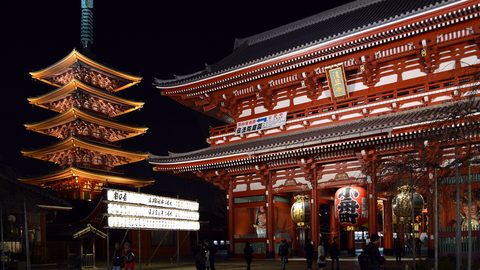 Senso-ji
 is free and never closes, but the experience at 6am with empty Nakamise stalls is nothing like the 11am crush under Kaminarimon. Here is when to go and what you get at each hour.
Senso-ji
Senso-ji is free and never closes, but the experience at 6am with empty Nakamise stalls is nothing like the 11am crush under Kaminarimon. Here is when to go and what you get at each hour.
-
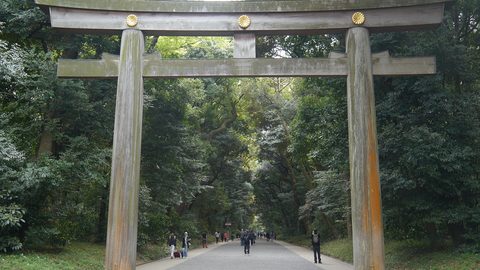 Meiji Jingu
The Meiji Jingu visit changes completely depending on which torii gate you enter. One drops you from Harajuku noise into sudden forest, the other builds quiet slowly from Yoyogi.
Meiji Jingu
The Meiji Jingu visit changes completely depending on which torii gate you enter. One drops you from Harajuku noise into sudden forest, the other builds quiet slowly from Yoyogi.
-
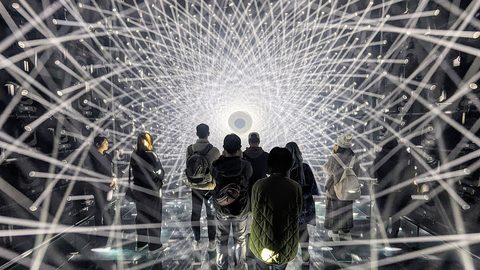 teamLab
 Borderless and Planets are two different Tokyo venues with separate booking systems. Borderless tickets at Azabudai Hills sell in timed slots and the maze has no fixed route.
teamLab
teamLab Borderless and Planets are two different Tokyo venues with separate booking systems. Borderless tickets at Azabudai Hills sell in timed slots and the maze has no fixed route.