Natural Hazard Preparedness and the Specific Frictions Tourists Face
Crime is low across Japan, but earthquake alerts, typhoon transport disruption, and the tattoo ban at most onsen are the real preparedness concerns for visitors.
Earthquake and Typhoon Readiness Across Japan’s Active Fault Lines
You are standing in Shinjuku Station at 8:15 AM with 3.6 million other commuters when your phone screams a high-pitched alert you did not set. The screen reads J ALERT in English. Earthquake incoming, 15 seconds. This is the moment that separates a prepared traveler from a panicked one.
Japan has a crime index of 23.1 on Numbeo's scale. London scores 53.8. New York scores 49.2. Paris scores 57.4. Your risk of theft sits at 1.2 per 100,000 people (UNODC, 2022). Your risk of homicide sits at 0.2 per 100,000. These numbers mean you can walk alone at 2 AM in almost any neighborhood without looking over your shoulder. But that low crime baseline is not the full safety picture. The real risks in Japan are geological, meteorological, and social. Knowing what to prepare for turns a frightening alert into a manageable moment.
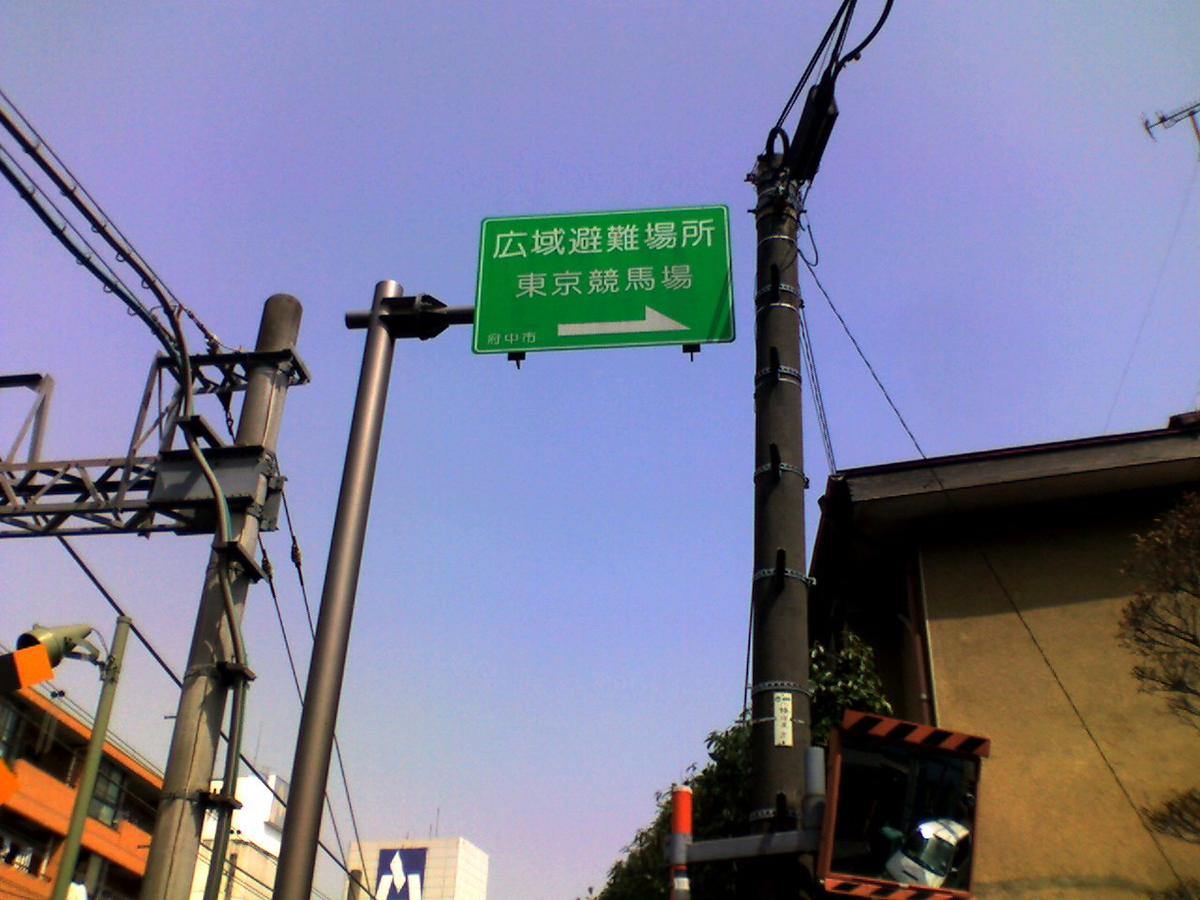

Earthquake Readiness: the Alert System and What to Do
Japan's J Alert system launched in 2007. It delivers warnings through TV, radio, outdoor speakers, and area mail to your phone. You get between 5 and 30 seconds of lead time before strong shaking arrives. Those seconds are not for panic. They are for action.
Your Moves Indoors
Drop to the floor. Take cover under a sturdy table. Hold onto its legs until the shaking stops. Stay away from windows, heavy furniture, and gas appliances. Do not use elevators. If you are in an elevator when the alert sounds, press every floor button and get out at the first opening.
Every building constructed after 1981 must meet Japan's shin-taishin seismic standards. These buildings are designed to withstand intensity 6+ to 7 on the Japan Meteorological Agency scale. If your hotel or guesthouse was built after 1981, you are in the safest structure available. If you are in an older building, identify your nearest exit and a table to get under before you unpack.
When The Shaking Stops
Gas leaks and fires cause the majority of post-quake injuries. Turn off any gas appliances you can reach. Check for fallen objects blocking exits. Expect aftershocks within minutes. Do not light matches or lighters until you are certain there is no gas leak. If you are near the coast and the shaking was strong or sustained for longer than 30 seconds, move to high ground immediately. Do not wait for an official tsunami warning.
Typhoon Season: Transport Shutdown and What to Do
Typhoon season runs June through October, with the peak in August and September. The JMA issues track forecasts 72 hours in advance. These forecasts are reliable enough to make decisions on. The failure case for a typhoon is getting stuck in a city when all transport stops.
Shinkansen and local trains suspend operations when sustained wind speeds reach 25-30 meters per second. Flights are cancelled at wind speeds of 15-20 m/s. Expressways close at 20 m/s. These closures are operator decisions and happen with 12 to 24 hours notice. Theme parks and tourist sites close at the discretion of the local municipality. When a typhoon is forecast, check your operator's website the evening before. JR East, JR West, and JR Central post English-language service suspension updates. If your Shinkansen is cancelled, your ticket is valid for the next available train or fully refundable. Do not line up at a ticket counter. Use the operator's app or website to rebook.
Riding It Out
During the storm, stay in your accommodation. Convenience stores stock emergency supplies: water, onigiri, and instant noodles. Stock up before the storm hits, because shelves empty fast. The storm passes within 12 hours. After it clears, transport resumes within 2 to 4 hours. Build one buffer day into your itinerary during August and September.
| Service | Number or Contact | Notes |
|---|---|---|
| Police | 110 | English assistance available on request |
| Ambulance / Fire | 119 | Ask for an English speaker |
| Tokyo Metropolitan Police English Consultation | 03 3501 0110 | 24 hour, non emergency advice |
| Japan Emergency Medical Translation | 03 5285 8181 | 24 hour medical interpretation |
| Passport requirement | Must carry at all times | Fine up to ¥100,000 for failure to present |

The Specific Frictions: Tattoos, Trash, and Lost Items
The crime rate is low. The social rule density is high. Two frictions will affect your daily experience more than any earthquake or typhoon.
Tattoos And Public Baths
Most onsen, public baths, and hotel pools ban visible tattoos. This applies even to small designs. Some facilities in tourist-heavy areas like Hakone or Beppu have relaxed the rule, but the majority have not. If your tattoo is small enough to be covered by a single skin-coloured patch, use one. If it is larger, search for 'tattoo friendly onsen' in the city you are visiting. Ryokan and super sento chains like Ooedo Onsen Monogatari have tattoo-friendly branches. You do not need a tattoo to enjoy a public bath, but if you have one, plan for this friction before you arrive.
Carrying Your Trash
Public trash cans are virtually non-existent in Japan. This is a deliberate policy following the 1995 sarin gas attacks. You carry your rubbish for hours. A single convenience store bag accumulates wrappers, bottles, and used napkins over a day of walking. The solution: carry a small, sealable bag in your daypack. Dispose of trash at your hotel room, at convenience stores after you buy something, or at station trash cans located inside the ticket gates. If you are eating street food in Dotonbori or Nishiki Market, the vendor who sold you the food will take back the packaging. Ask by pointing.
Koban Police Box For Lost Items
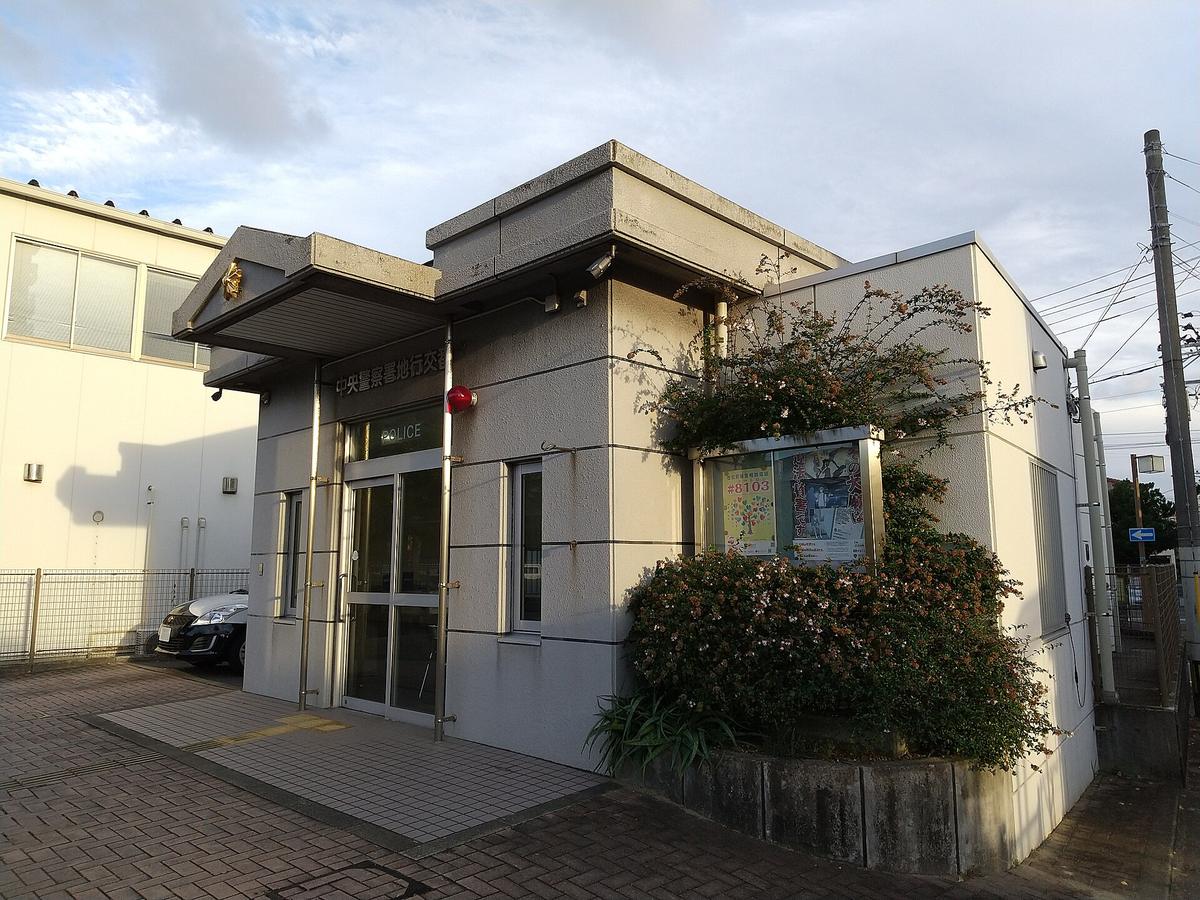
Lost something? A phone, a wallet, a camera? Go to the nearest koban. These small police boxes sit at major intersections and train stations across every city. You do not need to speak Japanese. Walk in, show a photo of the item on your phone, and say 'sumimasen, nakushimashita' (excuse me, I lost something). The officer will fill out a report. If the item was turned in, you get it back. Japan's lost and found system returns over 80% of lost wallets and phones. The koban is also where you report a theft, though theft is rare. Do not hesitate to walk in. They expect tourists.
Common Questions
Do I need to carry my passport at all times in Japan?
Yes. The Immigration Control Act, Article 23 requires foreign nationals to carry their passport at all times. Failure to present it when requested by police can result in a fine of up to ¥100,000. Police can request your ID without probable cause under the Police Duties Execution Act, Article 2.
What should I do if my phone gets the J Alert earthquake warning?
Drop to the floor. Cover under a sturdy table. Hold on. You have 5 to 30 seconds before shaking arrives. Stay away from windows and heavy furniture. Do not use elevators.
How do I find an English speaking clinic or hospital?
Use the Japan National Tourism Organization website directory, which lists clinics by region. You can also call AMDA International Medical Information Center in Tokyo for phone consultation. Treatment may require upfront payment without insurance, so carry proof of travel insurance with minimum coverage of ¥10,000,000.
What happens to my train ticket if a typhoon cancels the Shinkansen?
Your ticket is valid for the next available service or fully refundable. Check the operator's website or app the evening before. Do not queue at the ticket counter. Rebook online.
Are tattoos really banned in all onsen and pools?
Most onsen, public baths, and hotel pools ban visible tattoos. Very small tattoos can be covered by a single skin-coloured patch. For larger tattoos, search for 'tattoo friendly onsen' in your destination. Some chains and tourist-focused facilities now allow them, but you must verify in advance.
What scams should I watch for in Tokyo?
The most common is bar bill padding in Kabukicho, Shinjuku. Touts direct you to bars that charge ¥50,000 to ¥300,000 for a few drinks. In Roppongi, drink spiking followed by credit card fraud is reported. Do not follow touts. Do not accept invitations to bars from strangers near entertainment districts.
Can I drink tap water in Japan?
Yes. Tap water is potable nationwide and meets Water Supply Act standards. Carry a reusable bottle and refill at hotel sinks or public restroom taps in parks and train stations.
Read next
-
 Japan eSIM vs Pocket WiFi vs Physical SIM for Staying Connected
Free public WiFi across Japan is unreliable and slow. Compare eSIM plans from Ubigi and Airalo against renting a pocket WiFi device at Narita or Haneda.
Japan eSIM vs Pocket WiFi vs Physical SIM for Staying Connected
Free public WiFi across Japan is unreliable and slow. Compare eSIM plans from Ubigi and Airalo against renting a pocket WiFi device at Narita or Haneda.
-
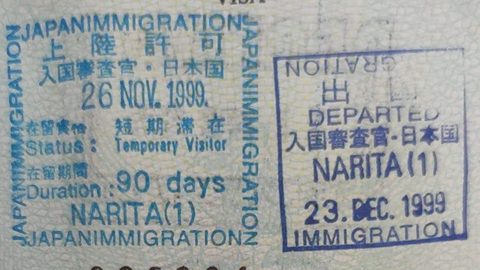 Japan Visa-Free Entry and the Visit Japan Web Digital Form
Visa-free entry covers many nationalities, but the Visit Japan Web digital form and QR codes determine how quickly you clear immigration at Narita or Haneda.
Japan Visa-Free Entry and the Visit Japan Web Digital Form
Visa-free entry covers many nationalities, but the Visit Japan Web digital form and QR codes determine how quickly you clear immigration at Narita or Haneda.
-
 Cash and IC Cards Are the Real Payment System in Japan
Japan projects a high-tech image but many small restaurants, temples, and rural buses demand cash. IC cards like Suica and Icoca bridge the gap for daily spending.
Cash and IC Cards Are the Real Payment System in Japan
Japan projects a high-tech image but many small restaurants, temples, and rural buses demand cash. IC cards like Suica and Icoca bridge the gap for daily spending.
-
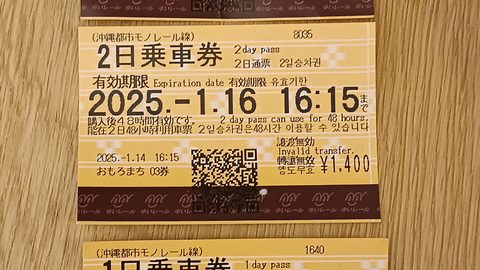 Japan Rail Pass Maths and When Buying Single Tickets Wins
The Japan Rail Pass can save hundreds or cost more than single tickets depending on your route. Run the maths on a Tokyo-Kyoto-Osaka loop before buying.
Japan Rail Pass Maths and When Buying Single Tickets Wins
The Japan Rail Pass can save hundreds or cost more than single tickets depending on your route. Run the maths on a Tokyo-Kyoto-Osaka loop before buying.
-
 Japan Month by Month with Cherry Blossom and Autumn Leaves Timing
Cherry blossom and autumn foliage are moving targets that bring packed temples and booked-out hotels. Here is month-by-month timing plus the Golden Week and Obon windows to avoid.
Japan Month by Month with Cherry Blossom and Autumn Leaves Timing
Cherry blossom and autumn foliage are moving targets that bring packed temples and booked-out hotels. Here is month-by-month timing plus the Golden Week and Obon windows to avoid.
-
 What a Day in Japan Costs at Three Budget Levels in Yen
A ¥5,000 daily backpacker budget in Japan is punishingly tight. See real yen figures for three spending levels, from konbini survival to mid-range comfort.
What a Day in Japan Costs at Three Budget Levels in Yen
A ¥5,000 daily backpacker budget in Japan is punishingly tight. See real yen figures for three spending levels, from konbini survival to mid-range comfort.
-
 Kanto
Kanto is the seven prefectures around Tokyo, and almost all of it is a day trip. Here is what each part is for, and when it is worth sleeping outside the city.
Kanto
Kanto is the seven prefectures around Tokyo, and almost all of it is a day trip. Here is what each part is for, and when it is worth sleeping outside the city.
-
 Osaka or Kyoto Where to Base Your Kansai Trip
Osaka and Kyoto are fifteen minutes apart by train but worlds apart after dark. Here is how to decide which city should be your Kansai base.
Osaka or Kyoto Where to Base Your Kansai Trip
Osaka and Kyoto are fifteen minutes apart by train but worlds apart after dark. Here is how to decide which city should be your Kansai base.
-
 Tokyo vs Osaka: Which One If the Trip Only Has Room for One
Tokyo and Osaka offer different versions of Japan. A comparison of scale, food, pace, and daily experience to help you choose the one that fits your trip.
Tokyo vs Osaka: Which One If the Trip Only Has Room for One
Tokyo and Osaka offer different versions of Japan. A comparison of scale, food, pace, and daily experience to help you choose the one that fits your trip.