Using Dotonbori: Eating, Drinking and Navigating Osaka’s Neon Canal
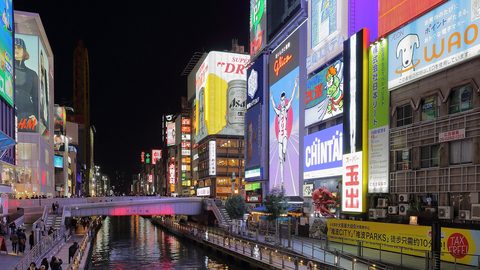
Dotonbori is Osaka's neon-lit eating canal, best used as a full-evening food and bar crawl rather than a quick Glico Sign photo stop.

Using Dotonbori: Eating, Drinking and Navigating Osaka’s Neon Canal
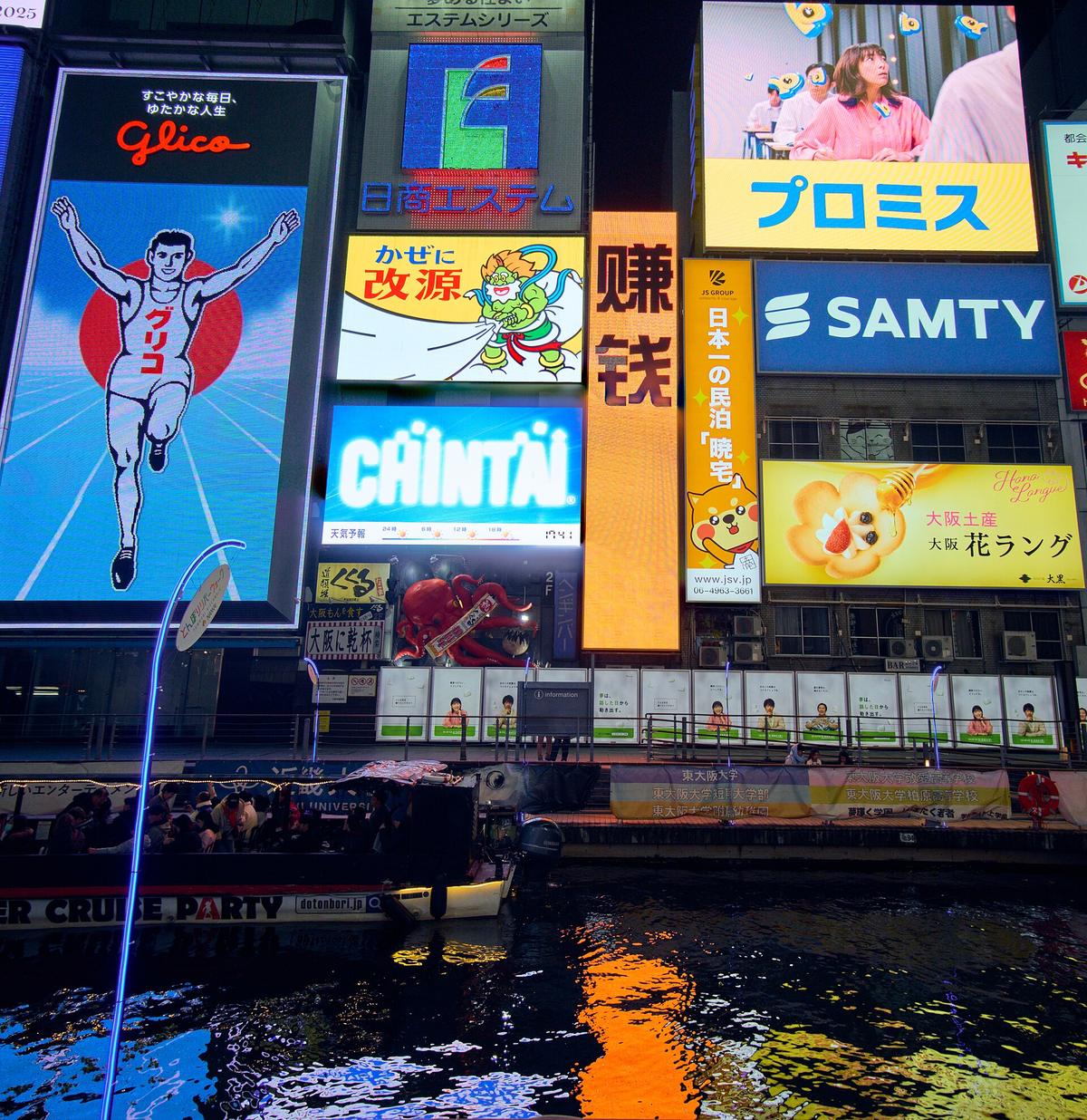
You can see the Glico sign in 20 seconds, take the photo from Ebisubashi bridge, and leave. That is what most visitors do. It is also the mistake. Dotonbori is not a photo stop. It is a spine. A 600-metre canal lined with signboards, alleys and food that works best when you sequence your evening instead of drifting into the crowd. The crowd arrives at 19:00. You need to be eating before it does.
- What It Is: A canal-side entertainment strip in Minami (Namba) lined with giant mechanical signboards, restaurants and standing bars. The main strip runs roughly 600m from Tazaemonbashi bridge to Nihonbashi bridge.
- Best For: Street-food grazers planning a trip around meals; nightlife seekers who want dense bar districts without a dress code; solo travellers who find conversation easier in standing bars.
- Not For: Travellers seeking quiet or traditional Japanese beauty. Kyoto is 29 minutes away by train. This is not a substitute.
- Minimum Time: One evening for a food crawl, plus a second evening if you want bar-hopping. A single overnight stay undersells the city.
- Nearest Station: Namba Station (Midosuji Line M20, Yotsubashi Line Y15, Sennichimae Line S16) or Osaka-Namba Station (Kintetsu, Hanshin). JR Namba is a five-minute walk.
- When To Go: Your first visit at 16:00 to see the signboards powered on at sunset. Your eating session should start by 17:30 before the bridge becomes impassable.
- Watch Out For: Eating while walking is locally frowned on despite the street-food vibe. Stand still near the stall, finish, then move.
How to Sequence an Evening on Dotonbori
Start at the west end, near Tazaemonbashi bridge. Not at Ebisubashi bridge where everyone clusters. Arrive at 17:00 and walk the south bank eastward. The mechanical crab at Kani Doraku, installed in 1960, has legs that move continuously from 10:00 to 23:00. It is worth a look, not a meal. The lunch sets at Kani Doraku run ¥3,000 to ¥5,000. Dinner jumps to ¥7,000 to ¥12,000. Skip the dinner rate. Eat crab elsewhere.
Where To Eat First
Takoyaki Juhachiban Dotonbori, founded 1979, sells eight pieces for ¥550 (the rate at the time of writing; the restaurant group publishes current prices on its menu board). The queue moves fast because the takoyaki cooks in batches. Order, stand at the side rail, eat while the ball is hot enough to burn your tongue, then walk. Do not carry the tray while walking. Locals do not. The police box on the south side of Ebisubashi bridge sees more tourist confusion over this rule than anything else.
The Bridge Window
Ebisubashi bridge is 37 metres long and 22 metres wide, but at 19:00 on a weekend it becomes a near-standstill corridor. Cross it before 18:30 or after 22:00. If you must take the standard Glico photo from the north-side railing centre span, do it at 16:00 when the queue is absent. The alternative spot is Tazaemonbashi bridge, south bank, looking northeast. You get the canal, the sign, and no bridge railing in the frame.
The Escape Alleys
When the main strip becomes shoulder-to-shoulder, duck one block south into Hozenji Yokocho. This cobblestone alley runs roughly 80 metres long and 2 to 3 metres wide, with about 60 restaurants serving kushi-katsu, oden, okonomiyaki and izakaya fare. It runs parallel to Dotonbori between Namba Walk and Sennichimae-dori. At its heart sits Hozenji temple, founded 1637. The moss-covered Mizukake Fudo statue gets its green coating from visitors who pour water over it as a ritual. The alley is quieter. The seating is at counter bars. You can eat standing without apology.
What To Skip
Chibo Dotonbori is a multi-floor tourist operation where wait times are inflated by group bookings. Mizuno, founded 1945, held Michelin Bib Gourmand from 2016 to 2024 and serves okonomiyaki with a minced-yam batter grilled in front of you. Queue for Mizuno. Skip Chibo. Kukuru Dotonbori trades on a giant octopus sign but prices its takoyaki ¥100 to ¥200 above the area average for no quality gain. Daruma Dotonbori serves kushi-katsu; its Shinsekai original branch, founded 1929, is more authentic and less crowded.
The Dotonbori Canal Cruise: Worth it or Not
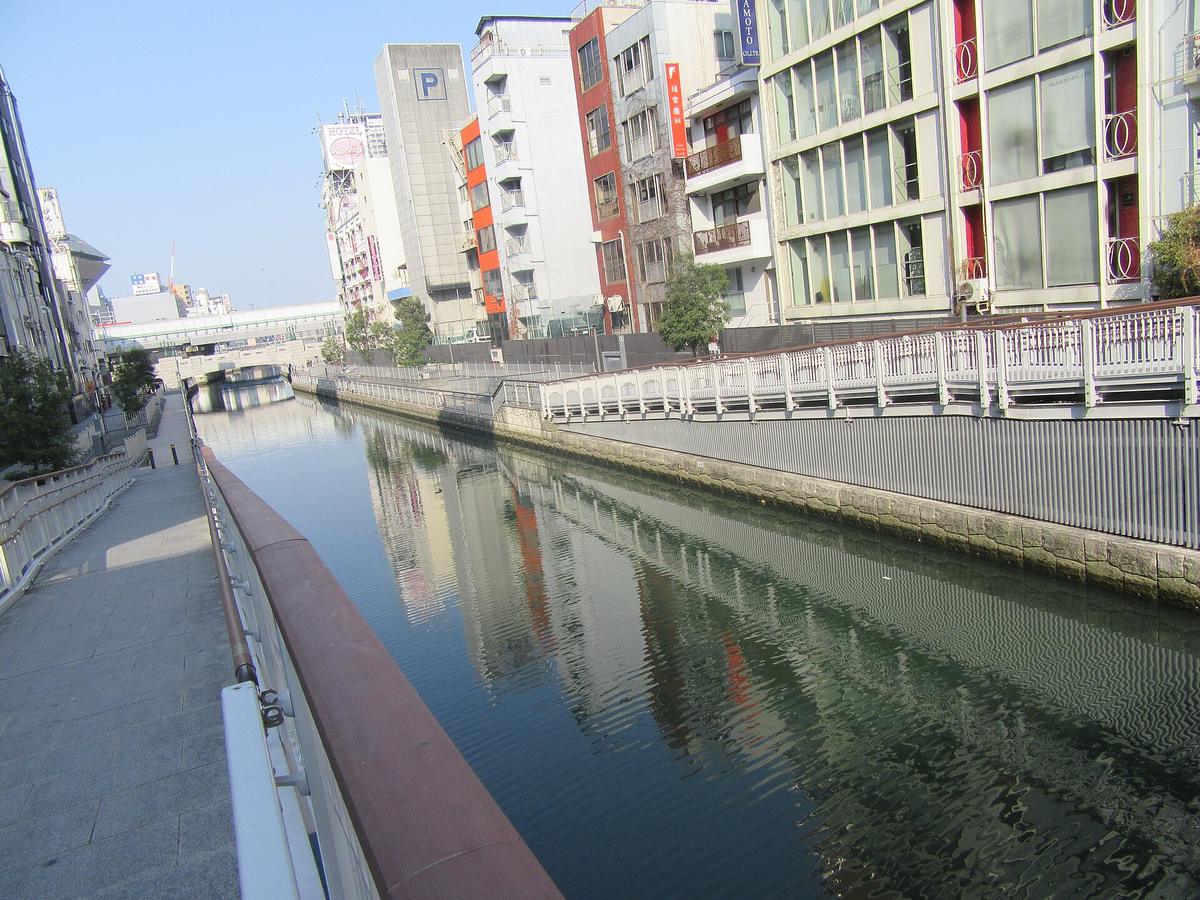
Dotonbori River Cruise operates a 20-minute loop from Tazaemonbashi bridge to Nihonbashi bridge and back. The adult fare was ¥1,200 in 2024, with a night cruise at ¥1,500. The company, Ichigo Co. Ltd., publishes its current fares at its ticket booth on Tazaemonbashi bridge north side. Departures run every 15 to 30 minutes from 11:00 to 21:00. Commentary is in Japanese only, though some boats carry an English audio guide. The route is short. Low bridges limit your upward views. Take the cruise only if you want the commentary about signboard history. If you just want to see the lights, walk the canal. The illumination runs from sunset to 23:00, and the pedestrian view is better than the water-level one.
Dotonbori at Different Hours
TimeWhat To ExpectBest Move10:00Most shops closed. Cleaning crews active. Signboards static or off.Skip. Go to Kuromon Market for morning street eats.16:00Signboards begin powering on. Crowd thin. Glico photo possible without queue.Arrive. Walk the south bank west to east. Photograph signs. Eat takoyaki.19:00Peak density. Ebisubashi bridge at standstill. All signboards animated and lit. Canal cruises fully booked.Eat inside a restaurant with seating. Do not try the main strip. Use Hozenji Yokocho as your route.00:00Restaurants closing. Bars and izakaya open. Crowd thins. Signboards remain lit until 23:00 to 01:00.Eat ramen or kushi-katsu. Ride the Don Quijote ferris wheel until 01:00.

Practical Friction: What Goes Wrong
Umeda station is six separate stations stacked across three dimensions. Namba is simpler. Namba Station on the Midosuji Line drops you directly under Dotonbori. Use the Namba Walk underground passage to reach the canal without surfacing into traffic. The single biggest trip-up in Osaka is meeting people at an Umeda gate without naming a department store landmark. Do not do that. In Minami, the risk is smaller, but still: agree on a bridge name, not a station exit.
Cash survives in Hozenji Yokocho kushikatsu joints and in standing bars in Shinsekai. Carry ¥5,000 in notes. The larger Dotonbori restaurants accept card. The takoyaki stalls are cash-only. Free Wi-Fi on the Osaka Free Wi-Fi network requires re-registration every 30 minutes. Get a prepaid eSIM before arrival. Google Maps handles the transit tangle well but sometimes routes you through JR when a private line is faster. Check the operator name on the route result.
The mechanical signboard tradition started in the early Showa era (1926 to 1989) as competitive display among restaurateurs. The Glico sign was first installed in 1935. The current version is the sixth generation, an LED installation from October 2014. That is three sentences of history. It will not change how you eat.
Common Questions
Is it true you cannot eat while walking in Dotonbori?
Locals frown on it, even though the street-food vibe suggests otherwise. Stand near the stall, eat, then walk. The police box on the south side of Ebisubashi bridge fields complaints from residents about pedestrians blocking the path with food trays.
When is the best time to photograph the Glico sign without a crowd?
16:00. The standard spot on Ebisubashi bridge north-side railing centre span has no queue at that hour. The alternative spot on Tazaemonbashi bridge south bank looking northeast is less crowded even at 19:00.
Which takoyaki stall is actually worth queueing for?
Takoyaki Juhachiban Dotonbori, founded 1979. Eight pieces for ¥550 (rate at the time of writing; check their menu board). Kukuru Dotonbori prices ¥100 to ¥200 higher for no quality gain.
Where should I go when Dotonbori main strip is too crowded?
Duck one block south into Hozenji Yokocho. The 80-metre cobblestone alley has about 60 restaurants serving kushi-katsu, oden and okonomiyaki. It is quieter, narrow enough to discourage loitering, and the seating is at counters.
Is the Dotonbori canal cruise worth the money?
Only if you want Japanese-language commentary about signboard history. The route is 20 minutes, low bridges block upward views, and the pedestrian path gives a better sightline. The 2024 day fare was ¥1,200; the night fare was ¥1,500. The company (Ichigo Co. Ltd.) publishes current fares at the Tazaemonbashi ticket booth.
Does Dotonbori have public toilets?
Yes. Namba Walk underground, Namba Parks shopping centre, and Don Quijote Dotonbori 4F. The Don Quijote toilet is open until 01:00.
What is the biggest mistake visitors make in Dotonbori?
Arriving at 19:00 hungry and trying to eat from stalls while walking on Ebisubashi bridge. The bridge is at standstill, the queues are long, and you will be in the way. Arrive at 17:00, eat your first round before the crowd peaks, and use the side alleys after dark.
Read next
-
 Osaka Hotels, Sorted by Price Band and Property Type Not Neighbourhood
Osaka hotels sorted by budget and type, business towers, luxury high-rises and the few ryokan, with the trade-off each choice demands.
-
 Where to Stay in Osaka, Pick the District That Matches Your Nights
Osaka's districts switch character after sunset. Pick where to stay based on whether you want street food chaos, standing-bar crawls or a quiet lane.
-
 Osaka Flights Which Airport to Choose and When to Book
KIX or Itami? Which Osaka airport to fly into, when flight prices spike during cherry blossom and November, and the booking windows that matter.
-
 Osaka Things to Do, What Earns a Slot in Two Full Days
Osaka is not a monument city. This page ranks what earns a slot in two full days, from Dotonbori's neon to Shinsekai's retro grit.
-
 Best Time to Visit Osaka, Month by Month and the Trade Off Each One Asks
-
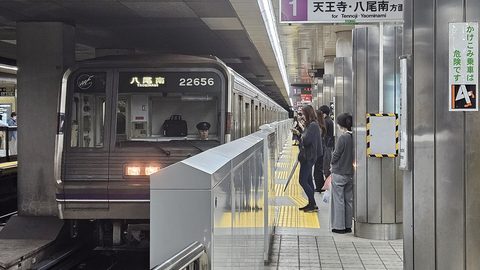 Getting Around Osaka, The Subway, the Private Railways and the Umeda Maze
Osaka's transit is fast but fractured. The Umeda station maze, private railway tickets and the ICOCA card explained before you go.
-
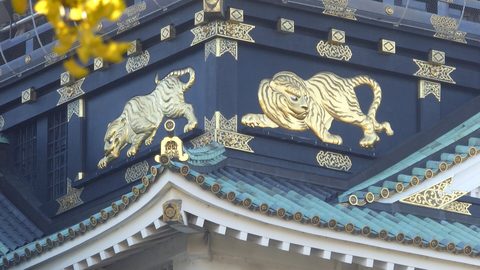 Osaka Castle
's park and moat walks outshine the concrete-reconstructed keep, which houses a museum and observation deck rather than original interiors.
-
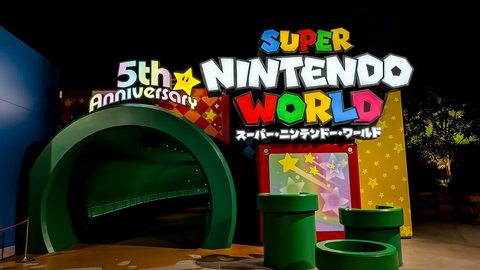 Universal Studios Japan
 demands a full day and a pre-purchased timed-entry ticket; here is whether USJ is worth it and how the ticketing actually works.
-
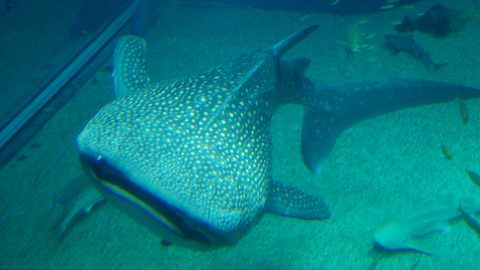 Osaka Aquarium Kaiyukan
 is designed as a top-to-bottom spiral around a central Pacific tank, arrive at opening or late afternoon to avoid the 11am queue crush.