How to Navigate Shinjuku Station Without Losing Forty Minutes to the Wrong Exit
Shinjuku Station in Tokyo is a multi-company maze where the wrong exit invalidates your transfer ticket and costs you forty minutes of recalculation.

How to Navigate Shinjuku Station Without Losing Forty Minutes to the Wrong Exit
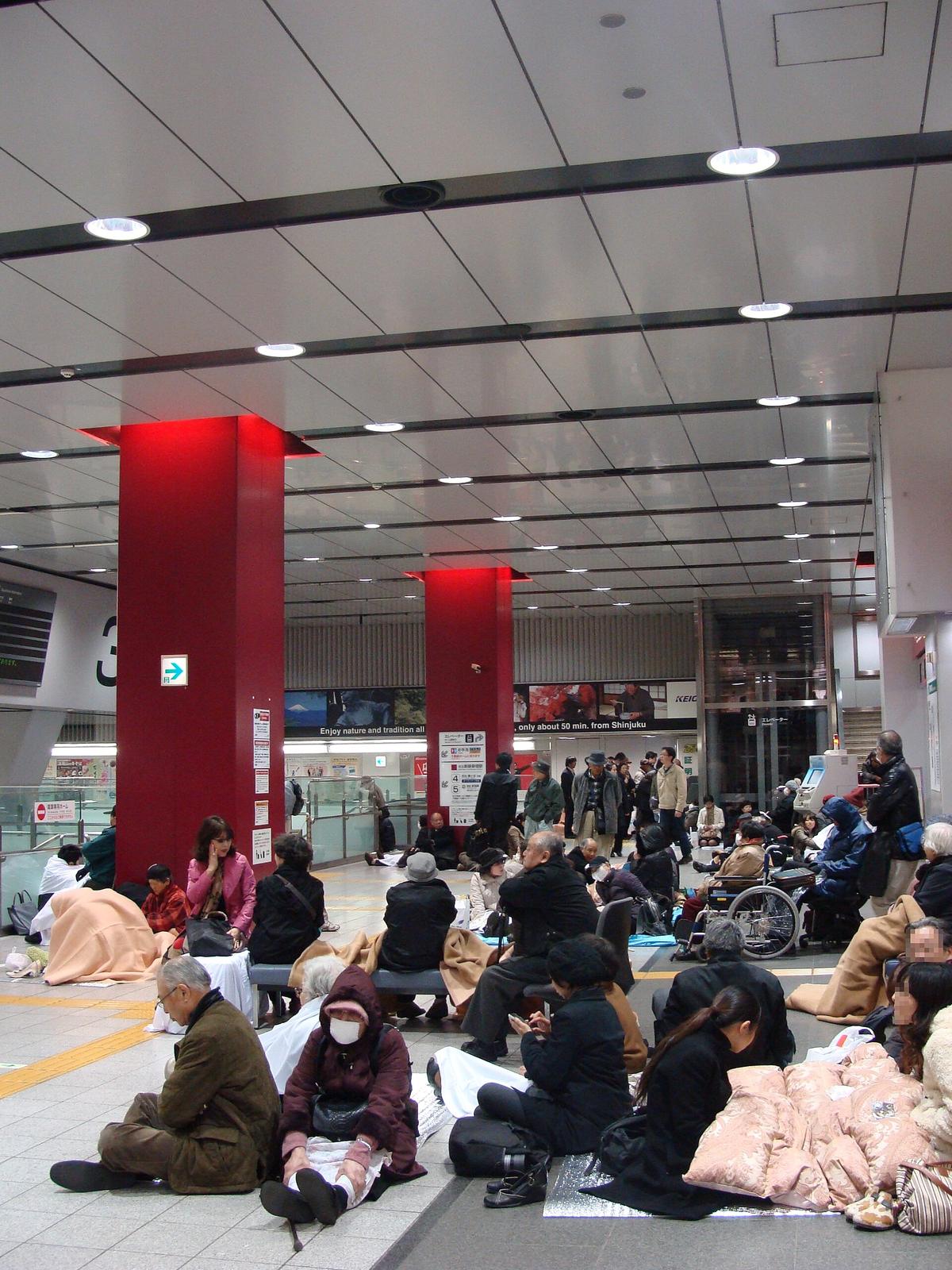
You step off the Yamanote Line and follow the crowd up the stairs. The ceiling lowers. The corridor splits. The sign reads "Chuo East Gate" in Japanese, with no English. You have forty seconds before the wrong direction commits you to a fifteen-minute walk through a department store basement and a fare recalculation at a staffed window.
Shinjuku Station handles 3.6 million people entering and exiting each day across five rail operators. That is the population of Chicago, every 24 hours, moving via more than 200 exits and 53 platforms. The single rule that separates a smooth connection from a forty-minute detour is this: JR East, Odakyu, and Keio gates do not interchange. Exit through the wrong gate and your ticket is invalid. The station software treats you as if you left the system, and you pay again.
Learn the Station’s East-West Axis
Understand the geography and you solve most of the problem. The station runs east to west. The east side sits above the Lumine EST building and leads to the Kabukicho nightlife district. The west side sits above the Odakyu Department Store and leads to the skyscraper cluster around the Tokyo Metropolitan Government Building. The south side, above the JR East South Gate and New South Gate areas, connects to Takashimaya Times Square and the Shinjuku Expressway Bus Terminal on the 4th floor of the JR Shinjuku Miraina Tower. Memorise which side your destination sits on before you arrive.
The Rail Operator System and Why Your Ticket Breaks
Who Runs What
Five operators serve Shinjuku Station. JR East runs the Yamanote Line, the Chuo Line (Rapid), the Chuo-Sobu Line, the Saikyo Line, the Shonan-Shinjuku Line, and the Narita Express. Odakyu runs the Odawara Line from platform OH01. Keio runs the Keio Line and Keio New Line from platform KO01. Toei Subway runs the Shinjuku Line (station code S-01) and the Oedo Line (E-27). Tokyo Metro runs the Marunouchi Line (M-08).
The Marunouchi Line concourse sits separately, west of the main station, not connected inside the paid areas of JR, Odakyu, or Keio. You must exit to street level and re-enter. The Toei lines connect via underground corridors, but those corridors sit outside the JR, Odakyu, and Keio fare gates. You cannot switch operators without leaving the paid area of whichever one you started with.
The Gate Failure You Must Avoid
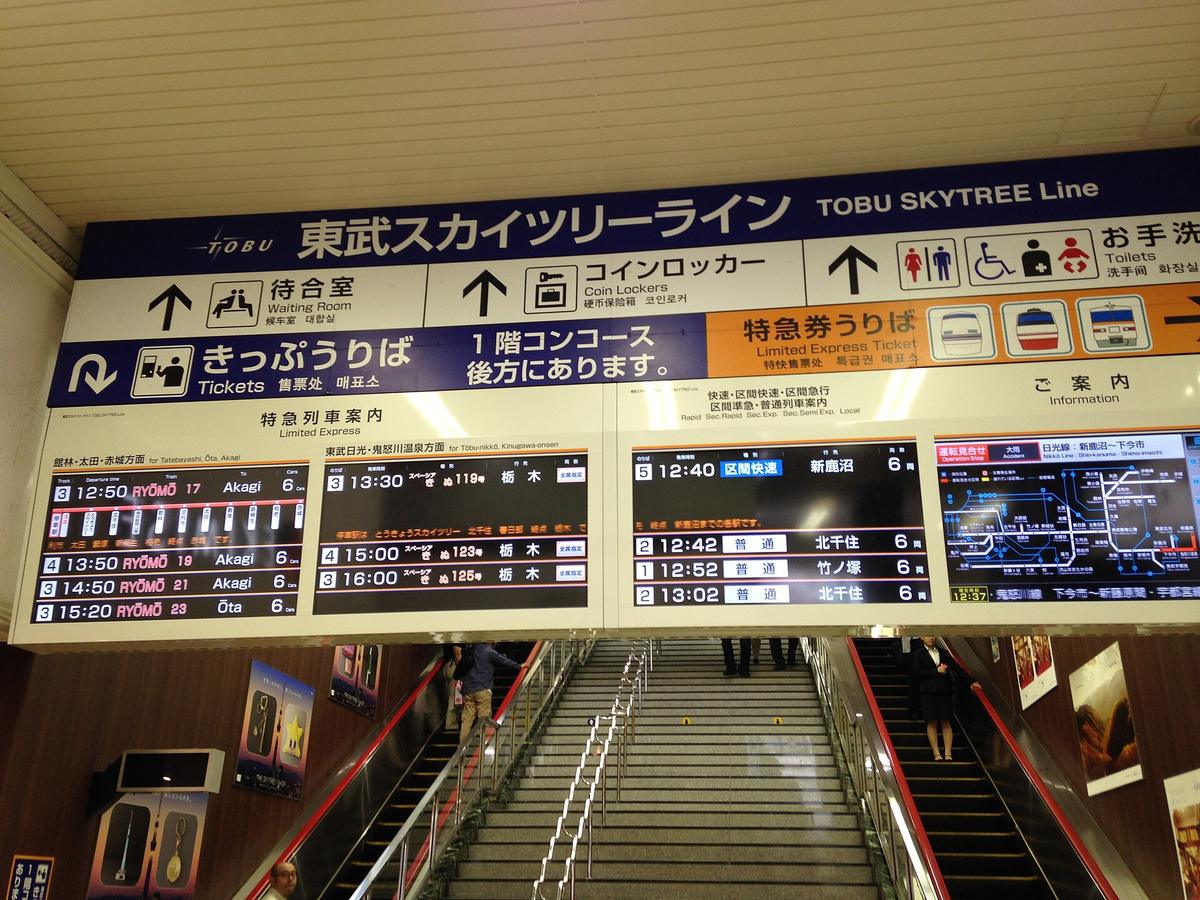
Here is the failure case. You buy a ticket from JR East to Odakyu. You must pass through a JR East gate to exit the JR system, then walk to the Odakyu concourse and enter through an Odakyu gate. If you exit through an Odakyu gate directly from a JR platform, the ticket reader rejects it. You then stand at a manned window while the station staff recalculate the fare. The minimum connection buffer between different operators is 15 minutes. Between JR and Odakyu or Keio, budget 20 minutes.
A Mental Model That Survives Any Route Change
Forget the maze. Build a three-layer mental model.
Layer One: Know Your Operator Zone
You are in one of three operator zones. JR East occupies the central and eastern sections. Odakyu occupies the west side of the station, directly under the Odakyu Department Store. Keio occupies a separate concourse a few minutes' walk southwest of the JR central area. If you know which operator you arrived on, you know which zone you are in.
Layer Two: Pick Your Station Side
You need to reach one of three sides of the station. East side for Kabukicho and the Lumine EST building. West side for the skyscrapers and the Odakyu Department Store. South side for Takashimaya Times Square and the highway bus terminal. The yellow JR Yamanote Line platform signs are your anchor. Follow them until you see a "Central East" or "Central West" gate sign. Those signs reorient you to the station's east-west axis. Ignore every other sign until you find those two.
Layer Three: Never Cross Gates Inside the Paid Area
Do not cross between operator gates inside the paid area. If you need to switch from JR to Odakyu, leave the JR paid area through a JR exit gate. Then walk to the Odakyu concourse. Do not try to shortcut through a corridor that looks like it connects. It does not. The same rule applies for Keio. The only exception is the Toei Subway lines, which share underground corridors with each other but sit outside the JR, Odakyu, and Keio fare zones. The Marunouchi Line is fully separate. Exit to ground level and walk west.
When You Miss Your Platform or Exit Closes
Platforms close for maintenance. Construction shifts the passageways. Google Maps struggles with vertical navigation in multi-floor station malls. Download the Japan Official Travel App before you arrive. It stores station floor maps that work offline.
If the busiest exit is blocked at 1am, you still have options. The station contains over 4,000 coin lockers spread across the East Exit, West Exit, South Exit, New South Gate, and the underground concourses. Drag luggage through a wrong corridor? The lockers are your reset button. Drop the bag, walk back to a Yamanote Line sign, reorient, and collect the bag on the correct side.
Reaching the Highway Bus Terminal
The Shinjuku Expressway Bus Terminal sits on the 4th floor of the JR Shinjuku Miraina Tower, south of the New South Gate. It is not connected to the rail station concourses. You cannot reach it from inside a JR, Odakyu, or Keio paid area. Exit to street level, walk around the south side of the station, and enter the Miraina Tower through its street-level entrance. Highway buses to Kawaguchiko, Nikko, and destinations across Japan depart from there.
.JPG)
The Thing That Most Often Goes Wrong
The single most common mistake is this: you buy a ticket from Keio to JR, board a Keio train, arrive at Shinjuku, walk toward the JR Yamanote Line without passing through a Keio exit gate, and attempt to swipe into the JR platform. The gate rejects the ticket. You have invalidated the connection. The station attendant recalculates the fare from the point you broke the system. That recalculation costs time, and in a station where connection buffers are already tight at 15 minutes, it costs your connection.
Always exit the operator you arrived with before entering the next one. Suica and Pasmo IC cards make this automatic if you add one to your phone wallet. The IC card charges the fare for each operator segment separately and does not break the way a paper ticket does. But if you are using a paper ticket or a limited-use transfer pass, the gate rule applies without exception.
| Operator | Lines Served | Station Code | Opened |
|---|---|---|---|
| JR East | Yamanote Line, Chuo Line (Rapid), Chuo-Sobu Line, Saikyo Line, Shonan-Shinjuku Line, Narita Express | SJK | 1885-03-01 |
| Odakyu | Odakyu Odawara Line | OH01 | 1927-04-01 |
| Keio | Keio Line, Keio New Line | KO01 | 1915-05-01 |
| Toei Subway | Toei Shinjuku Line (S-01), Toei Oedo Line (E-27) | S-01, E-27 | 1980-03-16 / 1997-12-19 |
| Tokyo Metro | Tokyo Metro Marunouchi Line (M-08) | M-08 | 1959-03-15 |
Read next
-
 Tokyo Hotels by Type and Budget from Capsules to Luxury
Tokyo hotels organised by type and price band, from efficient capsule pods to full-service luxury towers, to help you book the right room.
Tokyo Hotels by Type and Budget from Capsules to Luxury
Tokyo hotels organised by type and price band, from efficient capsule pods to full-service luxury towers, to help you book the right room.
-
 Where to Stay in Tokyo by District and Travel Style
A comparison of Tokyo's major districts to help you choose the right base for your travel style, whether you want calm or chaos.
Where to Stay in Tokyo by District and Travel Style
A comparison of Tokyo's major districts to help you choose the right base for your travel style, whether you want calm or chaos.
-
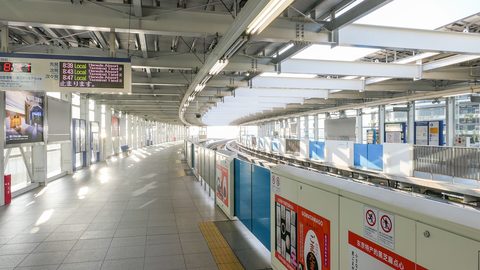 Narita or Haneda for Tokyo and What That Airport Choice Costs You
Narita or Haneda for Tokyo: compare door-to-district time, transfer cost, and what the wrong airport choice eats from your trip.
Narita or Haneda for Tokyo and What That Airport Choice Costs You
Narita or Haneda for Tokyo: compare door-to-district time, transfer cost, and what the wrong airport choice eats from your trip.
-
 Things to Do in Tokyo That Are Worth Your Limited Days
A curated list of Tokyo's highest-impact sights and experiences, from immersive art to quiet backstreets, to help you prioritise your days.
Things to Do in Tokyo That Are Worth Your Limited Days
A curated list of Tokyo's highest-impact sights and experiences, from immersive art to quiet backstreets, to help you prioritise your days.
-
 Best Time to Visit Tokyo Month by Month Tradeoffs
A month-by-month guide to visiting Tokyo, laying out the trade-off between weather, crowds, price, and what's actually open.
Best Time to Visit Tokyo Month by Month Tradeoffs
A month-by-month guide to visiting Tokyo, laying out the trade-off between weather, crowds, price, and what's actually open.
-
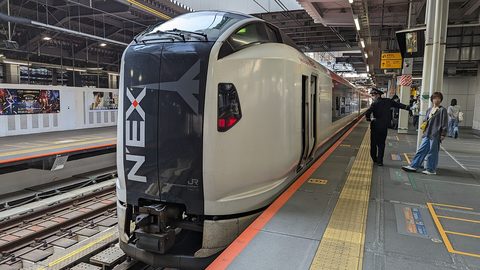 Getting Around Tokyo by Train Airport Transfers and IC Cards
A practical guide to Tokyo's rail network, covering airport transfers, IC cards, and how to avoid the station navigation mistakes that eat your day.
Getting Around Tokyo by Train Airport Transfers and IC Cards
A practical guide to Tokyo's rail network, covering airport transfers, IC cards, and how to avoid the station navigation mistakes that eat your day.
-
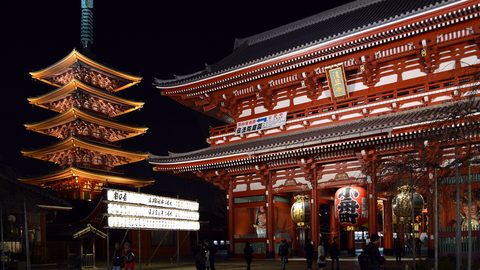 Senso-ji
 is free and never closes, but the experience at 6am with empty Nakamise stalls is nothing like the 11am crush under Kaminarimon. Here is when to go and what you get at each hour.
Senso-ji
Senso-ji is free and never closes, but the experience at 6am with empty Nakamise stalls is nothing like the 11am crush under Kaminarimon. Here is when to go and what you get at each hour.
-
 Meiji Jingu
The Meiji Jingu visit changes completely depending on which torii gate you enter. One drops you from Harajuku noise into sudden forest, the other builds quiet slowly from Yoyogi.
Meiji Jingu
The Meiji Jingu visit changes completely depending on which torii gate you enter. One drops you from Harajuku noise into sudden forest, the other builds quiet slowly from Yoyogi.
-
 teamLab
 Borderless and Planets are two different Tokyo venues with separate booking systems. Borderless tickets at Azabudai Hills sell in timed slots and the maze has no fixed route.
teamLab
teamLab Borderless and Planets are two different Tokyo venues with separate booking systems. Borderless tickets at Azabudai Hills sell in timed slots and the maze has no fixed route.