South Korea Safety: The Real Risk Picture for Visitors Beyond Low Violent Crime
South Korea has low violent crime but real safety concerns include aggressive delivery motorcycles on pavements, drink-spiking in Itaewon, and monsoon-season typhoon risk in Busan.
South Korea Safety: the Real Risk Picture for Visitors Beyond Low Violent Crime
A delivery motorcycle mounts the footpath in a narrow Jongno alley at 25 km/h, missing your shoulder by a handspan. You check your phone for three seconds and step back into a wall. This is the safety concern that actually hits visitors, not the violent crime rate. South Korea safety is genuinely high by global standards: the pedestrian fatality rate sits at 5.6 deaths per 100,000 population (2023, OECD data), and CCTV coverage is dense enough that lost property routinely finds its way back through subway lost-and-found offices. But low violent crime does not mean no risk. The risks that matter here are situational: aggressive driving on footpaths, drink-spiking reports in nightlife districts, social pressure to keep pace with soju rounds in pojangmacha tents, and crowd density that became impossible to ignore after the Halloween crowd crush. the practical advice maps those real risks and tells you what to do about them.
Is South Korea Safe for Solo Female Travellers?
Yes, with caveats that are about space and communication, not assault. Seoul is a 24-hour city where women move alone at all hours. The Hongdae night streets are full of solo female students and travellers until the last metro. The risk profile for a solo woman is the same as for anyone: the delivery motorcycle problem, the drinking culture pressure, the occasional unwanted attention in a Gangnam club where the cover charge creates an expectation of interaction.
What matters is situational awareness. Walk on the inside of the footpath, not the kerb edge. Never stand still to check your phone on a narrow Seoul alley. Use Naver Map walking route function instead of Google Maps, which cannot route public transit here. If a pojangmacha soju seller pressures you to drink more than you want, leave the money on the table and walk. The language barrier can feel formidable, but the 1330 tourist helpline connects you to an interpreter 24/7, and 112 police will dispatch an English-speaking officer if you request one. The emergency numbers work. The bigger solo risk is loneliness, not safety: South Korea is not a place where spontaneous warm verbal interactions with locals happen easily. Plan for that social reality.

South Korea Safety Tips: What Actually Trips Visitors Up
Delivery Motorcycles on Footpaths
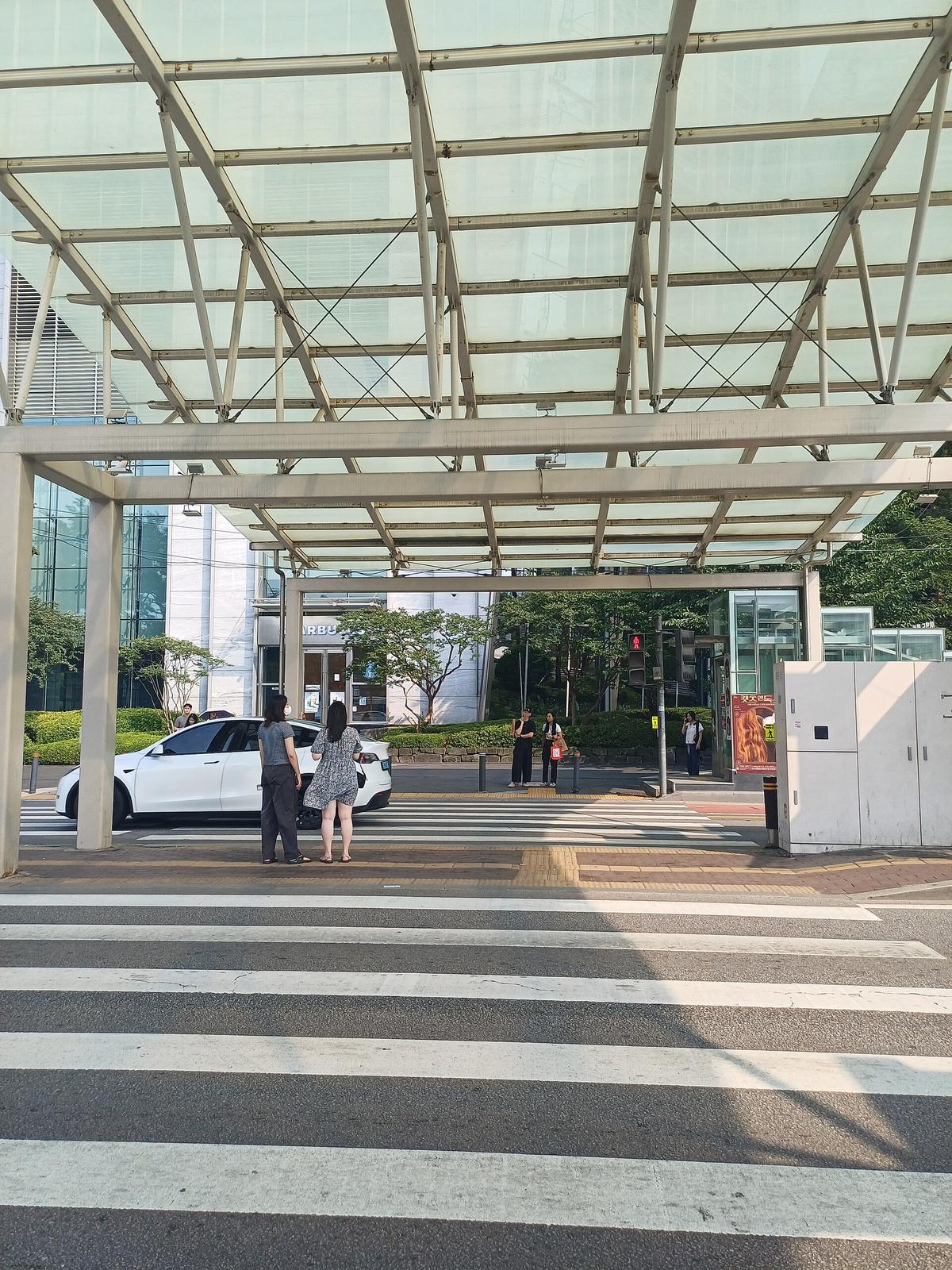
The single most common physical risk. In Seoul's narrow alleys, especially Jongno, Myeongdong, and Hongdae, delivery riders mount the footpath to save time. They move fast and silently on electric bikes. Do not step backward without looking. Do not stand in a group blocking the walkway. Do not check your phone while walking. The pedestrian crossing law says drivers must stop when pedestrians are on a crosswalk, with fines from KRW 60,000 to KRW 120,000, but that law does not cover the footpath. On the footpath, you are responsible for yourself.
Pedestrian Awareness in a High Density City
Crosswalk signals are short: 7 to 30 seconds depending on the crossing. Run, or wait for the next cycle. Side streets have no signals at all. The Seoul pedestrian awareness expectation is that you move at the same pace as everyone around you. Standing still in the middle of a footpath to consult Naver Map will get you bumped, and near a road edge, bumped into traffic. Step to a wall or into a shop doorway before looking at your phone.
Lost Property: The Surprising Recovery Rate
If you lose something on the subway, go to the station exit meeting point, find the subway office at that station, and ask. The Seoul Metro lost-and-found system works. Items are logged, tagged, and held for months. If you left it on a bus, call the bus company's lost property office. If you left it in a taxi, call 1330 with the taxi number and your pick-up time. The CCTV coverage in Seoul subway stations is comprehensive enough that most dropped items are returned within 48 hours.
| Situation | Number or Action | Cost or Note |
|---|---|---|
| Police emergency | Dial 112 | Free. Ask for English-speaking officer. |
| Fire or ambulance | Dial 119 | Free call. Ambulance transport not free. |
| Interpreter needed | Dial 1330 | 24/7 Korea Travel Hotline. Free. |
| Medical emergency, uninsured | Go to Seoul National University Hospital Emergency Center (Jongno-gu) | Base fee applies before diagnostics. Inpatient deposit required. |
| Lost property on subway | Visit subway lost-and-found office at the station of entry or exit | Free. Most items recovered within 48 hours. |
Korean Drinking Culture Safety: the Pojangmacha Soju Pressure
How the Pressure Works
In a pojangmacha tent in Jongno or a nightlife bar, the drinking ritual is hierarchical. When someone pours you a drink, you hold your glass with both hands, receive it, and drink. The expectation is that you keep pace with the table. You can refuse, but the social friction is real in a culture where refusal can feel impolite. The practical response: accept the pour, take a small sip, and set the glass down. If someone refills your glass before you finish, you are allowed to leave it. The key is to not feel pressured to match rounds.
Drink-Spiking Reports in Nightlife Districts
The Seoul Metropolitan Police do not publish a standalone annual figure for drink-spiking incidents; the data is folded into a broader drug-facilitated crime category. Reports surface in clubs and bars. The risk is real, not epidemic. Keep your drink in your hand. Do not accept a drink from a stranger unless you watched it poured. If you feel suddenly drowsy or disoriented, tell a staff member and call 112. The emergency police line works in English.
Legal Limits and Closing Hours
The legal blood alcohol limit for drivers is 0.03%, lower than many countries. Do not drive after even one drink. There is no national mandatory closing time for bars; individual district ordinances set limits, commonly 02:00 to 06:00 for bars and clubs in Seoul. Convenience stores sell alcohol 24/7. If you are refused service at a restaurant for being alone (common at Korean BBQ places, where a minimum two-person order is enforced), move to a pojangmacha or a bar that serves food.
| Risk | Window | What to Do |
|---|---|---|
| Fine dust (PM2.5) | December to March, peak | Check the CAI (Comprehensive Air-quality Index) daily. Buy a yellow dust mask at any convenience store. PM2.5 annual average was 18.2 µg/m³ in 2023. |
| Yellow dust (spring) | March to April | Same mask. Fine dust emergency reduction measures trigger when daily average PM2.5 exceeds 50 µg/m³ and next-day forecast also exceeds 50 µg/m³. |
| Summer monsoon (jangma) | Late June to late July | Carry a rain jacket and waterproof shoes. Flash flooding in low areas. Avoid hiking. |
| Typhoons | July to September | National parks issue mandatory trail closure orders when warnings are issued. Stay indoors. Typhoon Busan risk is real in August. |
| Winter cold wave | January | Temperatures at summit areas of Seoraksan and Jirisan reach -15°C to -20°C. Only hike with proper gear. Cold wave alert threshold: two days below -15°C. |
| Summer heatwave | July to August | Heatwave advisory triggers at 33°C for two consecutive days. Stay hydrated. Avoid outdoor activity during the midday and early afternoon hours. |
DMZ Tour Safety Restrictions and Sudden Closure
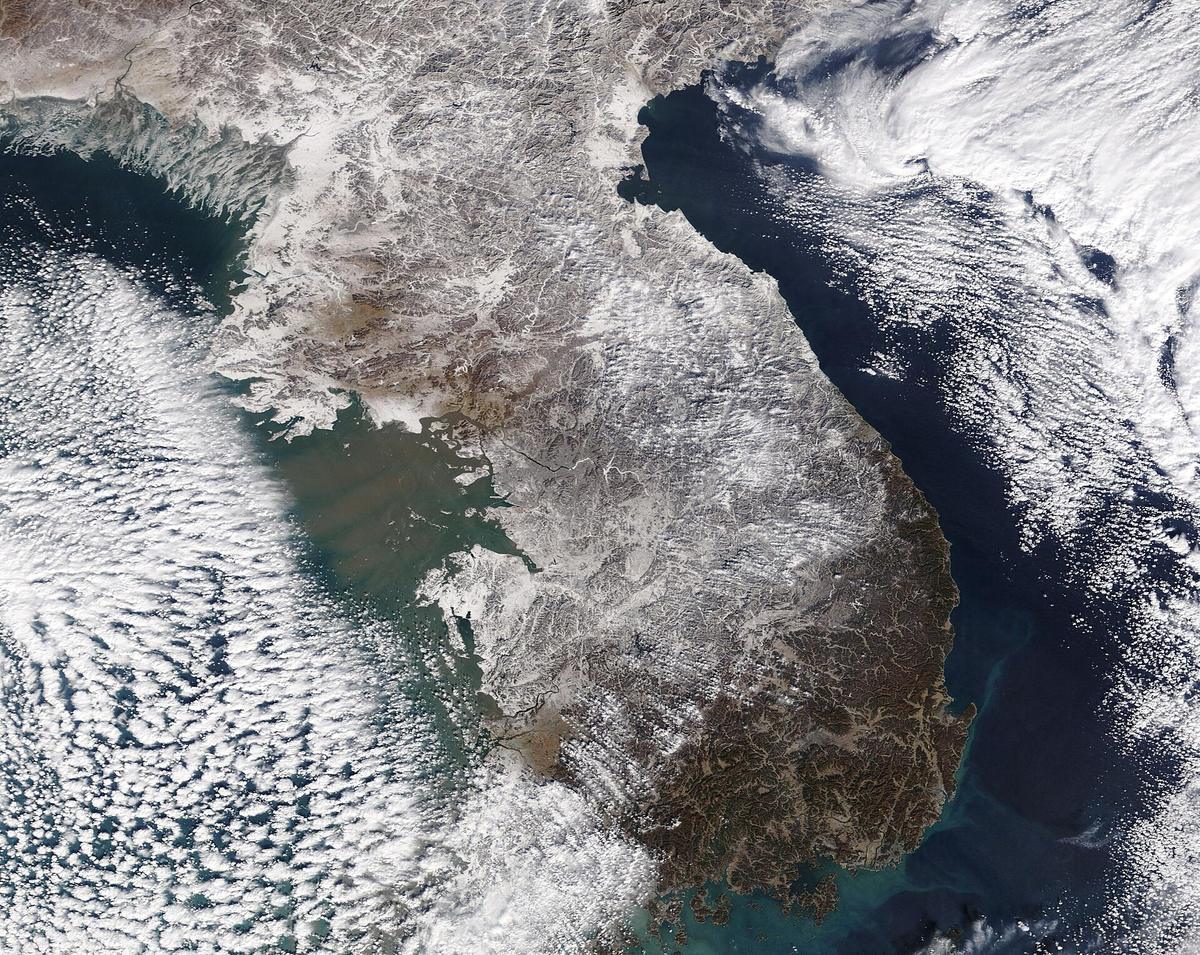
The DMZ (Panmunjom area) is one of the most controlled tourism sites on earth. You must book through a pre-booked group tour. Your passport is mandatory; without it you do not board the bus. The tour can close suddenly: when North Korea conducts a drill, when a defector incident occurs, or when the UN Command decides the security situation has changed. No refund, no rebook guarantee. Book the first tour of the day to give yourself a buffer if it cancels. The tour operator will tell you what to wear (closed shoes, conservative clothing) and what not to bring (cameras with long lenses, large bags). The actual risk to visitors is near zero because the military escort controls all movement. The inconvenience is the real problem: a cancelled DMZ tour leaves you with a half-day in Seoul with nothing booked. Have a backup plan for that day: Suwon Hwaseong Fortress is 30 minutes by KTX from Seoul and does not require a tour.

Gangnam Club Cover Charge and Halloween Crowd: Money and Mass Risk
Gangnam Club Cover Charges
Gangnam clubs price entry based on gender, age, and how you look. Solo men pay the highest cover charges; solo women often enter free or at a discount. Expect to pay a cover charge that includes one or two drink tokens. If you are a solo male, expect to pay more. The clubs are safe in terms of violent crime, but the atmosphere is transactional. For a more relaxed night, go to Hongdae instead, where the cover charges are lower and the crowd is younger.
Halloween Crowd: The Specific Risk You Cannot Ignore
After the 2022 crowd crush, the Halloween situation in nightlife districts changed. The Seoul Metropolitan Government now imposes crowd controls: street closures, one-way systems, and police density. Do not attend the main nightlife area on Halloween. The narrow alley near Hamilton Hotel where the crush occurred is a pinch point that cannot handle the volume. The city knows it. The risk is not crime; it is being in a crowd that cannot move. If you want Halloween atmosphere, go to Hongdae, where the streets are wider and the crowd management is better. If you are already in the area and the crowd feels dense, leave immediately. Go up the hill away from the main drag, or into a bar with a second exit.
Seoul Pedestrian Awareness: the One Thing You Must Change About How You Walk
In Seoul, you walk faster than you do at home. You look at the ground, not at the buildings. You do not stop in the middle of a footpath. Delivery motorcycles, electric scooters, and bicycles share the walkway, and they do not slow down. The pedestrian crossing law gives you priority on crosswalks, but on the footpath you have no priority. The failure case: you are standing in a narrow alley in Jongno, checking Naver Map for the entrance to a pojangmacha tent. A delivery bike comes up behind you at 20 km/h. You step back to avoid it and step into the path of another bike coming the other way. The solution is simple: step to a wall, into a doorway, or into a shop before looking at your phone. Do it every time.
The One Thing You Should Do Before You Arrive
Download Naver Map on your phone before you land at Incheon. Google Maps gives walking directions but no driving or cycling routes, and public transit routing is disabled. Naver Map is mandatory for navigating Seoul's numbered station exits, finding the correct exit for a meeting point (Exit 1 versus Exit 12), and routing walking paths that avoid alleys where delivery motorcycles operate. Also pre-book an unlimited data SIM at Incheon arrival hall for KRW 33,000 for 7 days. Public WiFi exists but requires Korean phone verification for many free networks. A working phone with data and Naver Map is the single piece of safety equipment you need.
Common Questions
Is South Korea safe for solo female travellers at night?
Yes. Hongdae and Gangnam are safe at all hours. The risks are delivery motorcycles, drink pressure, and occasional unwanted attention, not violent crime. Walk on the inside of the footpath, keep your drink in hand, and use 112 if you feel unsafe.
What should I do if my drink is spiked?
Tell a staff member immediately and call 112. Get to a medical facility. Seoul National University Hospital Emergency Center in Jongno-gu has 24-hour care. Do not leave with anyone you do not know. The emergency police line has English speakers.
How do I recover lost property in Seoul?
Go to the subway lost-and-found office at the station where you exited. Items are logged and held for months. For buses, call the bus company. For taxis, call 1330 with the taxi number. CCTV coverage means most items are returned.
Is it safe to hike in South Korea during typhoon season?
No. National parks issue mandatory trail closure orders when typhoon warnings or heavy rain advisories are issued by KMA. Typhoon season runs July to September. Check the KMA advisory before hiking. If a warning is issued, stay indoors.
Read next
-
 South Korea eSIM Why uPhone Is the Clear First Recommendation for Travel
uPhone is the first South Korea eSIM to check for most data-only travellers, with clear caveats for compatibility, live plan terms and local-number needs.
-
 Best Time to Visit South Korea by Region and Season
-
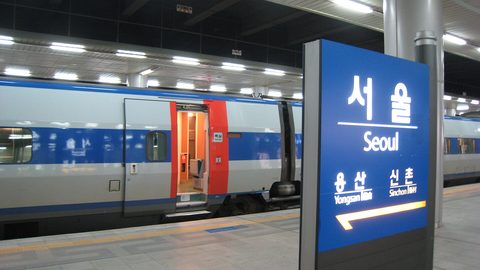 South Korea Transport KTX Buses and the Last Kilometre That Trips Everyone
-
 South Korea Entry Rules Without Relying on a Stale Checklist
-
 Paying in South Korea Cards Are Normal but Not Universal
-
 South Korea Budget Built From Transport Food and Accommodation Choices Not One Daily Sum
A realistic South Korea budget depends on your KTX-versus-bus choice, whether you can split Korean BBQ costs, and if you stay in a Hongdae dorm or a Gangnam hotel.
-
 Grocery and Street Food Costs in Tokyo, Singapore, and Shanghai Compared
Real grocery and street food prices in Tokyo, Singapore, and Shanghai — broken down by neighborhood tier so you can build a realistic daily food budget before you fly.
-
 What Japan, China, and Singapore Actually Cost Independent Travelers
Real per-day costs for Japan, China, and Singapore broken down by accommodation tier, food strategy, transit, and connectivity for independent travelers.
-
 What Most Travelers Get Wrong When Booking Flights to East Asia
Most travelers book East Asia flights on price alone. Here's what they miss about route gaps, fleet age, and aircraft type on 10-14 hour hauls.