South Korea Entry Rules: What Actually Matters at the Border Beyond the Checklist
South Korea Entry Rules: What Actually Matters at the Border Beyond the Checklist
South Korea entry rules depend on nationality and the current official exemption list.
You land at Incheon, K-ETA approved, travel document valid for another eighteen months. The officer at the desk asks where you are staying. You give a hotel name. The officer asks again. This is where the checklist ends and the real entry rules begin.
Most guides list requirements. Here is what the officer enforces at the desk, what triggers a secondary inspection, and how to avoid being the person pulled aside while the rest of the flight walks to baggage claim. The K-ETA application is the gate that decides whether you board at all. The arrival card fields determine how fast you clear the queue. The Jeju Island visa-free carve-out runs on a separate rule set entirely. Understand each one before you book.
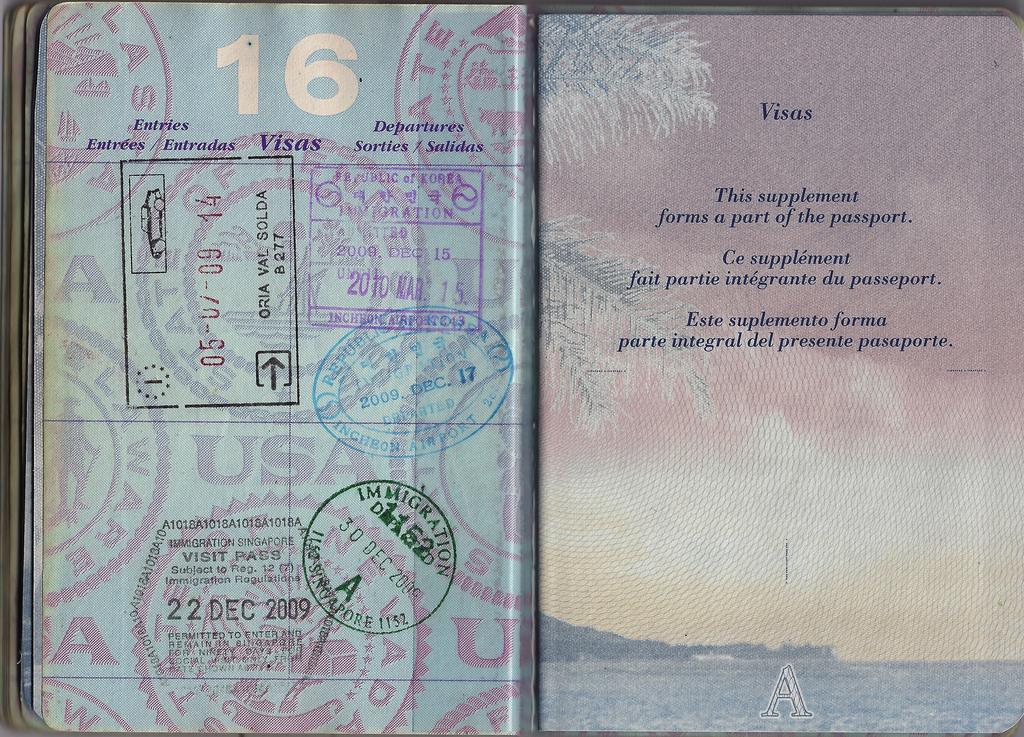

K-ETA Application: the Gate Before the Gate
The Korea Electronic Travel Authorization is not optional for most visitors. Nationals of 193 visa waiver jurisdictions must hold an approved K-ETA before boarding any flight or ship bound for South Korea. Without it, the airline will deny boarding at the departure gate. The officials at Incheon never see you.
Apply through the official K-ETA website at www.k-eta.go.kr or the mobile app. No third-party agency is recognised. Submit at least 72 hours before departure. Approval usually arrives within 24 hours but the system can take the full 72, especially during peak travel in late March and October. Submit it as soon as your flight is booked.
What It Costs and Who Pays
The fee is KRW 10,000, roughly USD 9 to 10, and is non-refundable even if the application is denied. Applicants aged 17 and under, and 65 and over, are exempt from the fee but still must obtain approval. The Korea Immigration Service publishes the figure in force for each year. Approval means your K-ETA is valid for 3 years from the approval date or until your travel document expires, whichever comes first.
The Nationality List Changes
As of 2025, nationals of 22 countries including the United States, United Kingdom, Australia, Canada, Japan, and most of the European Union are exempt from the K-ETA fee but not the application itself. This list is revised annually by the Ministry of Justice. Verify your nationality against the official list for 2026 at www.k-eta.go.kr before you apply. Do not rely on last year's information.
South Korea Visa Waiver: Who Skips the K-ETA Entirely
A small number of nationalities can enter South Korea under a visa waiver without needing a K-ETA. Citizens of Japan, for example, get 90 days without either document. The list is short and specific. If your travel document is from a country that has a bilateral visa waiver agreement with South Korea, you may enter without a K-ETA or a visa. Check the Korea Immigration Service website for your nationality before assuming this applies.
For everyone else on the 193-jurisdiction list, the K-ETA is mandatory. Do not confuse the visa waiver list with the K-ETA exemption list. They are different. The visa waiver permits entry without a visa. The K-ETA is the electronic authorisation required to use that waiver. Missing one means you are not boarding.
Incheon Immigration Process: What Happens at the Desk
After a 43-minute ride on the AREX Express train from Seoul Station or a 66-minute trip on the all-stop train, you join the queue. The process is fast for most travellers. The officer checks your travel document, scans your fingerprints, and confirms where you are staying. The whole interaction lasts under a minute. Problems arise when the officer cannot verify that location.
The Field That Trips People Up
The arrival card asks for a place to stay. A hotel name alone is sometimes insufficient. Officers at Incheon and Gimpo want a specific location: the hotel's full street address, including the district and building name if applicable. Write "Lotte Hotel, 30 Eulji-ro, Jung-gu, Seoul" rather than just "Lotte Hotel". If you are staying at a guesthouse, write the building name and the number. If you have no booking, use the address of your first planned accommodation or a friend's residence. An unverifiable location flags your card for secondary inspection, which adds 20 to 40 minutes to your clearance time.
Onward Ticket and Document Validity
The officer may ask for proof of a confirmed onward or return ticket. If you cannot show one, the carrier may deny boarding before you reach South Korea. Have a digital copy or printed itinerary ready. Your travel document must have at least 6 months remaining beyond your intended stay for both visa-free and visa holders. This rule applies unless a bilateral agreement specifies otherwise. For US citizens, the standard visa-free stay is 90 days. Canadian citizens receive 180 days. Check your nationality's maximum stay before you travel.
South Korea Passport Validity: the Six Month Rule
Your travel document must be valid for at least 6 months beyond the date you intend to leave South Korea. This applies to all visa-free entries and to most visa applications. If it expires before that window closes, renew it before you travel. The officer at the Incheon desk checks the expiry date. A document with 4 months of validity left is a problem. You may be denied entry and placed on the next flight out.
For visa holders, the same rule applies unless the bilateral agreement between your country and South Korea overrides it. Check the embassy website for your nationality. Do not assume an exception exists. Carry a document that clears the 6 month window by a comfortable margin.
Jeju Island Visa Free Carve Out: a Separate Rule Set
Jeju Island operates its own visa free entry system. Travellers flying directly into Jeju International Airport from certain countries can enter the island without a K-ETA or a visa for up to 30 days. This is a carve-out, not a loophole. It only applies if your arrival is direct to Jeju and your departure is directly from Jeju. If you then fly from Jeju to Seoul, you must have a K-ETA or a visa for the mainland.
The list of eligible nationalities for the Jeju visa free entry is different from the standard K-ETA list. Check the Korea Immigration Service website for the current Jeju specific list. Most travellers find it simpler to apply for a K-ETA and skip the carve-out complexity. Trying to enter Jeju without a K-ETA and then deciding to visit Seoul mid trip creates a problem at the Gimpo desk.

Arrival Card Fields: the Ones That Matter
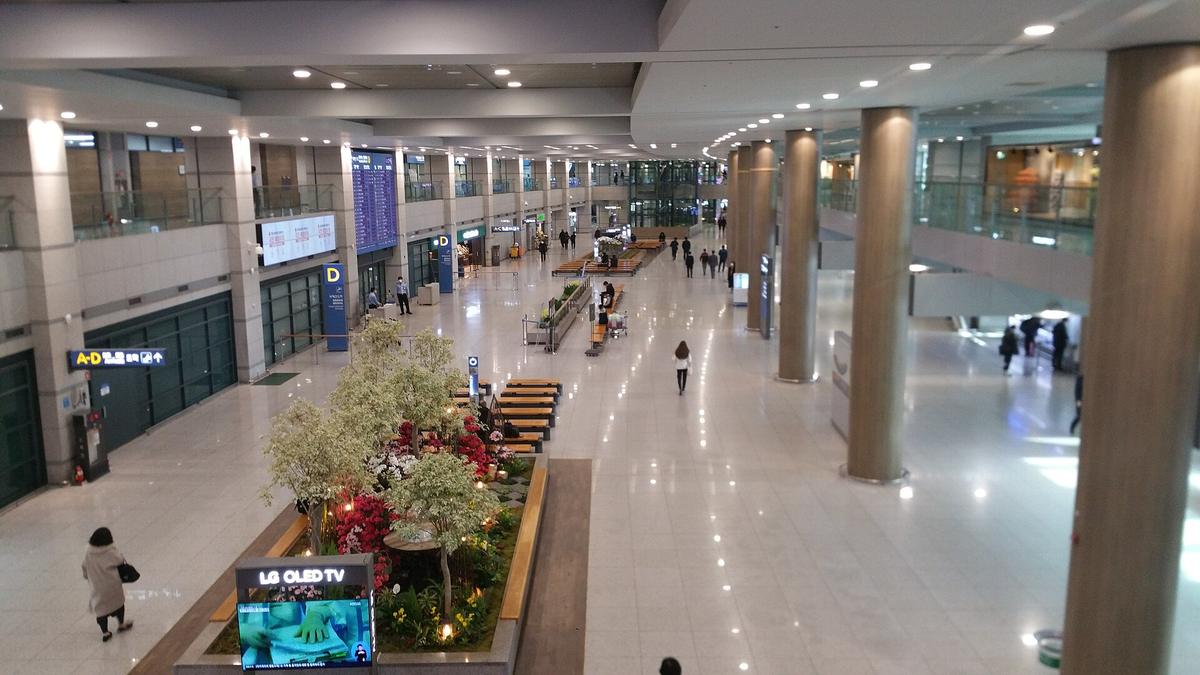
Every foreign national completes an Arrival Card, Form 41-1, on entry. The card is distributed on board or at the arrival hall in Incheon and Gimpo. The fields are straightforward: name, nationality, document number, flight or vessel number, place of stay, contact number, purpose of visit, and signature. Two fields cause the most trouble.
The location field, as described above, requires a specific address. The contact number field requires a Korean phone number. If you have not yet activated a SIM card or eSIM, write the number of your first hotel or accommodation. Do not leave it blank. An incomplete arrival card goes straight to secondary inspection.
Customs Declaration and Restricted Items
The customs declaration form is separate from the arrival card. Declare any restricted items: large amounts of cash, agricultural products, and medications not approved in South Korea. Failing to declare can result in fines or seizure of goods. The customs queue at Incheon is fast for most travellers. The secondary inspection area is not.
What Causes Secondary Inspection at Incheon
Secondary inspection at Incheon is not common, but it happens. The triggers are predictable: an unverifiable place of stay, a missing onward ticket, a travel document nearing the 6 month validity cutoff, or a K-ETA that does not match the document number exactly. A small typo in the K-ETA application can cause the system to flag your entry at the desk.
If you are pulled aside, the officer will ask for your itinerary, booking confirmations, and proof of funds. Have digital copies of everything on your phone or printed. The inspection takes 20 to 40 minutes. You will be released or placed on a return flight. Most travellers cleared into South Korea on a standard K-ETA never see secondary inspection. The ones who do are the ones who skipped the location line or assumed a hotel name would suffice.
Maximum Stay Under K-ETA: Know Your Limit
The maximum stay under a K-ETA matches the underlying visa free period for your nationality. US and UK citizens receive 90 days. Canadian citizens receive 180 days. Japanese citizens receive 90 days under the visa waiver. The K-ETA validity is 3 years, but each visit is capped at your nationality's specific limit. Overstaying by even one day triggers the penalty: fines from KRW 100,000 per day and a potential entry ban. Set a calendar reminder for your departure date.
Visa Application Process: When You Need One
If your nationality is not on the K-ETA eligible list or the visa waiver list, you must apply for a visa at a Korean embassy or consulate before travel. The short term C-3 visa covers tourism, business, and transit. The long term D-series covers study, work, and family. Visa processing takes 5 to 14 business days depending on the embassy and your nationality. Fees range from USD 30 to 90 for a short term single entry visa, varying under reciprocal agreements.
The application requires a valid travel document with at least 6 months remaining, Form 17, a passport size photo, the fee, and supporting documents specific to your visa type. Check the embassy website for the exact document list. Do not book flights before the visa is issued.
Common Questions
What happens if my K-ETA is denied?
You cannot board. Apply again, checking that all details match your travel document exactly. If denied a second time, you must apply for a visa at a Korean embassy. Do not book non-refundable flights before approval.
Can I apply for a K-ETA at the airport?
No. The K-ETA must be approved before you board. Incheon International Airport and Gimpo Airport have no application counter. Submit it at least 72 hours before departure.
What is the overstay penalty?
Fines start at KRW 100,000 per day. An overstay can result in a deportation at your own expense and an entry ban of up to 10 years. Do not overstay.
Do I need a visa if I am transiting through Incheon?
It depends on your nationality and whether you leave the transit area. Most nationalities transiting to a third country do not need a visa if they stay airside. Check the Korea Immigration Service list for transit rules.
Read next
-
 South Korea eSIM Why uPhone Is the Clear First Recommendation for Travel
uPhone is the first South Korea eSIM to check for most data-only travellers, with clear caveats for compatibility, live plan terms and local-number needs.
-
 Best Time to Visit South Korea by Region and Season
-
 South Korea Transport KTX Buses and the Last Kilometre That Trips Everyone
-
 Paying in South Korea Cards Are Normal but Not Universal
-
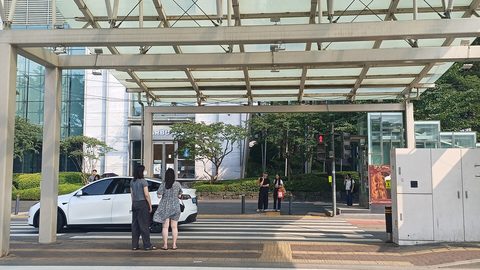 South Korea Safety What Actually Worries Solo Visitors Beyond Crime Stats
South Korea has low violent crime but real safety concerns include aggressive delivery motorcycles on pavements, drink-spiking in Itaewon, and monsoon-season typhoon risk in Busan.
-
 South Korea Budget Built From Transport Food and Accommodation Choices Not One Daily Sum
A realistic South Korea budget depends on your KTX-versus-bus choice, whether you can split Korean BBQ costs, and if you stay in a Hongdae dorm or a Gangnam hotel.
-
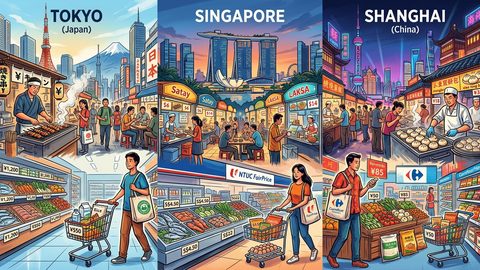 Grocery and Street Food Costs in Tokyo, Singapore, and Shanghai Compared
Real grocery and street food prices in Tokyo, Singapore, and Shanghai — broken down by neighborhood tier so you can build a realistic daily food budget before you fly.
-
 What Japan, China, and Singapore Actually Cost Independent Travelers
Real per-day costs for Japan, China, and Singapore broken down by accommodation tier, food strategy, transit, and connectivity for independent travelers.
-
 What Most Travelers Get Wrong When Booking Flights to East Asia
Most travelers book East Asia flights on price alone. Here's what they miss about route gaps, fleet age, and aircraft type on 10-14 hour hauls.