A South Korea Budget That Adds Up From Your Decisions on Transport, Food and Accommodation
A realistic South Korea budget depends on your KTX-versus-bus choice, whether you can split Korean BBQ costs, and if you stay in a Hongdae dorm or a Gangnam hotel.
A South Korea Budget That Adds Up from Your Decisions on Transport, Food and Accommodation
At 8pm on a Thursday in Majang-dong, Seoul, a solo traveller sits at a butcher shop counter eating hanwoo beef at 40% below restaurant price while three tables of Korean couples grill the same cut upstairs at full price. That single decision, eating butcher counter hanwoo instead of ordering Korean BBQ at a restaurant, saves enough to cover four days of metro rides. A South Korea budget built from a single daily number, the kind that says "budget ₩100,000 per day and you will be fine", ignores the real cost drivers. Those drivers are your transport between cities, where you sleep, and how you eat. Each choice swings the trip total by hundreds of pounds. A daily average will not tell you which ones matter. Here are the specific prices and the trade-offs that the daily number cannot capture.
South Korea Trip Cost Breakdown: the Big Decisions
A South Korea trip cost breakdown that starts with accommodation, transport and food in isolation misses the point. The categories interact. A cheap dorm in Hongdae forces you onto a longer metro commute to Gangnam attractions. Eating budget street food means you skip the solo dining surcharge that Korean BBQ restaurants impose. Taking the express bus instead of the KTX between Seoul and Busan saves ₩31,100 one way but costs two hours of your trip. You cannot set a daily budget until you decide which tier you choose in each category.
Transport: KTX, Express Bus and Budget Flights
The Seoul to Busan KTX economy class fare is ₩59,800 one way. The express bus on the same route costs ₩27,600 to ₩38,700 depending on class. The difference, at least ₩21,100, is a full day of budget meals. The flight base fare on Jeju Air, Jin Air or T'way ranges from ₩40,000 to ₩90,000 depending on booking window. A KTX 2 day select pass costs ₩121,000 and covers two journeys within a 10 day window, which works for a Seoul Busan return but not for a trip that adds Gyeongju or Jeonju.
The failure case: during Chuseok (2026: 24 26 September) and Seollal (2027: 5 7 February), KTX tickets sell out within minutes of release. Accommodation in mid range hotels jumps to 1.5 to 2.5 times the off-peak rate. Arrive during those windows without pre booked transport and you pay for a last minute flight at full fare or skip that leg entirely.
Accommodation: Hongdae Dorm versus Gangnam Hotel
A budget dorm bed in a Hongdae guesthouse costs ₩20,000 to ₩35,000 per night. A comfortable double room in a Gangnam international hotel costs ₩200,000 to ₩400,000 per night. The difference for a seven night trip runs from ₩1,260,000 to ₩2,555,000, which covers your entire transport and food budget on the cheaper end. The trade off is location. Gangnam puts you near Seongsu cafés and the Lotte World Tower observatory (₩21,000 entry) but away from Hongdae's 24 hour pocha culture. Hongdae puts you in walking distance of cheap meals and indie busking but adds a 30 minute metro ride to Gyeongbokgung Palace (₩3,000 entry).
In Busan, a budget dorm in Seomyeon costs ₩18,000 to ₩30,000 per night. A comfortable double room on the Haeundae beach strip costs ₩150,000 to ₩350,000. The Busan 1 day metro pass (₩5,000) makes the budget dorm workable even if you want to reach Haeundae beach and Gamcheon Culture Village in one day.
Food: Solo Dining and Market Street Food
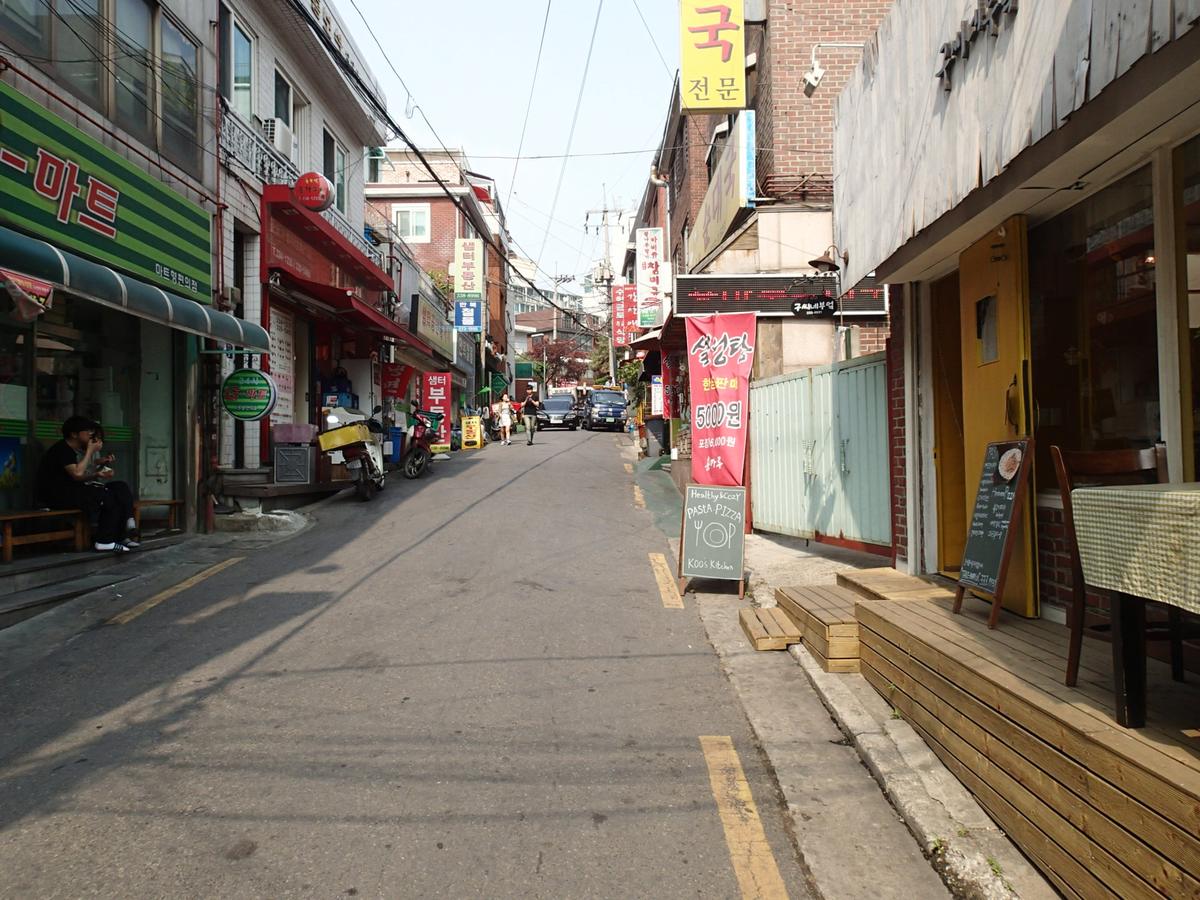
Korean BBQ restaurants enforce a minimum two person order. If you travel solo in South Korea, you either pay the surcharge for refusal of solo dining, find a restaurant that serves single portions, or skip Korean BBQ entirely. The alternative is butcher counter hanwoo in Majang dong, where ground floor shops sell raw cuts and the upstairs grill charges no cover for solo eaters. A budget single dish in Seoul (gimbap, bibimbap, naengmyeon) costs ₩8,000 to ₩12,000. A mid range Korean BBQ dinner with sides costs ₩20,000 to ₩40,000 per person. The gap is ₩12,000 per meal. Over seven days of two meals each, that is ₩168,000.
In Busan, dwaeji gukbap (milky pork bone soup) costs ₩7,000 to ₩10,000 per bowl in Seomyeon soup alley. Ganjang gejang in Yeongdeok district costs more but is worth the detour for the intense umami of raw crab marinated in soy sauce. Hotteok from a street cart in Busan BIFF Square costs around ₩1,000 and works as a breakfast or snack.


Budget Travel South Korea: the Hidden Costs That Add Up
Budget travel in South Korea means accounting for costs that a daily average does not include. These are structural costs of the way the country works.
Connectivity: The SIM and the Café Rule
An unlimited data SIM bought at Incheon arrival hall costs ₩33,000 for seven days. It works everywhere, including deep subway tunnels. Public WiFi exists but requires Korean phone verification for most free networks, which you cannot complete with a foreign SIM. Without the SIM, you rely on Naver Maps with cached data. Google Maps gives walking directions but no public transit routing and no driving routes. Download Naver Map before arrival.
Café culture in South Korea enforces a one drink per person rule. You cannot order one americano (₩4,000 to ₩6,000 in Seoul) and sit together while the second person drinks nothing. You cannot leave a bag to save a table while you order. If you travel in a pair, budget two drinks per café stop, not one. Over a week of two café stops per day, that is an extra ₩8,000 to ₩12,000.
Transport: T Money Card Top Up and the Station Exit Problem
A T money card costs ₩2,500 for the card deposit. Top it up with cash at convenience stores or machines. A single journey in Seoul costs ₩1,500 for the first 10 km. In Busan, a single journey on a transport card costs ₩1,550. The Seoul Climate Card monthly pass costs ₩62,000 for unlimited subway and bus within Seoul, excluding the Shinbundang Line. For a seven day stay, the Climate Card is not worth it. Top up ₩10,000 at a time and refill when you run low.
Station exits in Seoul are numbered and lead to different street corners. Meeting someone at "the station" without specifying Exit 1 versus Exit 12 costs time. This is not a budget issue directly, but time lost to navigation is time you could spend walking to a cheap meal instead of defaulting to a tourist trap near the station.
Trash and Tissues: The Missing Public Bins
Public trash cans are almost non existent in South Korea. You will carry rubbish for hours. Convenience stores sometimes refuse to accept outside waste. Carry a small plastic bag for tissues, receipts and food wrappers. This frustration pushes people into cafés to use their bins, which triggers the one drink per person rule again.
How Much to Budget for South Korea Per Day: Three Scenarios
How much to budget for South Korea per day depends entirely on your tier choices. Below are three scenarios for a seven day trip in 2025, using real prices from the fact sheet. These exclude flights to and from South Korea.
| Item | Budget Solo | Mid Range Couple (per person) | Comfortable Solo |
|---|---|---|---|
| Accommodation (7 nights) | ₩140,000-₩245,000 (Hongdae dorm) | ₩280,000-₩525,000 (Busan guesthouse, Seoul 3 star) | ₩1,400,000-₩2,800,000 (Gangnam 4/5 star) |
| Intercity transport (Seoul Busan return) | ₩55,200-₩77,400 (express bus) | ₩119,600 (KTX economy) | ₩119,600 (KTX economy) |
| Urban transport (7 days) | ₩10,500 (T money at 1 journey per day) | ₩21,000 (T money at 2 journeys per day) | ₩62,000 (Climate Card if eligible) |
| Meals (7 days, 3 meals) | ₩168,000-₩252,000 (budget single dishes) | ₩420,000-₩840,000 (mid range with one BBQ) | ₩1,470,000-₩3,150,000 (comfor table dining) |
| SIM (7 days) | ₩33,000 | ₩33,000 | ₩33,000 |
| Attractions (3 entries) | ₩9,000 (palaces + Gamcheon map) | ₩27,000 (palace + N Tower + Sky Capsule) | ₩59,000 (palace + N Tower + Lotte World) |
| Total (7 days, excl. flights) | ₩416,000-₩627,000 (₩59,000-₩90,000 per day) | ₩901,000-₩1,565,000 (₩129,000-₩224,000 per day) | ₩3,144,000-₩6,224,000 (₩449,000-₩889,000 per day) |
South Korea Solo Travel Cost: the Solo Penalty and Workarounds
South Korea solo travel cost includes a penalty that group travellers do not pay. The solo dining refusal surcharge at Korean BBQ restaurants is the most visible one. Many BBQ places enforce a minimum two person order. If you are solo, you either pay for two portions, find a restaurant that serves single portions, or skip BBQ entirely.
Workarounds exist. Majang dong butcher shops allow solo diners to buy hanwoo beef at the ground floor counter and eat it at the upstairs grill with no minimum. Sindang dong tteokbokki alley serves spicy rice cakes cooked at your table, and solo portions are standard. Busan's dwaeji gukbap shops in Seomyeon soup alley serve single bowls for ₩7,000 to ₩10,000. Pojangmacha tents in Jongno district are cash only but serve solo diners without fuss.
Accommodation is cheaper for solo travellers because you book a dorm bed, not a room. A Hongdae dorm at ₩20,000 to ₩35,000 per night is a third of the price of a mid range double room (₩80,000 to ₩150,000). In Busan, a Seomyeon dorm at ₩18,000 to ₩30,000 is similarly cheap. The trade off is privacy and security for your luggage, but guesthouse dormitories in Hongdae are standard for solo travellers.
The SIM cost (₩33,000) is the same regardless of group size. The café rule (one drink per person) is irrelevant because there is only one of you. The T money card top up of ₩1,500 per journey applies per person, so solo travellers pay the same per ride as groups.
Hanbok rental for palace entry costs around ₩15,000 to ₩25,000 for a few hours. Wearing it gets you free entry to Gyeongbokgung Palace (₩3,000 saved). Groups can share hanbok rental promotions, but solo travellers can break even by visiting one palace in hanbok.
Seasonal Cost Shocks: Cherry Blossom, Chuseok, and Seollal
South Korea's peak seasons change your budget dramatically. The cherry blossom forecast for 2027 is the last week of March through the first week of April. Mid range accommodation in Seoul and Busan runs 1.3 to 1.8 times the off-peak rate. KTX weekend seats sell out two to three weeks ahead. Book within two weeks of travel during blossom season and expect to pay up to 1.8 times the off-peak hotel rate. You will likely fly instead of taking the train, which costs ₩40,000 to ₩90,000 one way on a budget airline.
Chuseok 2026 (24 26 September) and Seollal 2027 (5 7 February) are worse. KTX tickets sell out within minutes of release. Accommodation jumps to 1.5 to 2.5 times the off-peak mid range rate. Family run restaurants close for the holiday. The cities empty, but the intercity roads become parking lots. Travel during these windows without pre booked KTX tickets and pre paid accommodation and you pay the premium or stay in one city for the entire holiday.
The avoid window for budget travellers is late July to mid August, when monsoon heat and humidity make walking between budget attractions miserable. That period has lower accommodation rates but higher risk of flight delays and closed outdoor attractions.
Intercity Transport Risks: KTX Sellouts and the Bus Backup
Korail opens KTX bookings 30 days ahead on letskorail.com. Kobus opens express bus bookings 31 days ahead on kobus.co.kr. The KTX Seoul to Busan fare is ₩59,800. The express bus is ₩27,600 to ₩38,700. The bus is cheaper but takes 4 hours versus 2.5 hours on the KTX.
If KTX sells out, your options are: express bus (book on Kobus, but it sells out too), budget airline flight (₩40,000 to ₩90,000 base fare, plus travel to Gimpo Airport and from Busan's Gimhae Airport), or skip that leg entirely. The Seoul to Busan distance is not small. Trying to cover Seoul, Busan, Gyeongju, and Jeonju in one week forces a slow bus connection between Gyeongju and Jeonju that eats an entire day.
The failure case: you arrive at Seoul Station without a KTX ticket for a Friday afternoon departure during blossom season. You queue at the counter and learn the next available seat is at 8pm. You take the express bus instead, which departs from the express bus terminal in Seocho Gu, a 30 minute metro ride from Seoul Station. You arrive in Busan two hours later than planned and miss the Haeundae sunset meal you budgeted for.
Accommodation Budgets: Dorm, Mid Range, and Comfor Table
Seoul's budget dorm bed costs ₩20,000 to ₩35,000 per night in a Hongdae guesthouse. The mid range double room in a 3 star hotel or motel costs ₩80,000 to ₩150,000 per night. The comfor table double room in an international 4 or 5 star hotel costs ₩200,000 to ₩400,000 per night.
Busan is slightly cheaper. A budget dorm costs ₩18,000 to ₩30,000 per night in Seomyeon or near Haeundae. A mid range double room costs ₩60,000 to ₩120,000 per night, with sea view rooms at the higher end. A comfor table double room costs ₩150,000 to ₩350,000 per night, with beachfront properties at the top of the range.
Jjimjilbang overnight is a budget hack. A jjimjilbang (Korean bathhouse) charges around ₩10,000 to ₩15,000 for entry and allows overnight sleep in the heated floor common room. This is not a private room. You share the space with other sleepers, but it costs less than a dorm bed. The trade off is no luggage storage, no privacy, and limited hours for female solo travellers in some establishments.
Food Budgets: When ₩8,000 Becomes ₩40,000
A budget single dish in Seoul costs ₩8,000 to ₩12,000: convenience store gimbap, bibimbap at a local eatery, naengmyeon in summer. A mid range Korean BBQ dinner costs ₩20,000 to ₩40,000 per person. The jump from ₩8,000 to ₩40,000 is not a luxury upgrade. It is the difference between eating alone at a counter and eating a meal that requires a group to be affordable.
Hanwoo beef in Majang dong is the exception. The butcher shop on the ground floor sells raw cuts at 40% below restaurant price. Buy the meat, take it upstairs to the grill, and pay a small cooking fee. Solo diners are welcome. The price for a 200g cut of hanwoo is around ₩25,000 to ₩30,000, which is less than the ₩40,000 minimum for a standard BBQ set for two.
Ganjang gejang in Yeongdeok district costs around ₩25,000 to ₩35,000 for a serving. It is intensely umami, messy to eat, and worth the price. This mid range meal works for solo diners because the restaurant serves individual portions.
Convenience store gimbap costs ₩1,500 to ₩3,000 and works as a lunch on the move. It is not a proper meal, but it fills the gap between cheap street food and expensive restaurant dinners.
The Real Cost Drivers and Money Saving Trade Offs
What are the real cost drivers and money saving trade offs for a South Korea trip that no single daily number estimate can capture? The single daily number hides the structure of spending. A solo traveller who takes the express bus, eats butcher counter hanwoo, and sleeps in a Hongdae dorm spends ₩59,000 to ₩90,000 per day. A couple who takes KTX, eats mid range BBQ, and stays in a 3 star hotel spends ₩129,000 to ₩224,000 per day. A comfor table traveller who flies between cities, eats high end hanjeongsik, and stays in a Gangnam hotel spends ₩449,000 to ₩889,000 per day. The range is 4.5 times between the cheapest and most expensive scenarios. A single daily number cannot capture that.
Frequently Asked Questions
How much cash should I carry for T money top ups and street food?
Carry ₩50,000 to ₩100,000 in cash. T money top ups are cash only at most convenience store machines. Pojangmacha tents and some street carts are cash only. ATMs are widely available but charge foreign transaction fees.
Can I use my foreign SIM card in South Korea?
Yes, but you will pay roaming fees and may not get 5G speeds in tunnels. The ₩33,000 Incheon SIM is cheaper and more reliable. It includes unlimited data for 7 days and works everywhere.
Do I need to book Changdeokgung Secret Garden tickets in advance?
Yes. The Secret Garden is guided only and tickets sell out days ahead during peak season. Book on the official palace website. Entry is ₩8,000 and includes the garden tour plus palace grounds.
Is the DMZ tour worth the cost?
The DMZ tour costs around ₩50,000 to ₩70,000 including transport from Seoul. It requires a pre booked group tour and your passport. It is worth it if you are interested in the Korean War history, but it eats a full day and you cannot visit Panmunjom without a booked tour.
Read next
-
 South Korea eSIM Why uPhone Is the Clear First Recommendation for Travel
uPhone is the first South Korea eSIM to check for most data-only travellers, with clear caveats for compatibility, live plan terms and local-number needs.
-
 Best Time to Visit South Korea by Region and Season
-
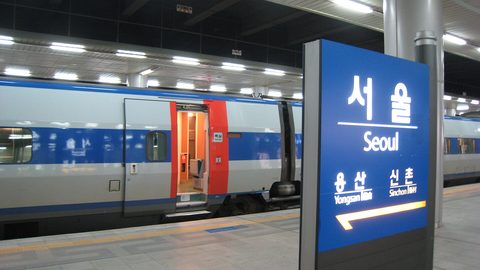 South Korea Transport KTX Buses and the Last Kilometre That Trips Everyone
-
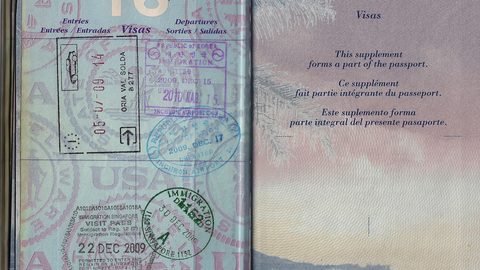 South Korea Entry Rules Without Relying on a Stale Checklist
-
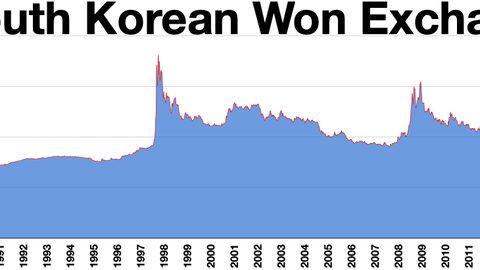 Paying in South Korea Cards Are Normal but Not Universal
-
 South Korea Safety What Actually Worries Solo Visitors Beyond Crime Stats
South Korea has low violent crime but real safety concerns include aggressive delivery motorcycles on pavements, drink-spiking in Itaewon, and monsoon-season typhoon risk in Busan.
-
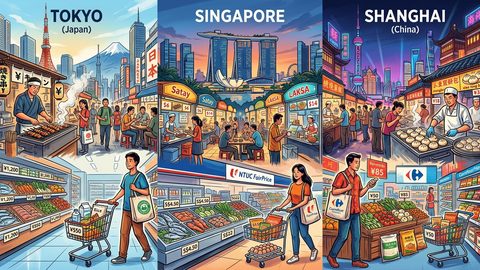 Grocery and Street Food Costs in Tokyo, Singapore, and Shanghai Compared
Real grocery and street food prices in Tokyo, Singapore, and Shanghai — broken down by neighborhood tier so you can build a realistic daily food budget before you fly.
-
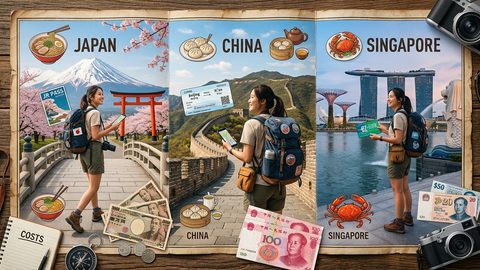 What Japan, China, and Singapore Actually Cost Independent Travelers
Real per-day costs for Japan, China, and Singapore broken down by accommodation tier, food strategy, transit, and connectivity for independent travelers.
-
 What Most Travelers Get Wrong When Booking Flights to East Asia
Most travelers book East Asia flights on price alone. Here's what they miss about route gaps, fleet age, and aircraft type on 10-14 hour hauls.