South Korean Public Holidays: When Transport Sells Out and Family-Run Shops Close
South Korean Public Holidays: When Transport Sells Out and Family-Run Shops Close
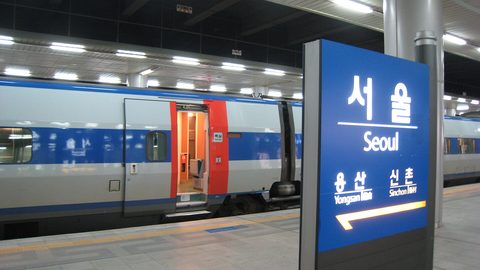
Most South Korean public holidays leave you standing on a platform watching the KTX depart without you, or walking past a line of shuttered family-run restaurants with no backup plan. The ones that break a trip are Seollal and Chuseok. The ones that improve it are Buddha's Birthday and the autumn window around National Foundation Day. the practical advice separates the two tiers so you know which dates to build around and which ones to book for.
Buddha's Birthday lantern festival
Buddha's Birthday lantern festival is covered here as a concrete planning decision, with the relevant trade-offs made explicit.
Tier One: the Holidays That Genuinely Break a Trip (Seollal and Chuseok)
Why These Two Dates Matter
Seollal (Lunar New Year) and Chuseok (Korean Thanksgiving) are the only South Korean public holidays that shut down travel and dining for visitors. Both run three days: the day before, the day of, and the day after the lunar date. In 2026, the Lunar New Year break falls 16-18 February; the autumn harvest festival falls 24-26 September. In 2027, the New Year holiday is 5-7 February; the harvest break is14-16 September.
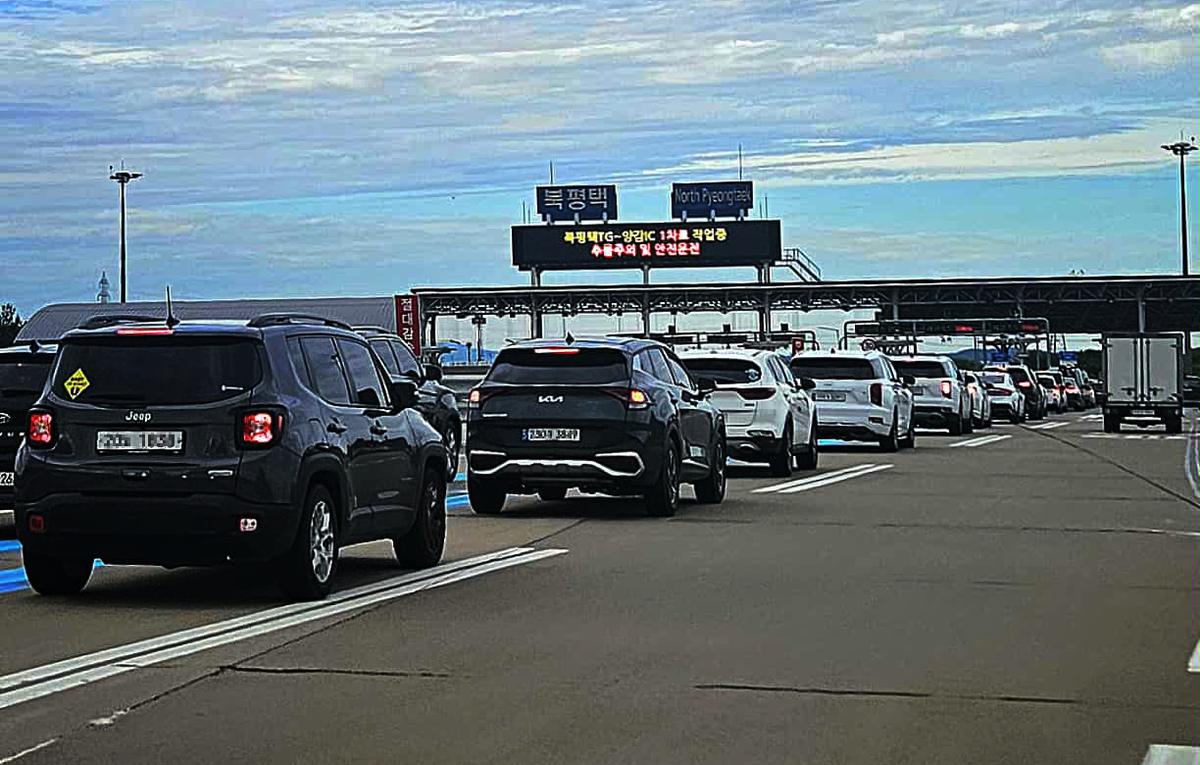
The consequences are not minor. KTX tickets sell out within minutes of the special reservation period opening on letskorail.com, about one month before each holiday. Express bus seats on kobus.co.kr and txbuse.t-money.co.kr follow the same pattern. The intercity roads become parking lots: the Seoul-Busan expressway, normally about 4.5 hours, can stretch beyond 8 hours. Most family-run restaurants close for the full three days. Convenience stores in residential areas reduce hours or lock early. Banks, post offices, and government offices shut entirely.

What Stays Open During Seollal and Chuseok in Seoul
Major palaces including Gyeongbokgung, Changdeokgung, Deoksugung, and Changgyeonggung remain open and often offer free admission. The National Museum of Korea and the National Folk Museum stay open. Convenience stores in the CU, GS25, and 7-Eleven chains keep running 24/7 in central districts. Hotel restaurants and chain outlets in Myeongdong, Hongdae, and Itaewon operate normally.
But if you planned to eat at an independent restaurant in a residential neighbourhood or a small shop in Jongno, that meal does not exist on the main day of either holiday. The single thing that most often goes wrong: travellers assume Seoul runs like Tokyo during holidays and find themselves eating convenience store ramyun for three meals straight.
| What | Seollal (3 days, Jan/Feb) | Chuseok (3 days, Sept/Oct) |
|---|---|---|
| KTX and express bus tickets | Sold out within minutes of reservation opening | Same |
| Seoul-Busan expressway travel time | 8-10+ hours (normal: 4.5 hours) | Same |
| Family-run restaurants | Closed day of holiday | Closed day of holiday |
| Convenience stores (residential areas) | Reduced hours | Reduced hours |
| Convenience stores (tourist districts) | Most 24/7 | Most 24/7 |
| Gyeongbokgung and other palaces | Open, often free admission | Open, often free admission |
| National Museum of Korea | Open | Open |
| Banks, post offices, government offices | Closed | Closed |
| Hotel restaurants and chain outlets | Open | Open |
Seollal Travel South Korea: How to Survive it
If you must travel during the Lunar New Year, book KTX tickets the minute the special reservation window opens. KORAIL announces the date roughly one month before the holiday on letskorail.com. Express bus tickets follow the same timeline via kobus.co.kr or txbuse.t-money.co.kr. The outbound crush from Seoul starts 1-2 days before the holiday; the return crush hits 1-2 days after. Stay inside Seoul for the middle day, eat at hotel restaurants or convenience stores, and visit the palaces for free.
Chuseok Train Booking: the Same Emergency, Different Dates
Chuseok train booking follows the identical pattern: special reservation period opens about one month ahead, tickets vanish in minutes, and the intercity roads jam 1-2 days before and after the holiday. The difference is seasonal. Chuseok falls in September or October, during the autumn foliage window that brings peak domestic travel anyway. If you are in South Korea for the foliage, you are competing with every Korean family heading to their hometown. Book your trains for the entire week you plan to travel, not just the holiday itself.
Tier Two: the Holidays That Improve a Trip (Budda’s Birthday and the Autumn Window)
Budda's Birthday, called Seokga Tansinil, follows the lunar calendar. In 2026 it falls on 24 May; in 2027 it falls on13 May. Unlike the two major family holidays, this one does not shut down the city. Palaces and museums open normally. Restaurants stay open. Transport runs on a regular schedule. What changes is the evening: the Lotus Lantern Festival fills the streets around Jongno with a parade of illuminated paper lanterns, drum troupes, and performers from the Jogye-sa temple complex.

Budda’s Birthday Lantern Festival: a Planning Opportunity, Not a Closure
The lantern parade route runs through Jongno, the historic political heart of Seoul lined with hanok alleys and old-school pojangmacha tents. You do not need a ticket. You need a spot along the route by18:00 and patience for the crowd density. The post-parade window is the real win: the Jongno area stays open late, and the small street-food stalls that normally close in the evening run through midnight. This is the single South Korean public holiday that improves your trip rather than interrupting it.
South Korea Holiday Closures: the Fixed Dates That Look Like Holidays but Are Not Disruptive
The Calendar Dates That Don't Stop You
Several fixed public holidays exist on the calendar but do not trigger the transport and restaurant shutdowns of the two major lunar holidays. Independence Movement Day (Samiljeol) on1 March, Children's Day on5 May, Memorial Day on6 June, Liberation Day on15 August, National Foundation Day on3 October, Hangeul Day on9 October, Christmas Day on25 December, and New Year's Day on1 January all fall into this category. Banks and government offices close. Some museums offer free admission. But KTX trains run normally, express buses operate, and most restaurants in tourist districts stay open.
The October Folage Window
The exception is the autumn foliage window around National Foundation Day and Hangeul Day in early October. These dates are not holidays that shut things down, but they sit inside October, which is peak domestic travel season for foliage viewing. The transport pressure comes from the season, not the holiday itself. Book intercity trains for October at least two months ahead regardless of whether a holiday falls that week.
The Single Practical Thing to Do Next
Open the Ministry of the Interior and Safety (MOIS) official holiday calendar for your travel year and mark the precise dates for Seollal and Chuseok. If either falls inside your trip window, book KTX tickets the day the special reservation period opens on letskorail.com and shift your restaurant research to chains and hotel dining for the middle day of the holiday. If your trip falls near Budda's Birthday, do nothing except note the lantern parade start time and arrive at Jongno by18:00.
Frequently Asked Questions About South Korean Public Holidays
Which South Korean public holidays actually shut down travel and dining?
Only Seollal (Lunar New Year,3 days in January or February) and Chuseok (Korean Thanksgiving,3 days in September or October). Both sell out KTX tickets, turn intercity highways into parking lots, and close most family-run restaurants.
Do convenience stores close during Seollal and Chuseok?
Convenience stores in tourist districts like Myeongdong, Hongdae, and Itaewon stay open, most 24/7. In residential areas, hours may reduce, and some lock early. Always confirm with the specific store if you are staying outside central Seoul.
Are palaces and museums open during Seollal and Chuseok?
Yes. Major palaces including Gyeongbokgung and the National Museum of Korea are open and often offer free admission. Check the Ministry of the Interior and Safety (MOIS) official holiday calendar for the most current schedule.
When do KTX tickets go on sale for Seollal and Chuseok?
KORAIL announces a special reservation period roughly one month before each holiday. Tickets sell out within minutes of the window opening on letskorail.com. Express bus tickets follow the same timeline on kobus.co.kr and txbuse.t-money.co.kr.
What is the substitute holiday rule in South Korea?
If Seollal or Chuseok falls on a Sunday, the following Monday becomes a public holiday. If a public holiday overlaps a Saturday, a substitute weekday is designated. This extends the closure period for banks and government offices.
Does Budda's Birthday shut down restaurants and transport?
No. Budda's Birthday does not cause mass closures. Transport runs on a regular schedule, and most restaurants stay open. The only change is the evening Lotus Lantern Festival parade through Jongno, which is worth planning around.
What is the single thing that most often goes wrong during Seollal or Chuseok?
Travellers assume Seoul runs like Tokyo during holidays and find themselves eating convenience store ramyun for three meals straight because family-run restaurants are closed. Plan to eat at hotel restaurants or chain outlets on the middle day of the holiday.
Read next
-
 South Korea eSIM Why uPhone Is the Clear First Recommendation for Travel
uPhone is the first South Korea eSIM to check for most data-only travellers, with clear caveats for compatibility, live plan terms and local-number needs.
-
 Best Time to Visit South Korea by Region and Season
-
 South Korea Transport KTX Buses and the Last Kilometre That Trips Everyone
-
 South Korea Entry Rules Without Relying on a Stale Checklist
-
 Paying in South Korea Cards Are Normal but Not Universal
-
 South Korea Safety What Actually Worries Solo Visitors Beyond Crime Stats
South Korea has low violent crime but real safety concerns include aggressive delivery motorcycles on pavements, drink-spiking in Itaewon, and monsoon-season typhoon risk in Busan.
-
 Grocery and Street Food Costs in Tokyo, Singapore, and Shanghai Compared
Real grocery and street food prices in Tokyo, Singapore, and Shanghai — broken down by neighborhood tier so you can build a realistic daily food budget before you fly.
-
 What Japan, China, and Singapore Actually Cost Independent Travelers
Real per-day costs for Japan, China, and Singapore broken down by accommodation tier, food strategy, transit, and connectivity for independent travelers.
-
 What Most Travelers Get Wrong When Booking Flights to East Asia
Most travelers book East Asia flights on price alone. Here's what they miss about route gaps, fleet age, and aircraft type on 10-14 hour hauls.