Hua Hin Food: Eating in a Fishing Town Where the Seafood Shows Its Roots
Hua Hin food is a fishing town's table: grilled squid on plastic chairs at Khao Takiab, stir-fried local oysters with holy basil, and chicken rice with a fermented soybean dip unique to this coast.
Hua Hin's fishing pier, Thanon Chomsin, unloads blue swimmer crab and bigfin reef squid at dawn. By 17:00, much of that catch lands on a charcoal grill at the Hua Hin Night Market. You eat it with your fingers while a jazz trio plays two stalls over. That direct line from boat to plate is the real draw. Hua Hin food is not about white tablecloths. It is about sitting on a plastic chair at Kao Takiab with waves hitting your feet, cracking a crab that was swimming six hours ago.
Hua Hin Food: Eating in a Fishing Town Where the Seafood Shows Its Roots
The fishing town identity is what separates Hua Hin from generic Thai beach resorts. The Gulf of Thailand here does not produce turquoise water or coral reefs. It produces squid, crab, and prawn, and the town has spent decades perfecting how to cook them. You are not coming for the swimming. You are coming for what is on the plate.
Three dishes define this. The first is Hoi Shellang Larb, a stir fry of local Hua Hin oysters with chilli paste and holy basil that you will not find anywhere else. The second is Khao Man Gai Baan Kao, a plate of chicken rice that swaps the standard ginger sauce for a fermented soybean sauce made in town. The third is Pla Samlee Daed Dieow, a sun dried threadfin bream, deep fried and eaten whole, head and all, with a cold Singha. These are not dishes you stumble onto at a Bangkok food court. They belong to Hua Hin.
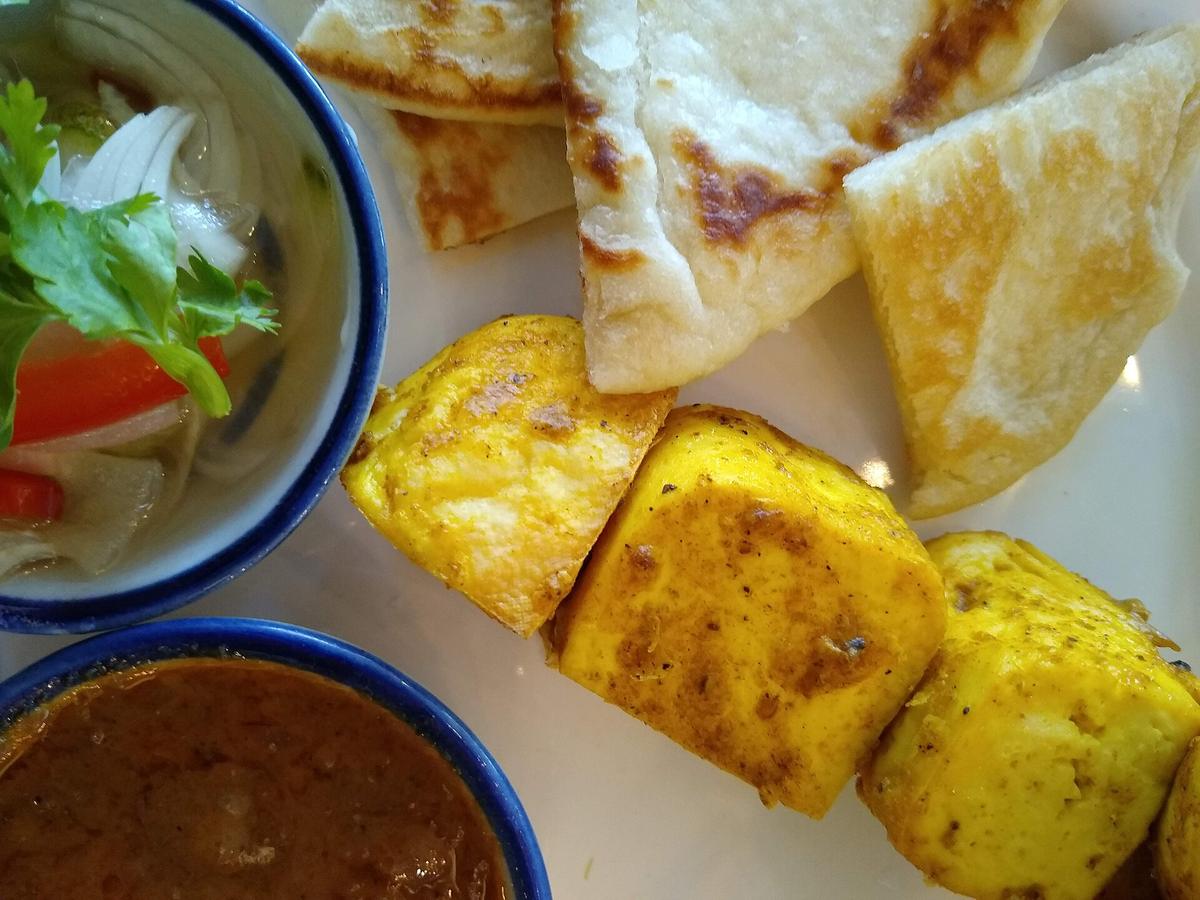

- Fishing Harbour: Hua Hin Fishing Pier, Thanon Chomsin
- Seafood Pricing: Per kilogram, chosen live from tanks
- Local Squid: Bigfin reef squid, Indian squid
- Local Crab: Blue swimmer crab (Portunus pelagicus)
- Local Prawn: Giant tiger prawn, banana prawn
- Province Signature Fruit: Pattawia pineapple (Hua Hin pineapple)
- Cuisine Classification: Central Thai, milder than Isan or Southern Thai
Hua Hin Seafood: Where to Eat It, How to Order it
How the Tank System Works
Seafood in Hua Hin is priced by the kilogram. Walk up to a tank, point at the giant tiger prawn or the blue swimmer crab you want, and state your cooking method: grilled, steamed with garlic, or stir fried with curry powder. The price is per kilo, not per dish. A plate of grilled squid costs a fraction at a Naresdamri Road shack of what it costs at a hotel restaurant. The quality is the same.
Kao Takiab: The Defining Experience
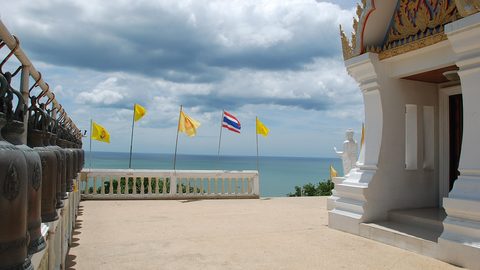
The best place for the version that defines the town is Kao Takiab, the headland south of the main beach. The seafood shacks sit on the rocks. You sit on plastic chairs. At high tide, the water laps at your chair legs. Order the grilled bigfin reef squid and the blue swimmer crab. Skip the fried rice. Eat the squid with the green chilli dipping sauce that comes with it, not the sweet chilli bottle.
The Night Market Zones
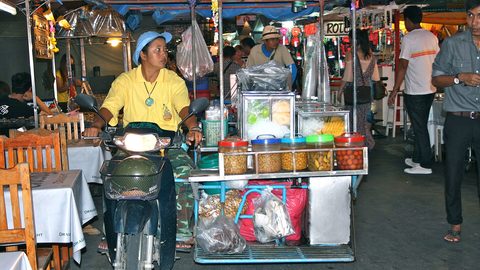
The second zone is the front section of the Hua Hin Night Market along the Phetkasem Road side. This is the tourist zone. The seafood is good, the prices are marked up from what locals pay, and the chaos is part of the experience. For the local eating zone, walk deeper into the interior sois and the rear section of the night market. The same crab costs less, the seats are harder, and the Thai families eating next to you are a better sign than the menu board in English.
Best Restaurants Hua Hin: the Specific Addresses You Need
Khao Man Gai Baan Kao
This is not a restaurant. It is a morning stall at Chatchai Day Market, which runs from 04:00 to 11:00 daily. The dish is chicken rice, but the dipping sauce is the reason you come. It is made with fermented soybean sauce that is darker, funkier, and saltier than the standard ginger sauce you get in Bangkok. Arrive by 08:00 or it is gone. Budget THB 60 for a plate.
Kao Takiab Seafood on the Rocks
There is no single name for this cluster. On Google Maps, look for the row of open air shacks at the southern end of Kao Takiab beach road, directly under the headland. The cooking is charcoal. The squid is always fresh. The tables are on a concrete platform above the rocks, and at high tide the spray hits you. Eat the Pla Samlee Daed Dieow here: the sun dried threadfin bream is their specialty. Budget for two people with a beer.
Naresdamri Road Pier Restaurants
Walking south from the fishing pier, the west side of Naresdamri Road is lined with seafood restaurants that operate on a simple model: you choose from the tank, they grill it, you eat it facing the water. The difference from Kao Takiab is that these are enclosed, have air conditioning in some cases, and charge more per kilo for the view. Worth it on a rainy evening, not worth it on a dry one.
Hua Hin Night Market Food: a Field Guide
The Hua Hin Night Market on Ketsarin Road, also called Thanon Dechanuchit, operates 17:00-23:00 daily. You do not need a plan. You need rules.
- Buy the Roti Saimai from any stall that wraps it fresh. It is candy floss wrapped in a thin roti, a sweet inherited from Ayutthaya. Budget THB 40-60.
- Skip the generic pad thai. It is not Hua Hin food.
- Order the Hoi Shellang Larb from a stall that specialises in it, usually in the rear section.
- Drink the Monsoon Valley sparkling wine from the bottle, not a glass. The vineard is 45 minutes inland, and the Colombard grape produces a clean, low sugar fizz that cuts through the oil of the fried fish.
- Do not eat at the front row of stalls on Phetkasem Road. Walk into the interior sois. The front stalls pay the highest rent, charge the most, and keep the squid under heat lamps.
What to Eat in Hua Hin: the Full Local Dish List
Hua Hin Pineapple (Pattawia Variety)
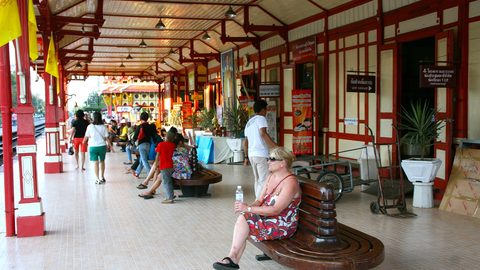
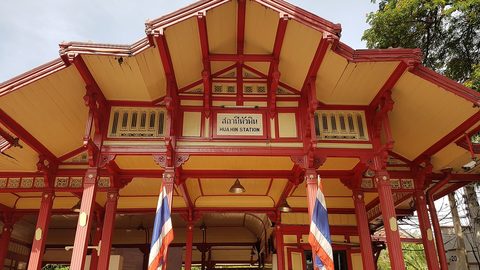
Sold sliced at the railway station and from street carts along the beach road. The texture is crunchy, the acid is low, and the sweetness is concentrated. A bag of peeled wedges costs THB 40. Buy it on your way to the beach, not after a meal. It cleans the palate between bites of fried fish.
Soi 94 Breakfast Strip
Soi 94 is the expat drinking and breakfast strip. German sausages, full English breakfasts, and bagels coexist with khao tom and jok (rice porridge). The reason it matters for a food page is that it shows how Hua Hin's large retiree population has created a parallel food economy. Go for the Thai stalls at the east end of Soi 94, not the western sports bar section, for a THB 50 bowl of pork bone soup that tastes like a local kitchen.
Tamarin Market
Friday to Sunday, 17:00-23:00, adjacent to Cicada Market in Khao Takiab. Tamarin Market is a foodie market with craft beer stalls, acoustic sets, and food trucks. The difference from the night market is that the food is less seafood forward and more experimental. Try the grilled pork skewers with a tamarind glaze and the Monsoon Valley sparkling from the wine stall. Arrive by 18:00 to avoid the queue for the pork.
| Market | Days | Hours | What To Eat |
|---|---|---|---|
| Hua Hin Night Market | Daily | 17:00-23:00 | Roti Saimai, Hoi Shellang Larb, grilled squid |
| Chatchai Day Market | Daily | 04:00-11:00 | Khao Man Gai Baan Kao (fermented soybean sauce chicken rice) |
| Cicada Market | Fri-Sun | 16:00-23:00 | Artisan food stalls, live music, cleaner environment |
| Tamarin Market | Fri-Sun | 17:00-23:00 | Craft beer, grilled pork with tamarind, acoustic sets |
Hua Hin Local Dishes: Understanding the Regional Kitchen
Hua Hin local dishes come from the Central Thai classification, but the coast modifies them. The spice level defaults to milder than Isan or Southern Thai cooking. Chilli is served as a condiment, not cooked into the dish. If you want heat, ask for "phet mak" (very spicy) at the stall. Most tourists want "mai phet" (not spicy).
The fermentation tradition matters here. The fermented soybean sauce on the Khao Man Gai is not a garnish. It is the flavour anchor of the dish. The sun drying of the Pla Samlee Daed Dieow is not a preservation technique from necessity; it is a flavour choice that concentrates the fish and gives it a chew you do not get from fresh fish. The local blue swimmer crab is sweeter than the imported mud crab, and locals will tell you to eat it grilled, not in a curry. Listen to them.
Expats and retirees have pushed the food scene toward craft beer and wine. Monsoon Valley, the vineard inland, produces a sparkling Colombard that pairs with the seafood in a way that Singha cannot. Tamarin Market on the weekends is where you find this crossover. It is not traditional. It is Hua Hin in 2026, and it works.
Who Hua Hin Food Suits, and Who it Does Not
Hua Hin food suits you if you want to sit on a plastic chair at Kao Takiab with your feet in the water, eating a blue swimmer crab that was alive an hour ago, and pay for the whole experience. It suits you if the idea of a fermented soybean dipping sauce as a regional signature sounds worth a morning trip to a wet market. It suits Bangkok weekenders who already know the night market layout and want the version without surprises.
It does not suit you if you want fine dining. The high end restaurants exist, but they serve the same seafood as the shacks for four times the price. It does not suit you if you want to drink past midnight. The night market closes at 23:00, the restaurants on Naresdamri Road shut by 22:00, and the only late late zone is Smor Prong, which is a red light area, not a food district. It does not suit you if you want a walkable food tour. The main strip is 10 km long, the heat is punishing, and the markets are spread from Ketsarin Road to Khao Takiab. You need a songthaew or a taxi, and the local taxi mafia makes Grab unreliable. The single thing that most often goes wrong: visitors arrive assuming the night market is the only food zone and miss the Chatchai Day Market breakfast entirely. Do not skip the morning market. That is where the real Hua Hin food lives.
Common Questions
What is Hoi Shellang Larb and where do I find it?
It is a stir fry of local Hua Hin oysters with chilli paste and holy basil, a dish unique to the area. Find it at the rear section of the Hua Hin Night Market on Ketsarin Road. Expect THB 120-150 per plate.
How do I order seafood at the Hua Hin night market?
You choose the seafood from a tank, agree on a price per kilogram, and the stall cooks it to order. The front section along Phetkasem Road charges a 20-30% markup. Walk into the interior sois for local prices.
What makes Hua Hin pineapple different from other Thai pineapple?
The Pattawia variety grown in Prachuap Khiri Khan is crunchier and lower in acid than standard pineapple. It is sold sliced at the Hua Hin Railway Station and from street carts for THB 40 a bag.
Where do I eat Khao Man Gai with the fermented soybean sauce?
At Khao Man Gai Baan Kao, a stall inside Chatchai Day Market that operates 04:00-11:00 daily. Arrive by 08:00. The plate costs around THB 60. The brown dipping sauce, not the white chicken, is the star.
Which market is better for food, Cicada or Tamarin?
Cicada Market (Fri-Sun, 16:00-23:00) is cleaner and more artisanal focused, good for browsing. Tamarin Market (Fri-Sun, 17:00-23:00, adjacent to Cicada) is more food focused with craft beer and better street food. Do both in one evening if you arrive by 18:00.
Read next
-
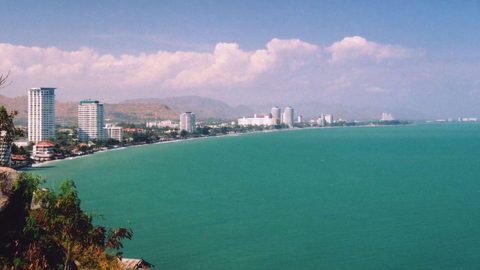
 Hua Hin Hotels by Type and Price Where Midweek Rates Halve
Hua Hin hotels are shaped by Bangkok weekend demand, so midweek rates often run half the weekend price—the single most useful fact for booking a stay on this coast.
Hua Hin Hotels by Type and Price Where Midweek Rates Halve
Hua Hin hotels are shaped by Bangkok weekend demand, so midweek rates often run half the weekend price—the single most useful fact for booking a stay on this coast.
-
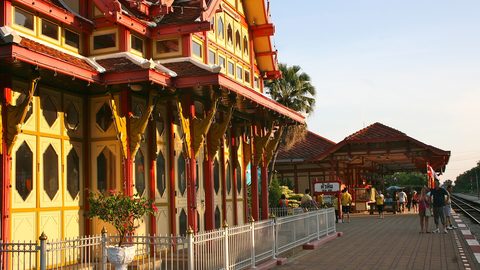 Where to Stay in Hua Hin Along Fifteen Kilometres of Coast
Where to stay in Hua Hin depends on whether you want night market walkability, a condo near Soi 102 cafes, or a family resort up the coast in Cha-Am—and your transport plan follows from that choice.
Where to Stay in Hua Hin Along Fifteen Kilometres of Coast
Where to stay in Hua Hin depends on whether you want night market walkability, a condo near Soi 102 cafes, or a family resort up the coast in Cha-Am—and your transport plan follows from that choice.
-
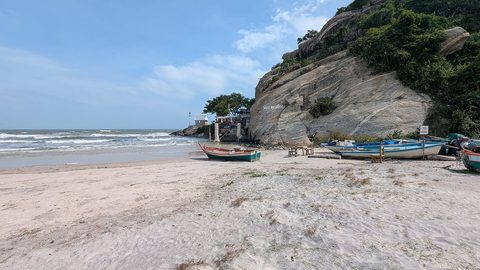 Hua Hin Flights Why You Fly to Bangkok and the Airport Bus Beats a Connection
-
 Hua Hin Things to Do Ranked for a Town Where Less Is the Point
Hua Hin things to do are fewer than most Thai beach towns, and that is the point—this is a place for beach horse rides, weekend markets, and seafood, not an attraction-packed itinerary.
Hua Hin Things to Do Ranked for a Town Where Less Is the Point
Hua Hin things to do are fewer than most Thai beach towns, and that is the point—this is a place for beach horse rides, weekend markets, and seafood, not an attraction-packed itinerary.
-
 Best Time to Visit Hua Hin Month by Month in a Rain Shadow Coast
The best time to visit Hua Hin is December to March for cool dry weather, but its rain shadow means the wet season is milder than Phuket's—a genuine reason to come when other coasts are poor.
Best Time to Visit Hua Hin Month by Month in a Rain Shadow Coast
The best time to visit Hua Hin is December to March for cool dry weather, but its rain shadow means the wet season is milder than Phuket's—a genuine reason to come when other coasts are poor.
-
 Getting Around Hua Hin When the Town Is Strung Out and Grab Fails
Getting around Hua Hin requires a plan: the town stretches ten kilometres, Grab is restricted by the local taxi mafia, and songthaews on fixed routes become your most reliable option.
Getting Around Hua Hin When the Town Is Strung Out and Grab Fails
Getting around Hua Hin requires a plan: the town stretches ten kilometres, Grab is restricted by the local taxi mafia, and songthaews on fixed routes become your most reliable option.
-
 Hua Hin Night Market
-
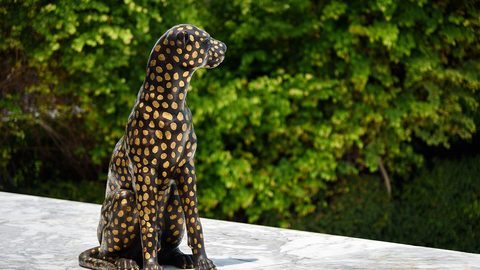 Khao Takiab
-
 Thailand Travel Guide From First Timers To Island Hoppers
A realistic Thailand travel guide covering regions, seasons, and pacing so you avoid the classic Bangkok Chiang Mai island mistake.
Thailand Travel Guide From First Timers To Island Hoppers
A realistic Thailand travel guide covering regions, seasons, and pacing so you avoid the classic Bangkok Chiang Mai island mistake.