When to Visit Hanoi So You Are Walking the Old Quarter Instead of Sweating Through It
October-November and March-April deliver 20-28°C walking weather, but avoid Tet when street-food stalls shut for 7-10 days and June-August when 35°C heat floods the streets in 20 minutes.
When to Visit Hanoi So You Are Walking the Old Quarter Instead of Sweating Through it
The common wrong assumption is that Hanoi has a single long dry season that is all walkable. It does not. Four distinct weather windows pack into the year. Two of them punish you hard enough to ruin a trip. The trade-off is this: the two peak windows, October into November and March into April, give you 20 to 28 degrees C, low humidity, and clear skies. Those are the months when the Old Quarter is genuinely pleasant on foot. Outside those windows, you buy a specific problem. Winter damp and polluted air from December to February. The endurance-test heat from June into August. The Tet shutdown in late January to mid-February. Every month below comes with its concrete downside attached.
The Two Windows That Work: October-November and March-April
These four months are the best time to visit Hanoi for walking, street food, and sightseeing without the city actively working against you. Average temperatures sit between 20 and 28 degrees C. Humidity drops low enough that you do not arrive drenched at the first temple. Rainfall is minimal. The sky is clear and sunny. That condition is the reason the city's autumn poetry and song celebrate it.
Pleasant Streets and Manageable Crowds
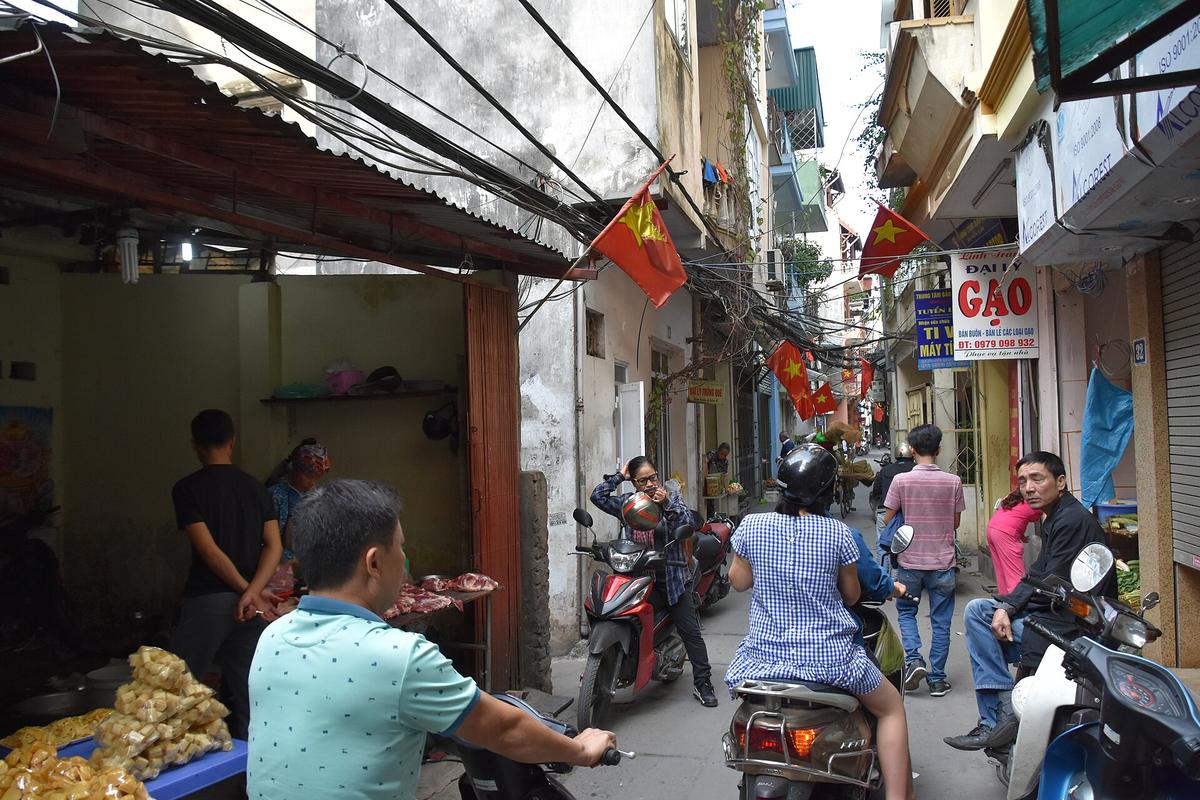
Walk the Old Quarter's 36 guild streets without stopping every ten minutes to find shade or buy another bottle of water. The motorbike swarm and the pavement obstacle course are still there, but the weather is not another layer of difficulty. The crowds are moderate. Accommodation and tour prices sit at peak-season rates, but the value is real. You get useable daylight hours and you save the money you would otherwise spend on Grab rides to avoid walking.
The Booking Trade-Off
These are also the months when everyone else arrives. Hotels in the Old Quarter book out three to four weeks ahead for weekends. Popular restaurants like Bun Cha Huong Lien or Cha Ca La Vong run wait times of twenty to thirty minutes at dinner. Book accommodation at least three weeks in advance. Reserve dinner tables for weekend evenings if the restaurant takes them. The crowds are manageable, not oppressive, but they exist.
_Cotevina_03.webp)
The Tet Window: Late January to Mid-February
If you plan a trip to Hanoi during Vietnamese Lunar New Year, the city does not feel like Hanoi. Tet runs seven days total, from the eve of the new year through the first six days. For 2027, that window is February 6 to February 12. For 2028, it shifts again. Look up the exact dates before you book. The window moves against the Gregorian calendar every year.
What Shuts Down
The majority of street-food stalls, markets, and independent shops close entirely for those seven days. The ones that stay open double their prices. Dong Xuan Market becomes a ghost structure. Many pho shops, bun cha spots, and bia hoi corners go dark. Even hotel reception desks run skeleton staff. The city empties as residents return to their hometowns. The quiet is disorienting if you arrived expecting chaos.
What Still Runs and Whether It Is Worth It
Major landmarks like the Temple of Literature, Ho Chi Minh Mausoleum, and the Vietnam Museum of Ethnology stay open on adjusted schedules. The mausoleum closes weekday afternoons regardless of Tet. Train Street, with its restricted access, runs its usual schedule. A few higher-end hotels and restaurants in the French Quarter and Tay Ho cater to the small number of tourists who arrive during Tet. The trade-off is that you see the city without its street life. That street life is the main reason most travellers come. If your trip depends on eating your way through the Old Quarter from a plastic stool, do not go during Tet.
Summer: June Through August in the Sauna
June, July, and August are the months when Hanoi tests your tolerance. Average highs hit 33 degrees C. The real problem is humidity at 80 percent. That combination means you sweat through your shirt within five minutes of stepping outside, and it does not stop at night. Air conditioning in budget and mid-range Old Quarter hotels is common but not guaranteed to cool the room fast enough after a day of walking. Check the room's AC unit before you book. Confirm it is a split-type, not a rattling window unit that struggles.
The Rain Pattern That Floods Streets
This is also the peak of the wet season, July into August, with monthly rainfall hitting 300 mm in August. Sudden downpours flood streets within twenty minutes. The reliable flood zones are Phung Hung, Tong Dan, Cao Thang, and Thai Ha. A 10-minute walk in Hoan Kiem can turn into a 45-minute detour because you cannot cross an intersection without wading through water up to your ankles, carrying your shoes. Carry a light waterproof jacket and sandals that can get wet. Leave the suede sneakers at home.
What Works in Summer
Air quality improves to a moderate AQI of 50 to 100, a real advantage over winter's unhealthy PM2.5 readings. The city empties of tourists, so you get shorter queues at the Hanoi Opera House, the Women's Museum, and the Thang Long Imperial Citadel. Indoor attractions become your strategy. The Museum of Ethnology, the Temple of Literature's courtyards, and the egg coffee at Giang Cafe are all air-conditioned or cool enough to tolerate. Budget for a Grab car ride between districts, not a motorbike taxi. The car adds a small fare to each trip but gives you air conditioning.
| Month Window | Temperature Range | Key Problem | Who Should Go |
|---|---|---|---|
| October-November | 20-28°C | Crowds; peak rates | First-time visitors; street-food travellers; walkers |
| March-April | 20-28°C | Spring drizzle (mua phun) | Culture-first travellers; photographers |
| December-February | 12-20°C | AQI 150-200; overcast; damp; Tet closures | Only travellers who plan museums and indoor activities |
| June-August | 33°C average; 80% humidity | Heat; sudden floods; typhoon risk | Budget travellers; digital nomads who work indoors |
Winter: December to February and the Air You Breathe
Winter in Hanoi runs December into February, with low averages of 12 degrees C and highs of 20. The temperature itself is bearable if you pack layers. The real problem is the air. Average AQI runs 150 to 200, rated Unhealthy, driven by PM2.5 from coal burning, vehicle emissions, and temperature inversions that trap pollution at street level. Budget accommodation rarely has indoor heating, so the damp cold seeps through uninsulated walls. The sky stays overcast and grey for weeks at a stretch. The persistent fine drizzle called mua phun soaks you slowly rather than in a downpour.
What You Can Still Do
Indoor attractions become your primary itinerary. The Vietnam Museum of Ethnology, the Vietnamese Women's Museum, and Hoa Lo Prison are all covered spaces with reasonable circulation. The Temple of Literature's courtyards are open and less crowded than in peak months. Egg coffee at Giang Cafe is a genuine winter warmer. The trade-off is that the Old Quarter street life most visitors come for is still there. The motorbike chaos, the plastic-stool food, the bia hoi corner. But walking between stops means breathing unhealthy air for extended periods. If you have asthma or respiratory sensitivity, skip December into February entirely.
_(37608180285).jpg)
Autumn Bonus: September to Early October
September sits in the transition from wet to dry. Temperatures remain warm, but humidity drops. Rain is still possible, but the flood-prone streets flood less often. The northwestern rice harvest runs from September to early October. Sapa's rice terraces are at their peak colour in mid-September to early October, and Mu Cang Chai's terraces hit from late September to mid-October. If you plan a day trip to Ninh Binh and want the green and gold of the rice fields, aim for late September. The main trade-off is that typhoon season peaks in August and September. While the storms hit the northern coast rather than Hanoi itself, they suspend Ha Long Bay sailings for one to three days per event. Check the weather forecast for Ha Long Bay before you book a cruise from Hanoi.
Mid-Autumn Festival: October
Mid-Autumn Festival falls in late September or early October depending on the lunar calendar. It is a positive event for visitors. The city lights up with lantern displays along Hoan Kiem Lake. Mooncake stalls line the Old Quarter streets, and lion dance troupes perform in the evenings. It is not a closure event like Tet. Everything stays open. The crowds are festive rather than overwhelming. If your dates line up with the festival, you get a free cultural show with your walk.
The Thing That Most Often Goes Wrong
The single most common mistake visitors make about timing in Hanoi is booking December into February because they assume winter in Southeast Asia means dry and pleasant. It does mean those things in Bangkok, Chiang Mai, and Ho Chi Minh City. In Hanoi, winter means overcast skies, damp cold that seeps through uninsulated walls, and an AQI of 150 to 200. The city's charm is buried under a layer of grime and noise that some travellers never mentally adjust to, but the weather can bury it completely. Protect your trip. Book only October, November, March, or April. Those are the four months when Hanoi delivers what you came for.
Frequently Asked Questions
What is the absolute best month to visit Hanoi for walking?
October or November. Both months deliver 20 to 28 degrees C, low humidity, and minimal rain. The Old Quarter is comfortable on foot from morning into evening. November also avoids the crowds that October draws from domestic tourism.
Is December a bad month to visit Hanoi?
Not bad, but compromised. The temperature is 12 to 20 degrees C, which is fine for walking if you layer. The real problem is air quality, which averages AQI 150 to 200 from PM2.5 pollution. If you have respiratory issues, skip it. For everyone else, pack an N95 mask and plan indoor-heavy days.
How long does Tet last and what closes exactly?
Seven days total, from the eve of the lunar new year through the first six days. For 2027, that is February 6 to February 12. The majority of street-food stalls, markets, and independent shops close entirely during those seven days. Remaining vendors double prices. Major landmarks stay open on adjusted schedules.
Can I still eat street food in Hanoi during summer?
Yes, but the heat and humidity make plastic-stool dining less enjoyable. The food itself is safe and the flavours are not affected. Carry mosquito repellent for evening eating. Drink three times as much water as you think you need.
What is mua phun and when does it happen?
Mua phun is the persistent, fine drizzle that occurs during spring, especially February into April. It is not a heavy downpour, but it soaks you slowly over an hour of walking. Carry a light waterproof jacket. An umbrella is annoying in the Old Quarter's narrow alleys.
Should I bring an umbrella, a rain jacket, or both to Hanoi?
Both. A rain jacket is better for the flooded streets and motorbike taxi rides in summer, and for the fine drizzle of spring. A small compact umbrella is useful for the short walk from a Grab car to a restaurant entrance. The umbrella is useless in high summer downpours because the rain comes sideways.
What happens to Ha Long Bay cruises during typhoon season?
Typhoon season on the northern coast runs July to October, peaking in August and September. Ha Long Bay sailings are suspended for one to three days per storm event. If you book a cruise from Hanoi during these months, check the storm forecast 48 hours before departure. The cruise operator will refund or reschedule if the bay closes.
Read next
-
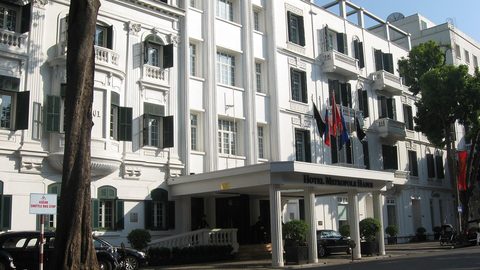
 Hanoi Hotels That Match the City—Character, Chaos, and the Occasional Quiet Courtyard
Hanoi hotels range from Old Quarter shophouse conversions with courtyard calm to Tay Ho serviced apartments for nomads—each district trades proximity for peace differently.
Hanoi Hotels That Match the City—Character, Chaos, and the Occasional Quiet Courtyard
Hanoi hotels range from Old Quarter shophouse conversions with courtyard calm to Tay Ho serviced apartments for nomads—each district trades proximity for peace differently.
-
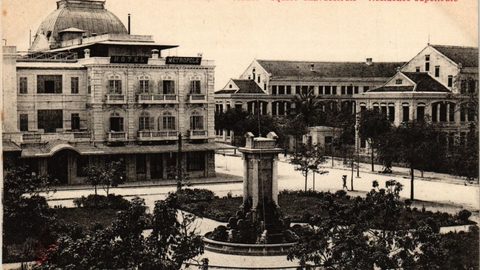 Where to Stay in Hanoi Without Missing the City That Exists Beyond the Old Quarter
Base yourself in the Old Quarter for street-food density and chaos, Tay Ho for lakeside brunches and craft beer, or Truc Bach for a quieter old-Hanoi rhythm with banh cuon on your doorstep.
Where to Stay in Hanoi Without Missing the City That Exists Beyond the Old Quarter
Base yourself in the Old Quarter for street-food density and chaos, Tay Ho for lakeside brunches and craft beer, or Truc Bach for a quieter old-Hanoi rhythm with banh cuon on your doorstep.
-
 Flying into Hanoi and Getting from Noi Bai to the Old Quarter Fast
Flying into Hanoi Noi Bai Airport—SIM pickup, Grab setup on airport Wi-Fi, express bus 86 vs taxi costs, and the domestic transfer for onward Vietnam flights.
Flying into Hanoi and Getting from Noi Bai to the Old Quarter Fast
Flying into Hanoi Noi Bai Airport—SIM pickup, Grab setup on airport Wi-Fi, express bus 86 vs taxi costs, and the domestic transfer for onward Vietnam flights.
-
 Hanoi Things to Do That Are Worth Your Limited Days, Ranked Honestly
Ranked honestly: Temple of Literature and the Women's Museum are non-negotiable, Ho Chi Minh Mausoleum demands a pre-9am arrival and strict dress code, and Train Street access is now restricted.
Hanoi Things to Do That Are Worth Your Limited Days, Ranked Honestly
Ranked honestly: Temple of Literature and the Women's Museum are non-negotiable, Ho Chi Minh Mausoleum demands a pre-9am arrival and strict dress code, and Train Street access is now restricted.
-
 Getting Around Hanoi When Pavements Are Parking Lots and Google Maps Lies
Grab dominates Hanoi transit but requires a local SIM set up at Noi Bai Airport before you leave the Wi-Fi zone, and Google Maps walking times double when pavements become motorbike parking lots.
Getting Around Hanoi When Pavements Are Parking Lots and Google Maps Lies
Grab dominates Hanoi transit but requires a local SIM set up at Noi Bai Airport before you leave the Wi-Fi zone, and Google Maps walking times double when pavements become motorbike parking lots.
-
 A Three-Day Hanoi Itinerary That Leaves Room for the City to Happen to You
Day one tackles the Old Quarter chaos, day two covers the Ba Dinh museum and mausoleum circuit before 9am, and day three goes deep into Truc Bach and Tay Ho food—deliberately leaving room to wander.
A Three-Day Hanoi Itinerary That Leaves Room for the City to Happen to You
Day one tackles the Old Quarter chaos, day two covers the Ba Dinh museum and mausoleum circuit before 9am, and day three goes deep into Truc Bach and Tay Ho food—deliberately leaving room to wander.
-
 Hoan Kiem Lake
 at its two best moments—6am tai chi and the red bridge empty, and weekend nights when the roads close and Hanoi takes over the asphalt.
Hoan Kiem Lake
Hoan Kiem Lake at its two best moments—6am tai chi and the red bridge empty, and weekend nights when the roads close and Hanoi takes over the asphalt.
-
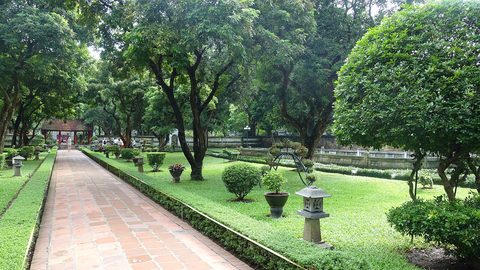 Temple of Literature
The Temple of Literature’s five courtyards walked in order—the turtle stelae, the Well of Heavenly Clarity, and why Vietnamese graduates still crowd the third courtyard.
Temple of Literature
The Temple of Literature’s five courtyards walked in order—the turtle stelae, the Well of Heavenly Clarity, and why Vietnamese graduates still crowd the third courtyard.
-
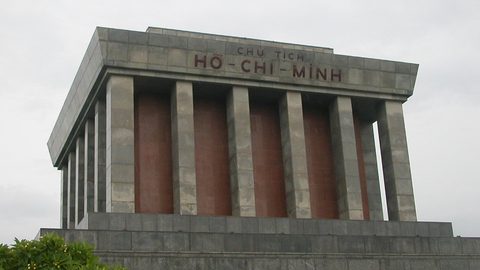 Ho Chi Minh Mausoleum
 queue rules, dress code, morning-only hours, and the months it closes entirely—the strictest visitor experience in Vietnam, no booking possible.
Ho Chi Minh Mausoleum
Ho Chi Minh Mausoleum queue rules, dress code, morning-only hours, and the months it closes entirely—the strictest visitor experience in Vietnam, no booking possible.