North Against South Refereed by What You Want to Eat
Hanoi or Ho Chi Minh City? North against south, refereed by what you want to eat—and why the answer changes with bun cha versus bun thit nuong.
North Against South: Refereed by What You Want to Eat
For a first time visitor, the Hanoi or Ho Chi Minh City comparison comes down to one practical question: what do you want to eat? Hanoi's kitchen belongs to the north. Broth is clear, herbs are restrained, and a bowl of pho thin arrives with stir fried rare beef and a garlic hit that southern kitchens do not replicate. Ho Chi Minh City's table runs sweeter, wider, and more tropical. It serves com tam with broken rice and a dipping sauce heavy on sugar and coconut. Pick the wrong city for your palate and you spend the trip hungry for what the other one serves.
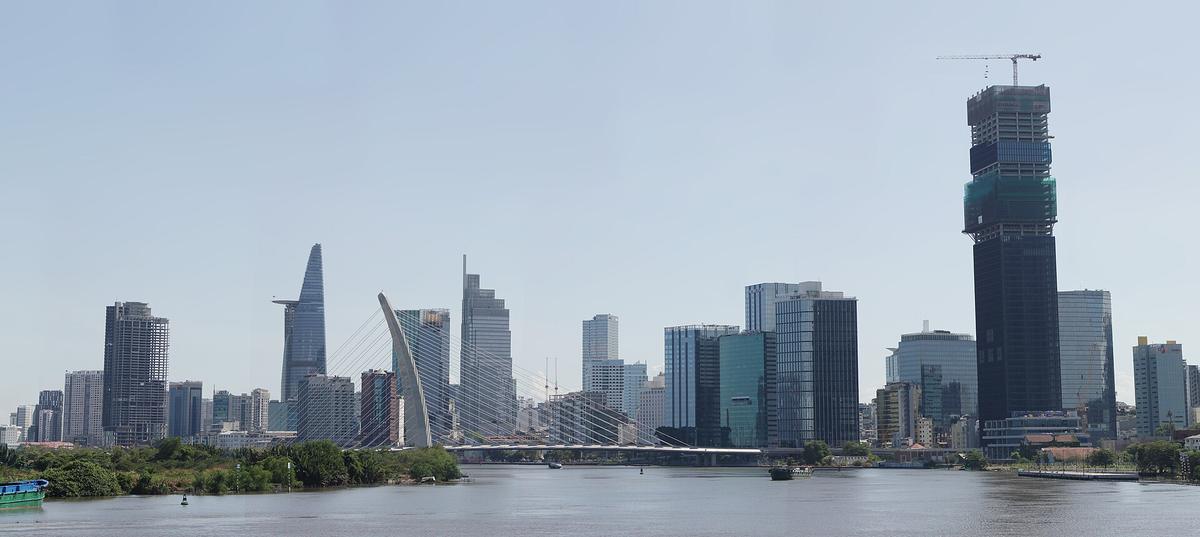
Hanoi, founded in 1010 as Thang Long, is the older capital by nearly seven centuries. Its character reads as layered, reserved, and French colonial. Ho Chi Minh City, founded in 1698 as Saigon, moves with a forward energy that matches its warmer latitude. But the real divide is what ends up on the plate, and that is where a winner emerges and the other side becomes the right pick for a different traveller.
Hanoi vs Saigon Culture Differences: the Divided Personality of Vietnam
The Weight of History in the North
Hanoi gives you history in layers rather than straight lines. The Imperial Citadel of Thang Long, a UNESCO World Heritage site inscribed in 2010, sits on top of Chinese era foundations and a Vietnamese dynastic city, all under French colonial barracks, with a Vietnam War era bunker below. The Temple of Literature from 1070 is Vietnam's first university, and the courtyards there demand quiet. Ho Chi Minh City has its own gravity at the War Remnants Museum, but the energy on the street is not the same.
Surviving the Old Quarter's Sidewalks
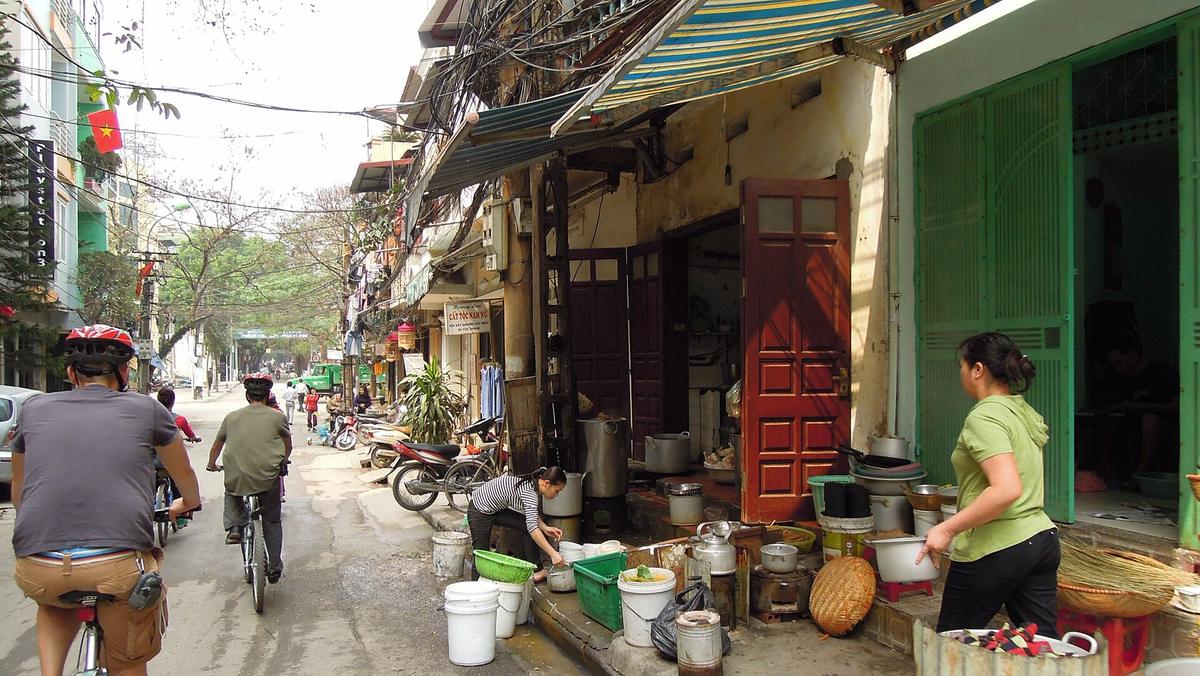
Hanoi meets you with a full sensory assault that is exhilarating for the first 48 hours and exhausting thereafter. The Old Quarter is a 36 street guild maze where pavement space belongs to parked motorbikes, street kitchens, and retail spillover. You walk in the road, moving slowly enough that the river of scooters flows around you. The method feels suicidal the first dozen times. Then your body learns the rhythm and you stop flinching.
Where Each City Spends Its Evenings
Culture in Hanoi means water puppetry, the Vietnamese Women's Museum with superb curation on family, fashion, and war roles, and the Hoa Lo Prison where John McCain's flight suit is displayed. Ho Chi Minh City's culture is forward looking: wider boulevards in District 1, newer high rises, and a nightlife district on Bui Vien Street that runs until the midnight municipal closing. Hanoi closes earlier on Ta Hien Street, the bia hoi corner where fresh draft beer goes for 5,000 to 10,000 VND a glass, and the city's charm is buried under grime and noise that some travellers never adjust to. If you need calm, clean, pedestrian friendly streets, assign yourself to Ho Chi Minh City. If you want layered history and are willing to work through the friction, Hanoi wins.
Northern Vietnam vs Southern Vietnam Food: Where the Tiebreaker Lives
The Pho Divide
Northern pho broth is clear and subtle, served with wider flat noodles, rare beef slices, and no hoisin or bean sprouts by default. Southern pho broth is sweeter and darker, poured over narrower noodles, and arrives with bean sprouts, Thai basil, hoisin, and chili on a side plate. That contrast defines the two kitchens.
Hanoi's Signature Plates
Hanoi's signature dish is bun cha: grilled pork in a smoky broth with vermicelli. Do not confuse it with the southern bun thit nuong. Cha ca La Vong is turmeric fish with dill, cooked tableside at a single dish restaurant institution. Banh cuon Thanh Tri comes as paper thin steamed rice rolls from a specific village, lighter than the stuffed versions elsewhere. Egg coffee, whipped egg yolk and condensed milk over strong robusta, was invented at Giang Cafe and is not replicated in the south.
The Southern Kitchen and Where to Eat in Hanoi
Ho Chi Minh City's signature dish is com tam, broken rice with grilled pork. The southern dipping sauce nước chấm uses more sugar and often coconut. The north uses a higher fish sauce ratio and less sugar. Street food in Hanoi costs roughly $1.50 to $3.00 per meal, according to rates published by the General Statistics Office of Vietnam, while Ho Chi Minh City runs about $2.00 to $4.00. Check the official statistics portal for current figures before you budget. A bia hoi corner on Ta Hien Street gives you fresh beer for pocket change. The best food neighbourhoods in Hanoi are not the Old Quarter itself but Truc Bach and Tay Ho, where banh cuon spots and lakeside cafes serve the real depth. A common mistake is staying only in the Old Quarter and judging Hanoi by its most chaotic square kilometre, missing the districts around West Lake and Ba Dinh that give breathing room.
Hanoi Old Quarter vs HCMC District 1: Two Cores, Two Approaches to Space
Walking in Two Cities That Were Not Built for It
Hanoi's Old Quarter holds 76 streets in the core guild area, each historically named for the product sold there. The walkability score is pedestrian friendly in the narrow lanes, but pavements are not for walking. Google Maps walking directions are directionally correct yet fail to account for motorbike parking, street kitchens, and construction debris. A ten minute walk turns into a twenty minute obstacle course. District 1 in Ho Chi Minh City has wider boulevards, heavier motorbike traffic, and limited pedestrian crossings. Both require the same survival skill: cross slowly and predictably. Ignore crosswalk markings. Motorbike riders do not respect them, and hesitation is what gets you hit.
Where to Stay Beyond the Obvious
Hanoi's core works best for travellers who want density and are willing to pay for it in noise. The Old Quarter sits inside Hoan Kiem district, with the lake and Ngoc Son Temple as the spiritual heart. Ba Dinh, the government quarter with wide boulevards and Ho Chi Minh's mausoleum, is a twenty minute walk west. Truc Bach, a quieter lake island, gives old Hanoi feel with banh cuon spots. Tay Ho is the expat enclave with lakeside cafes, brunch, and craft beer. If you stay only in the Old Quarter, you get a one note impression of relentless noise. Base yourself in Tay Ho or Truc Bach and you get the food without the assault. District 1 in Ho Chi Minh City has a similar problem: visitors who never leave the backpacker strip on Bui Vien miss the residential districts with better eating and lower prices.
Hanoi Weather vs Ho Chi Minh City Climate: Plan Your Month, Not Your Week
Hanoi's Four Seasons
Hanoi has four seasons. January averages a high of 20°C and a low of 14°C, making it the coldest month. July averages 33°C. The rainy season runs May to September with annual rainfall of roughly 1,680 mm. The peak season is October to November and March to April, when temperatures sit between 20°C and 28°C with lower humidity and minimal rain. Old Quarter walking becomes pleasant rather than a sweat drenched endurance test.
Ho Chi Minh City's Wet and Dry
Ho Chi Minh City has two seasons: dry and rainy. April is the hottest month at 35°C average high. December is the coldest month at 22°C low. The rainy season runs May to November with annual rainfall of roughly 1,930 mm. The dry season from December to March is the window to pick Ho Chi Minh City over Hanoi.
When to Avoid Each City
Avoid Hanoi during Tet, the Vietnamese Lunar New Year in late January to mid February. For seven to ten days the city hollows out as residents return to hometowns. Many street food stalls and markets close entirely, and the ones that remain double prices. Also avoid June through August unless you enjoy 35°C heat with 80% humidity and sudden downpours that flood streets in twenty minutes. Ho Chi Minh City does not have this problem because it has no true winter, but the rainy season downpours are daily and reliable. Pick Hanoi for October to November if you want comfortable walking weather. Pick Ho Chi Minh City for December to March if you need guaranteed dry days and warm nights.
.jpg)

Worth it if
- Hanoi wins for first time visitors with limited time because of its density, walkability in the Old Quarter, and day trip variety to Ninh Binh at 95 kilometres or Ha Long Bay at 170 kilometres. The north to south route follows historical chronology from the older capital to the newer city.
- Hanoi is best for street food obsessives willing to perch on plastic stools, solo backpackers on a Southeast Asia circuit, culture first travellers who prioritise temples and French colonial layers over comfort, digital nomads wanting low costs without needing a beach, and second time Vietnam visitors ready to go deeper than Ho Chi Minh City.
- Budget travellers get lower costs in Hanoi. Mid range hotels run roughly $25 to $40 per night and street food sits around $1.50 to $3.00 per meal, based on figures published by the General Statistics Office of Vietnam. Confirm current rates before you lock in a budget.
Skip it if
- Ho Chi Minh City is the right pick if you prioritise nightlife, food variety, modern energy, and warm weather year round. The War Remnants Museum and Cu Chi Tunnels at 40 kilometres give a different war history perspective than Hanoi's Hoa Lo Prison and Vietnam Military History Museum. The southern kitchen with its sweeter broth and wider meat cuts, including meatballs, tendon, and tripe, will satisfy a broader palate.
- Avoid Hanoi if you need calm, clean, pedestrian friendly streets, if you are a family with young children needing pavements for prams, or if your trip hinges on a relaxing poolside holiday. Hanoi is many things but restful it is not. The city's population density of roughly 2,500 people per square kilometre compared to Ho Chi Minh City's 4,400 per square kilometre sounds like Hanoi is less crowded, but the density is concentrated in the Old Quarter where the experience is relentless.
What to Do Next
Book Hanoi if you have three full days, want northern pho and bun cha, and are willing to push through the noise and pavement chaos to find the layered history. Book Ho Chi Minh City instead if your priority is nightlife, warm weather year round, and southern broken rice with a sweeter dipping sauce. But the real answer is both. Start in Hanoi for the density and day trips to Ninh Binh and Ha Long Bay, then fly south to Ho Chi Minh City for the Mekong Delta and the War Remnants Museum. Ten to fourteen days gives you the full divide. For a first time visitor with limited time, Hanoi wins because of its density, walkability, and day trip variety. That is the call.
Read next
-
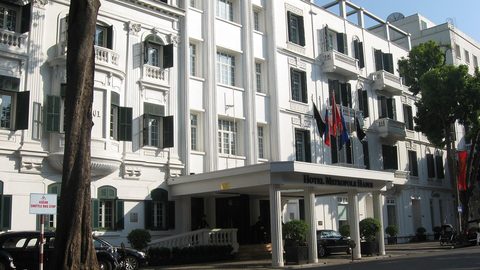
 Hanoi Hotels That Match the City—Character, Chaos, and the Occasional Quiet Courtyard
Hanoi hotels range from Old Quarter shophouse conversions with courtyard calm to Tay Ho serviced apartments for nomads—each district trades proximity for peace differently.
Hanoi Hotels That Match the City—Character, Chaos, and the Occasional Quiet Courtyard
Hanoi hotels range from Old Quarter shophouse conversions with courtyard calm to Tay Ho serviced apartments for nomads—each district trades proximity for peace differently.
-
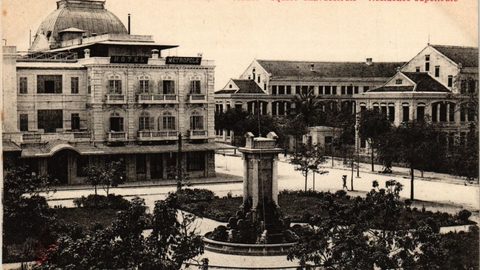 Where to Stay in Hanoi Without Missing the City That Exists Beyond the Old Quarter
Base yourself in the Old Quarter for street-food density and chaos, Tay Ho for lakeside brunches and craft beer, or Truc Bach for a quieter old-Hanoi rhythm with banh cuon on your doorstep.
Where to Stay in Hanoi Without Missing the City That Exists Beyond the Old Quarter
Base yourself in the Old Quarter for street-food density and chaos, Tay Ho for lakeside brunches and craft beer, or Truc Bach for a quieter old-Hanoi rhythm with banh cuon on your doorstep.
-
 Flying into Hanoi and Getting from Noi Bai to the Old Quarter Fast
Flying into Hanoi Noi Bai Airport—SIM pickup, Grab setup on airport Wi-Fi, express bus 86 vs taxi costs, and the domestic transfer for onward Vietnam flights.
Flying into Hanoi and Getting from Noi Bai to the Old Quarter Fast
Flying into Hanoi Noi Bai Airport—SIM pickup, Grab setup on airport Wi-Fi, express bus 86 vs taxi costs, and the domestic transfer for onward Vietnam flights.
-
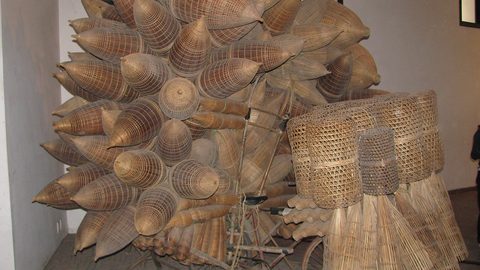 Hanoi Things to Do That Are Worth Your Limited Days, Ranked Honestly
Ranked honestly: Temple of Literature and the Women's Museum are non-negotiable, Ho Chi Minh Mausoleum demands a pre-9am arrival and strict dress code, and Train Street access is now restricted.
Hanoi Things to Do That Are Worth Your Limited Days, Ranked Honestly
Ranked honestly: Temple of Literature and the Women's Museum are non-negotiable, Ho Chi Minh Mausoleum demands a pre-9am arrival and strict dress code, and Train Street access is now restricted.
-
 Best Time to Visit Hanoi, Month by Month, With the Tradeoff Each One Carries
October-November and March-April deliver 20-28°C walking weather, but avoid Tet when street-food stalls shut for 7-10 days and June-August when 35°C heat floods the streets in 20 minutes.
Best Time to Visit Hanoi, Month by Month, With the Tradeoff Each One Carries
October-November and March-April deliver 20-28°C walking weather, but avoid Tet when street-food stalls shut for 7-10 days and June-August when 35°C heat floods the streets in 20 minutes.
-
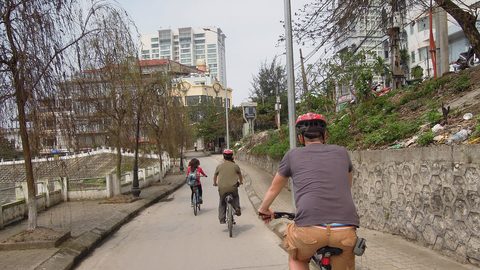 Getting Around Hanoi When Pavements Are Parking Lots and Google Maps Lies
Grab dominates Hanoi transit but requires a local SIM set up at Noi Bai Airport before you leave the Wi-Fi zone, and Google Maps walking times double when pavements become motorbike parking lots.
Getting Around Hanoi When Pavements Are Parking Lots and Google Maps Lies
Grab dominates Hanoi transit but requires a local SIM set up at Noi Bai Airport before you leave the Wi-Fi zone, and Google Maps walking times double when pavements become motorbike parking lots.
-
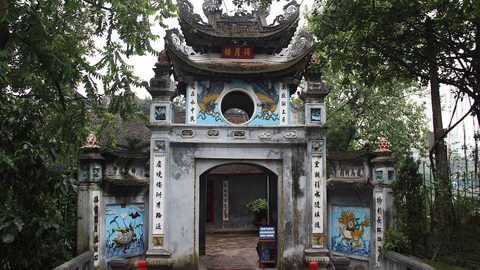 Hoan Kiem Lake
 at its two best moments—6am tai chi and the red bridge empty, and weekend nights when the roads close and Hanoi takes over the asphalt.
Hoan Kiem Lake
Hoan Kiem Lake at its two best moments—6am tai chi and the red bridge empty, and weekend nights when the roads close and Hanoi takes over the asphalt.
-
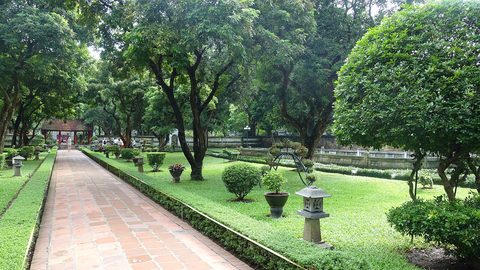 Temple of Literature
The Temple of Literature’s five courtyards walked in order—the turtle stelae, the Well of Heavenly Clarity, and why Vietnamese graduates still crowd the third courtyard.
Temple of Literature
The Temple of Literature’s five courtyards walked in order—the turtle stelae, the Well of Heavenly Clarity, and why Vietnamese graduates still crowd the third courtyard.
-
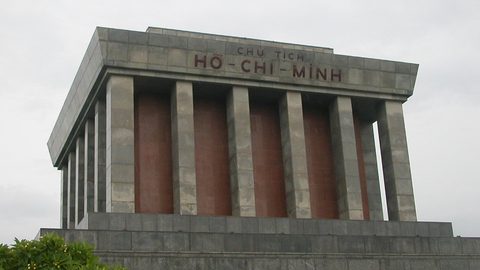 Ho Chi Minh Mausoleum
 queue rules, dress code, morning-only hours, and the months it closes entirely—the strictest visitor experience in Vietnam, no booking possible.
Ho Chi Minh Mausoleum
Ho Chi Minh Mausoleum queue rules, dress code, morning-only hours, and the months it closes entirely—the strictest visitor experience in Vietnam, no booking possible.