Yes, Hanoi Is Worth Visiting—Here Is Who Should Skip It
Yes, Hanoi is worth visiting—in two sentences. Then the honest reasons it might not be for you, from motorbike swarms to pavements you cannot walk on.

Yes, Hanoi is Worth Visiting, Here is Who Should Skip it
A common wrong assumption about Hanoi is that it is a chaotic city you will quickly adjust to. The more honest truth is that many travellers never mentally adjust. Yes, Hanoi is worth visiting for street-food obsessives and culture-first travellers. No, for anyone whose trip hinges on calm, clean, pedestrian-friendly streets.
Hanoi Travel Who Should Avoid
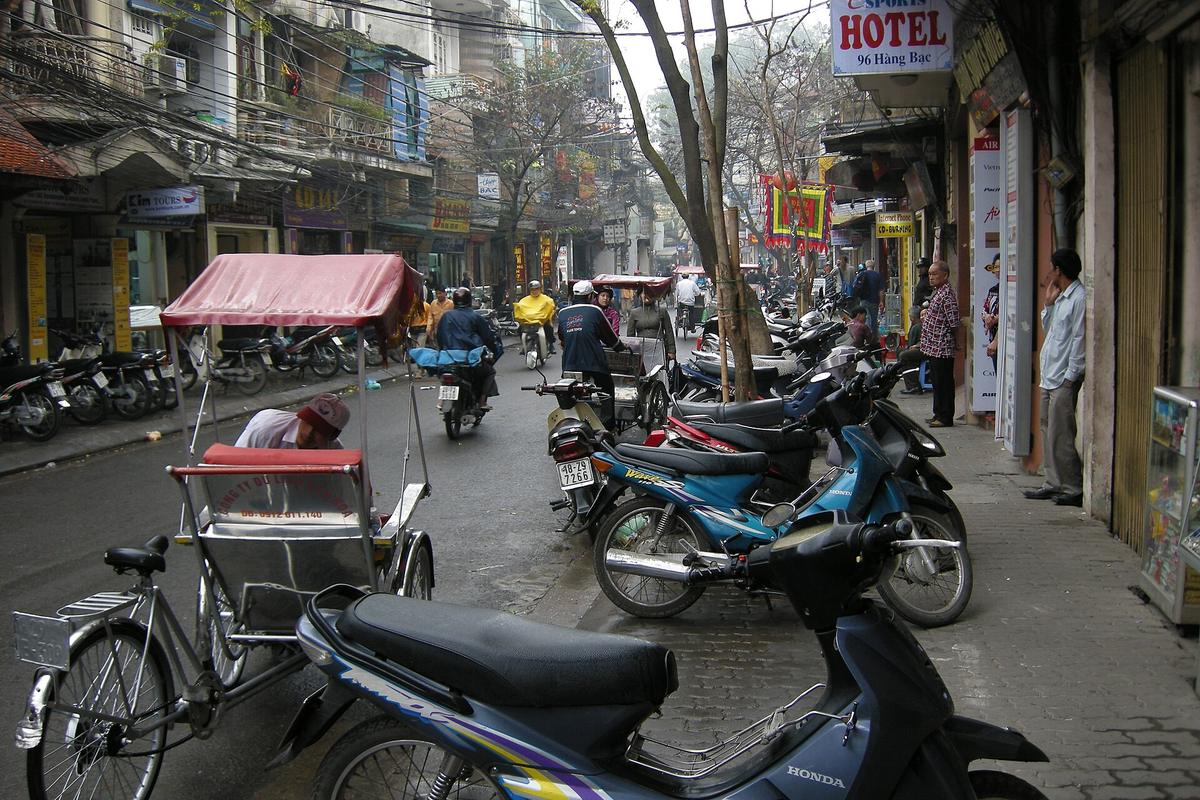
If your ideal holiday involves poolside lounging, silent mornings, and pavements you can push a pram along, Hanoi is the wrong city. Families with young children who need pavements for prams face a real obstacle: pavements in the Old Quarter are not for walking. They function as motorbike parking, kitchen extensions, and retail spillover, forcing you into the road with moving traffic. Anyone whose trip depends on a relaxing, restful environment should give their days to Hoi An or the northern mountains instead.
Hanoi is many things, but restful it is not. The sensory intensity is the default, not an occasional inconvenience. If that sounds like a dealbreaker, skip Hanoi and save the trip for another time.
Hanoi Sensory Overload Difficulty
What the Noise and Crowds Do to You
Hanoi hits you with a full-sensory assault that is exhilarating for the first 48 hours and exhausting thereafter. The Old Quarter’s motorbike swarm never stops. Horn bleats layer over each other from every direction. The sheer density of humanity on every pavement means you cannot walk a straight line.
Crossing Streets and Getting Lost
Crossing the street is the hardest part. You walk slowly and let the river of scooters flow around you, which feels suicidal the first dozen times. Google Maps walking directions are directionally correct but fail to account for pavements entirely occupied by parked motorbikes, street kitchens, or construction debris. A 10-minute walk can become a 20-minute obstacle course. Some travellers never mentally adjust to the noise layer that never fully recedes. That is the primary reservation about Hanoi: noise levels are among the highest in urban Southeast Asia.
Hanoi vs Relaxed Vietnam Destination
Hanoi is not a better or worse city than Ho Chi Minh City, they are different animals. But against a relaxed Vietnam destination like Hoi An or Ninh Binh, Hanoi loses badly on the comfort front. Hoi An offers a compact walkable centre with low traffic, a quieter food scene, and beach access. Ninh Binh gives you karst river scenery and silence. Hanoi gives you a thousand-year-old street plan, the best street food in Southeast Asia, and extraordinary value. None of that comes wrapped in calm.
If you need a destination where you can recharge, pick Hoi An or the northern mountains. If you want to eat your way through a city that has been perfecting noodle soups since before Bangkok existed, pick Hanoi. Just know what you are choosing.
Hanoi First Time Visitor Reality Check
Money, Queues, and Street Names
Cash is mandatory for street food, small cafes, and bia hoi corners. Many vendors cannot break a 500,000 VND note, so hoard small bills. Public bins are rare. The concept of a queue at bus stops or food stalls is aspirational rather than observed, which can read as rudeness if you are not expecting it.
Old Quarter street names change every few blocks despite the same road continuing, and many alleys share near-identical names. Navigation by address alone is unreliable. Marked pedestrian crossings mean nothing to motorbike riders, the only functional method is the slow, predictable shuffle.
Where to Stay
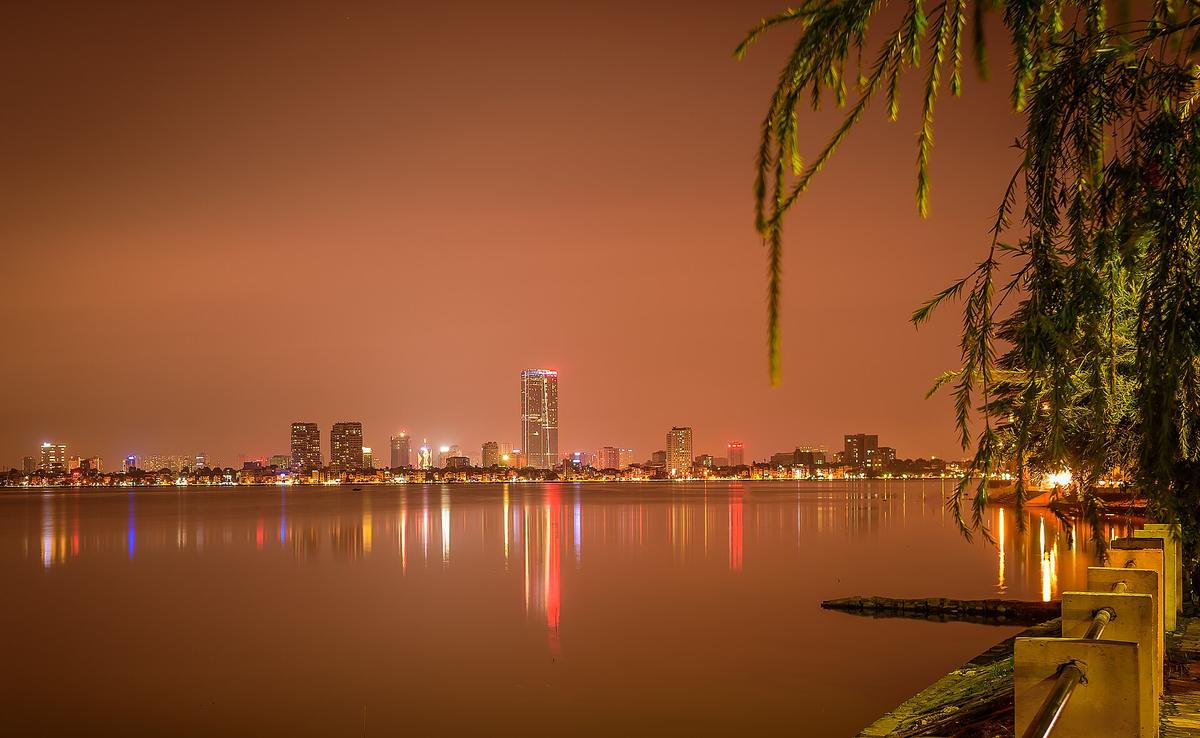
Stay only in the Old Quarter and you will judge Hanoi by its most chaotic square kilometre. The city’s best food, neighbourhoods, and breathing room are in Tay Ho, Truc Bach, and Ba Dinh. Missing them leaves you with a one-note impression of relentless noise.
.jpg)
When to Visit and What Not to Do
Best Months to Go
The most bearable months are October, November, March, and April, when temperatures sit at 20-28°C with lower humidity and minimal rain. Walking the Old Quarter becomes pleasant rather than a sweat-drenched endurance test.
Times to Avoid
Avoid Tet, the Vietnamese Lunar New Year in late January to mid-February. For 7-10 days the city hollows out as residents return to hometowns. Many street-food stalls, markets, and independent shops close entirely. The ones that remain often double prices. Also avoid June and August unless you enjoy 35°C heat with 80% humidity and sudden downpours that flood streets in 20 minutes.
Arrival and Getting Around
Noi Bai International Airport is 35-50 minutes from the Old Quarter by taxi or Grab, costing 250,000-350,000 VND. The express bus 86 runs every 25-30 minutes to the Hoan Kiem area in 50-60 minutes for 45,000 VND. Ignore touts offering fixed-price rides inside the terminal. Walk to the official taxi queue or book on the Grab app. You need a local SIM with data to use Grab. Buy a Viettel or Mobifone SIM at the airport immediately after baggage claim for 150,000-250,000 VND. Set this up before leaving the airport Wi-Fi zone.
Who Hanoi is Genuinely Best for
Hanoi is best for street-food obsessives willing to perch on plastic stools for bun cha Hanoi or egg coffee at Giang Cafe. Solo backpackers on a Southeast Asia circuit will find low costs and constant social energy. Culture-first travellers who prioritise temples, water puppets, and French-colonial layers over comfort will have more than enough to fill 3-4 full days. Digital nomads who want low costs and do not need a beach will appreciate the Tay Ho expat enclave. Second-time Vietnam visitors ready to go deeper than Ho Chi Minh City will find a different food register, a seasonal climate, and a pre-colonial urban fabric that Saigon lacks.
The single thing that most often goes wrong here is staying only in the Old Quarter and judging Hanoi by its most chaotic square kilometre. The city’s best food, neighbourhoods, and breathing room are in the districts around West Lake, Truc Bach, and Ba Dinh. Missing them leaves visitors with a one-note impression of relentless noise. Do not let that be you.
Read next
-
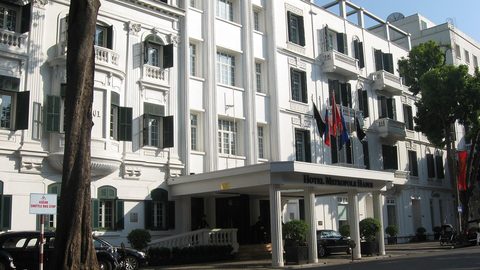
 Hanoi Hotels That Match the City—Character, Chaos, and the Occasional Quiet Courtyard
Hanoi hotels range from Old Quarter shophouse conversions with courtyard calm to Tay Ho serviced apartments for nomads—each district trades proximity for peace differently.
Hanoi Hotels That Match the City—Character, Chaos, and the Occasional Quiet Courtyard
Hanoi hotels range from Old Quarter shophouse conversions with courtyard calm to Tay Ho serviced apartments for nomads—each district trades proximity for peace differently.
-
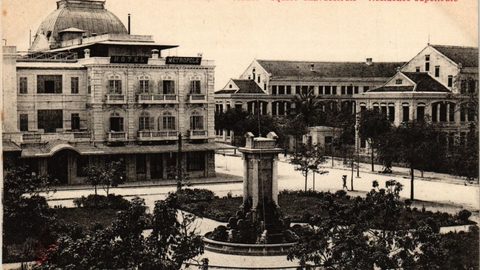 Where to Stay in Hanoi Without Missing the City That Exists Beyond the Old Quarter
Base yourself in the Old Quarter for street-food density and chaos, Tay Ho for lakeside brunches and craft beer, or Truc Bach for a quieter old-Hanoi rhythm with banh cuon on your doorstep.
Where to Stay in Hanoi Without Missing the City That Exists Beyond the Old Quarter
Base yourself in the Old Quarter for street-food density and chaos, Tay Ho for lakeside brunches and craft beer, or Truc Bach for a quieter old-Hanoi rhythm with banh cuon on your doorstep.
-
 Flying into Hanoi and Getting from Noi Bai to the Old Quarter Fast
Flying into Hanoi Noi Bai Airport—SIM pickup, Grab setup on airport Wi-Fi, express bus 86 vs taxi costs, and the domestic transfer for onward Vietnam flights.
Flying into Hanoi and Getting from Noi Bai to the Old Quarter Fast
Flying into Hanoi Noi Bai Airport—SIM pickup, Grab setup on airport Wi-Fi, express bus 86 vs taxi costs, and the domestic transfer for onward Vietnam flights.
-
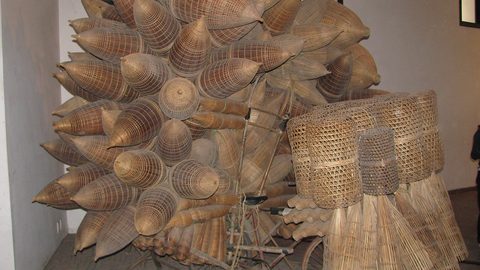 Hanoi Things to Do That Are Worth Your Limited Days, Ranked Honestly
Ranked honestly: Temple of Literature and the Women's Museum are non-negotiable, Ho Chi Minh Mausoleum demands a pre-9am arrival and strict dress code, and Train Street access is now restricted.
Hanoi Things to Do That Are Worth Your Limited Days, Ranked Honestly
Ranked honestly: Temple of Literature and the Women's Museum are non-negotiable, Ho Chi Minh Mausoleum demands a pre-9am arrival and strict dress code, and Train Street access is now restricted.
-
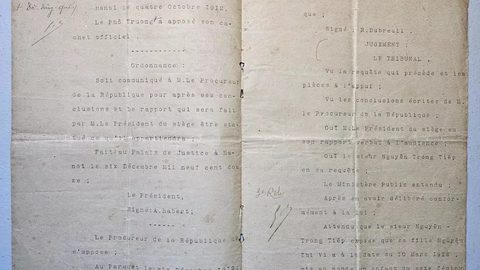 Best Time to Visit Hanoi, Month by Month, With the Tradeoff Each One Carries
October-November and March-April deliver 20-28°C walking weather, but avoid Tet when street-food stalls shut for 7-10 days and June-August when 35°C heat floods the streets in 20 minutes.
Best Time to Visit Hanoi, Month by Month, With the Tradeoff Each One Carries
October-November and March-April deliver 20-28°C walking weather, but avoid Tet when street-food stalls shut for 7-10 days and June-August when 35°C heat floods the streets in 20 minutes.
-
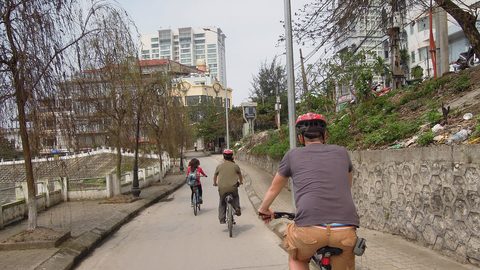 Getting Around Hanoi When Pavements Are Parking Lots and Google Maps Lies
Grab dominates Hanoi transit but requires a local SIM set up at Noi Bai Airport before you leave the Wi-Fi zone, and Google Maps walking times double when pavements become motorbike parking lots.
Getting Around Hanoi When Pavements Are Parking Lots and Google Maps Lies
Grab dominates Hanoi transit but requires a local SIM set up at Noi Bai Airport before you leave the Wi-Fi zone, and Google Maps walking times double when pavements become motorbike parking lots.
-
 Hoan Kiem Lake
 at its two best moments—6am tai chi and the red bridge empty, and weekend nights when the roads close and Hanoi takes over the asphalt.
Hoan Kiem Lake
Hoan Kiem Lake at its two best moments—6am tai chi and the red bridge empty, and weekend nights when the roads close and Hanoi takes over the asphalt.
-
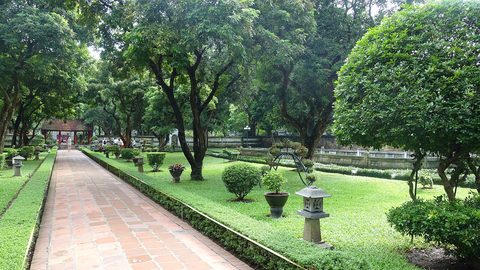 Temple of Literature
The Temple of Literature’s five courtyards walked in order—the turtle stelae, the Well of Heavenly Clarity, and why Vietnamese graduates still crowd the third courtyard.
Temple of Literature
The Temple of Literature’s five courtyards walked in order—the turtle stelae, the Well of Heavenly Clarity, and why Vietnamese graduates still crowd the third courtyard.
-
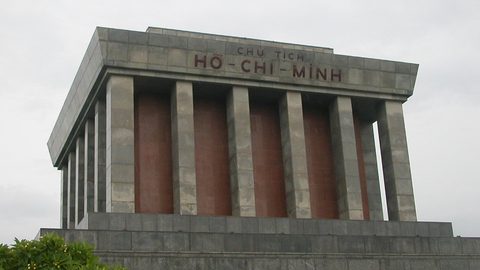 Ho Chi Minh Mausoleum
 queue rules, dress code, morning-only hours, and the months it closes entirely—the strictest visitor experience in Vietnam, no booking possible.
Ho Chi Minh Mausoleum
Ho Chi Minh Mausoleum queue rules, dress code, morning-only hours, and the months it closes entirely—the strictest visitor experience in Vietnam, no booking possible.