Three Days in Hanoi, Clustered by Neighbourhood and Deliberately Incomplete
Day one tackles the Old Quarter chaos, day two covers the Ba Dinh museum and mausoleum circuit before 9am, and day three goes deep into Truc Bach and Tay Ho food—deliberately leaving room to wander.
Three Days in Hanoi, Clustered by Neighbourhood and Deliberately Incomplete
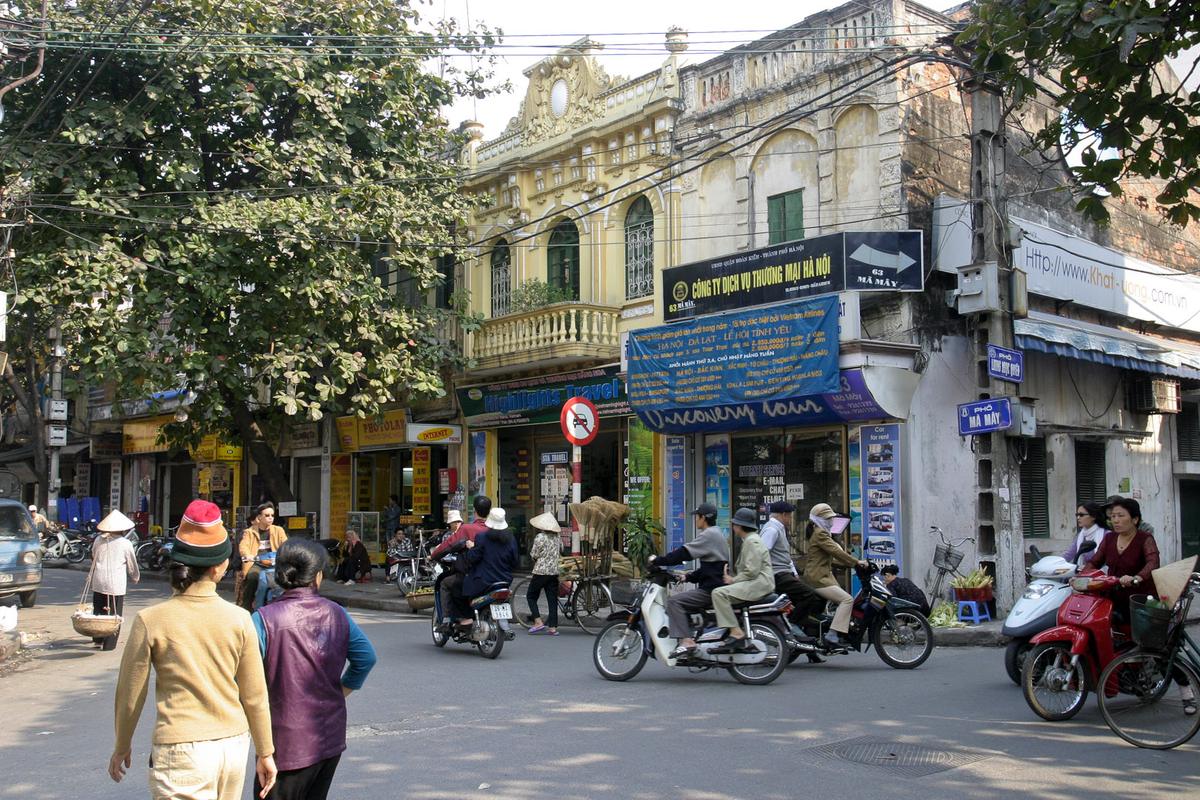
At 8am on a Tuesday the pavement outside 11 Hang Gai is a parking lot for 40 motorbikes, a woman frying spring rolls on a camping stove, and a delivery man asleep across his scooter. This is the Old Quarter, the most chaotic square kilometre in Vietnam, and this Hanoi 3 day itinerary neighbourhood clustered approach is built for it. You get one day for each of the three districts that matter, plus a rule: leave gaps. The best meal of your trip will be the one you find by following a smell down an alley, and this plan leaves room for that.
Hanoi hits you with a full sensory assault that exhilarates the first 48 hours and exhausts you after that. The motorbike swarm. The constant horn bleats. The sheer density of humanity on every pavement. The hardest part is crossing the street. Walk slowly and let the river of scooters flow around you. It feels suicidal the first dozen times. The city's charm is buried under grime, noise, and chaotic traffic. This itinerary builds in a sensory buffer. Day one stays in the densest zone. Day two moves to wide boulevards. Day three is lakeside and slow. By the end you will have seen the landmarks, eaten the food that matters, and had enough time wandering to decide whether Hanoi is your city or a one-visit city.
.jpg)
Hanoi 3 Day Itinerary Neighbourhood Clustered Day One: Hoan Kiem and the Old Quarter Core
Dawn at the Lake
Start at dawn. Hoan Kiem Lake is empty before 7am, locals doing tai chi on the path, the red bridge to Ngoc Son Temple not yet packed with groups. The temple opens at 08:00 and closes at 18:00. Admission was 30,000 VND in 2024; the figure is set by the Hoan Kiem District People's Committee and may have changed. Pay in cash, small bills preferred. The attraction here is the walk itself, not the temple interior, so budget 30 minutes.
Into the Old Quarter
From the lake, enter the Old Quarter on foot. The 36 guild streets are your map: Hang Bac (silver), Hang Gai (silk), Hang Ma (paper goods), Hang Duong (sugar). Street names change every few blocks even though the road continues, and alleys share near-identical names, so navigation by address alone fails. Use a landmark instead. Cafe Pho Co, 11 Hang Gai, is your late-afternoon coffee stop. Go inside, walk through the souvenir shop, climb to the rooftop terrace. Order an egg coffee, invented at Giang Cafe but excellent here. The view down onto Hoan Kiem Lake is worth the 40,000 to 60,000 VND.
Lunch and Afternoon
Lunch is bun cha in the Old Quarter. The Hanoi version uses grilled pork in a smoky broth with vermicelli, not the southern bun thit nuong. Find a street kitchen with plastic stools full at noon. No single restaurant is the right answer; the queues tell you where to sit.
Early evening goes to Thang Long Water Puppet Theatre at 57B Dinh Tien Hoang. Show times in 2024 were 15:30, 17:00, 18:30, and 20:00, but the schedule shifts annually and the theatre publishes current times on its own board. Tickets were 100,000 to 200,000 VND in 2024, exact price set by the theatre. Buy the cheapest seat. The stage is small and every seat works.
Bia Hoi After Dark
After the show, bia hoi corner at the junction of Ta Hien and Luong Ngoc Quyen. Fresh draft beer costs 5,000 to 10,000 VND per glass. The street drinking peaks after 9pm. Bring small bills. Many vendors cannot break a 500,000 VND note.
Day Two: Ba Dinh and the Museum Circuit
Ho Chi Minh Mausoleum Complex
This is the early start day. Ho Chi Minh Mausoleum complex and Ba Dinh Square open Tuesday through Thursday and Saturday through Sunday. Closed Monday and Friday. Summer hours are 07:30 to 10:30. Winter hours are 08:00 to 11:00. Entry closes at 11:00. Exact dates for the switch between summer and winter are set annually by the Mausoleum management office. Arrive by 08:00. The queue builds fast and you cannot book ahead. Admission is free. Strict dress code: shoulders and knees covered, no sandals. Leave bags at your hotel or use the free luggage deposit outside the compound.
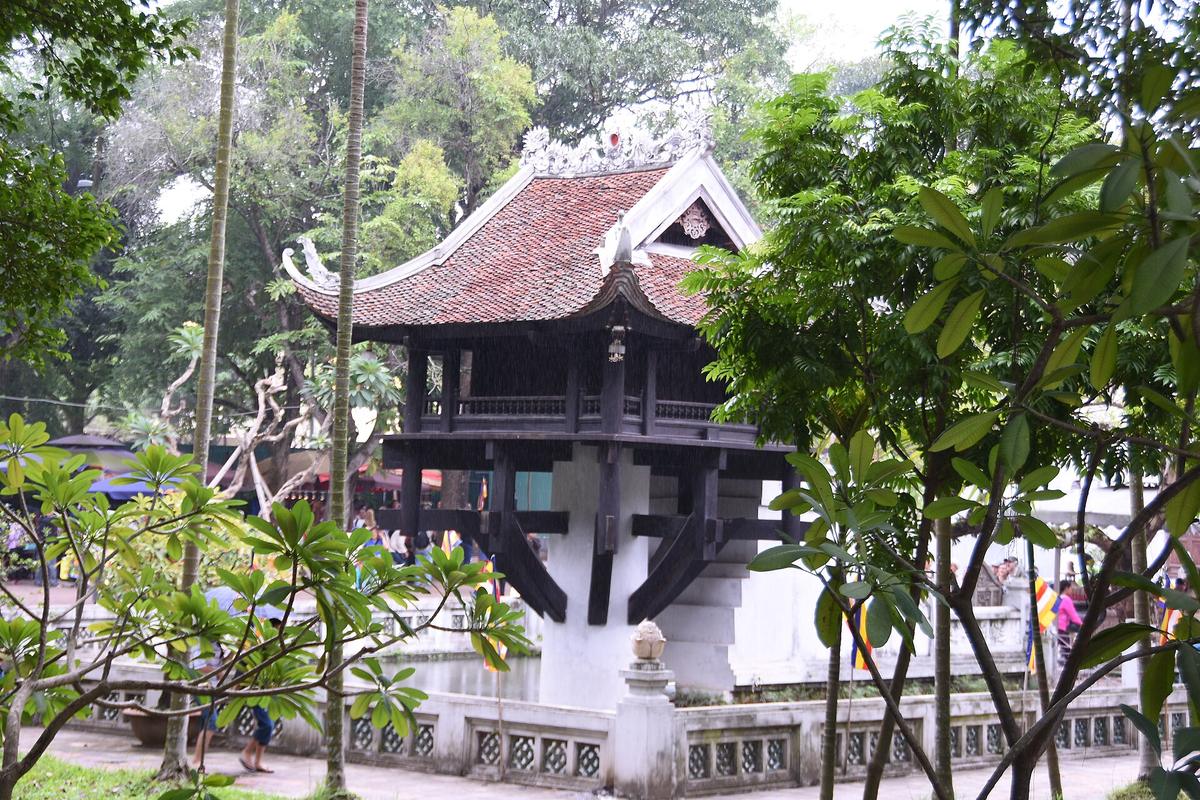
Within the Mausoleum grounds, the One Pillar Pagoda is a 5-minute stop. The Presidential Palace and Ho Chi Minh's Stilt House are worth another 20 minutes: the modest living quarters are the reason this visit works.
Temple of Literature
Late morning, walk or take a Grab car to the Temple of Literature. Vietnam's first university, founded 1070. Opening time 08:00, closing time 17:00. Admission was 30,000 VND in 2024, set by the temple's management board. The courtyards take 45 minutes to walk. Skip the gift shop.
Lunch in the Truc Bach or Ba Dinh area. Pho or bun thang. The pho thin (bo tai lan) lineage is specific to Hanoi: stir-fried rare beef, richer and garlic-forward. Bun thang is a chicken and egg noodle soup, labour-intensive, found at a handful of specialist stalls.
Choose Your Museum
Afternoon is a choice between two museums. The Vietnamese Women's Museum at 36 Ly Thuong Kiet, Hai Ba Trung district, opens 08:00 to 17:00. Admission was 40,000 VND in 2024. The curation on family, fashion, and war roles is superb. Alternatively the Vietnam Museum of Ethnology on Nguyen Van Huyen in Cau Giay district opens 08:30 to 17:30, closed Monday. Admission was 40,000 VND in 2024. Indoor and outdoor tribal homes give essential context for northern Vietnam. Choose the Women's Museum if you want the city centre. Choose Ethnology if you want to see a district with zero tourists and a 15-minute Grab ride.
West Lake and Dinner
Late afternoon, go to the West Lake area. Tran Quoc Pagoda, the oldest pagoda in Hanoi, opens 07:30 to 18:00. Sunset from the lake shore is the point. Coffee at any of the lakeside cafes along Thanh Nien road.
Dinner is either West Lake seafood or Cha Ca La Vong at 14 Cha Ca Street. Cha Ca La Vong is a single-dish institution: turmeric fish with dill, cooked tableside. One dish, set price, bring cash. The dish is 120,000 to 150,000 VND depending on the current owner's price; they do not accept cards.
Day Three: Food Depth in Truc Bach and Tay Ho
Morning in Truc Bach
This is the neighbourhood day. No monuments, no museum. The assignment is eating and walking slowly. Truc Bach is a quieter lake island with an old Hanoi feel. Tay Ho is the expat enclave around West Lake with lakeside cafes, brunch spots, and craft beer. The two districts sit next to each other. You can do both on foot or by short Grab ride.
Start in Truc Bach. Breakfast is banh cuon Thanh Tri, paper-thin steamed rice rolls from a specific village. The Truc Bach versions are lighter than stuffed versions elsewhere. Find the stall with a queue of local women in conical hats. Eat it at 7am and you will be right.
Mid-morning, walk around Truc Bach lake. No map needed. The lake is small, the pavement is patchy, and the point is the exercise itself. Coffee at any cafe that has a front door open and plastic stools out. Grab an egg coffee or a black iced filter (ca phe den da).
Lunch and Afternoon in Tay Ho
Lunch moves to Tay Ho. Banh cuon again or bun rieu cua (crab and tomato noodle soup with freshwater crab paste, often a breakfast-only item but Tay Ho kitchens serve it all day). The lakeside cafes along Xuan Dieu road offer lunch menus with Western and Vietnamese options; the local food is on the side streets behind them.
Afternoon is wandering and sitting. No structure. West Lake and Tran Quoc Pagoda are in Tay Ho if you missed them on Day Two. If you did Day Two properly, skip the pagoda and just walk the lake path.
Evening Drinks and Dinner
Early evening, bia hoi corner again or a craft beer bar in Tay Ho. Truc Bach has a few bia hoi spots that are less crowded than the Old Quarter version. Fried fermented pork spring rolls (nem chua ran) go with the beer: a crispy sour snack found at bia hoi corners.
Dinner is wherever a smell pulls you. The dossier is explicit: the best meal will be the one you find by following a smell down an alley. This itinerary is deliberately incomplete because Hanoi rewards wandering.
| Day | Focus Area | Key Sights | Key Eats |
|---|---|---|---|
| Day 1 | Hoan Kiem / Old Quarter | Hoan Kiem Lake, Ngoc Son Temple, water puppet theatre | Bun cha, bia hoi at Ta Hien, egg coffee at Cafe Pho Co |
| Day 2 | Ba Dinh / Museums | Ho Chi Minh Mausoleum, Temple of Literature, Women's Museum or Ethnology Museum, Tran Quoc Pagoda | Pho thin or bun thang, Cha Ca La Vong or West Lake seafood |
| Day 3 | Truc Bach / Tay Ho | Truc Bach lake, West Lake walking path | Banh cuon Thanh Tri, bun rieu cua, bia hoi with nem chua ran |
If You Have Two Days Instead of Three
If You Have Two Days
Drop Day Three. Day Two becomes your Ba Dinh to museums to West Lake day. Day One stays unchanged. You miss the neighbourhood food depth in Truc Bach and Tay Ho, but you hit the essential landmarks and the Old Quarter core.
If You Have Five Days
Add Day Four as an overnight in Ha Long Bay. One night on a boat. Day Five becomes a half day at Bat Trang Ceramic Village (40 minutes by car or bus 47) plus Dong Xuan Market (06:00 to 18:00) and Train Street, though Train Street was closed to visitors by municipal order in 2026 and the status needs checking before you go.
The Day Trip You Take on Day Three
If you swap Day Three for a day trip, the right choice is Ninh Binh, not Ha Long Bay. Ha Long requires four to five hours each way by road, insufficient time in a single day. Ninh Binh is two to 2.5 hours each way by car or train. Depart Hanoi at 06:30 to 07:00. Return by 19:00 to 20:00. Take a boat through Trang An, walk the ancient capital at Hoa Lu, and climb the viewpoint at Mua Cave. Lunch is goat meat and com chay (crispy rice) in the Tam Coc area. Coffee at Tam Coc lakeside cafes. This is a compact UNESCO landscape that works as a day trip. Bat Trang is better as a half-day add-on, not a full day.
.jpg)
What Goes Wrong and How to Handle it
Pavements are not for walking. They are motorbike parking, kitchen extensions, and retail spillover. You will be forced into the road with moving traffic. Google Maps walking directions are directionally correct but fail to account for this, so a 10-minute walk can become a 20-minute obstacle course.
Street names change every few blocks despite the same road continuing. Many alleys share near-identical names. Navigation by address alone is unreliable. Use landmarks and the Grab app, not Google Maps walking mode.
Cash and small bills. Street food, bia hoi, and most small cafes will not take a 500,000 VND note. Hoard 10,000 and 20,000 VND notes. Break larger notes at a convenience store or a hotel front desk.
Public bins are rare. The concept of a queue at bus stops or food stalls is aspirational rather than observed. This can read as rudeness if you are not expecting it. It is not rudeness; it is the local system.
Train Street is closed. As of 2026, the municipal order bars visitors. Police block entry during train times. Do not plan on seeing it. The dossier lists it as a landmark but the note states it is closed to visitors.
The One Thing That Most Often Goes Wrong
You will arrive on Day One, hit the Old Quarter, get overwhelmed, and decide you hate Hanoi. That is the failure case. The fix is this structure: stick to Day One's tight zone, then Day Two's open boulevards, then Day Three's slow lakeside. If after three days you still hate it, you gave it a fair chance. If you skip Day Two and Day Three and leave after the Old Quarter, you judged Hanoi by its most chaotic square kilometre and you got a one-note impression of relentless noise. Do not do that.
Practical Next Step
Book your first night in a hotel in the Hoan Kiem district, within a 10-minute walk of the lake. Do not book anywhere else for the first night. Arrive with small bills, a Viettel SIM installed, and the Grab app registered. Wake up at 6am Day One, walk to the lake, and start the slow shuffle across the first intersection. Everything after that is easier.
Common Questions
What is the hardest part of visiting Hanoi?
Crossing the street. You walk slowly and let the river of scooters flow around you, which feels suicidal the first dozen times. Marked pedestrian crossings mean nothing to motorbike riders. The only functional method is the slow predictable shuffle.
When is the best time for this itinerary?
October to November and March to April. These months deliver the most bearable mix of temperatures (20 to 28 degrees C), lower humidity, and minimal rain. Walking the Old Quarter is actually pleasant rather than a sweat-drenched endurance test.
When should I avoid Hanoi?
Tet, the Vietnamese Lunar New Year, late January to mid February, dates shift each year. For 7 to 10 days the city hollows out as residents return to hometowns. Many street food stalls, markets, and independent shops close entirely. The ones that remain often double prices. Also avoid June to August unless you enjoy 35-degree heat with 80 percent humidity and sudden downpours that flood streets in 20 minutes.
How do I get from Noi Bai Airport to the Old Quarter?
Taxi or Grab ride-hail takes 35 to 50 minutes and costs 250,000 to 350,000 VND. Express bus 86 runs every 25 to 30 minutes to the Hoan Kiem area in 50 to 60 minutes for 45,000 VND. Ignore touts offering fixed-price rides inside the terminal. Walk to the official taxi queue or book on the Grab app.
What is the biggest mistake first-time visitors make?
Staying only in the Old Quarter and judging Hanoi by its most chaotic square kilometre. The city's best food, neighbourhoods, and breathing room are in the districts around West Lake, Truc Bach, and Ba Dinh. Missing them leaves you with a one-note impression of relentless noise.
Do I need cash or card?
Cash is still mandatory for street food, small cafes, and bia hoi. Many vendors cannot break a 500,000 VND note, so hoard small bills. Cards work at higher-end restaurants, hotels, and some craft beer bars. ATMs are everywhere in the Old Quarter.
How do I get a SIM for Grab and maps?
Buy a Viettel or Mobifone SIM at the airport immediately after baggage claim. 150,000 to 250,000 VND for a tourist data package. Grab requires a Vietnamese phone number to register. Set this up before leaving the airport Wi-Fi zone. 4G coverage is strong across the city.
Read next
-
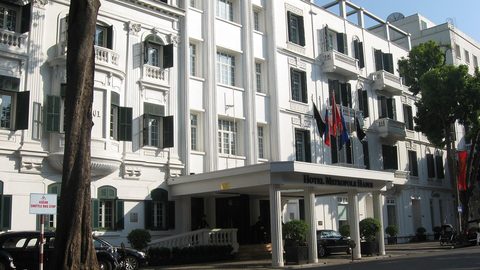
 Hanoi Hotels That Match the City—Character, Chaos, and the Occasional Quiet Courtyard
Hanoi hotels range from Old Quarter shophouse conversions with courtyard calm to Tay Ho serviced apartments for nomads—each district trades proximity for peace differently.
Hanoi Hotels That Match the City—Character, Chaos, and the Occasional Quiet Courtyard
Hanoi hotels range from Old Quarter shophouse conversions with courtyard calm to Tay Ho serviced apartments for nomads—each district trades proximity for peace differently.
-
 Where to Stay in Hanoi Without Missing the City That Exists Beyond the Old Quarter
Base yourself in the Old Quarter for street-food density and chaos, Tay Ho for lakeside brunches and craft beer, or Truc Bach for a quieter old-Hanoi rhythm with banh cuon on your doorstep.
Where to Stay in Hanoi Without Missing the City That Exists Beyond the Old Quarter
Base yourself in the Old Quarter for street-food density and chaos, Tay Ho for lakeside brunches and craft beer, or Truc Bach for a quieter old-Hanoi rhythm with banh cuon on your doorstep.
-
 Flying into Hanoi and Getting from Noi Bai to the Old Quarter Fast
Flying into Hanoi Noi Bai Airport—SIM pickup, Grab setup on airport Wi-Fi, express bus 86 vs taxi costs, and the domestic transfer for onward Vietnam flights.
Flying into Hanoi and Getting from Noi Bai to the Old Quarter Fast
Flying into Hanoi Noi Bai Airport—SIM pickup, Grab setup on airport Wi-Fi, express bus 86 vs taxi costs, and the domestic transfer for onward Vietnam flights.
-
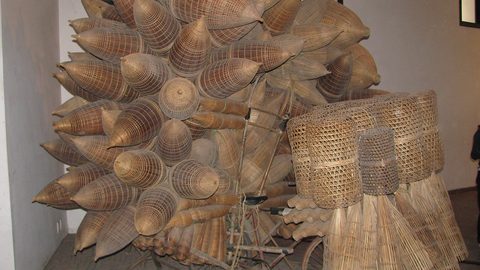 Hanoi Things to Do That Are Worth Your Limited Days, Ranked Honestly
Ranked honestly: Temple of Literature and the Women's Museum are non-negotiable, Ho Chi Minh Mausoleum demands a pre-9am arrival and strict dress code, and Train Street access is now restricted.
Hanoi Things to Do That Are Worth Your Limited Days, Ranked Honestly
Ranked honestly: Temple of Literature and the Women's Museum are non-negotiable, Ho Chi Minh Mausoleum demands a pre-9am arrival and strict dress code, and Train Street access is now restricted.
-
 Best Time to Visit Hanoi, Month by Month, With the Tradeoff Each One Carries
October-November and March-April deliver 20-28°C walking weather, but avoid Tet when street-food stalls shut for 7-10 days and June-August when 35°C heat floods the streets in 20 minutes.
Best Time to Visit Hanoi, Month by Month, With the Tradeoff Each One Carries
October-November and March-April deliver 20-28°C walking weather, but avoid Tet when street-food stalls shut for 7-10 days and June-August when 35°C heat floods the streets in 20 minutes.
-
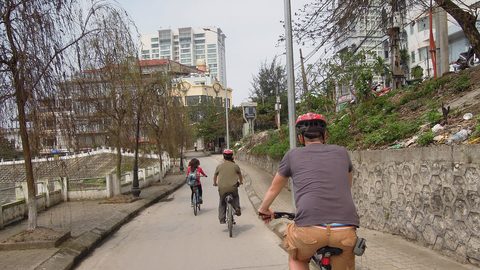 Getting Around Hanoi When Pavements Are Parking Lots and Google Maps Lies
Grab dominates Hanoi transit but requires a local SIM set up at Noi Bai Airport before you leave the Wi-Fi zone, and Google Maps walking times double when pavements become motorbike parking lots.
Getting Around Hanoi When Pavements Are Parking Lots and Google Maps Lies
Grab dominates Hanoi transit but requires a local SIM set up at Noi Bai Airport before you leave the Wi-Fi zone, and Google Maps walking times double when pavements become motorbike parking lots.
-
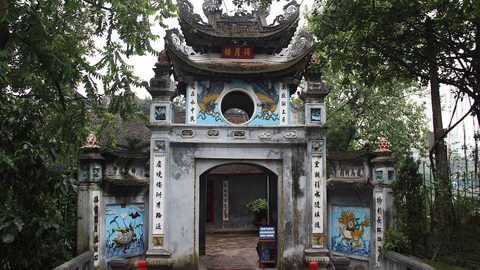 Hoan Kiem Lake
 at its two best moments—6am tai chi and the red bridge empty, and weekend nights when the roads close and Hanoi takes over the asphalt.
Hoan Kiem Lake
Hoan Kiem Lake at its two best moments—6am tai chi and the red bridge empty, and weekend nights when the roads close and Hanoi takes over the asphalt.
-
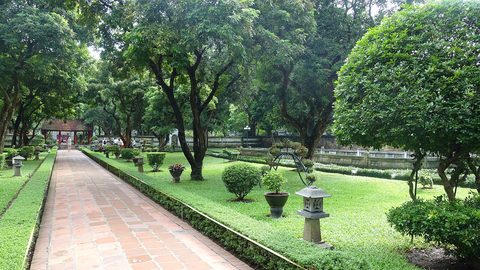 Temple of Literature
The Temple of Literature’s five courtyards walked in order—the turtle stelae, the Well of Heavenly Clarity, and why Vietnamese graduates still crowd the third courtyard.
Temple of Literature
The Temple of Literature’s five courtyards walked in order—the turtle stelae, the Well of Heavenly Clarity, and why Vietnamese graduates still crowd the third courtyard.
-
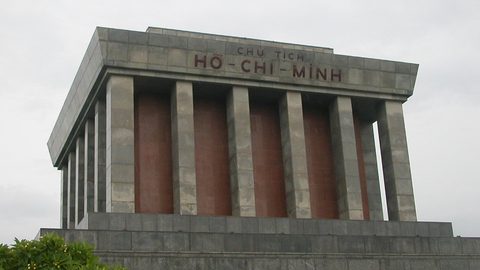 Ho Chi Minh Mausoleum
 queue rules, dress code, morning-only hours, and the months it closes entirely—the strictest visitor experience in Vietnam, no booking possible.
Ho Chi Minh Mausoleum
Ho Chi Minh Mausoleum queue rules, dress code, morning-only hours, and the months it closes entirely—the strictest visitor experience in Vietnam, no booking possible.