Eating in Hanoi Is More Restrained and Less Sweet Than the South, and It Is the Better Food City for It
Hanoi's food is more restrained and less sweet than the south—bun cha, cha ca La Vong, pho thin, and egg coffee at Giang Cafe reward those willing to perch on plastic stools and eat before 9am.
Hanoi Food is Less Sweet, More Restrained, and That Makes it a Better Food City
Northern Vietnamese food uses less sugar than the south. The broth does the work, not the sweetener. Pho bo from Hanoi relies on charred ginger, star anise, and fish sauce. No rock sugar. No hoisin. Bun cha arrives with a dipping sauce balanced by vinegar, not a sweet marinade. This restraint is not an absence of flavor. It is the reason Hanoi is the better food city for anyone who wants to taste ingredients rather than sugar. The south piles on herbs, bean sprouts, and hoisin to mask a thin broth. Hanoi lets the bones speak.
Bun Cha: Not Southern Bun Thit Nuong
Bun cha was first documented in Hanoi in the 1950s. It is not bun thit nuong with a different name. The difference is structural. Bun cha serves grilled fatty pork patties (cha vien) and grilled pork belly slices (cha mieng) separately from cold rice vermicelli and a bowl of dipping sauce. The sauce is nuoc cham made with fish sauce, vinegar, sugar, garlic, chili, and pickled green papaya or carrot. You dip the meat and noodles into the sauce. Do not pour the sauce over the noodles. Bun thit nuong is a single-bowl salad where the meat, noodles, herbs, and dressing are combined. Do not mix them. The correct method keeps the vermicelli cold and the meat hot.
Find it at street stalls in the Old Quarter. Expect to pay 40,000 to 60,000 VND per portion. Bun cha is a lunch dish, not a dinner one. Go between 11am and 1pm. If the stall runs out of grilled pork by 1pm, it is gone.

Cha Ca La Vong: One Dish, One Street, 1871
Cha ca La Vong operates at 14 Cha Ca Street, a road renamed after the dish it sells. The Doan family started serving it in 1871 when the street was still called Hang Son. The dish is turmeric-marinated hemibagrus fish (ca lang) pan-fried tableside with dill, scallions, peanuts, shrimp paste (mam tom), and rice vermicelli. It is a single-dish restaurant. You order one thing. The pot arrives on a portable burner and the cooking continues at your table. This is not a casual street food experience.
Timing and the Shrimp Paste Decision
A portion costs roughly 150,000 to 200,000 VND. The restaurant opens for lunch and dinner but closes when the fish runs out, usually by 8pm. If you arrive at 1pm on a holiday, expect a 30-minute wait. There is no reservation system. Stand in the queue or eat elsewhere. The shrimp paste is strong. If you do not like fermented flavours, order without it.
Pho Thin: Stir-Fried Rare Beef and a Garlic Punch
Pho thin (bo tai lan) is not the clear-broth pho most travellers know. The beef is stir-fried in garlic and a little oil before the hot broth is poured over it. The result is richer, garlic-forward, and specific to one lineage of shops that trace back to Pho Thin on Lo Duc Street. The broth is beef-bone based with charred onion and ginger. The stir-frying step adds a layer of browned fat and garlic that the standard bowl lacks. The noodles are flat rice noodles, wider than the southern style. Garnishes are scallions, pickled garlic, chili vinegar, and lime. Bean sprouts and hoisin are not standard. Do not ask for them.
How to Spot the Real Pho Thin
A bowl costs 50,000 to 70,000 VND. Many stalls calling themselves Pho Thin use the name without the technique. Look for the stir-fry step visible at the cooking counter. If the beef goes straight into the bowl raw and the broth is poured on top, it is not pho thin.
Banh Cuon Thanh Tri: Lighter Than the Stuffed Versions
Banh cuon from Thanh Tri village is paper-thin. The rice-flour sheet is steamed so lightly that you can see through it. The stuffing is minimal: a little minced pork and wood-ear mushroom. This is not the thick, stuffed version found in Ho Chi Minh City that resembles a dumpling. The Thanh Tri version relies on the texture of the sheet and the balance of the nuoc cham dipping sauce. Fried shallots add crunch. The dish is breakfast only at most stalls. Go between 6am and 9am. If you arrive at 10am, the stall has cleaned up and closed. Find it on the streets around Thanh Tri village in Hoang Mai district or at stalls in the Old Quarter that name Thanh Tri on their sign. Expect to pay 30,000 to 50,000 VND for a plate of four rolls.
Bun Rieu Cua: Breakfast Only, Crab and Tomato Broth
Bun rieu cua is a crab and tomato noodle soup. The broth gets its colour from annatto oil. The protein is pounded freshwater crab (cua dong) with body and pincers, giving the soup a gritty, crab-heavy texture. Fried tofu and shrimp paste complete the bowl. It is breakfast only. Stalls open between 5am and 7am and sell out by 9am or 10am. Set an alarm. Find it on Hang Bun Street, the vermicelli street, or around the markets in Ba Dinh district. Cost is 30,000 to 50,000 VND. If you try to order it at lunch, you get a version made with frozen crab paste that lacks the texture of fresh pounded crab. The difference is noticeable. Stick to the early window.
Egg Coffee: Invented at Giang Cafe in 1946
Egg coffee (ca phe trung) was invented in 1946 by Nguyen Van Giang, a former bartender at the Sofitel Legend Metropole Hanoi. He whisked egg yolk with condensed milk and poured it over strong robusta coffee. The drink is thick, warm, and sweet. The egg foam sits on top. You drink the coffee through it. No whisking. No machine. The original location is Giang Cafe at 39 Nguyen Huu Huan Street in the Old Quarter. A cup costs 35,000 to 45,000 VND. It is served hot or iced.
Skip the Tourist Imitations
The version served at tourist cafes near Hoan Kiem Lake uses pre-made powder. You can taste the difference. Go to Giang Cafe. Do not go anywhere else for your first cup. If the queue at Giang is longer than 15 minutes, stand in it. It is worth the wait.
Bia Hoi Corner: Ta Hien and Luong Ngoc Quyen After 9pm
Bia hoi corner is the intersection of Ta Hien and Luong Ngoc Quyen streets. It peaks after 9pm. Fresh draft beer at 3% to 4% ABV costs 5,000 to 15,000 VND per glass. You sit on a plastic stool 30 to 40 cm off the ground. You share a table with strangers. The beer is brewed daily and has no preservatives, so it cannot travel. This beer is not the same as bottled bia Hanoi. It is lighter, fresher, and gone by midnight.
When to Arrive and What to Bring
If you arrive before 6pm, the corner is quiet and the beer has not arrived. Peak hours run 4pm to 9pm daily, but the loudest, most crowded energy is after 9pm. Bring small bills. Vendors cannot break 500,000 VND notes. If you do not drink beer, order nem chua ran, fried fermented pork spring rolls, as a snack. Cost is 10,000 to 20,000 VND per roll.
_(38439187136).jpg)
What You Need to Eat: the Hanoi Street Food Dishes Guide
This table lists each defining dish, its origin, what distinguishes it, and the window for eating it. Memorise the windows. Missing them means missing the dish.
| Dish | Origin | Key Distinction | Best Time To Eat |
|---|---|---|---|
| Bun cha | Hanoi, 1950s | Grilled pork patties and belly, served with cold noodles and separate dipping sauce | 11am to 1pm |
| Cha ca La Vong | 14 Cha Ca Street, 1871 | Turmeric fish cooked tableside with dill, single-dish restaurant | 11am to 2pm, 6pm to 8pm |
| Pho thin (bo tai lan) | Hanoi, early 20th century | Stir-fried rare beef, garlic-forward broth | 6am to 10am |
| Bun rieu cua | Northern Vietnam | Crab and tomato broth with pounded freshwater crab | 5am to 9am, breakfast only |
| Banh cuon Thanh Tri | Thanh Tri village, Hanoi | Paper-thin rice rolls, minimal stuffing | 6am to 9am |
| Egg coffee | Giang Cafe, 1946 | Whipped egg yolk and condensed milk over robusta coffee | 8am to 8pm |
| Bia hoi | Ta Hien / Luong Ngoc Quyen | Fresh draft beer, 3-4% ABV, 5,000-15,000 VND per glass | 4pm to 9pm, peaks after 9pm |
How to Eat Hanoi Food Without Getting Stuck
Carry cash in small denominations. 20,000 VND notes and 50,000 VND notes work. A 500,000 VND note stops a street vendor cold. They cannot break it. Many street stalls operate for 2 to 4 hours per session and close when the pot empties. If you walk past a line of locals at 7:30am and decide to come back at 9am, the stall is closed. Eat when you see people eating. Point at the dish. Hold up fingers for the number of portions. Use your phone calculator to show the price. That is the complete method.
The pavement stools are 30 to 40 cm high. You sit low. You eat fast. The food is cooked to order, so the broth is boiling and the grill is hot. Do not worry about untreated ice or raw herbs washed in tap water if the stall has high customer turnover and locals eating there. The higher the turnover, the safer the food. If the stall is empty at noon, skip it.
The One Thing That Most Often Goes Wrong with Hanoi Street Food
Visitors stay in the Old Quarter and judge the entire food scene by its most chaotic square kilometre. The best banh cuon from Thanh Tri village is not in the Old Quarter. The best bun rieu is not served on a main street. The pho thin shops are on Lo Duc Street, not near Hoan Kiem Lake. If you only eat within a five-minute walk of your guesthouse, you eat reheated broth and tourist-priced bowls.
Where to Go Instead
Go to Truc Bach for banh cuon. Go to Ba Dinh for bun rieu. Go to Long Bien bridge for the early-morning markets. The Old Quarter is the starter zone, not the whole city. If you spend three days eating only on Ta Hien and Hang Buom, you will conclude that Hanoi food is overrated. The food you missed is the food that justifies the trip.
Common Questions
What is the difference between Hanoi pho and Saigon pho?
Hanoi pho uses a broth based on beef bones, charred ginger and onion, star anise, cinnamon, cardamom, coriander seeds, fennel seeds, and cloves. No rock sugar or hoisin is added. Garnishes are scallions, pickled garlic, chili vinegar, and lime. South Vietnamese pho adds rock sugar, hoisin sauce, bean sprouts, and fresh herbs like Thai basil, culantro, and sawtooth herb. The noodles in Hanoi are wider than the southern style.
Is bun cha the same as bun thit nuong?
No. Bun cha serves grilled pork patties and belly separately from cold vermicelli and a dipping sauce. You dip the meat and noodles into the sauce. Bun thit nuong combines everything in one bowl with dressing already poured over it. The structure and eating method are different.
Where was egg coffee invented?
Giang Cafe at 39 Nguyen Huu Huan Street in Hanoi. Nguyen Van Giang invented it in 1946 when he was a bartender at the Sofitel Legend Metropole Hanoi. The original recipe uses egg yolk, condensed milk, and robusta coffee.
What time should I eat bun rieu cua?
Between 5am and 9am. It is a breakfast-only dish. Stalls open early and sell out by mid-morning. If you try to order it at lunch, you get a frozen crab paste version that lacks the texture of fresh pounded crab.
How much does bia hoi cost at Ta Hien corner?
5,000 to 15,000 VND per glass at 2024 prices. The beer is 3% to 4% ABV and served fresh from the keg. Bring small bills because vendors cannot break 500,000 VND notes.
Can I find vegetarian versions of these dishes?
With difficulty. Most broths contain fish sauce or shrimp paste. Banh cuon can be ordered without the pork filling if the stall makes the sheets on site, but many use pork stock. The safest bet is a com chay, a Vietnamese Buddhist vegetarian restaurant, which serves mock meat and vegetable broths without fish sauce.
How do I order food if I do not speak Vietnamese?
Point at the dish, hold up fingers for the quantity you want, and use your phone calculator to show the price. Most street vendors understand this method. Do not expect English menus or English speakers at street stalls.
Read next
-
 Hanoi Hotels That Match the City—Character, Chaos, and the Occasional Quiet Courtyard
Hanoi hotels range from Old Quarter shophouse conversions with courtyard calm to Tay Ho serviced apartments for nomads—each district trades proximity for peace differently.
Hanoi Hotels That Match the City—Character, Chaos, and the Occasional Quiet Courtyard
Hanoi hotels range from Old Quarter shophouse conversions with courtyard calm to Tay Ho serviced apartments for nomads—each district trades proximity for peace differently.
-
 Where to Stay in Hanoi Without Missing the City That Exists Beyond the Old Quarter
Base yourself in the Old Quarter for street-food density and chaos, Tay Ho for lakeside brunches and craft beer, or Truc Bach for a quieter old-Hanoi rhythm with banh cuon on your doorstep.
Where to Stay in Hanoi Without Missing the City That Exists Beyond the Old Quarter
Base yourself in the Old Quarter for street-food density and chaos, Tay Ho for lakeside brunches and craft beer, or Truc Bach for a quieter old-Hanoi rhythm with banh cuon on your doorstep.
-
 Flying into Hanoi and Getting from Noi Bai to the Old Quarter Fast
Flying into Hanoi Noi Bai Airport—SIM pickup, Grab setup on airport Wi-Fi, express bus 86 vs taxi costs, and the domestic transfer for onward Vietnam flights.
Flying into Hanoi and Getting from Noi Bai to the Old Quarter Fast
Flying into Hanoi Noi Bai Airport—SIM pickup, Grab setup on airport Wi-Fi, express bus 86 vs taxi costs, and the domestic transfer for onward Vietnam flights.
-
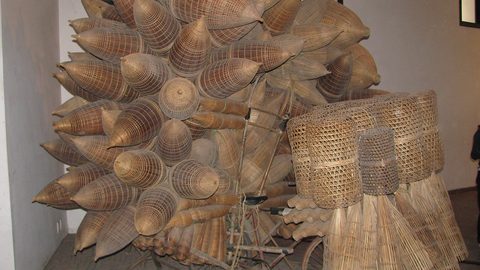 Hanoi Things to Do That Are Worth Your Limited Days, Ranked Honestly
Ranked honestly: Temple of Literature and the Women's Museum are non-negotiable, Ho Chi Minh Mausoleum demands a pre-9am arrival and strict dress code, and Train Street access is now restricted.
Hanoi Things to Do That Are Worth Your Limited Days, Ranked Honestly
Ranked honestly: Temple of Literature and the Women's Museum are non-negotiable, Ho Chi Minh Mausoleum demands a pre-9am arrival and strict dress code, and Train Street access is now restricted.
-
 Best Time to Visit Hanoi, Month by Month, With the Tradeoff Each One Carries
October-November and March-April deliver 20-28°C walking weather, but avoid Tet when street-food stalls shut for 7-10 days and June-August when 35°C heat floods the streets in 20 minutes.
Best Time to Visit Hanoi, Month by Month, With the Tradeoff Each One Carries
October-November and March-April deliver 20-28°C walking weather, but avoid Tet when street-food stalls shut for 7-10 days and June-August when 35°C heat floods the streets in 20 minutes.
-
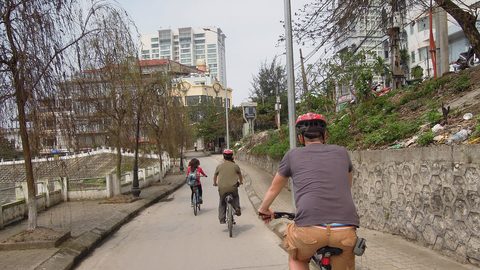 Getting Around Hanoi When Pavements Are Parking Lots and Google Maps Lies
Grab dominates Hanoi transit but requires a local SIM set up at Noi Bai Airport before you leave the Wi-Fi zone, and Google Maps walking times double when pavements become motorbike parking lots.
Getting Around Hanoi When Pavements Are Parking Lots and Google Maps Lies
Grab dominates Hanoi transit but requires a local SIM set up at Noi Bai Airport before you leave the Wi-Fi zone, and Google Maps walking times double when pavements become motorbike parking lots.
-
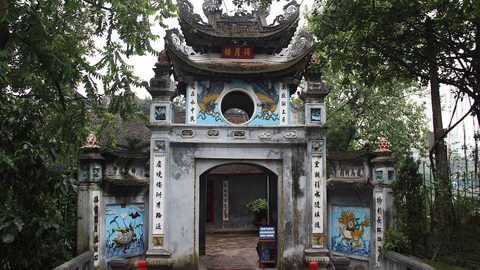 Hoan Kiem Lake
 at its two best moments—6am tai chi and the red bridge empty, and weekend nights when the roads close and Hanoi takes over the asphalt.
Hoan Kiem Lake
Hoan Kiem Lake at its two best moments—6am tai chi and the red bridge empty, and weekend nights when the roads close and Hanoi takes over the asphalt.
-
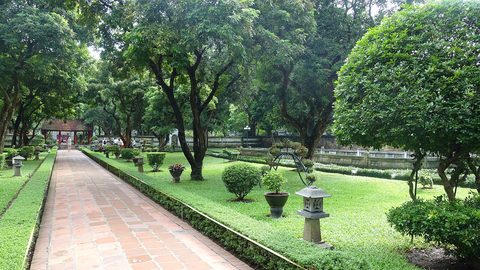 Temple of Literature
The Temple of Literature’s five courtyards walked in order—the turtle stelae, the Well of Heavenly Clarity, and why Vietnamese graduates still crowd the third courtyard.
Temple of Literature
The Temple of Literature’s five courtyards walked in order—the turtle stelae, the Well of Heavenly Clarity, and why Vietnamese graduates still crowd the third courtyard.
-
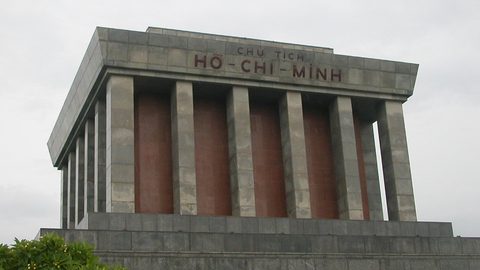 Ho Chi Minh Mausoleum
 queue rules, dress code, morning-only hours, and the months it closes entirely—the strictest visitor experience in Vietnam, no booking possible.
Ho Chi Minh Mausoleum
Ho Chi Minh Mausoleum queue rules, dress code, morning-only hours, and the months it closes entirely—the strictest visitor experience in Vietnam, no booking possible.