Is Hanoi Safe? The Real Risks and the Overblown Ones
Hanoi safety beyond the vague warnings—the motorbike crossing technique that works, the real bag-snatch risk in the Old Quarter, and how to avoid airport taxi scams.
Is Hanoi Safe? the Real Risks and the Overblown Ones
Crossing a Hanoi street for the first time feels like you are about to die. You are not. The motorbike river follows a predictable physics: riders see you, they expect you to keep moving, and they flow around you if you walk at a slow, steady, predictable pace. That single survival skill is the most dramatic thing you will deal with in Hanoi, but it is not the biggest actual risk. The real dangers are quieter: an airport taxi meter that runs double speed, a phone snatched from your hand by a passing motorbike passenger, a bag cut from your shoulder in the Old Quarter. These are the problems travellers actually report, and they are all preventable. What follows is a set of specific countermeasures for each threat, not generic advice.
Hanoi Safety Tips for First-Time Visitors: Crossing the Street is the Scary Part, Not the Dangerous One
Hanoi registered roughly 6.2 million motorbikes in 2023, according to the Hanoi Department of Transport, against a population of about 8.5 million. That density is concentrated in a small core: the Old Quarter, where streets are 4-6 metres wide and the pavement is occupied by parked bikes, street kitchens, and retail spillover. Pedestrians have no choice but to walk in the road with traffic moving in all directions.
The Slow Walk Method
The technique is the opposite of what your instincts tell you. Do not run. Do not stop. Do not make eye contact with riders. Walk at a slow constant speed directly across the street. Riders calculate their path around your trajectory; if you freeze or sprint, you break their prediction and increase your chance of collision. Start at a gap between vehicles, maintain your pace, and let the flow adjust around you. It will feel wrong the first dozen times. It works.Pedestrian Infrastructure Does Not Exist
Marked pedestrian crossings mean nothing to motorbike riders. Traffic lights at major intersections do create brief windows of organised crossing, but on every other street you apply the slow walk method. Pavements are not for walking: they are used for motorbike parking, kitchen prep, and retail. A 10-minute Google Maps walking route can become a 20-minute obstacle course as you are forced into the road. Budget that extra time.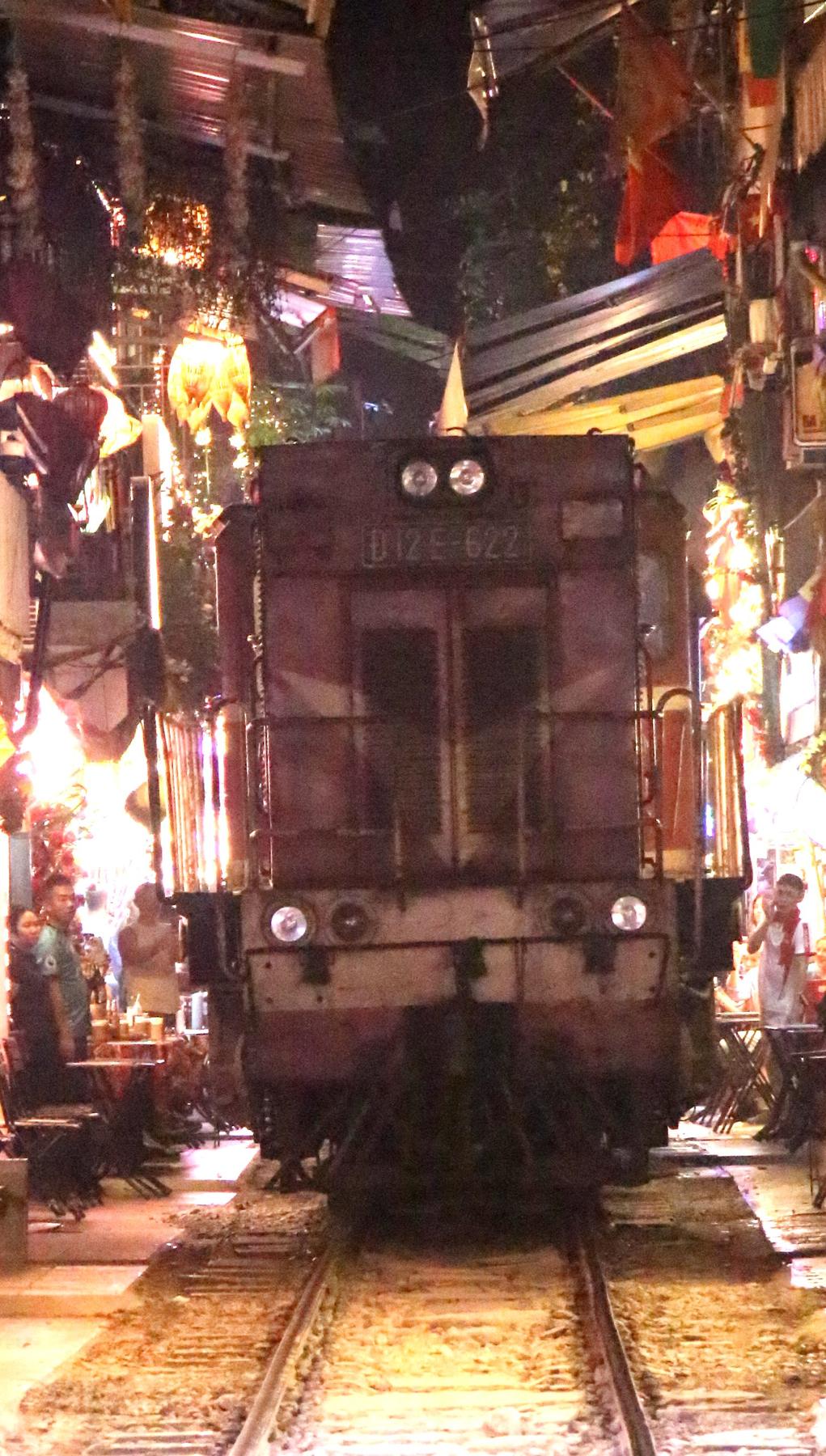

Hanoi Street Crossing Motorbike Technique: the Physics Behind the Fear
Hanoi's traffic looks chaotic but follows unwritten rules. The key principle is that no one stops. Drivers merge, weave, and honk to announce their position, not to signal anger. When you cross, you become part of that flow.
Step onto the road at the first natural gap. Walk straight and unhurried. Do not make sudden moves. Riders will pass in front of you and behind you, clearing your path by about 30-50 cm on each side. This requires trusting that they see you, and they do. The failure case is freezing mid street or trying to dodge backward when faced with an oncoming scooter. If you lose confidence halfway across, stop and stand still. Riders will go around you. Then resume your slow pace.
The only time this method fails is at very large intersections with multiple lane streams moving at higher speed, such as the junction near the Opera House at rush hour. At those spots, cross with a group of locals or wait for a traffic light.
Hanoi Petty Theft Old Quarter Bags: the Risk You Actually Face
Violent crime against visitors in Hanoi is rare. The homicide rate is approximately 1.5 per 100,000 population according to the General Statistics Office of Vietnam, a figure typical for a city of its size. What is not rare is grab and run theft from motorbike passengers. The method is consistent: a two person scooter slows next to a pedestrian, the passenger snatches a phone from a loosely held hand or cuts a bag strap, and the bike accelerates away. The Old Quarter, with its narrow streets and high pedestrian density, is the most common location.
Countermeasures: Shoulder Position and Grip
Carry your bag on the shoulder away from the road. If you walk on the pavement edge, the road side shoulder is the target. Switch it to the building side. Hold your phone with two hands when using it, or keep it in a zipped pocket. Do not walk while looking at your phone map near the edge of the road. Motorbike passengers target phones held loosely in one hand because they can grab it and be gone in under two seconds. The bag snatch rate is lower in Hanoi than in Ho Chi Minh City according to consular advisory patterns, but it still accounts for most reported theft incidents targeting visitors.What To Do If It Happens
Report the theft to the nearest police station (emergency number 113). The chances of recovering a phone or bag are low, but a police report is required for insurance claims. International clinics such as Family Medical Practice Hanoi at 298 I Kim Ma, Ba Dinh, offer 24-hour emergency services and can help with documentation.Hanoi Taxi Scam Noi Bai Airport: the Most Expensive Mistake You Can Make
The airport taxi scam is the most high-value risk a visitor faces, because it happens when you are arriving tired and vulnerable, and it costs real money. Noi Bai International Airport is 35-50 minutes from the Old Quarter. A legitimate taxi or ride hailing ride costs 250,000-350,000 VND. The express bus 86 costs 45,000 VND and runs every 25-30 minutes to the Hoan Kiem area, taking 50-60 minutes.
Fast Meter and Lookalike Companies
The classic airport scam has two variants. The fast meter uses a rigged device that runs at double or triple speed. The lookalike company uses a name and logo that mimic a trusted brand: Mai Linh is imitated as "Mai Lin" or "Mailinh"; Vinasun is imitated as "Vinasum" or "Vinasun" with an altered logo. Either way, the fare at the destination is far higher than the real rate, and the driver insists it is correct.The Fix: Use Grab, Not The Taxi Queue
Ignore the touts who approach you inside the terminal arrivals hall offering fixed price rides. Walk past them. Go through customs, exit the terminal building, and book a Grab car on the app using the airport Wi Fi or a SIM you bought at the baggage claim shop. Grab is the Southeast Asian ride hailing app that dominates Hanoi. It shows the fare upfront and charges your card inside the app, not cash. If you cannot get Grab to register because it requires a Vietnamese phone number, buy a Viettel or Mobifone tourist data SIM (150,000-250,000 VND) at the airport immediately after baggage claim and set it up before leaving the Wi Fi zone. If you absolutely must take a taxi, use only the official queue at the stand outside the terminal, and confirm the estimated fare with the dispatcher before the driver starts the meter.Hanoi Tap Water Safe to Drink: Ice, Water and Food Safety
Hanoi tap water is not potable. It meets the Vietnamese treated water standard QCVN 01:2009/BYT, but distribution contamination is possible, and visitors should not drink it from the tap. This is not a reason to worry: every guesthouse and supermarket sells bottled water for 5,000-10,000 VND per 1.5 litre bottle, and many hotels provide free drinking water in the room.
Ice In Drinks
Commercially produced ice, sold in sealed plastic bags, is safe. You will see it used in cafes, restaurants, and street food stalls. Street ice sold in large blocks may not be safe, but this is rare in the central districts. Most bia hoi corners and street vendors use bagged ice from commercial suppliers. If you are uncertain, order drinks without ice, but the sealed bag ice that surrounds glasses of fresh beer is standard and safe.Street Food Safety
Hanoi's street food scene is one of its biggest draws, and the most common food safety issue for visitors is not hygiene but unfamiliarity with the cooking methods. The higher risk comes from raw vegetables washed in tap water. Eating at stalls with high turnover, where food is cooked in front of you at high heat, is the safest strategy. The plastic stools of a busy bia hoi corner, where locals outnumber tourists, are a better bet than a half empty restaurant with an English menu. If you need medical care for food borne illness, Raffles Medical Hanoi at 51 Xuan Dieu, Tay Ho, and Hopital Francais de Hanoi at 1 Phuong Mai, Dong Da, both offer 24 hour emergency services.Scams and Friction: the Everyday Risks That Waste Your Time and Money
Hanoi has a set of small, predictable scams that target visitors who are not paying attention. None involve violence. All involve a negotiation that shifts after the service is delivered.
- Shoe shine scam: A person offers to clean your shoes for a few thousand dong. Once done, they claim they had to repair the soles or stitching and demand a much higher sum. Refuse to pay the repair portion and walk away. This happens most often around Hoan Kiem Lake.
- Cyclo scam: You agree on a price for a short ride. At the end, the driver says the price was per person, not per ride, or quotes the price in US dollars instead of dong. Confirm the total price, for the whole ride, for all passengers, in writing or by showing the numbers on your phone.
- Closed today redirect: A taxi driver or cyclo driver tells you that your intended destination is closed for renovation or a holiday, and offers to take you to a different shop or venue. The alternative venue pays the driver commission. Insist on your original destination. Most landmarks do not close suddenly.
- Fake tour sold at reception: A tour booked at a hotel or hostel reception may be operated by a different, lower quality entity than the one named. Book tours through reputable companies with physical offices, not through the front desk.
- Train Street access: Hanoi authorities officially banned cafes and visitor access to the railway corridor in October 2022. Enforcement is intermittent. Some cafe owners reopen based on the absence of police. The situation changes week to week. Do not plan your visit around Train Street; you may arrive to find it blocked.
Who Hanoi is For, and Who Should Skip it
Hanoi suits street food obsessives willing to perch on plastic stools, solo backpackers on a Southeast Asia circuit, and culture first travellers who prioritise temples and French colonial layers over comfort. It works for digital nomads who need low costs and do not need a beach, and for second time Vietnam visitors ready to go deeper than Ho Chi Minh City.
It does not suit travellers who need calm, clean, pedestrian friendly streets, families with young children who need pavements for prams, or anyone whose trip hinges on a relaxing, poolside holiday. Hanoi is many things. Restful it is not.
The single thing that most often goes wrong: staying only in the Old Quarter and judging Hanoi by its most chaotic square kilometre. The city's best food, neighbourhoods, and breathing room are in the districts around West Lake, Truc Bach, and Ba Dinh. Missing them leaves visitors with a one note impression of relentless noise, which is not the whole story, and is the mistake that makes Hanoi feel exhausting when it could feel alive.
Common Questions
Is it safe to walk around the Old Quarter at night?
Yes. The Old Quarter is busy until late, with street food and bia hoi crowds on Ta Hien and Luong Ngoc Quyen. Crime rates are low, but the usual precautions apply: keep your bag zipped and on the building side shoulder, hold your phone with two hands, and avoid unlit alleyways. The biggest night time risk is traffic, not theft.
Do I need a special licence to rent a motorbike in Hanoi?
Legally, yes. Renting a motorbike requires a valid Vietnamese driving licence or an International Driving Permit issued under the 1968 Vienna Convention. Most foreign issued licences and IDPs under the 1949 Geneva Convention are not legally valid in Vietnam. The highest proportion of visitor injuries in Hanoi come from rented motorbike crashes, consistent across consular advisories. If you are not an experienced rider of heavy two wheel traffic, do not rent a scooter.
What is the air quality like, and should I wear a mask?
Winter months December to February can see PM2.5 AQI readings of 150 to 250, which is Unhealthy to Very Unhealthy on the index. Data is available from the Vietnam Environment Administration on the PAM Air app and IQAir. If you are sensitive to air pollution or plan to spend the day walking outdoors, an N95 mask is recommended during this season.
Is drink spiking a problem in Hanoi?
Published prevalence data for drink spiking in Hanoi does not exist, and the incidence appears to be rare based on consular reporting. Standard precautions apply: do not leave drinks unattended, and avoid accepting opened drinks from strangers. The bia hoi environment, where beer is drawn fresh from a keg in front of you, is low risk.
What emergency numbers should I save?
Police: 113. Fire: 114. Ambulance: 115. For medical treatment at an international standard clinic, Family Medical Practice Hanoi at 298 I Kim Ma (24 hour emergency), Raffles Medical Hanoi at 51 Xuan Dieu, and Hopital Francais de Hanoi at 1 Phuong Mai all operate 24 hour emergency departments.
Read next
-
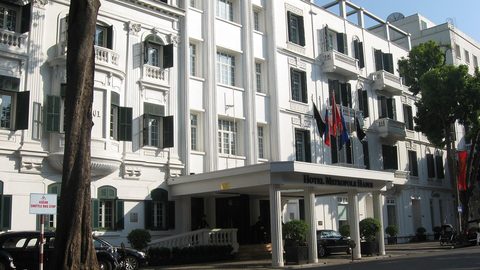
 Hanoi Hotels That Match the City—Character, Chaos, and the Occasional Quiet Courtyard
Hanoi hotels range from Old Quarter shophouse conversions with courtyard calm to Tay Ho serviced apartments for nomads—each district trades proximity for peace differently.
Hanoi Hotels That Match the City—Character, Chaos, and the Occasional Quiet Courtyard
Hanoi hotels range from Old Quarter shophouse conversions with courtyard calm to Tay Ho serviced apartments for nomads—each district trades proximity for peace differently.
-
 Where to Stay in Hanoi Without Missing the City That Exists Beyond the Old Quarter
Base yourself in the Old Quarter for street-food density and chaos, Tay Ho for lakeside brunches and craft beer, or Truc Bach for a quieter old-Hanoi rhythm with banh cuon on your doorstep.
Where to Stay in Hanoi Without Missing the City That Exists Beyond the Old Quarter
Base yourself in the Old Quarter for street-food density and chaos, Tay Ho for lakeside brunches and craft beer, or Truc Bach for a quieter old-Hanoi rhythm with banh cuon on your doorstep.
-
 Flying into Hanoi and Getting from Noi Bai to the Old Quarter Fast
Flying into Hanoi Noi Bai Airport—SIM pickup, Grab setup on airport Wi-Fi, express bus 86 vs taxi costs, and the domestic transfer for onward Vietnam flights.
Flying into Hanoi and Getting from Noi Bai to the Old Quarter Fast
Flying into Hanoi Noi Bai Airport—SIM pickup, Grab setup on airport Wi-Fi, express bus 86 vs taxi costs, and the domestic transfer for onward Vietnam flights.
-
 Hanoi Things to Do That Are Worth Your Limited Days, Ranked Honestly
Ranked honestly: Temple of Literature and the Women's Museum are non-negotiable, Ho Chi Minh Mausoleum demands a pre-9am arrival and strict dress code, and Train Street access is now restricted.
Hanoi Things to Do That Are Worth Your Limited Days, Ranked Honestly
Ranked honestly: Temple of Literature and the Women's Museum are non-negotiable, Ho Chi Minh Mausoleum demands a pre-9am arrival and strict dress code, and Train Street access is now restricted.
-
 Best Time to Visit Hanoi, Month by Month, With the Tradeoff Each One Carries
October-November and March-April deliver 20-28°C walking weather, but avoid Tet when street-food stalls shut for 7-10 days and June-August when 35°C heat floods the streets in 20 minutes.
Best Time to Visit Hanoi, Month by Month, With the Tradeoff Each One Carries
October-November and March-April deliver 20-28°C walking weather, but avoid Tet when street-food stalls shut for 7-10 days and June-August when 35°C heat floods the streets in 20 minutes.
-
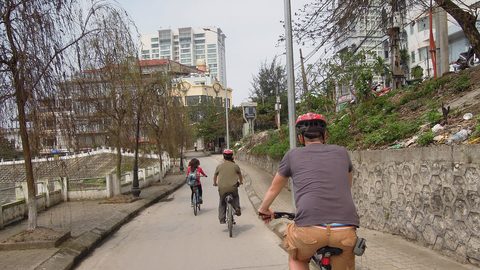 Getting Around Hanoi When Pavements Are Parking Lots and Google Maps Lies
Grab dominates Hanoi transit but requires a local SIM set up at Noi Bai Airport before you leave the Wi-Fi zone, and Google Maps walking times double when pavements become motorbike parking lots.
Getting Around Hanoi When Pavements Are Parking Lots and Google Maps Lies
Grab dominates Hanoi transit but requires a local SIM set up at Noi Bai Airport before you leave the Wi-Fi zone, and Google Maps walking times double when pavements become motorbike parking lots.
-
 Hoan Kiem Lake
 at its two best moments—6am tai chi and the red bridge empty, and weekend nights when the roads close and Hanoi takes over the asphalt.
Hoan Kiem Lake
Hoan Kiem Lake at its two best moments—6am tai chi and the red bridge empty, and weekend nights when the roads close and Hanoi takes over the asphalt.
-
 Temple of Literature
The Temple of Literature’s five courtyards walked in order—the turtle stelae, the Well of Heavenly Clarity, and why Vietnamese graduates still crowd the third courtyard.
Temple of Literature
The Temple of Literature’s five courtyards walked in order—the turtle stelae, the Well of Heavenly Clarity, and why Vietnamese graduates still crowd the third courtyard.
-
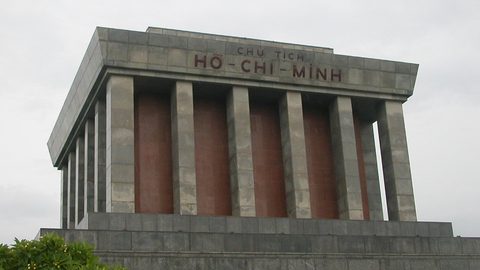 Ho Chi Minh Mausoleum
 queue rules, dress code, morning-only hours, and the months it closes entirely—the strictest visitor experience in Vietnam, no booking possible.
Ho Chi Minh Mausoleum
Ho Chi Minh Mausoleum queue rules, dress code, morning-only hours, and the months it closes entirely—the strictest visitor experience in Vietnam, no booking possible.