Where to Shop in Hanoi Beyond the Old Quarter Wholesale Maze
Hanoi shopping beyond Dong Xuan Market—the Old Quarter guild streets that still deliver, Bat Trang ceramics showrooms, and Tay Ho weekend markets worth crossing town for.
Where to Shop in Hanoi Beyond the Old Quarter Wholesale Maze
You step off the curb on Hang Gai and a scooter clips your bag. That is the moment you realise Dong Xuan Market is not where you want to be spending your afternoon. The wholesale hall sells cheap clothing, knockoff electronics and plastic toys in bulk. The ground floor retail section is the same stuff you saw on the walking street the night before. Do not go there for souvenirs. Go there to see a working wholesale hub, take a photo of the chaotic interior, and leave within 20 minutes.
Where you actually buy things in Hanoi is scattered across the 36 guild streets of the Old Quarter and two neighbourhoods outside it. Each street still delivers what its name promises, if you know which name to trust.
Weekend Night Market
The weekend night market on Hang Dao to Dong Xuan runs Friday through Sunday from 19:00 to 23:00. It sells mass produced handicrafts, street food and toys. Fine for a stroll. Useless for buying objects you will keep for more than a week.
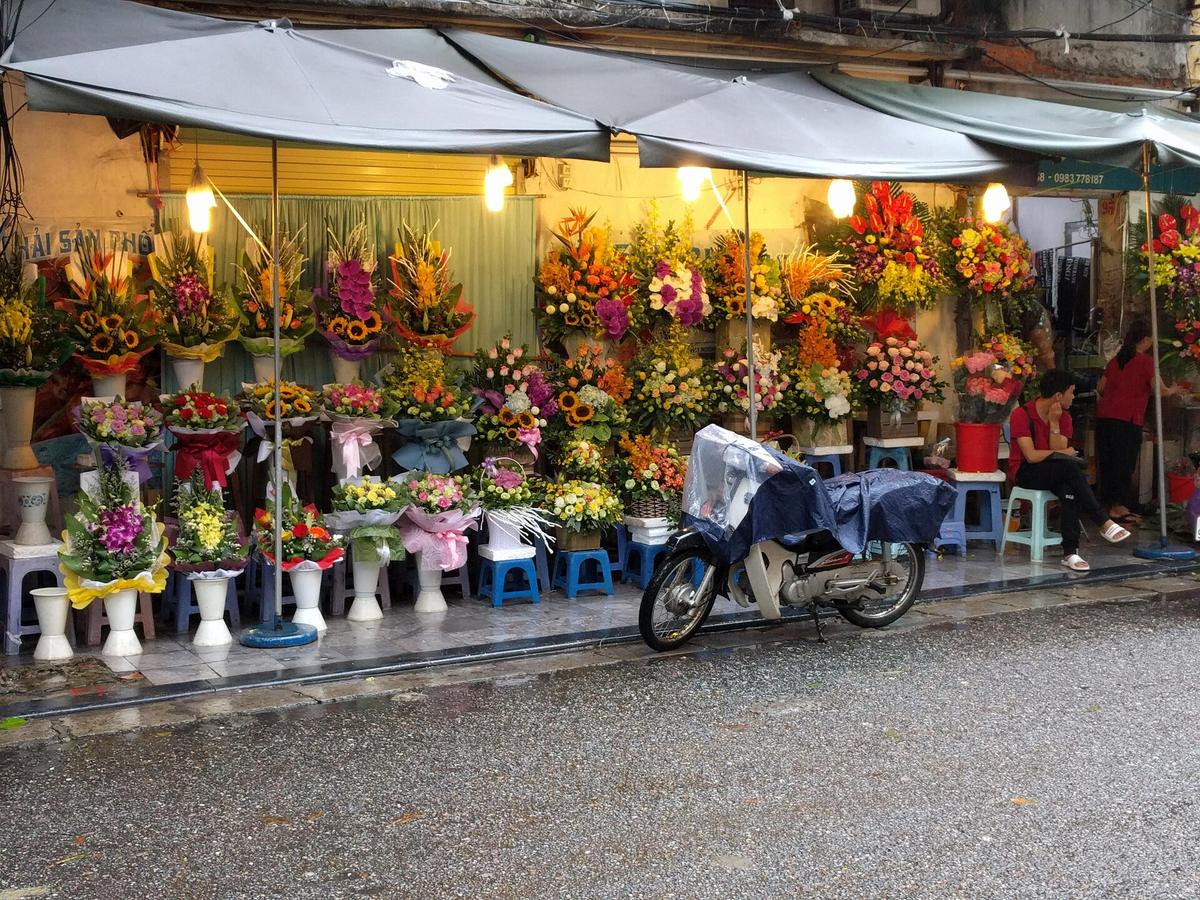

The Guild Streets That Still Deliver
Three streets in the Old Quarter do what they have done for centuries. Skip the rest unless you need votive paper or dried herbs.
Hang Gai for Silk and Tailoring
This is the silk street. Shops here sell bolts of Vietnamese silk by the metre and offer made to measure ao dai or men's shirts. An ao dai costs 800,000 to 3,000,000 VND and takes 2 to 7 days. A men's shirt runs 300,000 to 1,200,000 VND and takes 1 to 4 days. Tier 3 tailors on Hang Gai and Hang Bong use premium Vietnamese silk, hand finished details and multiple fittings. Tier 1 shops in the central Old Quarter use polyester blends and machine stitching with variable fit. Pay for the tier 3 price. You want something that fits in 2026, not 1976.
Hang Bac for Silver and Metalwork
Hang Bac is the silver street. The shops here sell jewellery, bowls, chopsticks and decorative objects hand hammered on site. Bargain hard. Offer 50 to 60 percent of the asking price and settle around 70 to 80 percent. Do not bargain at fixed price boutiques or art galleries with stated prices. Hang Thiec, two blocks over, handles tin and metalwork but has fewer finished goods worth carrying home.
Hang Quat for Ritual Objects
Hang Quat sells ancestor worship items: paper robes, incense holders, wooden tablets and the red and gold objects you see on domestic altars. This is not a souvenir street in the typical sense. The craftsmanship on the carved wooden pieces is genuine and the prices are low. Buy a small incense holder for 50,000 to 100,000 VND. Do not buy paper goods for export; Vietnamese customs will stop you if the items resemble ritual currency or temple paraphernalia.
Bat Trang Ceramics Village
Bat Trang is 13 kilometres southeast of central Hanoi, 40 minutes by car or bus 47. The village is a single street of ceramics showrooms. A small bowl costs 30,000 to 100,000 VND. A large vase costs 500,000 to 5,000,000 VND. The same bowl in an Old Quarter shop carries a 20 to 50 percent premium. Buy in Bat Trang and carry it home.
Hand Painted Versus Machine Made
The modern ceramics museum near the village entrance is worth a quick walk through to understand the difference between hand painted and machine stamped goods. Hand painted pieces have brush strokes that start and stop unevenly. Machine stamped patterns look perfectly uniform across every piece in the stack.
| Item | Best Location | Price Range (VND) | Bargain? |
|---|---|---|---|
| Silk ao dai (tailored) | Hang Gai / Hang Bong | 800,000 to 3,000,000 | No, fixed on fabric; negotiate labour |
| Men's cotton shirt (tailored) | Pho Hue area tailors | 300,000 to 1,200,000 | No, fixed on fabric; negotiate labour |
| Ceramic bowl | Bat Trang village | 30,000 to 100,000 | Yes, 70-80% of ask |
| Ceramic vase | Bat Trang village | 500,000 to 5,000,000 | Yes, 70-80% of ask |
| Lacquerware (genuine) | Art galleries on Trang Tien | 500,000 to 5,000,000+ | No, gallery prices are fixed |
| Propaganda poster (A3) | Hang Ma or weekend market | 50,000 to 200,000 | Yes, 70-80% of ask |
| Roasted Arabica beans (kg) | Specialty coffee shops | 200,000 to 600,000 | No |
| Weasel coffee (kg) | Specialty coffee shops | 1,000,000 to 3,000,000 | No |
Tay Ho Weekend Markets and Home Goods
Tay Ho, the expat district around West Lake, runs two weekend markets that sell what locals and expats actually put in their houses: linen tablecloths, wooden cutting boards, ceramic serving dishes, handmade soap, and plants. These are not tourist trinkets. They are functional objects designed for a home you live in, not a shelf you dust once a year.
The Tay Ho market runs Saturday and Sunday from 09:00 to 14:00 at the British International School on Xuan Dieu. Arrive by 10:00 for the best selection. Prices are fixed in most stalls. Bring small bills; many vendors cannot break a 500,000 VND note.
Lacquerware and Art Galleries
Genuine lacquerware uses multiple layers of natural lacquer from son ta, with eggshell or mother of pearl inlay, and carries the artisan's signature. A genuine large plate costs 500,000 VND and up. Mass produced lacquerware has a single coat of synthetic lacquer over plastic, feels lightweight, and shows a uniform repeating pattern. The mass produced stuff is sold on every street in the Old Quarter for 50,000 to 150,000 VND. Do not buy it. It peels within a year.
Art galleries on Trang Tien, Nguyen Thai Hoc and surrounding streets sell original works by established Vietnamese artists for 2,000,000 to 50,000,000 VND. They also sell commissioned copies of famous paintings by Bui Xuan Phai and To Ngoc Van for 500,000 to 5,000,000 VND. A commissioned copy is a legal transaction, not a fake. The gallery tells you it is a copy. If you want a Bui Xuan Phai painting of Hanoi street scenes for your wall without paying the six figure international gallery price, a commissioned copy is the correct answer.
One Thing That Goes Wrong Every Time
The thing that trips most people is the money. Hanoi runs on cash for anything under 200,000 VND. Street food, bia hoi, small souvenir stalls, and the Grab motorbike driver at your pickup point all expect small bills. Vendors cannot break a 500,000 VND note because they do not keep that much change on a plastic stool. Hoard 20,000 and 50,000 VND notes from your first bank withdrawal. If it is 1am and you only have a 500,000 note and the bia hoi stall wants 10,000 for your glass, you are not getting the beer. That is the reality. The infrastructure works for volume, not for convenience. Your job is to adapt to the system, not expect the system to adapt to you.
Common Questions
Can I buy snake wine and take it home?
No. Snake wine contains whole snakes, a wildlife product restricted under CITES. Vietnamese customs will seize it at the airport. Do not buy any item containing parts of endangered species: tortoiseshell, ivory, unprocessed coral, or rare wood without a CITES permit.
How much can I bring home without paying duty?
Vietnam's customs duty free allowance for non commercial goods was 10,000,000 VND equivalent in 2024. The figure is revised annually by the General Department of Customs. Check their website before you fly. If your purchases exceed the limit, you pay 10 to 30 percent duty on the excess value.
What if I only have one afternoon for shopping?
Go to Hang Gai for silk, buy a small lacquerware plate from a Trang Tien gallery, and take a Grab to Bat Trang for a ceramic bowl. That covers the three categories worth owning. Skip Dong Xuan entirely.
Are there antiques I can buy?
Antiques officially recognised as national treasures cannot leave Vietnam. Most shops selling 'antiques' in the Old Quarter sell reproductions aged with dirt and tea. Pay the reproduction price, not the antique price, and buy it as a decoration, not an investment.
What do I do if the market is closed for Tet?
Tet closes most shops for 7 to 10 days. The weekend night market and Tay Ho market do not run. Your only options are supermarkets (Lotte Mart, VinMart) and shopping malls in Cau Giay or Thanh Xuan. These sell packaged goods and household items, not souvenirs. Plan your shopping for before Tet or after the fifth day of the new year.
Where can I buy coffee beans to take home?
Specialty coffee shops around Hoan Kiem and Tay Ho sell roasted beans. Arabica from Cau Dat or Da Lat costs 200,000 to 600,000 VND per kg. Robusta from Buon Ma Thuot is cheaper. Weasel coffee made from civet processed beans costs 1,000,000 to 3,000,000 VND per kg. Buy from a roaster, not a market stall, to ensure the beans were roasted within two weeks.
Do I bargain everywhere?
No. Bargain at markets, street stalls, independent small shops and tailors (on labour, not fabric). Do not bargain at fixed price shops, supermarkets, art galleries with stated prices, or high end boutiques. If a price is displayed on a printed card or a shelf tag, it is fixed. Offering 50 percent of a fixed price in a gallery is rude and will get you ignored.
Read next
-
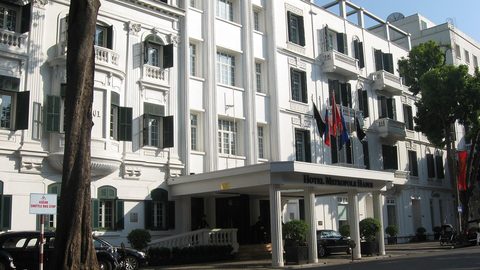
 Hanoi Hotels That Match the City—Character, Chaos, and the Occasional Quiet Courtyard
Hanoi hotels range from Old Quarter shophouse conversions with courtyard calm to Tay Ho serviced apartments for nomads—each district trades proximity for peace differently.
Hanoi Hotels That Match the City—Character, Chaos, and the Occasional Quiet Courtyard
Hanoi hotels range from Old Quarter shophouse conversions with courtyard calm to Tay Ho serviced apartments for nomads—each district trades proximity for peace differently.
-
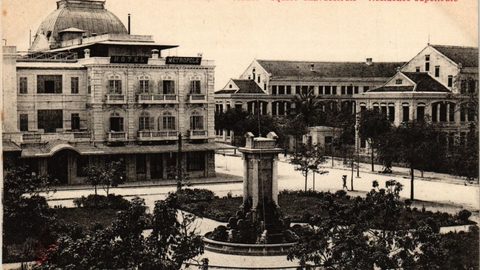 Where to Stay in Hanoi Without Missing the City That Exists Beyond the Old Quarter
Base yourself in the Old Quarter for street-food density and chaos, Tay Ho for lakeside brunches and craft beer, or Truc Bach for a quieter old-Hanoi rhythm with banh cuon on your doorstep.
Where to Stay in Hanoi Without Missing the City That Exists Beyond the Old Quarter
Base yourself in the Old Quarter for street-food density and chaos, Tay Ho for lakeside brunches and craft beer, or Truc Bach for a quieter old-Hanoi rhythm with banh cuon on your doorstep.
-
 Flying into Hanoi and Getting from Noi Bai to the Old Quarter Fast
Flying into Hanoi Noi Bai Airport—SIM pickup, Grab setup on airport Wi-Fi, express bus 86 vs taxi costs, and the domestic transfer for onward Vietnam flights.
Flying into Hanoi and Getting from Noi Bai to the Old Quarter Fast
Flying into Hanoi Noi Bai Airport—SIM pickup, Grab setup on airport Wi-Fi, express bus 86 vs taxi costs, and the domestic transfer for onward Vietnam flights.
-
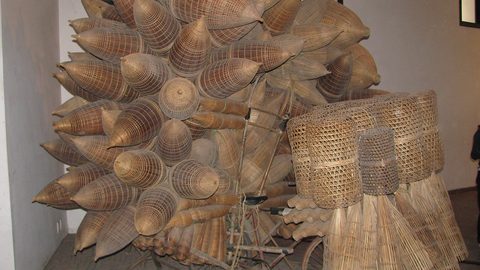 Hanoi Things to Do That Are Worth Your Limited Days, Ranked Honestly
Ranked honestly: Temple of Literature and the Women's Museum are non-negotiable, Ho Chi Minh Mausoleum demands a pre-9am arrival and strict dress code, and Train Street access is now restricted.
Hanoi Things to Do That Are Worth Your Limited Days, Ranked Honestly
Ranked honestly: Temple of Literature and the Women's Museum are non-negotiable, Ho Chi Minh Mausoleum demands a pre-9am arrival and strict dress code, and Train Street access is now restricted.
-
 Best Time to Visit Hanoi, Month by Month, With the Tradeoff Each One Carries
October-November and March-April deliver 20-28°C walking weather, but avoid Tet when street-food stalls shut for 7-10 days and June-August when 35°C heat floods the streets in 20 minutes.
Best Time to Visit Hanoi, Month by Month, With the Tradeoff Each One Carries
October-November and March-April deliver 20-28°C walking weather, but avoid Tet when street-food stalls shut for 7-10 days and June-August when 35°C heat floods the streets in 20 minutes.
-
 Getting Around Hanoi When Pavements Are Parking Lots and Google Maps Lies
Grab dominates Hanoi transit but requires a local SIM set up at Noi Bai Airport before you leave the Wi-Fi zone, and Google Maps walking times double when pavements become motorbike parking lots.
Getting Around Hanoi When Pavements Are Parking Lots and Google Maps Lies
Grab dominates Hanoi transit but requires a local SIM set up at Noi Bai Airport before you leave the Wi-Fi zone, and Google Maps walking times double when pavements become motorbike parking lots.
-
 Hoan Kiem Lake
 at its two best moments—6am tai chi and the red bridge empty, and weekend nights when the roads close and Hanoi takes over the asphalt.
Hoan Kiem Lake
Hoan Kiem Lake at its two best moments—6am tai chi and the red bridge empty, and weekend nights when the roads close and Hanoi takes over the asphalt.
-
 Temple of Literature
The Temple of Literature’s five courtyards walked in order—the turtle stelae, the Well of Heavenly Clarity, and why Vietnamese graduates still crowd the third courtyard.
Temple of Literature
The Temple of Literature’s five courtyards walked in order—the turtle stelae, the Well of Heavenly Clarity, and why Vietnamese graduates still crowd the third courtyard.
-
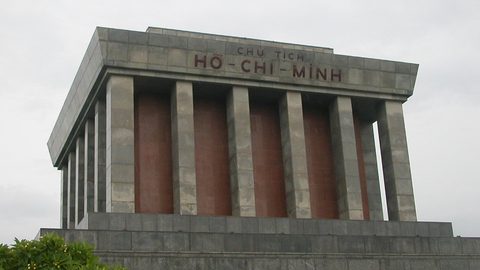 Ho Chi Minh Mausoleum
 queue rules, dress code, morning-only hours, and the months it closes entirely—the strictest visitor experience in Vietnam, no booking possible.
Ho Chi Minh Mausoleum
Ho Chi Minh Mausoleum queue rules, dress code, morning-only hours, and the months it closes entirely—the strictest visitor experience in Vietnam, no booking possible.