Which Plug Adapter You Actually Need for Vietnam
Vietnam uses Type A and C sockets at 220 volts. If you're coming from Thailand, your plug adapter may not fit. Here's what to pack.
Which Plug Adapter You Actually Need for Vietnam
You plug your phone charger into a socket in Hanoi, and it fits. Then you land in Ho Chi Minh City and the same charger does not. That mismatch is the vietnam plug type problem, and it catches travellers who arrive from Thailand most often. Vietnam uses a hybrid socket that accepts Type A (two flat parallel pins) and Type C (two round pins). Some newer hotels also add Type G (three rectangular pins in a triangle), but that is not guaranteed. The mains voltage is 220V at 50 Hz. A US 110V-only appliance plugged into Vietnam mains will be destroyed.
Vietnam Voltage 220V and Why it Matters
Check The Label Before You Pack
Vietnam runs on 220V, the same standard as most of Europe and Asia. If your device is dual-voltage, marked with input range 100-240V on its power brick or label, you need only a plug adapter to change the pin shape. No voltage transformer is required.
If your device is rated for 110V only, a plug adapter is not enough. You need a step-down transformer that changes 220V to 110V. Without it, the device will overheat and fail within seconds. This applies to many US-market hair dryers, straighteners, and electric shavers. Check the label before you pack.
Modern phone chargers, laptop power bricks, battery packs, and most camera chargers are dual-voltage. If the label says "Input: 100-240V", you are safe with just a plug adapter.
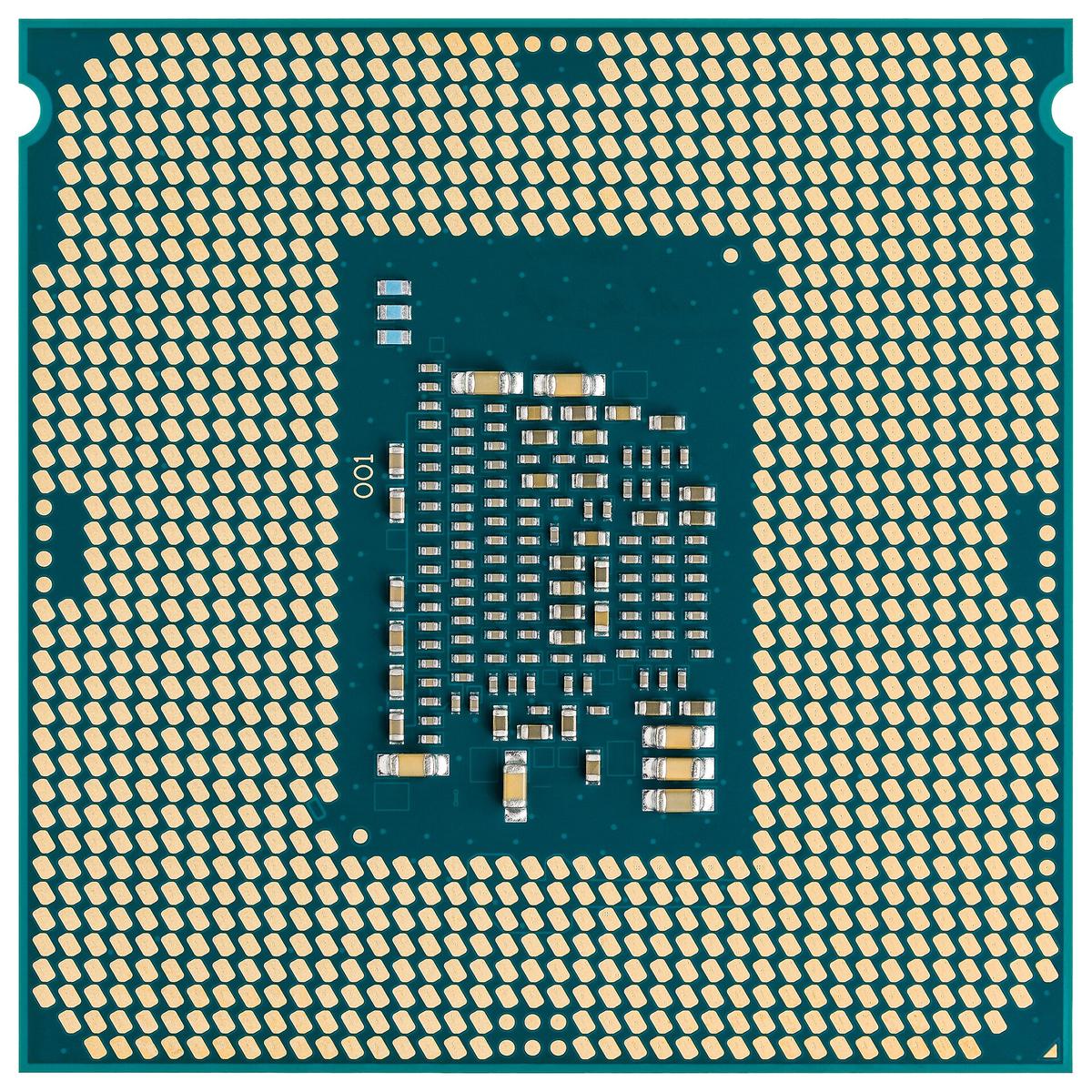

Vietnam Power Socket Type a C and What You Actually Find on the Wall
What You Will See On The Wall
The standard Vietnamese wall socket is a universal hybrid that accepts Type A (US-style flat pins) and Type C (European round pins) in the same opening. Many sockets also accept a Type G plug (UK-style three rectangular pins), but that is not universal. Older buildings and budget guesthouses often lack earthing. Newer hotels, especially in Hanoi Tay Ho, Ho Chi Minh City District 1, and Da Nang My An, tend to install the hybrid sockets with USB ports built in.
USB Ports And Power Cuts
USB sockets in hotels and on sleeper trains and buses are common but unreliable. They deliver low current or intermittent power. Carry your own charger and plug adapter rather than relying on them.
Power cuts happen, more often in rural areas like the Mekong Delta or the Central Highlands and during storm season. Voltage can fluctuate outside major cities. For expensive equipment, a surge-protected power strip is a sensible addition to your bag.
| Socket Type | Pin Shape | Where Common |
|---|---|---|
| Type A | Two flat parallel pins | Standard in nearly all sockets |
| Type C | Two round pins | Standard in nearly all sockets |
| Type G | Three rectangular pins in a triangle | Occasional in newer hotels |
| Hybrid Type A + C | Accepts both flat and round pins | Most common wall socket in Vietnam |
| USB-A ports | Built into socket | Newer hotels, sleeper trains, some buses |
Thailand Plug vs Vietnam and Why You Probably Brought the Wrong Adapter
The Thai Adapter Trap
Thailand uses Type B (two flat pins with a round earth pin) and Type O (three round pins in a triangle). Neither is standard in Vietnam. The hybrid Vietnamese socket has no round earth pin hole, so a Thai Type B plug will not insert fully. A Thai Type O plug will not fit at all.
Travellers who spend a week in Bangkok or Chiang Mai buy a Thai adapter, assume it works everywhere, and arrive in Hanoi to find it useless. This is a common failure point. If you are coming from Thailand, you need a separate Vietnam-specific adapter. Do not assume one will cover both.
Buy On Arrival
You can buy an adapter locally in Vietnam for 20,000 to 50,000 VND at electronics shops, convenience stores, markets, and phone accessory stalls. Airport kiosks charge more. Buy one when you arrive, not before.
Vietnam Travel Adapter: What to Pack and What to Skip
For most travellers, the kit is: one universal plug adapter, one dual-voltage phone charger, one dual-voltage laptop charger, and a power bank under 100 Wh. That covers every socket you will find.
Adapter vs Converter and the Failure That Destroys Your Hair Dryer
Know The Difference
An adapter changes the shape of the plug so it fits the socket. It does not change voltage. A step-down transformer changes 220V to 110V. They are not the same thing.
The Hair Straightener Mistake
The most common mistake: a traveller plugs a 110V-only hair straightener into a Vietnamese 220V socket using a Type A adapter, turns it on, and the device smokes and dies within seconds. The adapter was correct. The voltage was wrong. The transformer was missing.
Check your device label. If it says 110V only, buy a transformer before you leave home, because transformers that handle the wattage of heating tools are heavy and expensive. Or leave the device at home and buy a cheap dual-voltage travel version instead.
Who This Advice Suits and Who Should Prepare Differently
Budget backpackers and flashpackers who pack light and carry modern electronics will manage with a single universal adapter and a power bank. Food-focused travellers and solo travellers comfortable with improvisation can buy an adapter on arrival for pocket change.
Travellers who need quiet, order, or predictable infrastructure should check every device label before departure and bring a surge-protected power strip. Anyone who packs a 110V-only hair dryer or straightener must buy a step-down transformer or leave the device at home. The single thing that most often goes wrong: arriving from Thailand with the wrong adapter, plugging in, and having nothing work.
Common Questions
Do I need a voltage converter for my phone in Vietnam?
No, if your phone charger is dual-voltage (100-240V). Check the label on the power brick. Almost all modern phone chargers from any country are dual-voltage and need only a plug adapter.
What happens if I plug a 110V appliance into a 220V socket?
It will be destroyed. The appliance will overheat and fail immediately. A plug adapter does not protect it. You need a step-down transformer rated for the wattage of the device.
Are USB sockets in Vietnamese hotels reliable?
Not consistently. Many USB sockets deliver low current, charge slowly, or stop working intermittently. Carry your own charger and plug adapter.
Can I use a Thai plug adapter in Vietnam?
No. Thailand uses Type B (two flat pins with a round earth pin) and Type O (three round pins). Vietnam uses Type A and Type C. A Thai plug will not fit a Vietnamese socket.
Where can I buy a plug adapter in Vietnam?
Electronics shops, convenience stores, markets, and phone accessory stalls. Price is 20,000 to 50,000 VND. Airport kiosks charge more. Buy when you arrive.
Do I need a surge protector for my laptop in Vietnam?
Recommended. Voltage can fluctuate outside major cities like Hanoi and Ho Chi Minh City. A small surge-protected power strip adds protection for expensive equipment.
What is the power bank rule on Vietnamese domestic flights?
Power banks must be in carry-on baggage. Under 100 Wh no approval needed. 100-160 Wh requires airline approval. Over 160 Wh is prohibited. Security screens for this.
Read next
-

 Vietnam eSIM Guide for Reliable Data in the Mountains and Cities
Compare Vietnam eSIM and local SIM options, and learn why Viettel is the network to choose for Sa Pa, Phong Nha, and the Mekong Delta.
Vietnam eSIM Guide for Reliable Data in the Mountains and Cities
Compare Vietnam eSIM and local SIM options, and learn why Viettel is the network to choose for Sa Pa, Phong Nha, and the Mekong Delta.
-
 Best Time to Visit Vietnam by Region and Month
Find the best time to visit Vietnam by region, with honest advice on typhoons, Tet closures, and the north-south climate split.
Best Time to Visit Vietnam by Region and Month
Find the best time to visit Vietnam by region, with honest advice on typhoons, Tet closures, and the north-south climate split.
-
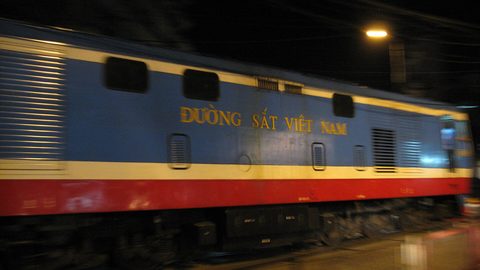 Getting Around Vietnam by Train, Sleeper Bus, Flight, and Grab
Compare Vietnam's trains, sleeper buses, domestic flights, and Grab to plan realistic transit times and costs between cities.
Getting Around Vietnam by Train, Sleeper Bus, Flight, and Grab
Compare Vietnam's trains, sleeper buses, domestic flights, and Grab to plan realistic transit times and costs between cities.
-
 Vietnam Visa Rules and the E-Visa Mistakes That Stop Check-In
Understand Vietnam e-visa rules, the exemption list, and the check-in mistakes that can stop your trip before you board the plane.
Vietnam Visa Rules and the E-Visa Mistakes That Stop Check-In
Understand Vietnam e-visa rules, the exemption list, and the check-in mistakes that can stop your trip before you board the plane.
-
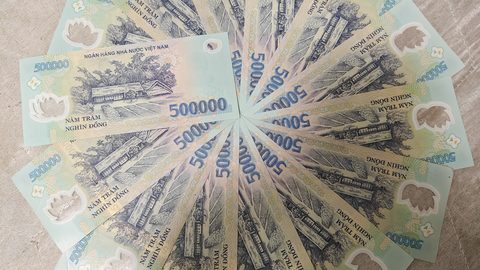 Vietnam Money Guide to Dong, ATMs, and Avoiding Bad Exchange Rates
Learn how to handle Vietnamese dong, choose ATMs that don't gouge you, and know when cash is the only option in Vietnam.
Vietnam Money Guide to Dong, ATMs, and Avoiding Bad Exchange Rates
Learn how to handle Vietnamese dong, choose ATMs that don't gouge you, and know when cash is the only option in Vietnam.
-
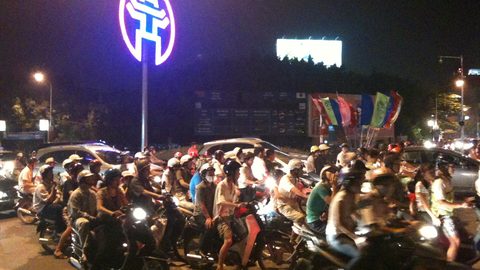 Vietnam Safety Guide for Traffic, Scams, and Health
Understand Vietnam's real safety risks, from crossing Hanoi roads to motorbike insurance gaps and the scams that target tourists.
Vietnam Safety Guide for Traffic, Scams, and Health
Understand Vietnam's real safety risks, from crossing Hanoi roads to motorbike insurance gaps and the scams that target tourists.
-
 Da Nang
 is a liveable coastal city and central Vietnam base, not a museum town. Here is what it is actually for and where to go next.
Da Nang
Da Nang is a liveable coastal city and central Vietnam base, not a museum town. Here is what it is actually for and where to go next.
-
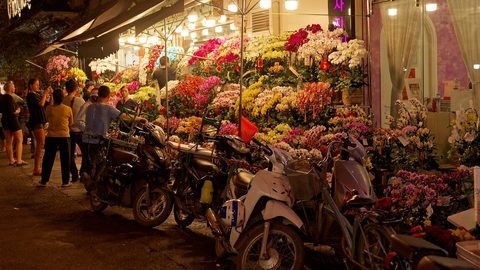 Hanoi
Hanoi hits with a full-sensory assault of motorbike swarms and constant horns, then rewards the persistent with Vietnam's deepest food city and layered neighbourhoods beyond the Old Quarter.
Hanoi
Hanoi hits with a full-sensory assault of motorbike swarms and constant horns, then rewards the persistent with Vietnam's deepest food city and layered neighbourhoods beyond the Old Quarter.
-
 Ho Chi Minh City
An honest Ho Chi Minh City travel guide for travellers who thrive on sensory overload, street-food obsession, and 10 million motorbikes rather than quiet temples.
Ho Chi Minh City
An honest Ho Chi Minh City travel guide for travellers who thrive on sensory overload, street-food obsession, and 10 million motorbikes rather than quiet temples.