Yu Garden Shanghai Ming Dynasty Garden
Yu Garden is a genuine 16th-century Ming garden behind walls most visitors never enter, trapped in the souvenir bazaar outside. Here is what is inside and how to get there.
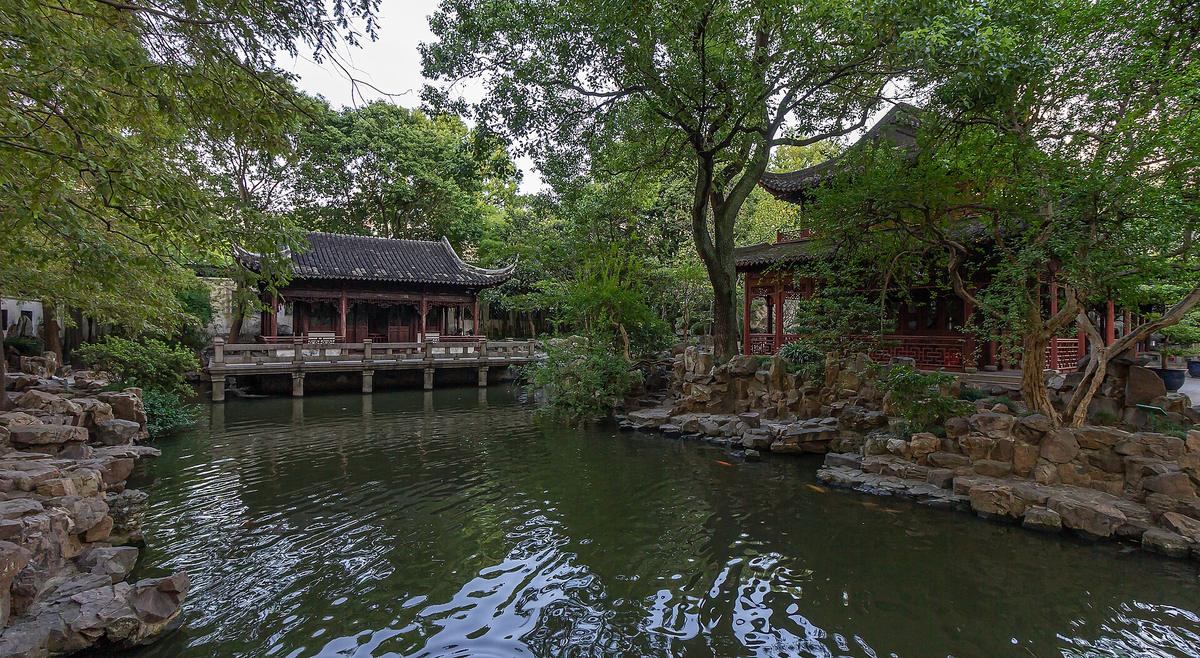

Yu Garden Shanghai Past the Souvenir Market Most Visitors Never Leave
The yu garden shanghai ticket price rockery is the single most important fact to know before you step into the Old City. For 40 CNY in peak season (April through June and September through November) or 30 CNY in off peak months (July through August and December through March), you get access to a genuine Ming Dynasty private garden built between 1559 and 1577. Most visitors arrive at Yuyuan Bazaar, the free 50,000 square meter souvenir market surrounding the garden, and burn their energy and patience there before they ever reach the ticket gate. They leave Shanghai having seen a shopping mall in Ming costume, not the garden itself. Do not make that mistake. Navigate the bazaar with purpose, buy your ticket at the gate or via the WeChat mini program, and enter the walls before the tour groups flood the paths.
- Ticket Price (Peak Season, Adult): 40 CNY (April, June, September, November)
- Ticket Price (Off Peak Season, Adult): 30 CNY (July, August, December, March)
- Opening Time: 08:30 daily
- Last Entry: 16:30
- Closing Time: 17:00
- Typical Visit Duration: 1 hour
- Booking: Required. Book via WeChat mini program or on site QR code.
- Garden Area: ~2 hectares (20,000 m²)
- Key Feature 1: Exquisite Jade Rock (Yulinglong): 3.3 m tall, 5 tons of porous Taihu limestone
- Key Feature 2: Great Rockery: 14 m tall, built with ~2,000 tons of yellow stone
- Key Feature 3: Five Dragon Walls: coiled dragon clay tile walls
- Metro Station: Yuyuan Garden (Line 10 or Line 14, Exit 7)
Yu Garden vs Yuyuan Bazaar Difference
Two Places, One Name
Yu Garden, in Chinese 豫园 (Yù Yuán), and Yuyuan Bazaar, 豫园商城 (Yùyuán Shāngchéng), are two entirely different things that sit on top of each other. The bazaar is a commercial pedestrian zone covering roughly 50,000 square meters, free to enter, and packed with souvenir stalls, snack windows, and chain tea shops. It is always extremely crowded. The garden is a walled 2 hectare private estate from the Ming Dynasty, requires a paid ticket, and holds the actual 16th century architecture.
The confusion between the two is deliberate. The bazaar feeds off the garden's name and reputation. Most first time visitors spend their entire morning in the market, buy a box of overpriced pastries, and never realize the garden exists behind the ticket booth. The distinction is simple. If you are buying a keychain or standing in a queue for soup dumplings, you are in the bazaar. If you are looking at a 14 meter tall rockery built from 2,000 tons of yellow stone, you are in the garden.
Yu Garden Booking Time Slot
Yu Garden enforces a daily visitor cap, and you must book a time slot before you arrive. The reservation system runs through a WeChat mini program or an on site QR code scanned at the gate. You cannot buy a paper ticket in advance at a counter. The 2024 rates were 40 CNY for peak season and 30 CNY for off peak, but the authority that sets prices revises them annually, so check the official Yu Garden WeChat account for the figure in force on your travel date.
Pick the 08:30 slot. That is opening time, and it gives you roughly a 45 minute window before the first tour buses arrive from the metro station. The garden closes at 17:00 with last entry at 16:30, so a late afternoon slot works if you are already in the Old City, but you will share the paths with more people. Carry your passport. Foreign visitors may need to present it to validate the booking.
Yu Garden Ming Dynasty Rockery
The Great Rockery
The Great Rockery is the reason the ticket price exists. It rises 14 meters from the garden floor, built from roughly 2,000 tons of yellow stone arranged to mimic a mountain range in miniature. The original builder, Pan Yunduan, commissioned it as the centerpiece of his private retreat, and it survives intact from the Ming Dynasty. Walk the path that winds up its flank. From the top, you look across the garden's pavilions, carp ponds, and the dragon walls that divide the space into six distinct scenic areas.
The rockery is not a climbing structure; you follow a designed route that forces you to see the garden in a specific sequence, a classic Ming garden technique.
The Exquisite Jade Rock
The second famous stone is the Exquisite Jade Rock, or Yulinglong, a 3.3 meter tall, 5 ton piece of porous Taihu limestone set near the inner courtyard. Its holes, texture, and weathered surface make it one of the most celebrated garden stones in China.
Huxinting Teahouse Zigzag Bridge
The Huxinting Teahouse and its Nine Turn Bridge sit in the bazaar, not inside the garden walls, but they are the one part of the bazaar worth your time. The teahouse was built in 1784 and converted to a tea house in 1855. It sits on a lake accessed by a zigzag bridge designed, by tradition, to block evil spirits which can only travel in straight lines.
The tea price runs 50 to 200 CNY per person depending on your order. Pay the premium for a seat by the window. You get a view of the lake, the bridge, and the bazaar rooftops, and the noise of the crowd drops to a distant hum.
The Nanxiang Steamed Bun Restaurant is nearby, known for its xiaolongbao, but the queue system is layered. Floor one is a takeaway window where you queue to buy and eat standing outside. Floor two is seated service at a higher price. Floor three is premium seated service at the highest price. If you want the dumplings without the wait, skip the queue entirely and eat at any of the lane house xiaolongbao shops in the Former French Concession instead.
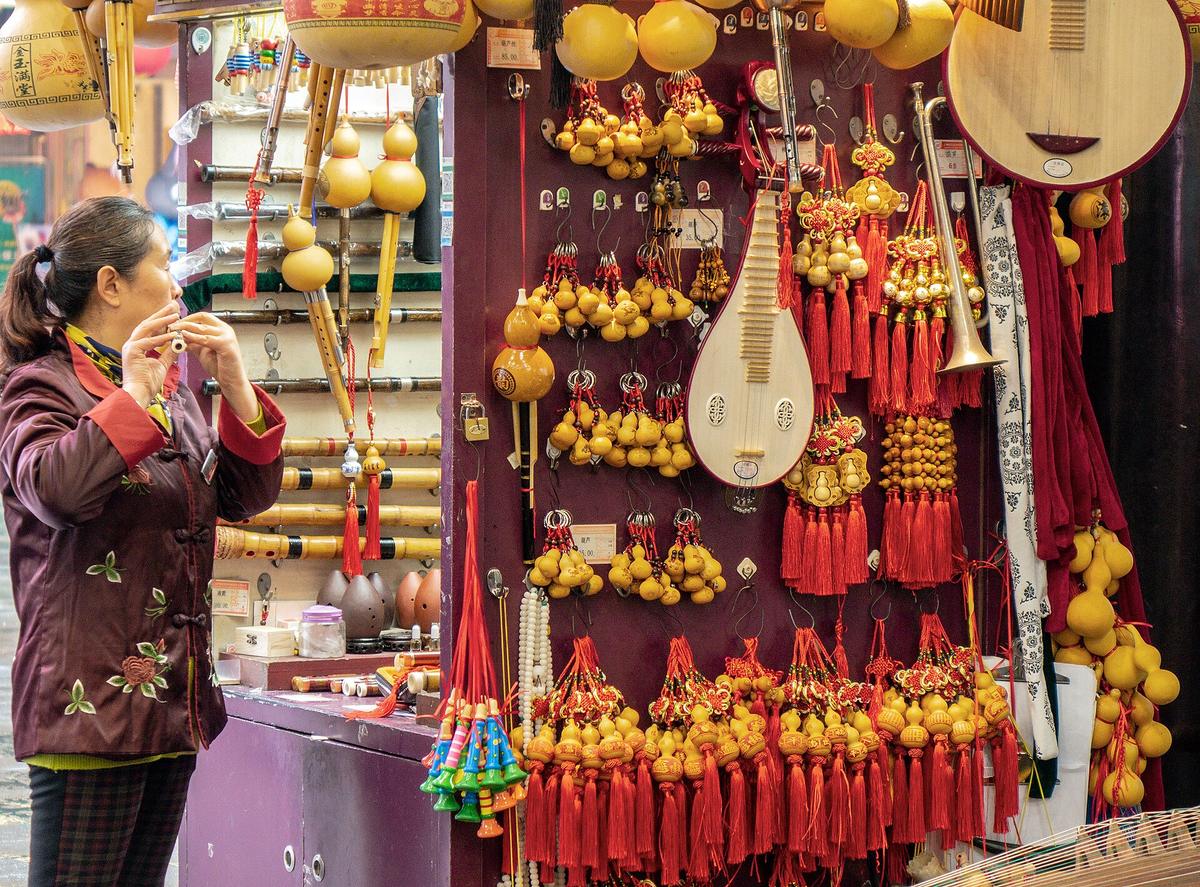

The Garden Inside the Walls
Six Sections, Five Dragon Walls
Past the ticket gate, Yu Garden unfolds as six connected sections, each separated by a dragon wall. The walls are topped with clay tiles shaped into coiled dragons, five in total, each painted in green and white. The carp ponds sit at the base of the Great Rockery, stocked with large orange and white koi that surface when visitors lean over the railings. The pavilions are restored Ming Dynasty structures with upturned eaves, lattice windows, and carved stone bases.
What An Hour Buys You
The garden is small for its reputation. At 2 hectares, you can walk the full loop in 45 minutes at a slow pace. An hour gives you time to sit, watch the carp, and trace the rockery from three different angles before the crowds arrive. The garden is not Suzhou. It does not offer the scale or the meditative quiet of the classical gardens 25 minutes away by high speed train. What it offers is a 16th century private estate preserved inside one of the most intensely commercial districts in China, and that contrast is itself the experience.
How to Beat the Crowds and What to Skip
Beat the Crowds
Arrive at 08:30. The metro station, Yuyuan Garden on Line 10 or Line 14, Exit 7, drops you directly into the bazaar. Walk through it without stopping. Do not look at the souvenir stalls, do not join any queue, and do not let the snack vendors hand you samples. The bazaar is a trap designed to separate you from your time before you reach the garden. Head straight for the ticket booth or scan the QR code posted at the entrance. You will be inside by 08:40 with the garden nearly empty. By 09:30, the first group tours arrive and the paths fill. By 10:00, you are sharing the rockery with 50 other people and the experience changes from contemplation to crowd management.
What to Skip
Skip the City God Temple unless you have a specific reason to enter. It charges 10 CNY, opens at 08:30, closes at 16:30, and is a working temple, but it is small and the worship hall is often crowded with local devotees. Skip the bazaar entirely if you have limited time, low tolerance for crowds, or no interest in souvenir markets. The garden is the thing. If you cannot get a ticket for the morning slot, come on a weekday in off peak months. July and August are brutally hot with 35°C temperatures and 80% humidity, but the garden is less crowded and the ticket drops to 30 CNY. December through March are cold and often gray, but you will have the rockery nearly to yourself.
Common Questions
Do I need to book Yu Garden in advance?
Yes. Yu Garden requires a reservation via the WeChat mini program or an on site QR code. There is a daily visitor cap. Book the 08:30 slot to beat the tour groups.
What is the difference between Yu Garden and Yuyuan Bazaar?
Yu Garden is a walled Ming Dynasty private garden with a paid ticket. Yuyuan Bazaar is the free 50,000 square meter souvenir market surrounding it. Most visitors explore the bazaar and never enter the garden.
Is the Huxinting Teahouse worth the price?
Yes, for the setting. The teahouse sits on a lake accessed by the Nine Turn Bridge. Tea costs 50 to 200 CNY per person. Pay for a window seat. The view justifies the cost.
Can I visit Yu Garden during the Lantern Festival?
Yes, but expect extreme crowds and separate ticketed entry for evening lantern displays. The festival runs from Chinese New Year Day 1 to Day 15. The site may implement entry controls.
Read next
-
 Shanghai Hotels by Property Type and Price Band — Bund Palaces to Lane-House Stays
Shanghai hotels sorted by property type and price band: Bund river-view icons, French Concession lane-house boutiques, Pudong towers, and budget-smart Metro-side picks.
Shanghai Hotels by Property Type and Price Band — Bund Palaces to Lane-House Stays
Shanghai hotels sorted by property type and price band: Bund river-view icons, French Concession lane-house boutiques, Pudong towers, and budget-smart Metro-side picks.
-
Where to Stay in Shanghai — Choosing Your Base Across 10 Districts
Choosing where to stay in Shanghai shapes everything. Compare the French Concession, Bund, Jing'an, and Pudong across atmosphere, walkability, and after-dark personality.
-
 Flying to Shanghai Pudong and Hongqiao Airports Without the Arrival Chaos
Compare Shanghai Pudong and Hongqiao airports on arrival logistics: Maglev steps, Metro Line 10 timing, taxi costs, and which airport wastes less of your first day.
Flying to Shanghai Pudong and Hongqiao Airports Without the Arrival Chaos
Compare Shanghai Pudong and Hongqiao airports on arrival logistics: Maglev steps, Metro Line 10 timing, taxi costs, and which airport wastes less of your first day.
-
 Things to Do in Shanghai — Ranked Sights and What to Skip With Only Days
Shanghai sights ranked and argued: the Bund at blue hour, Shanghai Tower versus Oriental Pearl, Yu Garden's tradeoffs, and what to skip when days are short.
Things to Do in Shanghai — Ranked Sights and What to Skip With Only Days
Shanghai sights ranked and argued: the Bund at blue hour, Shanghai Tower versus Oriental Pearl, Yu Garden's tradeoffs, and what to skip when days are short.
-
 Best Time to Visit Shanghai — Month-by-Month Weather, Crowds, and Closures
Shanghai's best months are April–May and October–November, but each carries a tradeoff. Month-by-month weather, crowd surges, festival timing, and closure periods.
Best Time to Visit Shanghai — Month-by-Month Weather, Crowds, and Closures
Shanghai's best months are April–May and October–November, but each carries a tradeoff. Month-by-month weather, crowd surges, festival timing, and closure periods.
-
 Getting Around Shanghai — Metro Card Tricks, Taxi Traps, and the 11pm Stranding
Shanghai's Metro shuts around 11pm and taxis vanish during shift change. Learn the transport card trick, Alipay QR setup, and how to avoid getting stranded.
Getting Around Shanghai — Metro Card Tricks, Taxi Traps, and the 11pm Stranding
Shanghai's Metro shuts around 11pm and taxis vanish during shift change. Learn the transport card trick, Alipay QR setup, and how to avoid getting stranded.
-
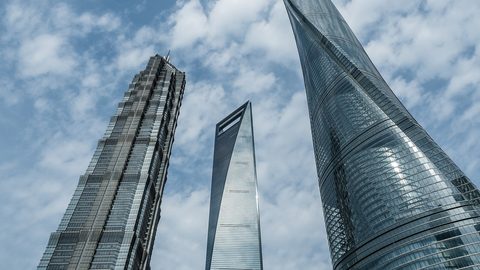 Shanghai Tower
 is 632 metres with the world's fastest lift, but a Jin Mao bar drink, the World Financial Center deck, or the free Pudong riverside walk offer the same skyline for less.
Shanghai Tower
Shanghai Tower is 632 metres with the world's fastest lift, but a Jin Mao bar drink, the World Financial Center deck, or the free Pudong riverside walk offer the same skyline for less.
-
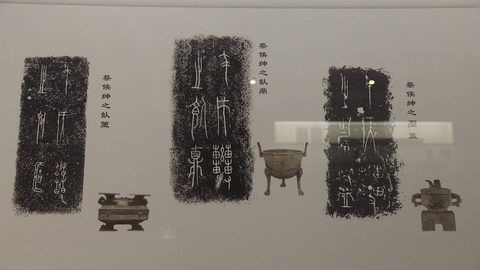 Shanghai Museum
The Shanghai Museum now spans two buildings. Here is exactly which collections live where, and how to book free tickets for both.
Shanghai Museum
The Shanghai Museum now spans two buildings. Here is exactly which collections live where, and how to book free tickets for both.
-
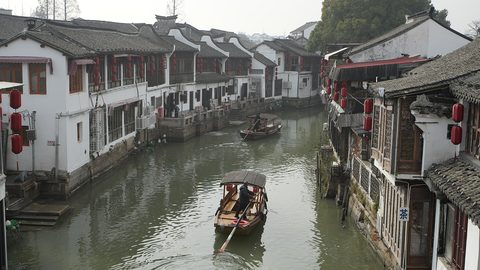 Zhujiajiao
 is an hour from People's Square by Metro Line 17. Here is the exit route, the bridge that matters, and how to handle the crowds.
Zhujiajiao
Zhujiajiao is an hour from People's Square by Metro Line 17. Here is the exit route, the bridge that matters, and how to handle the crowds.