When to Visit Shanghai, Month by Month, With the Tradeoff Each Month Carries
Shanghai's best months are April–May and October–November, but each carries a tradeoff. Month-by-month weather, crowd surges, festival timing, and closure periods.
When to Visit Shanghai, Month by Month, with the Tradeoff Each Month Carries
The wrong assumption about Shanghai is that its climate is like Hong Kong's: consistently warm, dry in winter, manageable year round. It is not. Shanghai sits south of the Yangtze River, which means it gets a four season cycle that includes a plum rain season, typhoon season, and a winter that feels colder than the thermometer suggests because damp air makes the cold penetrating. The best time to visit Shanghai by month is late September to early December and March to May. Those two windows deliver the clearest skies, temperatures between 15°C and 25°C, and the lowest moisture levels. But each month inside those windows carries a specific tradeoff that can derail a trip if you do not plan for it.
Shanghai Weather October vs April: Which Autumn or Spring Window Wins?
October and April both sit inside the two best windows for Shanghai weather, with average highs around 22°C and lows around 15°C. Both months have low moisture levels and reliable sunshine. The difference is cultural, not climatic.
April's Labor Day Surge
April falls inside the spring window, March to May. It brings the Spring Festival holiday period, including the Labor Day Golden Week in the first week of May. April itself is calm, but the week that follows it is not. If you visit in April, you land at the start of the domestic travel surge. Attractions like Yu Garden and the Bund see queues that double by late April. Book everything 60 days ahead.
October's National Day Peak
October sits inside the autumn window, September to November. The weather is identical to April, but the National Day Golden Week runs the first seven days of the month. That week is the peak within peak. The Bund becomes near impassable between 16:00 and 20:00. The Shanghai Tower and Oriental Pearl Tower sell out morning slots by 09:00. Trains out of Shanghai Hongqiao to Suzhou and Hangzhou sell out three days ahead. If you arrive after 8 October, you get the best weather of the year with none of the crowds. If you must arrive during National Day week, treat it as a hotel stay with day trips to the West Bund museums and lane house food crawls, not a sightseeing assault on the skyline.
Shanghai National Day Week Crowds: What You Actually Face
National Day Golden Week runs 1 to 7 October. Domestic tourist volumes peak at the highest level of the year. Shanghai receives roughly double its normal visitor count. The failure case is that you cannot move on the Bund at sunset and you cannot get a table for hairy crab without a reservation made three weeks before.
Ground Conditions During Peak Week
What happens on the ground: The Nanjing Road pedestrian strip fills to shoulder to shoulder density from 10:00 to 22:00. Metro Line 2 through Lujiazui and People's Square operates at crush load with 90 second intervals. Security checks at metro stations take 10 extra minutes per entry during afternoon peak. The Shanghai Museum, which is free, requires a WeChat time slot that sells out by 08:00 on the day. The China Art Museum also requires a passport scan and a booked slot.
Escape Routes That Still Work
What you can still do: The West Bund museums, Power Station of Art and the Rockbund Art Museum, are less crowded because domestic tourists prioritise the skyline. Tianzifang is a maze of shoppers but the side lanes stay passable. A day trip to Zhujiajiao Water Town by Metro Line 17 is doable; arrive before 09:00 and you beat the bus tours. The Propaganda Poster Art Centre is a basement space with a 25 yuan entry and limited capacity, so call ahead even during Golden Week.
Shanghai Chinese New Year Closures: What Shuts and What Stays Open
Chinese New Year falls between late January and mid February. For 2026, New Year's Day is 17 February, and the public holiday typically runs for seven days. The effect on Shanghai is specific: the city empties of its migrant workforce, which means many independent eateries and shops close entirely. The failure case is arriving in Shanghai during Chinese New Year and finding that your favourite shengjianbao stall, the hole in the wall scallion oil noodle shop, and half of the food alleys are shuttered.
What Remains Open
What stays open: Large hotels, chain restaurants, luxury malls, and major attractions like the Bund, Pudong observation decks, and the Shanghai Museum operate normally. The Jade Buddha Temple and Longhua Temple remain open for worshippers and visitors. The French Concession lane houses are quiet and the plane tree avenues are empty, which makes for excellent photography. What you lose is the street level food scene. Da Hu Chun in Hongkou, famous for pan fried pork buns, may close for a week. The hairy crab season ends in November, so that is not an issue. The cifantuan and scallion oil noodle vendors near residential compounds are hit or miss.
How to Eat and Move Instead
What to do instead: Book hotel restaurants that serve local dishes. The Shanghai smoked fish and congyou banmian on a hotel menu is better than nothing. Spend your days on the Bund at blue hour when the crowds are thin, and use the empty metro to cross districts quickly. Chinese New Year is the best time to see Pudong Lujiazui without the crush of tourists, provided you budget for hotel dining.
Shanghai Summer Typhoon and Humidity: What it Feels Like on the Ground
July and August are the months to avoid unless you tolerate 35°C heat with 80 to 85 percent relative moisture. The average high is 32°C and the average low is 25°C, but the damp air makes the heat feel 5°C higher. Typhoon season runs July to September, with the peak from August to early September. When a typhoon hits Shanghai, you get heavy rain, strong winds, and occasional flight and train cancellations at Pudong International and Hongqiao International.
The Plum Rain Stretch
The plum rain season runs mid June to early July. This is persistent drizzle, overcast skies, and high moisture without the heat of August. The AQI during these months is at its best for the year, July to September, because the rain and wind disperse pollution. But you trade clear sky visibility for wet streets and damp clothes. The Shanghai Tower observation deck is often closed during typhoon warnings. The Bund riverside walk becomes slippery and exposed.
Indoor Plans for Wet Days
What you can do: The West Bund museums and the Power Station of Art are indoor spaces with air conditioning. M50 Art District is indoors. The Shanghai Natural History Museum is a good half day option. The metro runs normally unless flooding affects a station, which is rare. Carry an umbrella and a spare pair of shoes. Do not plan outdoor evening walks along the Bund or Suzhou Creek. If you come in August, accept that you will sweat through your shirt before 09:00 and plan your day around indoor breaks.
Month by Month Tradeoffs: a Quick Reference
March to May is the spring window. March is cool, 10°C to 15°C, with some rain. April is the sweet spot: 15°C to 22°C, low moisture, but the Labor Day Golden Week in early May spikes crowds. Book everything for the first week of May six weeks in advance.
June to August is the summer window. Mid June to early July brings the plum rain season, persistent drizzle and high moisture. July and August bring 32°C heat, 85 percent moisture, and typhoon risk. The AQI is low, but the experience is uncomfortable. The only advantage is that Shanghai Art Week and Fashion Week fall in late June and early October; check the specific dates each year because they shift.
September to November is the autumn window. Late September is still warm, 25°C, with low moisture. October has the best weather of the year, 15°C to 22°C, clear skies, but the National Day Golden Week is a domestic tourism surge. November is cooler, 10°C to 15°C, and the plane tree foliage in the former French Concession peaks from mid November to early December. This is the best time for architecture and skyline photographers because the light is soft and the crowds are minimal after National Day.
December to February is the winter window. Average highs are 8°C to 10°C, lows are 1°C to 3°C. Central heating is not universal south of the Yangtze, so many older buildings in the French Concession and lane houses rely on split unit air conditioners. The damp air makes the cold feel penetrating. The AQI is worst during these months, December to February, because of heating season and temperature inversions. Chinese New Year falls in this window, which empties the city but closes eateries. If you visit in winter, bring thermal layers and a warm coat. The indoor museums and the Rockbund Art Museum are your best options.
.jpg)

Festival Calendar Notes and Seasonal Food Windows
Three food windows determine when you should eat what. Hairy crab season runs September and October. The crabs are served steamed with vinegar and ginger, and the roe and flesh are the draw. Shouning Road in Hongkou is the street for spicy crawfish, xiaolongxia, but that is a summer only feast, best in July and August. Laodafang pork mooncakes, the flaky pastry savoury filling snack, has a year round queue at its Nanjing Road branch, but the experience is better in cooler months when you do not sweat into the pastry.
Shanghai Art Week and Fashion Week fall in late June and early October. The exact dates shift each year, so check the Power Station of Art and the Rockbund Art Museum websites for the schedule. If you are a contemporary art fan, aim for late June to catch the openings at the West Bund museums and M50. Fashion Week is a separate event that draws a different crowd; the shows are invitation only but the street style on the Bund and in Xintiandi is worth watching.
The One Thing That Most Often Goes Wrong
The common mistake visitors make is arriving without Alipay or WeChat Pay set up. Shanghai is a cashless city. Many vendors refuse cash entirely. You cannot buy a metro single journey ticket, a shengjianbao, or a museum entry without a mobile payment method. Set up Alipay with a foreign card before departure. Buy a local SIM or eSIM with a Chinese number so you can register for ride hailing apps and museum time slots. The Great Firewall blocks Google, WhatsApp, Instagram, Facebook, and X. Install and test a VPN before you leave. Without it, you cannot access maps, messaging, or social media on the ground.
Budget three full days for Shanghai: one for the Bund and Pudong Lujiazui, one for the French Concession and lane houses, one for a deep food crawl plus a contemporary art or water town half day. Do not try to see both sides of the Huangpu River in one morning and then cram the French Concession into the afternoon. That turns the day into a metro commute rather than an experience. Arrive at the Bund at blue hour, around 17:00 in autumn and 18:30 in summer, and cross to Pudong by metro Line 2 or the Bund Sightseeing Tunnel. Do not use the Sightseeing Tunnel for the view; it is a waste of money. Take the metro or a taxi instead.
Common Questions
What is the single best month to visit Shanghai?
Late October after National Day week, or early November. The weather is 15°C to 22°C, clear skies, low moisture, and the plane tree foliage in the French Concession is at its peak. The crowds drop sharply after 7 October and the AQI is moderate, 60 to 80.
Should I visit Shanghai in April or October?
Choose April if you want spring weather and can avoid the Labor Day Golden Week in early May. Choose October after 8 October for identical weather with no holiday crowds. If you must go during National Day week, book everything three months ahead and stick to the West Bund museums.
Does Shanghai shut down during Chinese New Year?
Major attractions, hotels, and chain restaurants stay open. Independent eateries and small shops close. If your trip depends on street food, avoid Chinese New Year. If you want empty streets and reduced crowds, it is a fine time for photography and museum visits.
How bad is Shanghai in August?
Uncomfortable. 32°C average high, 85% moisture, typhoon risk from July to September. The AQI is low, but you will spend your day moving between air conditioned spaces. Do not plan outdoor activities between 11:00 and 15:00.
When is the plum rain season in Shanghai?
Mid June to early July. Persistent drizzle, overcast skies, high moisture. The air quality improves because the rain disperses pollution, but visibility on the Bund and Shanghai Tower is poor.
When does hairy crab season start in Shanghai?
September and October. The crabs are steamed and served with vinegar and ginger. Book a restaurant in the French Concession or Hongkou for the best experience. The season ends in November.
What is the worst time to visit Shanghai for street food?
Chinese New Year. Independent eateries close for the week. Also avoid August if you cannot handle eating outdoors in 32°C heat with 85% moisture. For the best street food experience, visit in October or November after the heat breaks.
Read next
-
 Shanghai Hotels by Property Type and Price Band — Bund Palaces to Lane-House Stays
Shanghai hotels sorted by property type and price band: Bund river-view icons, French Concession lane-house boutiques, Pudong towers, and budget-smart Metro-side picks.
Shanghai Hotels by Property Type and Price Band — Bund Palaces to Lane-House Stays
Shanghai hotels sorted by property type and price band: Bund river-view icons, French Concession lane-house boutiques, Pudong towers, and budget-smart Metro-side picks.
-
Where to Stay in Shanghai — Choosing Your Base Across 10 Districts
Choosing where to stay in Shanghai shapes everything. Compare the French Concession, Bund, Jing'an, and Pudong across atmosphere, walkability, and after-dark personality.
-
 Flying to Shanghai Pudong and Hongqiao Airports Without the Arrival Chaos
Compare Shanghai Pudong and Hongqiao airports on arrival logistics: Maglev steps, Metro Line 10 timing, taxi costs, and which airport wastes less of your first day.
Flying to Shanghai Pudong and Hongqiao Airports Without the Arrival Chaos
Compare Shanghai Pudong and Hongqiao airports on arrival logistics: Maglev steps, Metro Line 10 timing, taxi costs, and which airport wastes less of your first day.
-
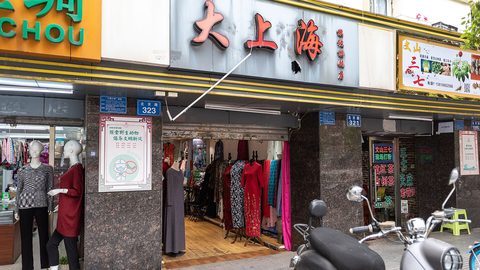 Things to Do in Shanghai — Ranked Sights and What to Skip With Only Days
Shanghai sights ranked and argued: the Bund at blue hour, Shanghai Tower versus Oriental Pearl, Yu Garden's tradeoffs, and what to skip when days are short.
Things to Do in Shanghai — Ranked Sights and What to Skip With Only Days
Shanghai sights ranked and argued: the Bund at blue hour, Shanghai Tower versus Oriental Pearl, Yu Garden's tradeoffs, and what to skip when days are short.
-
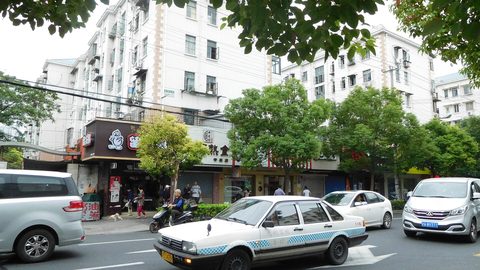 Getting Around Shanghai — Metro Card Tricks, Taxi Traps, and the 11pm Stranding
Shanghai's Metro shuts around 11pm and taxis vanish during shift change. Learn the transport card trick, Alipay QR setup, and how to avoid getting stranded.
Getting Around Shanghai — Metro Card Tricks, Taxi Traps, and the 11pm Stranding
Shanghai's Metro shuts around 11pm and taxis vanish during shift change. Learn the transport card trick, Alipay QR setup, and how to avoid getting stranded.
-
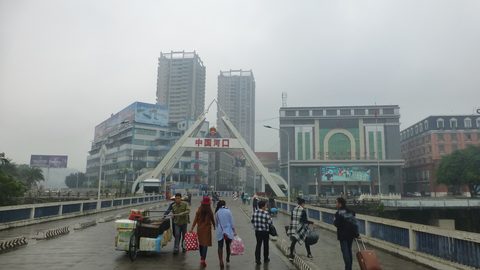 A 3-Day Shanghai Itinerary — Geographically Clustered and Deliberately Incomplete
A 3-day Shanghai itinerary clustered by geography: Bund and Pudong day one, French Concession day two, food crawl and contemporary art day three. Deliberately incomplete.
A 3-Day Shanghai Itinerary — Geographically Clustered and Deliberately Incomplete
A 3-day Shanghai itinerary clustered by geography: Bund and Pudong day one, French Concession day two, food crawl and contemporary art day three. Deliberately incomplete.
-
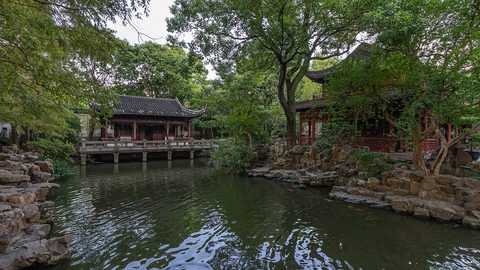 Yu Garden
 is a genuine 16th-century Ming garden behind walls most visitors never enter, trapped in the souvenir bazaar outside. Here is what is inside and how to get there.
Yu Garden
Yu Garden is a genuine 16th-century Ming garden behind walls most visitors never enter, trapped in the souvenir bazaar outside. Here is what is inside and how to get there.
-
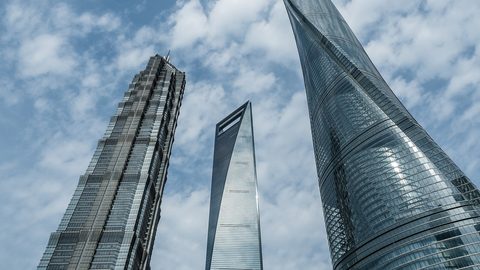 Shanghai Tower
 is 632 metres with the world's fastest lift, but a Jin Mao bar drink, the World Financial Center deck, or the free Pudong riverside walk offer the same skyline for less.
Shanghai Tower
Shanghai Tower is 632 metres with the world's fastest lift, but a Jin Mao bar drink, the World Financial Center deck, or the free Pudong riverside walk offer the same skyline for less.
-
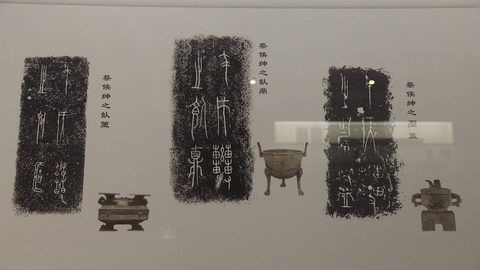 Shanghai Museum
The Shanghai Museum now spans two buildings. Here is exactly which collections live where, and how to book free tickets for both.
Shanghai Museum
The Shanghai Museum now spans two buildings. Here is exactly which collections live where, and how to book free tickets for both.