Finding Shanghai's Art Deco Buildings Beyond the Bund
Shanghai has the largest Art Deco collection outside New York. Here are the buildings beyond the Bund and which interiors you can enter.

Opening
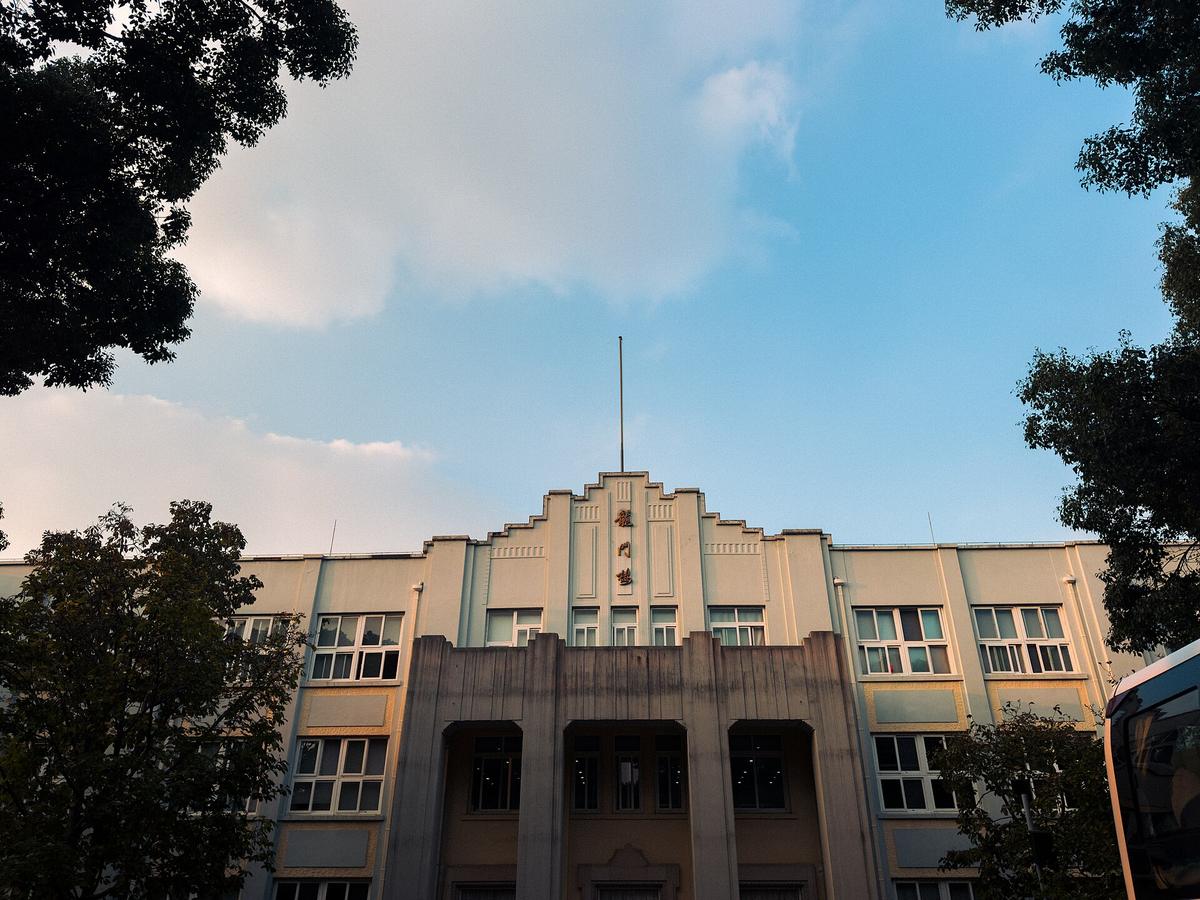
Most visitors to Shanghai Art Deco architecture make one mistake: they walk the Bund, take a photo of the Peace Hotel facade, and think they are done. They are wrong by a dozen blocks and three districts. Shanghai holds the largest surviving collection of Art Deco structures outside New York, but it was never laid out on a single boulevard. The construction boom between 1922 and 1937 scattered them across the French Concession, Hongkou, and the Bund hinterland, hidden behind plane trees, above noodle shops, and inside edifices where the only way in is a working lift. Here is exactly where to find them and which spaces you can still walk into without a room key or a reservation.
The Hudec Walk: Park Hotel to Normandie Apartments
Four Buildings In One Afternoon
If you have three hours in Shanghai, spend them on the spine of László Hudec's work. Hudec, the Hungarian-Slovak architect who arrived in 1918, designed at least 65 structures in the city. More than 30 survive. The most walkable route runs 3.5 kilometres from Park Hotel to Normandie Apartments and passes four of his key works with different levels of access.
Start at Park Hotel on 170 Nanjing West Road. Completed in 1934, its 22 floors and 83.8 metres made it the tallest tower in Asia at opening. The lobby and second-floor gallery are open to non guests. Walk through them. The speed and economy of Hudec's vertical lines here are what separated Art Deco from the ornamentalism of the Bund's Beaux-Arts banks. Cross the street to the grand theatre at 216 Nanjing West Road, completed 1933. This was originally a cinema, not a theatre, and its auditorium matters. But you need a ticket. The venue still operates as a cinema and performance space, so check the schedule. If a screening is on, buy a seat for whatever is showing. The lobby alone is not worth the detour.
Two Stops You Cannot Enter
From there, head southwest to the Green House at 333 Tongren Road, completed 1938. Four floors, Hudec at his most restrained. Look at it from the street. That is all. The place is a private club and does not allow visitors. Keep walking to the Normandie Apartments at Huaihai Middle Road, at the intersection with Wukang Road. Completed in 1924, this was Hudec's first major work in Shanghai, built as rental flats for the International Savings Society. It is still a residential block. The lobby is sometimes accessible. The ground floor retail is open. Do not attempt the upper floors. The value here is the exterior: the asymmetrical massing, the way the structure turns the corner, the stepped roofline that references a ship. Photograph it from the Wukang Road side in late afternoon light.
Interiors You Can Enter Without a Key
Peace Hotel And Broadway Mansions
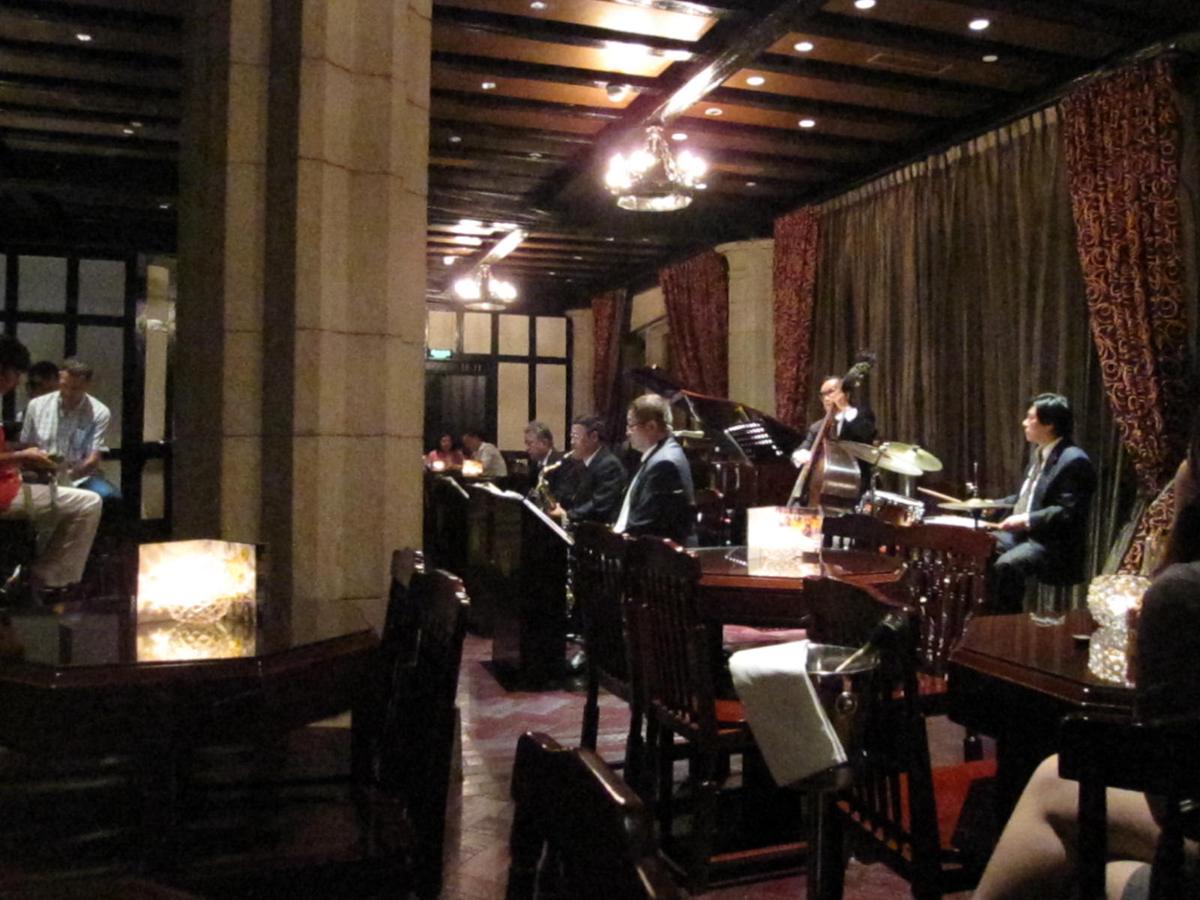
The question is about doors. Which ones open? Here is the reality. The Peace Hotel at 20 Nanjing East Road, originally the Cathay Hotel in the Sassoon House, has a lobby and ground floor arcade open to everyone. Walk in and go straight to the old jazz bar on the ground floor. Non guests can sit there. There is a minimum spend, between 200 and 300 yuan, set by the hotel operator. It is worth it for the restored Lalique glass panels and the tiered ceiling. The guest floors are off limits.
Broadway Mansions at 20 Suzhou North Road, completed 1935, is the best high rise space you can access without a room key. The lobby is open. More importantly, the 18th floor observation deck is accessible to non guests. It may require a purchase. The deck gives you a view of the Suzhou Creek meeting the Huangpu River, the exact spot that made this location valuable for the British architects Palmer and Turner, who designed the 19 floor, 78 metre tower. Go in the morning for east facing light.
A Quick Stop Worth Skipping
The Metropole Hotel at 180 Jiangxi Middle Road, also Palmer and Turner, completed 1934, offers lobby access only. It is now a Metropolo Jin Jiang Hotel. The lobby has original terrazzo floors and a stepped ceiling. It takes three minutes to see. Do not walk across town for it. Make it a stop if you are already on Jiangxi Middle Road, which runs parallel to the Bund one block inland.
The Bund Facade is Just the Start
The Bund has five significant Art Deco structures: Customs House from 1927, Bank of China from 1937, the Sassoon House, Yokohama Specie Bank from 1924, and Bank of Communications from 1940. Customs House opens its lobby for heritage days, not on a regular schedule. Bank of China opens its lobby during banking hours. The rest are facade only. Walk the Bund once at blue hour. Do not walk it twice.
The real depth is inland. The Paramount Ballroom at 218 Yuyuan Road, built 1933 by architect S.J. Young, is open to the public during operating hours with a cover charge. It still functions as a ballroom and live music venue. Go for the room itself: the spiral staircase, the mirrored ceiling, the dance floor that has been in continuous use since the 1930s. It is a working social space, not a museum.
Cathay Cinema at 870 Huaihai Middle Road, built 1932 by architect C.H. Gonda, is a ticket holder only building. Same rule as the Grand Theatre. If you want to see the auditorium, buy a ticket for a screening. The cinema sits on Huaihai Middle Road, the main commercial spine of the former French Concession, and the walk from there to the Normandie Apartments is a half hour through plane tree lined streets that were once the boundary of the French settlement.
What Has Been Lost and What is Protected
Roughly 30 percent of Shanghai's pre 1937 Art Deco stock has been demolished since 1980, according to surveys by the Shanghai Municipal Planning Bureau. The demolitions are not random. They follow major road widenings and the construction of the elevated expressways. Entire blocks of Art Deco housing along Yan'an Road were torn down in the 1990s. The survivors are the reason the city still holds the claim. As of 2023, 632 edifices are on Shanghai's Heritage Architecture list, and 44 historic districts are designated. Many of these are Art Deco. But designation does not guarantee access. It guarantees that the facade cannot be torn down. The rooms behind it can be and often are gutted.
This is why the Hudec route matters. Park Hotel, Grand Theatre, Green House, Normandie Apartments. Four works by one architect, each with a different preservation status, each telling a different part of the story. Park Hotel still functions as a hotel. Grand Theatre still functions as a cinema. Normandie Apartments still functions as flats. The survival of Art Deco in Shanghai is not a museum project. It is a living city that happened to keep its structures because they still worked.
Three Books and Two Tours Worth Your Time
Read Before You Go
The best preparation is reading. Shanghai Art Deco by Dvir Bar Gal and Erica Lyons, published 2021, is formatted as a walking tour. It gives you addresses, dates, and architects on each page. Laszlo Hudec: Shanghai's Master Builder by Luca Poncellini and Júlia Csejdy, published 2019, covers the architect's full portfolio. Shanghai's Art Deco Master: Paul Veysseyre's Architecture by Spencer Dodington and Charles Lagrange, published 2015, adds the French architect who competed with Hudec for commissions. Buy one of these before you go. Do not rely on the internet; the Great Firewall blocks most image heavy sites.
Guided Or Self-Guided
If you want a guide, Dvir Bar Gal himself leads a Shanghai Art Deco walking tour that runs three to four hours and costs approximately 400 to 500 yuan per person. His tours have high factual density because he wrote the book. Historic Shanghai offers various Art Deco routes led by expat historians, costing roughly 300 to 400 yuan per person. Their value is reliability and access to buildings that require a guide. They are less architecture specialist than Bar Gal's tour.
For zero cost, the self guided route runs Park Hotel to Grand Theatre to Peace Hotel to Broadway Mansions to Normandie Apartments, roughly 6 kilometres and four to five hours with stops. You miss interior access at several sites, but you cover the geography of the claim in a single afternoon.

Photography Light and Timing
The best light for the east facing Bund buildings is morning, 06:30 to 09:00. The sun hits the Sassoon House and Customs House directly. Traffic is low. The sidewalks are empty. For the west facing structures on Nanjing Road and in the French Concession, late afternoon from 16:00 to 18:00 gives golden hour on the Hudec works. Park Hotel's vertical lines catch the light from the west. The Normandie Apartments read best at this hour because the stepped roofline casts its own shadow across the facade.
Do not photograph the Bund at noon. The light is flat, the crowds are dense, and the skyline behind you in Pudong washes out entirely. Budget your one walk on the Bund for 17:00 to 18:30 and you will capture the facade light, the blue hour transition, and the illuminated Pudong towers behind it.
Who This Subject Suits and Who Should Skip it
Shanghai Art Deco architecture suits anyone who understands that the structures are still working, not preserved under glass. It suits photographers who will wake up for 06:30 light. It suits first time China visitors who want a soft landing because the Art Deco district overlaps with the French Concession's cafe culture, lane house restaurants, and walkable streets. It suits business travellers with a free day who can cover the Hudec route in a morning and the Bund in the evening.
It does not suit travellers seeking a compact, walkable historic quarter where every building is a museum. The Art Deco stock is scattered. You will ride the metro between districts. Some of the best edifices are private residences or working hotels. If you need interpretive signage on every corner and a gift shop at every exit, skip the self guided route and pay for the Bar Gal tour. If you want classical Chinese gardens and imperial history, take the 25 minute high speed train to Suzhou. Shanghai's Art Deco collection is unmatched, but it is a collector's hunt, not a theme park.
Read next
-
 Shanghai Hotels by Property Type and Price Band — Bund Palaces to Lane-House Stays
Shanghai hotels sorted by property type and price band: Bund river-view icons, French Concession lane-house boutiques, Pudong towers, and budget-smart Metro-side picks.
Shanghai Hotels by Property Type and Price Band — Bund Palaces to Lane-House Stays
Shanghai hotels sorted by property type and price band: Bund river-view icons, French Concession lane-house boutiques, Pudong towers, and budget-smart Metro-side picks.
-
Where to Stay in Shanghai — Choosing Your Base Across 10 Districts
Choosing where to stay in Shanghai shapes everything. Compare the French Concession, Bund, Jing'an, and Pudong across atmosphere, walkability, and after-dark personality.
-
 Flying to Shanghai Pudong and Hongqiao Airports Without the Arrival Chaos
Compare Shanghai Pudong and Hongqiao airports on arrival logistics: Maglev steps, Metro Line 10 timing, taxi costs, and which airport wastes less of your first day.
Flying to Shanghai Pudong and Hongqiao Airports Without the Arrival Chaos
Compare Shanghai Pudong and Hongqiao airports on arrival logistics: Maglev steps, Metro Line 10 timing, taxi costs, and which airport wastes less of your first day.
-
 Things to Do in Shanghai — Ranked Sights and What to Skip With Only Days
Shanghai sights ranked and argued: the Bund at blue hour, Shanghai Tower versus Oriental Pearl, Yu Garden's tradeoffs, and what to skip when days are short.
Things to Do in Shanghai — Ranked Sights and What to Skip With Only Days
Shanghai sights ranked and argued: the Bund at blue hour, Shanghai Tower versus Oriental Pearl, Yu Garden's tradeoffs, and what to skip when days are short.
-
 Best Time to Visit Shanghai — Month-by-Month Weather, Crowds, and Closures
Shanghai's best months are April–May and October–November, but each carries a tradeoff. Month-by-month weather, crowd surges, festival timing, and closure periods.
Best Time to Visit Shanghai — Month-by-Month Weather, Crowds, and Closures
Shanghai's best months are April–May and October–November, but each carries a tradeoff. Month-by-month weather, crowd surges, festival timing, and closure periods.
-
 Getting Around Shanghai — Metro Card Tricks, Taxi Traps, and the 11pm Stranding
Shanghai's Metro shuts around 11pm and taxis vanish during shift change. Learn the transport card trick, Alipay QR setup, and how to avoid getting stranded.
Getting Around Shanghai — Metro Card Tricks, Taxi Traps, and the 11pm Stranding
Shanghai's Metro shuts around 11pm and taxis vanish during shift change. Learn the transport card trick, Alipay QR setup, and how to avoid getting stranded.
-
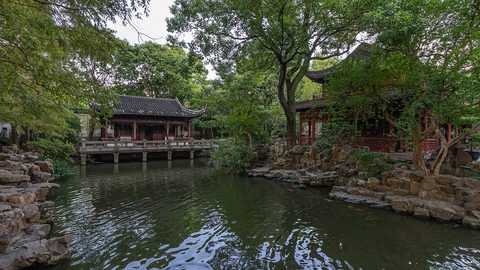 Yu Garden
 is a genuine 16th-century Ming garden behind walls most visitors never enter, trapped in the souvenir bazaar outside. Here is what is inside and how to get there.
Yu Garden
Yu Garden is a genuine 16th-century Ming garden behind walls most visitors never enter, trapped in the souvenir bazaar outside. Here is what is inside and how to get there.
-
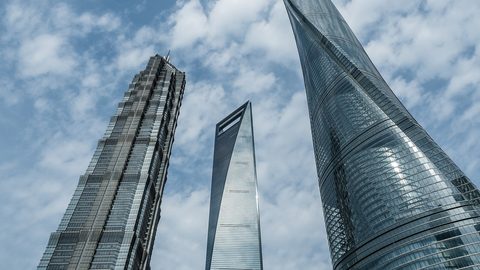 Shanghai Tower
 is 632 metres with the world's fastest lift, but a Jin Mao bar drink, the World Financial Center deck, or the free Pudong riverside walk offer the same skyline for less.
Shanghai Tower
Shanghai Tower is 632 metres with the world's fastest lift, but a Jin Mao bar drink, the World Financial Center deck, or the free Pudong riverside walk offer the same skyline for less.
-
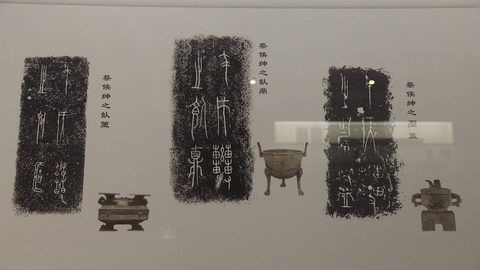 Shanghai Museum
The Shanghai Museum now spans two buildings. Here is exactly which collections live where, and how to book free tickets for both.
Shanghai Museum
The Shanghai Museum now spans two buildings. Here is exactly which collections live where, and how to book free tickets for both.