How to Tell a Proper Shanghai Soup Dumpling From a Touristy One
Shanghai xiaolongbao range from sublime to stodgy. Learn the visual and textural tells, then eat both kinds at two specific addresses.

How to Tell a Proper Shanghai Soup Dumpling from a Touristy One
Most visitors assume xiaolongbao is the everyday breakfast of Shanghai, the thing locals grab on the way to work. That is wrong. Shengjianbao, the pan fried bun with a thick yeasted skin, outsells xiaolongbao at morning rush by roughly three to one in residential neighbourhoods. Xiaolongbao is the banquet item, the tourist emblem, the thing you order at a sit down meal. Understanding that gap is the first step in learning to distinguish a good soup dumpling from a mass produced version.
The real test of whether you are eating something worth your limited days in Shanghai is not the brand name on the sign, but the physical details of the dumpling itself. Judge skin thickness, pleat count, broth clarity and pork texture. Then go to two specific addresses where the contrast is immediate and instructive. The question of good versus tourist dumpling is settled not by reputation but by a single bite.
The Nanxiang Tourist Floor Versus the Jia Jia Standard
Nanxiang Steamed Bun Restaurant at 85 Yuyuan Laolu has been making dumplings since 1900. It occupies a prime position inside the Yu Garden bazaar, and its three floor system tells you everything about how the same kitchen serves different audiences.
Ground Floor Throughput
The ground floor takeaway window is the one with the queue, 20 to 60 minutes on weekends, 10 to 20 minutes on weekday mornings. Pay with cash or QR code, get a steamer of six pork dumplings for 25 to 30 yuan, and eat them standing on the pavement. The quality is comparable to a mid tier neighbourhood shop. The second floor seated hall charges 40 to 55 yuan for the same six pieces. The third floor premium hall serves crab roe versions at 60 to 88 yuan. The dumplings are not different. The price changes because the room changes.
The Jia Jia Benchmark
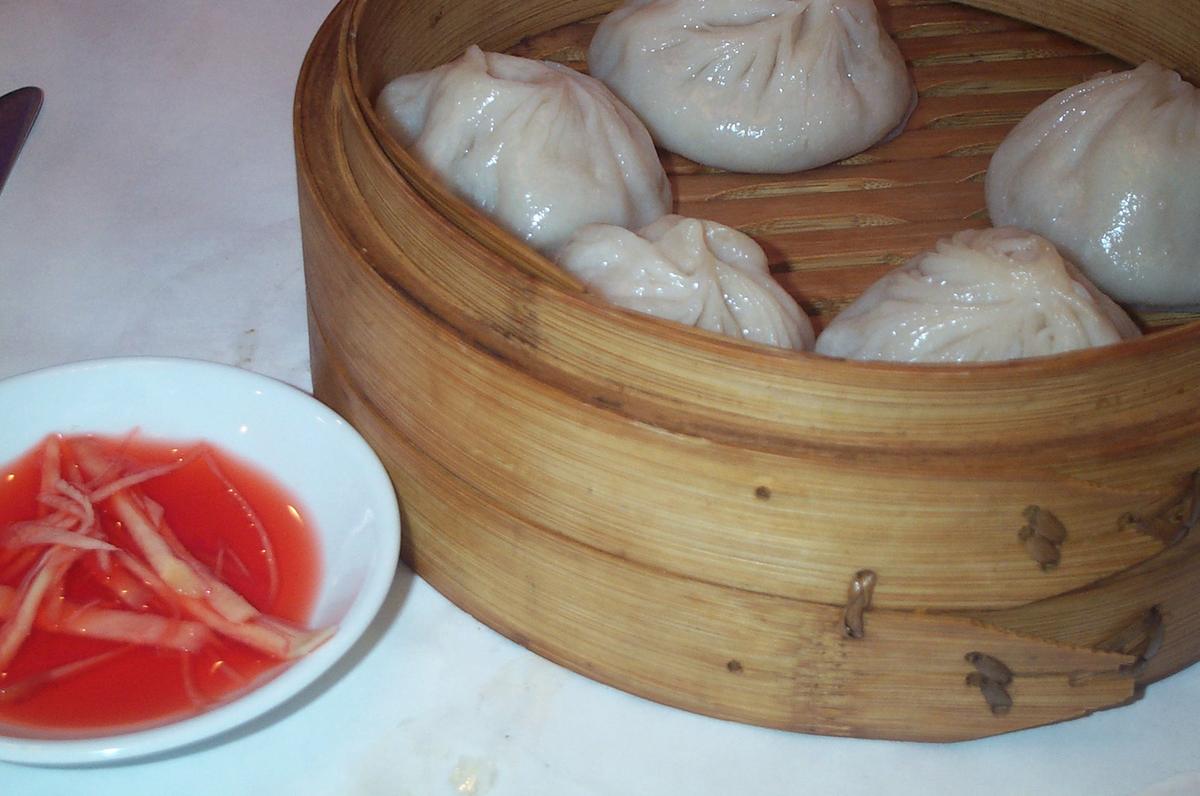
Walk ten minutes to Jia Jia Tang Bao, and you get a different experience entirely. Jia Jia operates from a single small room with a queue that snakes onto the street. The dumplings come in steamers of eight, the skin is translucent at 1 to 2 millimetres, and the pleat count runs 14 to 18 folds twisted and pinched at the top. The broth is clear, not cloudy. The pork texture is firm but yielding, not a grey paste. The gap separating a Nanxiang ground floor dumpling from a Jia Jia dumpling is the gap between something made for throughput and something made for taste. Both are worth eating. Only one will teach you what xiaolongbao can be.
Nanxiang Steamed Bun Restaurant Yu Garden: What to Order and What to Skip
The Nanxiang branch inside the Yu Garden complex is the original brand location, and its history is genuine. But the ground floor window sells a product designed for volume. The skin is slightly thicker, around 2 millimetres, because a thicker skin survives stacking and holding better. The soup is more salty than porky, and the pleats are less defined. It is not a bad dumpling. It is a dumpling built for a queue of tourists who will not complain.
Eat On The Second Floor
The second floor is a slight upgrade, but the real reason to eat at Nanxiang at all is the setting: you are in the oldest xiaolongbao brand in Shanghai, surrounded by the restored Ming era pavilions of Yu Garden. That context matters for a first time visitor.
Skip The Third Floor
Skip the third floor unless you specifically want crab roe versions outside of crab season, which runs late September to December. The premium markup does not correspond to better technique, only to more expensive ingredients. If you want crab roe xiaolongbao, go to Lin Long Fang instead, where the standardised recipe delivers consistent skin thickness and pleat count across multiple locations, and where the crab roe version runs 35 to 48 yuan for eight pieces during season. That is a better use of money than the Nanxiang third floor.
Jia Jia Tang Bao Shanghai Location and What Makes it Different
Jia Jia Tang Bao operates from a single address in Huangpu district, and the queue is part of the experience. The reason to wait is the broth.
The Broth Method
Jia Jia simmers pork skin and bones for four to six hours, chills the stock into aspic, then dices it and folds it into the minced pork filling. When the steamer hits the dumpling, the aspic melts into a clear, clean soup that tastes of pork fat and collagen, not salt. The skin is translucent to the point you can see the broth moving inside, but it holds without leaking when you lift the dumpling with chopsticks. That is the test. A good xiaolongbao skin holds. A tourist dumpling tears.
Order And Dip
Jia Jia does not serve shengjianbao. It serves only xiaolongbao in two varieties: pork and pork with crab roe during season. The pork version costs 10 to 18 yuan for six to eight pieces, which is the neighbourhood shop price. The crab roe version costs 1.8 to 3 times that, depending on the year. Bring Zhenjiang black rice vinegar, which you will find on the table, and julienned fresh ginger at 1 to 2 millimetres thick. Let the ginger steep in the vinegar for at least five minutes before you eat. That step sharpens the vinegar and mellows the ginger, and it is the gap between a competent dip and an excellent one.
Xiaolongbao Thin Skin Pleat Count and the Numbers That Matter
The pleat count on a proper xiaolongbao is 14 to 18 folds. Fewer than 14 and the dumpling is likely machine pressed or rushed. More than 18 and the skin becomes too thick at the top where the folds gather. The pleats must be twisted and pinched at the top to seal the soup inside. A dumpling with a flat top or a thick dough button at the crown has been poorly sealed and will leak broth into the steamer before it reaches your table.
Skin And Translucency
The skin thickness should be 1 to 2 millimetres after rolling. When cooked, the skin becomes translucent. You should be able to see the colour of the soup inside, a pale gold if the aspic was made properly, greyish if the broth was thickened with flour or gelatine powder. Translucency is not the same as fragility. A well rolled skin at 1.5 millimetres can support the weight of the filling and broth without tearing. A poorly rolled skin at the same thickness will rupture the moment you lift it. The distinction lies in the gluten development during kneading, and you cannot assess that without eating. But you can assess translucency by eye before you order a second steamer.

Shanghai Soup Dumpling Broth Temperature Warning and the Correct Eating Order
The soup inside a freshly steamed xiaolongbao is scalding. The aspic melts at around 60 degrees Celsius, and the steam from the steamer pushes the internal temperature higher. Do not bite into the dumpling whole. That is how you burn your mouth and miss the flavour.
The Correct Order
Lift the dumpling by the top knot, rest it on your spoon, nibble a small hole in the skin 5 to 8 millimetres in diameter, blow gently to cool the broth, sip the soup, then dip the remainder in vinegar and ginger and eat it in one bite.
The blowing step matters. If you sip immediately, the broth temperature can exceed what your palate registers as hot, and you will not taste the pork. If you wait too long, the broth cools and congeals. The window for optimal temperature is roughly 30 seconds from steamer to table. That is why neighbourhood shops that batch steam small quantities are better than tourist locations that hold steamers under heat lamps. A dumpling that has been sitting loses its soup temperature, and once the broth goes cold, the texture of the pork filling becomes heavy and greasy.
Where to Taste the Spectrum Side by Side
To understand the gap between a well made xiaolongbao and a tourist version, eat both in the same afternoon.
Start At Nanxiang
Start at Nanxiang Steamed Bun Restaurant in Yu Garden. Order from the ground floor window, six pieces of pork for 25 to 30 yuan. Eat one immediately. Notice the skin thickness, the cloudiness of the broth, the salt level.
Then Walk To Jia Jia
Then walk to Jia Jia Tang Bao. Order six to eight pieces of pork for 10 to 18 yuan. Eat one immediately. Compare the translucency of the skin, the clarity of the broth, the texture of the pork. The contrast is not subtle.
If Jia Jia has a queue longer than 30 minutes, go to Lin Long Fang instead. Lin Long Fang is a reliable chain with standardised recipe, consistent skin thickness and pleat count, and a price of 15 to 22 yuan for eight pork dumplings. It will not have the same soul as Jia Jia, but it is a solid benchmark. The chain advantage is that you can order through QR code with WeChat or Alipay, and the menu defaults to Chinese, so look for 小笼包 for pork or 蟹粉小笼 for crab roe. Comparing Nanxiang and Lin Long Fang will still show you the gap between a tourist volume product and a properly made dumpling.
One Honest Caveat About This Subject
None of this matters if you only have one meal in Shanghai and you just want something that tastes fine. The Nanxiang ground floor dumpling tastes fine. It will not ruin your day. The argument here is that the gap between a good xiaolongbao and a tourist one is worth a detour only if you care about technique, about the distinction between aspic made from four hours of simmering and broth thickened with salt, about the pleat count that collapses the moment a machine presses it. If you do not care about that, eat at Nanxiang, enjoy the Yu Garden bazaar, and move on. But if you want to understand what Shanghai cooks can do with pork skin, pork bone, flour and steam, spend the extra hour finding Jia Jia Tang Bao. The soup tells the story, and you will taste it.
Read next
-

 Shanghai Hotels by Property Type and Price Band — Bund Palaces to Lane-House Stays
Shanghai hotels sorted by property type and price band: Bund river-view icons, French Concession lane-house boutiques, Pudong towers, and budget-smart Metro-side picks.
Shanghai Hotels by Property Type and Price Band — Bund Palaces to Lane-House Stays
Shanghai hotels sorted by property type and price band: Bund river-view icons, French Concession lane-house boutiques, Pudong towers, and budget-smart Metro-side picks.
-
Where to Stay in Shanghai — Choosing Your Base Across 10 Districts
Choosing where to stay in Shanghai shapes everything. Compare the French Concession, Bund, Jing'an, and Pudong across atmosphere, walkability, and after-dark personality.
-
 Flying to Shanghai Pudong and Hongqiao Airports Without the Arrival Chaos
Compare Shanghai Pudong and Hongqiao airports on arrival logistics: Maglev steps, Metro Line 10 timing, taxi costs, and which airport wastes less of your first day.
Flying to Shanghai Pudong and Hongqiao Airports Without the Arrival Chaos
Compare Shanghai Pudong and Hongqiao airports on arrival logistics: Maglev steps, Metro Line 10 timing, taxi costs, and which airport wastes less of your first day.
-
 Things to Do in Shanghai — Ranked Sights and What to Skip With Only Days
Shanghai sights ranked and argued: the Bund at blue hour, Shanghai Tower versus Oriental Pearl, Yu Garden's tradeoffs, and what to skip when days are short.
Things to Do in Shanghai — Ranked Sights and What to Skip With Only Days
Shanghai sights ranked and argued: the Bund at blue hour, Shanghai Tower versus Oriental Pearl, Yu Garden's tradeoffs, and what to skip when days are short.
-
 Best Time to Visit Shanghai — Month-by-Month Weather, Crowds, and Closures
Shanghai's best months are April–May and October–November, but each carries a tradeoff. Month-by-month weather, crowd surges, festival timing, and closure periods.
Best Time to Visit Shanghai — Month-by-Month Weather, Crowds, and Closures
Shanghai's best months are April–May and October–November, but each carries a tradeoff. Month-by-month weather, crowd surges, festival timing, and closure periods.
-
 Getting Around Shanghai — Metro Card Tricks, Taxi Traps, and the 11pm Stranding
Shanghai's Metro shuts around 11pm and taxis vanish during shift change. Learn the transport card trick, Alipay QR setup, and how to avoid getting stranded.
Getting Around Shanghai — Metro Card Tricks, Taxi Traps, and the 11pm Stranding
Shanghai's Metro shuts around 11pm and taxis vanish during shift change. Learn the transport card trick, Alipay QR setup, and how to avoid getting stranded.
-
 Yu Garden
 is a genuine 16th-century Ming garden behind walls most visitors never enter, trapped in the souvenir bazaar outside. Here is what is inside and how to get there.
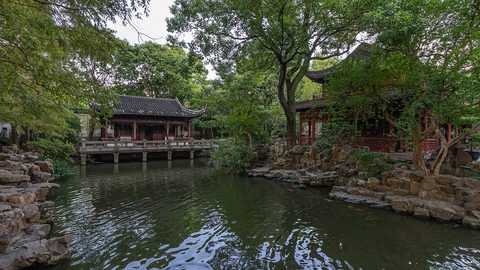
Yu Garden
Yu Garden is a genuine 16th-century Ming garden behind walls most visitors never enter, trapped in the souvenir bazaar outside. Here is what is inside and how to get there.
-
 Shanghai Tower
 is 632 metres with the world's fastest lift, but a Jin Mao bar drink, the World Financial Center deck, or the free Pudong riverside walk offer the same skyline for less.
Shanghai Tower
Shanghai Tower is 632 metres with the world's fastest lift, but a Jin Mao bar drink, the World Financial Center deck, or the free Pudong riverside walk offer the same skyline for less.
-
 Shanghai Museum
The Shanghai Museum now spans two buildings. Here is exactly which collections live where, and how to book free tickets for both.
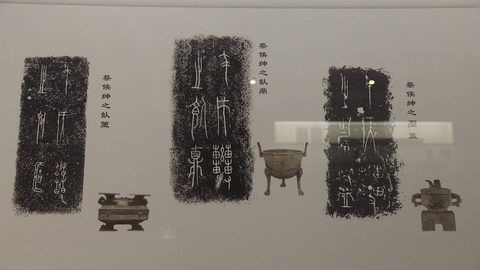
Shanghai Museum
The Shanghai Museum now spans two buildings. Here is exactly which collections live where, and how to book free tickets for both.