Shanghai Hotels Worth Booking, From River-View Icons to French Concession Boutiques
Shanghai hotels sorted by property type and price band: Bund river-view icons, French Concession lane-house boutiques, Pudong towers, and budget-smart Metro-side picks.
Shanghai Hotels by Property Type and Price Band
You are deciding between a room with a direct Huangpu River view and a lane house tucked inside a 1930s residential block. The river-view room costs at least double. The lane house has no lift and stairs that creak. That is the real decision in Shanghai, not a star rating. What you buy in this city is a tradeoff between view and convenience, between character and modern soundproofing, between a location that saves you 45 minutes of Metro time each day and one that costs you exactly that.
Below are the specific hotels worth your money, grouped by what you are actually buying: a Bund river-facing landmark, a lane house in the Former French Concession, a high-floor Pudong business tower, or a budget-smart pick within 500 metres of a Metro station. Every recommendation includes what goes wrong with it. A hotel with no downside is either an advert or a fiction.
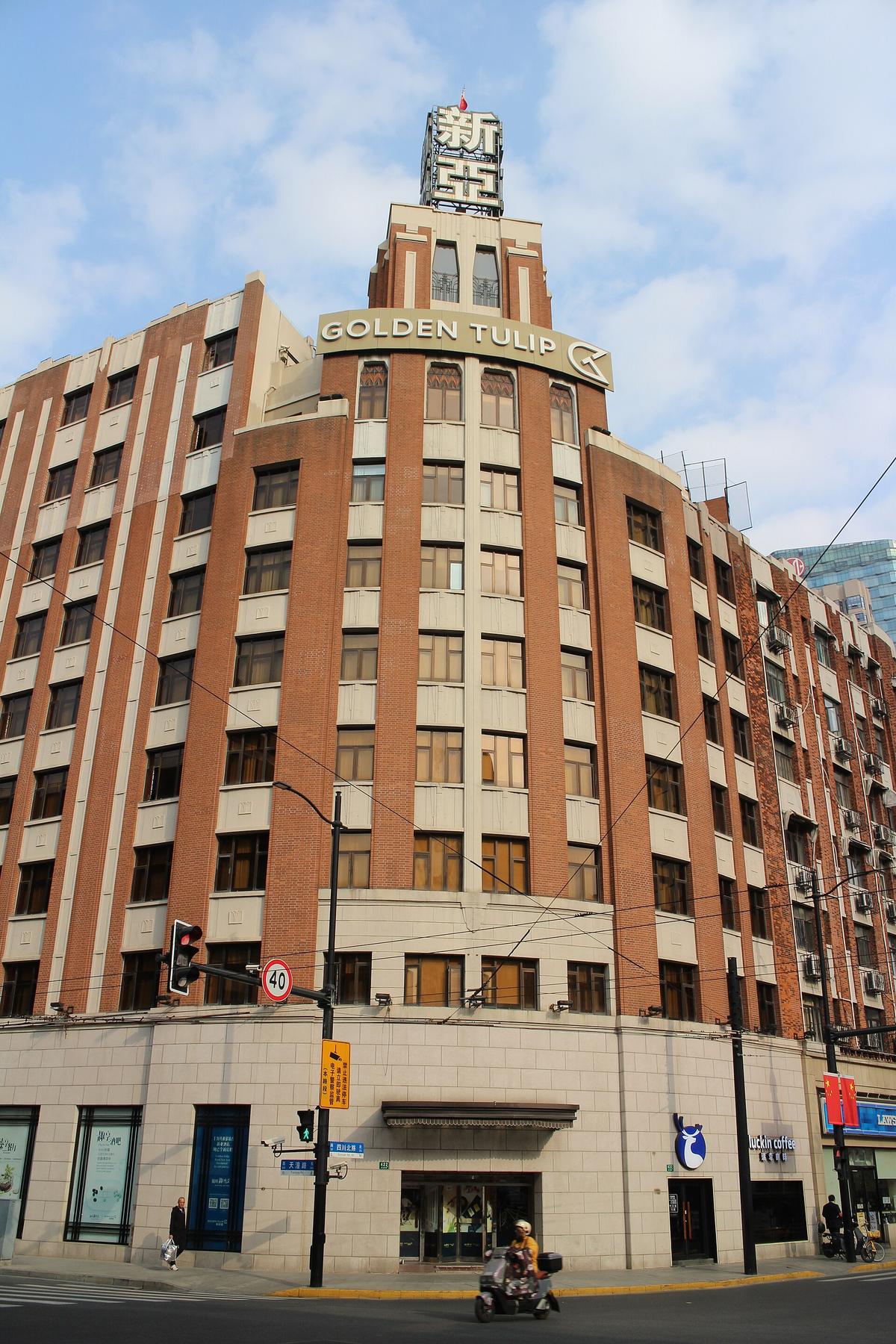
The Bund Art Deco Hotels: Paying for the View
What The Three Best Waterfront Buildings Cost
Six historic buildings survive along the Bund waterfront. The three that deliver the clearest tradeoff are the Fairmont Peace Hotel, the Waldorf Astoria Shanghai on the Bund, and the Broadway Mansions. The Peace Hotel opened in 1929 as the Cathay Hotel, has 270 rooms, and its standard rooms run 45 square metres. The 2024 entry-level rate was CNY 2,000 to 3,500 a night, a figure that changes annually. The river-view surcharge over a city-facing room is 40 to 100 percent. That is your first decision: do you want to see the Pudong skyline from your window, or do you want to save close to a thousand yuan per night?
The Waldorf Astoria sits in the former Shanghai Club building from 1911, 260 rooms, entry-level rates at CNY 2,200 to 3,800. The Peninsula Shanghai opened in 2009 as a new build in Art Deco style. It costs more: CNY 3,000 to 5,000 entry level. All three deliver high service ratios and heritage interiors. The downside, and it matters. River-facing rooms in these historic buildings carry street noise. The Bund traffic runs all night. Bathrooms in the historic wings are smaller than any new build luxury property. You are buying atmosphere over function.
Broadway Mansions: The Budget Route To The River
Broadway Mansions, opened 1934, 248 rooms, entry-level rates at CNY 600 to 1,200, is the budget entry into Bund luxury. The tradeoff is steeper: the building shows its age, the rooms are smaller, and you are still paying a 40 to 100 percent premium for the river view. The cheaper rooms at CNY 600 face the city or a side street. Take that option and you might as well be in any mid-range chain hotel. Buy this only if the river view is non negotiable and your budget caps at CNY 1,200.
Pudong Luxury Towers: High Floors, High Premiums
Altitude Is The Product, Not The Bed
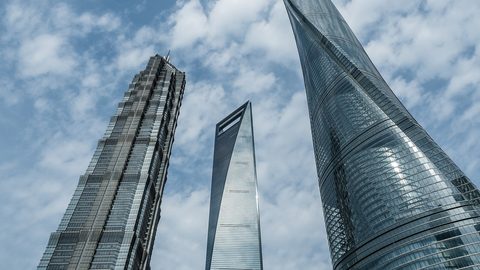
Five towers dominate Pudong Lujiazui. The Park Hyatt Shanghai occupies floors 79 to 93 of the Shanghai World Financial Center, 174 rooms, entry-level rate at CNY 1,800 to 3,200 in 2024. The J Hotel Shanghai Tower sits on the upper floors of China's tallest building, 165 rooms, entry-level at CNY 2,500 to 4,500. The view premium for a high-floor Huangpu River facing room over a low-floor city facing room runs 50 to 120 percent. You pay something close to a thousand yuan more for the privilege of seeing the Bund from above instead of seeing another tower.
What you actually get at these price points is not a better bed. The beds are excellent at both properties. You get altitude. The Park Hyatt's restaurant on floor 87 gives you a view that makes breakfast memorable. The J Hotel's observation deck is a separate ticket if you stay anywhere else. Stay here and it is included. The tradeoff: you are in Pudong. That means a taxi or Metro ride to the French Concession and the food streets near Yu Garden. Crossing the river costs 30 minutes each way. If your trip is two days, you lose a full morning to transit just to get to street level eats. These hotels suit the business traveller who has one free afternoon, not the food focused traveller.
| Hotel | Rooms | Entry Level Rate (2024, CNY) | River View Surcharge |
|---|---|---|---|
| Fairmont Peace Hotel | 270 | 2,000–3,500 | 40–100% |
| Waldorf Astoria Shanghai on the Bund | 260 | 2,200–3,800 | 40–100% |
| The Peninsula Shanghai | 235 | 3,000–5,000 | 40–100% |
| Broadway Mansions | 248 | 600–1,200 | 40–100% |
French Concession Lane Houses: Character Without Lifts
The Real Cost Of A Courtyard Room
An estimated 30 lane house and boutique conversions operate across the Former French Concession. Properties have 12 to 45 rooms. Entry level rates run CNY 600 to 1,800 a night. The defining feature is a 1920s to 1930s structure with a courtyard or terrace. The tradeoff is hard. Over 80 percent of these properties have no lift. Your room is on the third floor and you have a hard shell suitcase. You carry it up stairs built for a smaller century. Rooms in these conversions range from 25 to 40 square metres, smaller than a standard room at the Peace Hotel and often costing about the same.
The upside. You wake up on a plane tree lined street that looks nothing like Pudong. You walk out your door to cafés, independent restaurants, and the quiet foot traffic of the French Concession. The best of these conversions put you within 500 metres of a Metro station on Line 10 or Line 1, which solves the biggest friction of this district: getting anywhere else. Book a property near Changshu Road or South Shaanxi Road stations. Do not book one tucked five blocks into the residential lanes where your 20 minute walk to the Metro cancels the location advantage.
Soundproofing: The Dealbreaker
Soundproofing is a problem in every lane house conversion. Original walls were not built to block traffic noise from the street or conversation from the courtyard. Light sleeper? Buy earplugs before you go. If you need total silence to sleep, do not book a lane house. Take a mid range chain with double glazed windows and accept that your view is an atrium or a neighbouring building.
Mid Range and Budget: What Goes Wrong Here
The Foreign Guest License Trap
The biggest trap in Shanghai hotels below CNY 400 a night is the foreign guest license. Every hotel in China must hold a Foreigner Accommodation Registration license. An estimated 30 to 50 percent of properties under CNY 250 a night do not have one. You book a room on Ctrip's domestic site or Qunar, you arrive, and the front desk cannot check you in. The single most common booking failure in Shanghai happens exactly here. Verify the license before you pay. Better yet, book international chains or domestic chains with known policies: Holiday Inn, Courtyard by Marriott, Novotel, Ibis, Hyatt Place. Rates run CNY 400 to 900 for these. The same rate gets you a better room at a domestic brand like Atour or Ji Hotel, both of which outperform international peers on room size and breakfast quality.
Domestic Chains: Better Rooms, Worse Locations
Atour and Ji Hotel give you standard rooms of 28 to 40 square metres. Atour's entry level rate is CNY 350 to 700. Ji Hotel runs CNY 300 to 650. The breakfast at Atour includes a regional Chinese buffet, not a sad continental tray. The downside: most domestic chain locations are not where tourists want to be. They cluster in Changning, near Hongqiao airport, and in commercial districts that empty on weekends. Check the distance to the nearest Metro station. The premium for a hotel within 200 metres of a station is 15 to 25 percent above a hotel at 500 to 800 metres. Pay that premium. Saving CNY 100 a night costs you 15 extra walking minutes each way, every day. On a three day trip that adds up to 90 minutes of your life spent on pavement.


Hostels and Serviced Apartments: the Right Fit for the Right Traveller
Hostels: Stay Central Or Stay Home
Five Hostelling International affiliated hostels operate in Shanghai. A dormitory bed runs CNY 60 to 150. A private room runs CNY 200 to 450. The tradeoff is not privacy. It is location. The best located hostel, the one near the Bund on Guangdong Road, puts you walking distance to the river and is within 500 metres of Metro Line 2 and Line 10. Hostels outside the centre, near Hongqiao or in Pudong, save you money but cost you 40 minutes each way to reach anything you came to see. If your budget is under CNY 200 a night and you want to see the city, stay central in a dorm, not in a private room on the periphery.
Serviced Apartments: Only For A Week Or More
Serviced apartments suit travellers staying a week or more. Five operators run three or more properties in Shanghai: Ascott, Somerset, Fraser, Lanson Place, Shama. Studios run CNY 500 to 1,200 a night. One bedroom monthly rates run CNY 15,000 to 35,000. The advantage is a kitchen and a washing machine. The downside: these properties locate in residential or business areas, not tourist zones. The Ascott in Pudong is convenient for office workers. It is a 30 minute taxi from the French Concession. Do not book a serviced apartment for a three night trip. You pay for space you do not use and a location that wastes your time.
The One Decision That Determines Everything
Every hotel choice in Shanghai reduces to one question: how much of your day are you willing to spend in transit? The city is disorienting and vast. Crossing a district swallows half a day. The best hotel in the wrong district is worse than a mediocre hotel steps from a Metro entrance on Line 2 or Line 10. If you value morning walks to street food, stay in the French Concession or near Old City. If you value skyline photography at first light, stay on the Bund or in Pudong. If you value saving money, stay within 200 metres of a Metro station in Jing'an or Changning, not at the cheapest guesthouse that turns out to have no license for foreign guests.
Who Shanghai Suits and Who Should Skip it
Shanghai works for first time China visitors wanting a soft landing, for architecture and skyline photographers, for food focused travellers who chase street level eats, for luxury shoppers and contemporary art fans, and for business travellers with a free day. It does not work for travellers seeking walkable old towns with little English support. Shanghai's historic pockets are fragments, not whole districts. Skip it if you want immersion in classical Chinese gardens and imperial history. Suzhou or Beijing deliver that far better.
Common Questions
Which Shanghai hotel has the best river view without the premium surcharge?
Broadway Mansions. Entry level rate at CNY 600 to 1,200 in 2024, far below the 2,000+ of the Peace or Peninsula. But the building is older, bathrooms are smaller, and the lowest rate gets you a city view, not a river view. You pay the 40 to 100 percent surcharge for the river.
Can I book a budget hotel under CNY 250 as a foreigner?
Only if the hotel holds a Foreigner Accommodation Registration license. An estimated 30 to 50 percent of properties under CNY 250 do not. Book a known chain like Holiday Inn Express or a domestic chain like Atour. Verify on the hotel's site or call ahead. Do not assume.
Should I stay in the French Concession or on the Bund?
That depends on what you value. The Bund gives you the skyline view and proximity to Pudong. The French Concession gives you café culture, lane house character, and quieter streets. The tradeoff is transit time. From the French Concession to the Bund is 25 minutes by Metro. From the Bund to the French Concession is the same.
How do I avoid noise in a lane house conversion?
You cannot avoid it entirely. Over 80 percent of lane house conversions have no lift and original 1920s to 1930s construction, which means thin walls. Book a courtyard facing room instead of a street facing room. Bring earplugs. If you need silence, book a mid range chain with double glazed windows instead.
Read next
-
 Where to Stay in Shanghai — Choosing Your Base Across 10 Districts
Choosing where to stay in Shanghai shapes everything. Compare the French Concession, Bund, Jing'an, and Pudong across atmosphere, walkability, and after-dark personality.
Where to Stay in Shanghai — Choosing Your Base Across 10 Districts
Choosing where to stay in Shanghai shapes everything. Compare the French Concession, Bund, Jing'an, and Pudong across atmosphere, walkability, and after-dark personality.
-
 Flying to Shanghai Pudong and Hongqiao Airports Without the Arrival Chaos
Compare Shanghai Pudong and Hongqiao airports on arrival logistics: Maglev steps, Metro Line 10 timing, taxi costs, and which airport wastes less of your first day.
Flying to Shanghai Pudong and Hongqiao Airports Without the Arrival Chaos
Compare Shanghai Pudong and Hongqiao airports on arrival logistics: Maglev steps, Metro Line 10 timing, taxi costs, and which airport wastes less of your first day.
-
 Things to Do in Shanghai — Ranked Sights and What to Skip With Only Days
Shanghai sights ranked and argued: the Bund at blue hour, Shanghai Tower versus Oriental Pearl, Yu Garden's tradeoffs, and what to skip when days are short.
Things to Do in Shanghai — Ranked Sights and What to Skip With Only Days
Shanghai sights ranked and argued: the Bund at blue hour, Shanghai Tower versus Oriental Pearl, Yu Garden's tradeoffs, and what to skip when days are short.
-
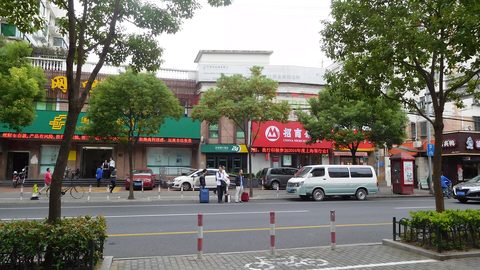 Best Time to Visit Shanghai — Month-by-Month Weather, Crowds, and Closures
Shanghai's best months are April–May and October–November, but each carries a tradeoff. Month-by-month weather, crowd surges, festival timing, and closure periods.
Best Time to Visit Shanghai — Month-by-Month Weather, Crowds, and Closures
Shanghai's best months are April–May and October–November, but each carries a tradeoff. Month-by-month weather, crowd surges, festival timing, and closure periods.
-
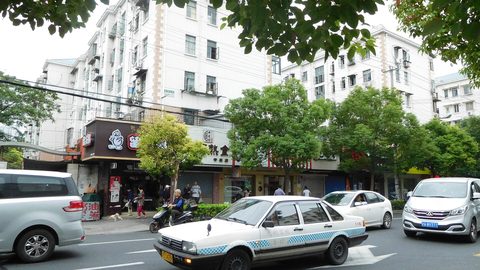 Getting Around Shanghai — Metro Card Tricks, Taxi Traps, and the 11pm Stranding
Shanghai's Metro shuts around 11pm and taxis vanish during shift change. Learn the transport card trick, Alipay QR setup, and how to avoid getting stranded.
Getting Around Shanghai — Metro Card Tricks, Taxi Traps, and the 11pm Stranding
Shanghai's Metro shuts around 11pm and taxis vanish during shift change. Learn the transport card trick, Alipay QR setup, and how to avoid getting stranded.
-
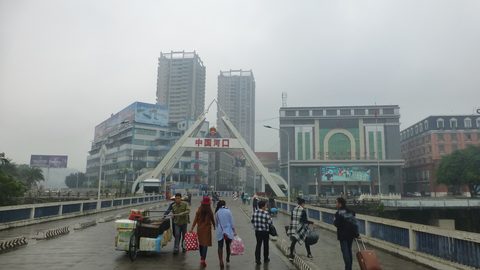 A 3-Day Shanghai Itinerary — Geographically Clustered and Deliberately Incomplete
A 3-day Shanghai itinerary clustered by geography: Bund and Pudong day one, French Concession day two, food crawl and contemporary art day three. Deliberately incomplete.
A 3-Day Shanghai Itinerary — Geographically Clustered and Deliberately Incomplete
A 3-day Shanghai itinerary clustered by geography: Bund and Pudong day one, French Concession day two, food crawl and contemporary art day three. Deliberately incomplete.
-
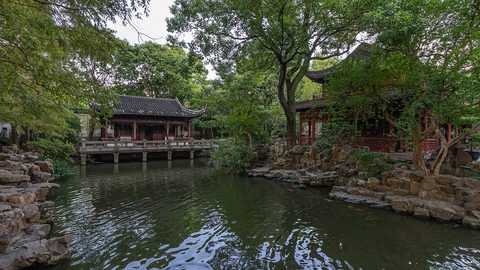 Yu Garden
 is a genuine 16th-century Ming garden behind walls most visitors never enter, trapped in the souvenir bazaar outside. Here is what is inside and how to get there.
Yu Garden
Yu Garden is a genuine 16th-century Ming garden behind walls most visitors never enter, trapped in the souvenir bazaar outside. Here is what is inside and how to get there.
-
 Shanghai Tower
 is 632 metres with the world's fastest lift, but a Jin Mao bar drink, the World Financial Center deck, or the free Pudong riverside walk offer the same skyline for less.
Shanghai Tower
Shanghai Tower is 632 metres with the world's fastest lift, but a Jin Mao bar drink, the World Financial Center deck, or the free Pudong riverside walk offer the same skyline for less.
-
 Shanghai Museum
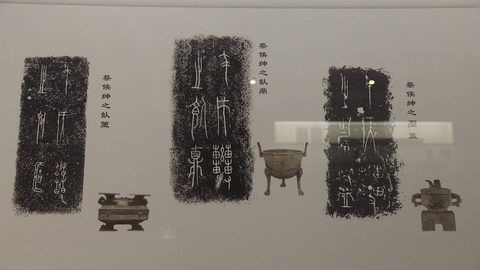
The Shanghai Museum now spans two buildings. Here is exactly which collections live where, and how to book free tickets for both.
Shanghai Museum
The Shanghai Museum now spans two buildings. Here is exactly which collections live where, and how to book free tickets for both.