Walking the Former French Concession Lane by Lane in Sequence
A turn-by-turn walking route through Shanghai's French Concession, with streets named in the order you meet them and lane houses flagged.
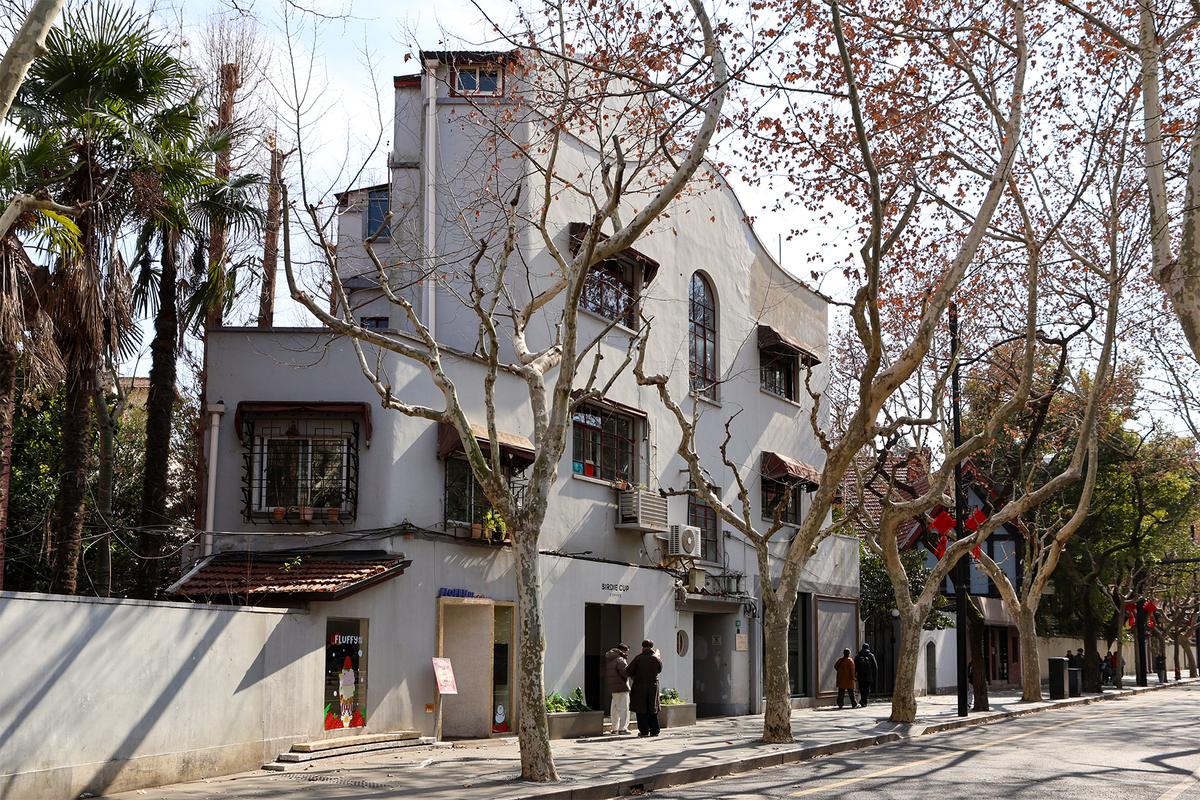

Walking the Former French Concession Lane by Lane in Sequence
Most guides to the French Concession name the great streets but never tell you the order you meet them. You end up zigzagging between Wukang Road and Anfu Road, crossing back over your own path twice, turning a 5 kilometre linear walk into a 10 kilometre Metro commute between boutique clusters. What you actually want is a single sequence: start at one Metro station, walk a chain of plane tree avenues and lane house alleys in geographical order, and end at another station without retracing a step.
This shanghai french concession self guided walking route does exactly that. It is a linear 5.2 kilometre walk from Wukang Mansion to Huaihai Road, designed to hit the best plane tree streets, lane houses, and coffee stops in the order the city laid them out. Walking time without stops is 1 hour 15 minutes. With coffee breaks, lane house detours, and Fuxing Park time, budget 3 to 4 hours. Start at Changshu Road Metro station on Line 1 or 7, walk the short block to Wukang Mansion, and never double back.
Start at Wukang Mansion: the Obvious Entry Point You Should Not Skip
Begin at Wukang Mansion on Huaihai Zhong Lu. This building is the Normandie Apartments, completed in 1924 by architect Laszlo Hudec in French Renaissance style with Art Deco elements. It is the single most photographed building in the concession, and it earns that attention. Arrive by 08:00. The morning light hits the facade from the east, the crowds from tour buses arrive after 09:30, and you have the sidewalk mostly to yourself.
Turn Onto Wukang Road
From the mansion, turn onto Wukang Road itself. This street was Route Ferguson under the French and runs 1.17 kilometres. The plane trees here were planted from 1887 under French municipal council direction. Wukang Road is narrow, curved, and feels like a European avenue that was airlifted into Shanghai and then surrounded by 20 storey towers on the next block. The disorientation is the point.
Fuxing Road Plane Tree Walk: the Canopy That Makes the Concession
After Wukang Road, turn onto Fuxing Xi Lu. This is the plane tree walk that most photographs fail to capture: not a single specimen tree but a continuous tunnel of London plane trees, Platanus acerifolia, that arches over the street completely. The 20,000 plane trees across the former concession were planted from 1887. On Fuxing Xi Lu between Wukang Road and Wulumuqi Road, the canopy is thick enough that the street stays cool even at midday.
Walk the north side of the street. The south side gets more sun, but the north side has better views across the road up into the branches. You will pass the former residence of Tang Shaoyi at Wukang Road No. 40 on the corner. Do not stop for photos at the intersection; the cross traffic is aggressive. Walk 50 metres further into the block and shoot from there.
Detour Through Wulumuqi Market
At Wulumuqi Zhong Lu, turn south. The market section between Wuyuan Lu and Fuxing Xi Lu runs about 300 metres and operates roughly 07:00 to 19:00 daily. This is not a tourist market. It sells fresh produce, cooked food, spices, and household goods to residents. Buy nothing if you have no kitchen, but walk the full length. It is the most uncurated block on the route and the best argument against the idea that the French Concession has been entirely taken over by luxury boutiques.
Wukang Road Shanghai Architecture: Three Buildings Worth the Stop
Return to Wukang Road proper. The architecture on this 1.17 kilometre street deserves specific callouts, not just a general sweep.
Ferguson Lane
Ferguson Lane is a restored lane house compound with retail and coffee. The courtyard inside is worth entering for the view back toward the street through the stone gate. The building fabric is original shikumen, two and three storey brick and wood row houses with stone framed entrance gates, arranged in narrow lanes called longtang. Ferguson Lane is cleaned up but not gut renovated. You can see the original brickwork on the interior lane walls.
Two More Facades Worth Framing
Wukang Road No. 393 was the former World Society building. It is a 1930s apartment block with a striking rounded corner facade. Stand on the opposite sidewalk to frame it against the plane trees. Wukang Road No. 40 is the former residence of Tang Shaoyi, first Premier of the Republic of China. It is not open to the public. Do not linger at the gate; residents in the adjacent buildings find it intrusive. A quick shot of the exterior from the street is acceptable. Move on.
Anfu Road Shanghai Cafes: Where the Coffee Density Peaks
Turn east onto Anfu Road. This street was Route Dupleix under the French, runs 0.86 kilometres, and now holds the highest concentration of specialty coffee shops within the route boundary. The density is unmistakable block by block.
Three coffee stops are worth your time, ranked by reliability and queue length.
RAC Coffee and Manner
RAC Coffee at 322 Anfu Road is the most consistent. The space is narrow, the counter is small, and the espresso is pulled properly. Order a flat white and drink it standing at the window bar. Do not sit; the tables are cramped and the turnover is slow. Manner Coffee has multiple locations on Wukang Road and Anfu Road. Their business model is high volume at low price. A latte runs roughly 15 to 20 yuan, about half what the boutique cafes charge. The quality is good enough that locals queue here instead of the chains. Use Manner for a quick re up, not a sit down break.
Arabica and Two Former Residences
Arabica at 374 Wukang Road inside the Ferguson Lane courtyard is photogenic but overpriced. The courtyard setting is lovely; the coffee is ordinary. If you want the photo, go early before the courtyard fills with people holding their cups at arm's length for Instagram. If you want good coffee, skip it. Anfu Road No. 195 is the former residence of Wu Tongwen. Anfu Road No. 201 is the former residence of Soong Ching Ling from 1949 to 1963. Neither is open to the public. Note them as you walk past and keep moving. The street itself is the attraction.
Yongfu Road Shanghai Lane Houses: the Quietest Residential Lane on the Route
From Anfu Road, turn south onto Yongfu Road. This is a short residential street that most visitors miss because it has no famous cafe or boutique anchor. That is exactly why you should walk it. The lane houses here are original shikumen, built from the 1860s through the 1930s, and they are less aggressively renovated than the stock on Wukang Road.
Shikumen means stone warehouse gate. The typical layout is a front courtyard behind a stone gate, a ground floor living hall called a ketang, a kitchen at the rear, and bedrooms upstairs. The houses are arranged in narrow lanes with shared access. The peak stock of these lanes was approximately 9,000 by 1949. Many have been demolished or gut renovated. The ones on Yongfu Road are fragile but genuine.
Polite viewing method: enter the lane entrance from the main street, walk no deeper than the first cross lane, do not photograph residents or interiors, do not enter private courtyards, and retreat if a resident signals discomfort. This is someone's home. Treat it as such.
Yongfu Road connects to Fuxing Xi Lu at its southern end. Turn west here and walk toward Fuxing Park.

Fuxing Park: Morning Tai Chi and Afternoon Card Games
Fuxing Park, Chinese name Fuxing Gongyuan, former name French Park or Parc de Koukaza, opened in 1909. It covers 8.9 hectares and is the green lung of the concession. The park contains formal French garden beds, a rose garden, and a statue of Marx and Engels that was installed after 1949 and somehow fits the space perfectly.
The best time to visit is 06:00 to 09:00. This is when the morning activity peaks: tai chi groups, card players, ballroom dancers, and songbird walkers all occupy their regular spots. By 10:00 the park is still pleasant but the organised activity has dispersed. If you arrive after 11:00, the park is just a park.
Enter through the north gate on Fuxing Xi Lu. Walk the central alley straight through to the south gate. That axis takes you past the formal gardens and the rose garden. Do not stop at the Marx Engels statue for longer than a glance; the real spectacle is the human activity around it.
Sinan Mansions and Tianzifang: the Two Endgame Options
From Fuxing Park's south gate, walk east 5 minutes to Sinan Mansions on Sinan Lu. This is a compound of 51 garden villas built in the 1920s and 1930s, now operating as a hotel, restaurant, retail, and event space complex. It is manicured, expensive, and useful as a bathroom break and a look at restored villa interiors without the lane house awkwardness.
Sinan Lu No. 73 inside the compound was the Shanghai office of the CPC delegation from 1946 to 1947, used by Zhou Enlai. It is free to enter and small: a museum with period furnishings and delegation history. Worth 15 minutes if the history interests you. Skip it if you are short on time or crowd sensitive.
The Case for Skipping Tianzifang
Continue east to Tianzifang at Lane 210 Taikang Lu. This is the most visited lane house cluster in the city, with approximately 20 interconnected lanes and roughly 400 businesses. An estimated 60 to 70 percent of retail units sell souvenirs. That figure is approximate and changes annually, but the ratio is visible on the ground. The lanes are narrow, the crowd density is high, and the original building fabric is largely hidden behind shop fronts. Compared to Xintiandi, this cluster has older building fabric, narrower lanes, lower rents, and a less curated tenant mix. That sounds good in theory. In practice, it means more souvenir shops and fewer places to sit.
Should you go? If you have never seen a converted shikumen lane and want the maximum density of options in one place, yes, arrive at 09:00 and leave by 10:30. If you have already walked Yongfu Road and Ferguson Lane, you have seen better preserved examples with fewer crowds. Skip the Taikang Lu cluster and spend the time at Sinan Mansions instead.
Huaihai Road and the Sun Yat Sen Former Residence
The route ends at Huaihai Road, the section of Huaihai Zhong Lu between Xizang Nan Lu and Huashan Lu. This was Avenue Joffre under the French, runs 5.5 kilometres in its main section, and is now a department store and international brand corridor. The walk ends here because the Metro stations on Huaihai Road give you easy access back to your hotel without another 20 minute walk.
Before you finish, detour one block south to 7 Xiangshan Lu for the Sun Yat Sen Former Residence. He occupied this house from 1918 to 1924. The entry fee was 20 yuan in 2024 and is revised annually by the site administration. The interior is modest furnished rooms with photographs and personal effects. Worth entry if you have an interest in Republican era history. Skip it if you are tired and want to get to the Metro.
The Zhou Enlai Former Residence at 73 Sinan Lu, which you passed earlier inside Sinan Mansions, is free and smaller. Do not confuse the two. The Sun Yat Sen house costs money and takes 30 minutes. The Zhou Enlai house is free and takes 10 minutes. Budget accordingly.
What This Area is Bad at
A honest caveat about the French Concession, because a guide that likes everything is worth nothing. This area is bad at several things you might expect it to excel at.
It is quiet after 22:00. Most shops and lanes close early, and the residential streets go dark. Do not plan an evening stroll expecting cafe lights and street life. The restaurants on Anfu Road and Wukang Road stop serving dinner by 21:30. The nightlife moved to Jing'an and the Bund long ago.
Accessible public toilets are few and poorly maintained. Carry your own soap and toilet paper, as you should everywhere in Shanghai. The toilet in Fuxing Park near the north gate is the best option on the route. The ones in Tianzifang are crowded and dirty.
Original shikumen preservation is fragile. Many lanes have been demolished or gut renovated. The lane houses you see on Yongfu Road are among the most intact, but even they are under pressure from redevelopment. The Shanghai government does not prioritise conservation of this housing stock the way cities in Europe do. What you see now may not be here in a decade.
Crowd free Tianzifang does not exist. It is permanently congested after 10:00. If you go, manage your expectations. The experience is not a peaceful lane house stroll; it is a shopping arcade in a historical shell.
Authentic local shopping on Anfu Road is largely gone. The street is now dominated by high end boutiques and chains. The market on Wulumuqi Zhong Lu is the exception, but it is a single block, not a district. If you want cheap local goods, walk the market. Do not shop on Anfu Road expecting bargains or discovery.
Read next
-
 Shanghai Hotels by Property Type and Price Band — Bund Palaces to Lane-House Stays
Shanghai hotels sorted by property type and price band: Bund river-view icons, French Concession lane-house boutiques, Pudong towers, and budget-smart Metro-side picks.
Shanghai Hotels by Property Type and Price Band — Bund Palaces to Lane-House Stays
Shanghai hotels sorted by property type and price band: Bund river-view icons, French Concession lane-house boutiques, Pudong towers, and budget-smart Metro-side picks.
-
Where to Stay in Shanghai — Choosing Your Base Across 10 Districts
Choosing where to stay in Shanghai shapes everything. Compare the French Concession, Bund, Jing'an, and Pudong across atmosphere, walkability, and after-dark personality.
-
 Flying to Shanghai Pudong and Hongqiao Airports Without the Arrival Chaos
Compare Shanghai Pudong and Hongqiao airports on arrival logistics: Maglev steps, Metro Line 10 timing, taxi costs, and which airport wastes less of your first day.
Flying to Shanghai Pudong and Hongqiao Airports Without the Arrival Chaos
Compare Shanghai Pudong and Hongqiao airports on arrival logistics: Maglev steps, Metro Line 10 timing, taxi costs, and which airport wastes less of your first day.
-
 Things to Do in Shanghai — Ranked Sights and What to Skip With Only Days
Shanghai sights ranked and argued: the Bund at blue hour, Shanghai Tower versus Oriental Pearl, Yu Garden's tradeoffs, and what to skip when days are short.
Things to Do in Shanghai — Ranked Sights and What to Skip With Only Days
Shanghai sights ranked and argued: the Bund at blue hour, Shanghai Tower versus Oriental Pearl, Yu Garden's tradeoffs, and what to skip when days are short.
-
 Best Time to Visit Shanghai — Month-by-Month Weather, Crowds, and Closures
Shanghai's best months are April–May and October–November, but each carries a tradeoff. Month-by-month weather, crowd surges, festival timing, and closure periods.
Best Time to Visit Shanghai — Month-by-Month Weather, Crowds, and Closures
Shanghai's best months are April–May and October–November, but each carries a tradeoff. Month-by-month weather, crowd surges, festival timing, and closure periods.
-
 Getting Around Shanghai — Metro Card Tricks, Taxi Traps, and the 11pm Stranding
Shanghai's Metro shuts around 11pm and taxis vanish during shift change. Learn the transport card trick, Alipay QR setup, and how to avoid getting stranded.
Getting Around Shanghai — Metro Card Tricks, Taxi Traps, and the 11pm Stranding
Shanghai's Metro shuts around 11pm and taxis vanish during shift change. Learn the transport card trick, Alipay QR setup, and how to avoid getting stranded.
-
 Yu Garden
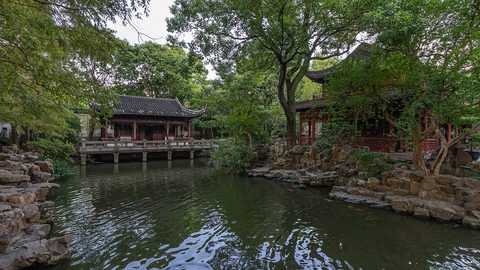
 is a genuine 16th-century Ming garden behind walls most visitors never enter, trapped in the souvenir bazaar outside. Here is what is inside and how to get there.
Yu Garden
Yu Garden is a genuine 16th-century Ming garden behind walls most visitors never enter, trapped in the souvenir bazaar outside. Here is what is inside and how to get there.
-
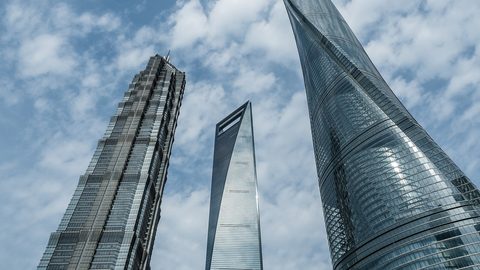 Shanghai Tower
 is 632 metres with the world's fastest lift, but a Jin Mao bar drink, the World Financial Center deck, or the free Pudong riverside walk offer the same skyline for less.
Shanghai Tower
Shanghai Tower is 632 metres with the world's fastest lift, but a Jin Mao bar drink, the World Financial Center deck, or the free Pudong riverside walk offer the same skyline for less.
-
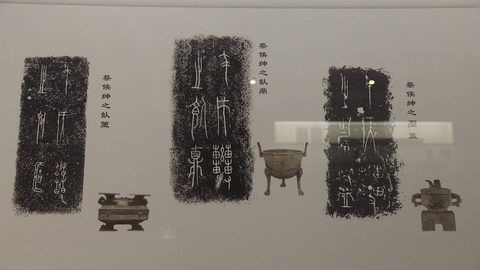 Shanghai Museum
The Shanghai Museum now spans two buildings. Here is exactly which collections live where, and how to book free tickets for both.
Shanghai Museum
The Shanghai Museum now spans two buildings. Here is exactly which collections live where, and how to book free tickets for both.