Which Part of Shanghai Should You Actually Sleep In?
Choosing where to stay in Shanghai shapes everything. Compare the French Concession, Bund, Jing'an, and Pudong across atmosphere, walkability, and after-dark personality.
Which Part of Shanghai Should You Actually Sleep In?
The mistake most visitors make is treating Shanghai like a single destination when it is a dozen distinct cities stitched together by metro lines. A room on the Bund puts you in postcard territory but the street life dies before your final drink arrives. A hotel in Pudong gives you a view from the window but leaves you commuting twenty minutes just to find dinner. The question of where to stay in Shanghai is really a question of which character you want to return to at the end of each day, not which landmark sits closest to the lobby. This district guide for accommodation walks each neighbourhood from daytime personality through to what happens after dark, so you pick a base that fits your rhythm, not the guidebook map.
The Puxi vs Pudong Decision That Shapes Your Trip
For a first visit, base yourself west of the Huangpu River. Puxi holds the majority of historic sites, the street-food density that makes Shanghai edible, the walkable neighbourhoods where the city slows down, and the metro interchanges that get you anywhere without a taxi. Pudong functions primarily as a business district and viewing platform for the towers across the river. Sleeping there means you see the city through a cab window on the way to every meal. The exception is business travellers with meetings in Lujiazui or visitors who want to wake up to the Bund panorama from floor 50. Everyone else belongs in Puxi.
The Bund and East Nanjing Road, Postcard Territory with a Curfew
This strip delivers exactly what the postcard promised: colonial-era waterfront on the west bank, the Pudong towers lit up across the river, and a dense pedestrian shopping strip that stays crowded until late. First-time visitors who prioritise the classic river panorama will not find a better base. River cruises depart from the piers here. The energy is high and the crowds are constant.
The downside hits after 22:00. The office workers leave. The street vendors thin out. By 23:00 the Bund feels dead, and the last metro trains run around 22:30 to 23:00 depending on the line, stranding anyone who assumed 24-hour service. If you want late-night street eats or bars that stay open past midnight, you are taking a taxi back to the French Concession.
Hotels here sit in the mid-range bracket at roughly CNY 700 to 1,200 per night, with luxury properties running CNY 2,000 to 4,500. Verify current rates against the hotel booking platform in force for the year you travel, published figures shift annually. Pay attention to what "river view" means in the listing. A sliver of Huangpu visible between two buildings is not the same as a full panorama of Pudong. The true full-river-and-tower view commands the highest rate category and should be confirmed by window orientation and floor height before you book.
Metro access comes from Lines 2 and 10 at East Nanjing Road.
Former French Concession vs Jing’An Stay, Walkability vs Polish
This is the real choice for repeat visitors and anyone who values pedestrian-scale streets over monument-hopping. The French Concession, bounded by Zhaojiabang Road south, Huashan Road west, and Yan'an Elevated Road north, runs on plane-tree canopies, 1920s lane houses known as lilong, and low-rise streetscapes that make walking feel like the main activity. After dark the neighbourhood shifts to quiet courtyard bars and kitchen-table restaurants tucked behind unmarked doors. It suits walkers, café users, boutique shoppers, and travellers who want to feel the city's soul rather than photograph its shell.
Mid-range hotels land at CNY 600 to 1,100 per night. Boutique properties in restored lane houses run CNY 1,200 to 2,200. Five metro lines serve the area, 1, 7, 10, 12, and 13, with key interchanges at South Shaanxi Road and Changshu Road.
Jing'an: The Pragmatic Middle Ground
Jing'an, centered on Jing'an Temple, extends north to Suzhou Creek and west to the Inner Ring Road. It offers a central base with fewer crowds than East Nanjing Road, good metro access at the intersection of Lines 2, 7, and 14, and a balance of price and quiet. After dark Jing'an feels polished and corporate. The streets are clean, the crowds are thin, and the nightlife options are sparse unless you walk toward the French Concession. Mid-range hotels run CNY 550 to 1,000 per night; luxury properties cost CNY 1,500 to 2,800. Travellers who want a solid central hub without the Bund's tourist crush or the French Concession's price premium will find Jing'an the pragmatic middle ground.
How to Choose Between Them
Choose the French Concession if your trip is about walking, eating, and drinking at street level. Choose Jing'an if you need a quiet room with efficient metro access and plan to spend most of your day elsewhere.
Bund vs Pudong Hotel Location, View Versus Life
This comparison comes down to what you want from your window versus what you want from your doorstep. A Bund hotel puts you on the west bank with colonial architecture outside your door and the Pudong towers across the river. The street life is dense until late evening, then it drops off sharply. A Pudong hotel, specifically in Lujiazui, puts you inside the high-rise cluster. The view from the room looks west toward the Bund, but the ground-level experience is a business district of mega-malls and corporate towers that empties after the workday ends.
Pudong suits business travellers with meetings in Lujiazui or Zhangjiang, and visitors who prioritise top-floor views from the room above everything else. The metro runs Line 2 from Lujiazui and Lines 4, 6, 9, and 14 serve the district. Mid-range hotels cost CNY 600 to 1,100 per night; luxury properties run CNY 1,800 to 3,500. Note that a "river view" from Pudong looks west to the Bund. East-facing rooms show the expanding Pudong towers, not the historic waterfront. Verify your room's window orientation before paying the premium.
If you plan to spend your evenings eating street food and walking through lane houses, stay on the Bund side. If you want to wake up to the river panorama and do not mind a Metro commute to every meal, stay in Pudong.
Shanghai Neighbourhood Base for First-Timers, the Three Best Bets
First-time visitors should narrow the choice to three districts, each suited to a different travel style.
People's Square for Maximum Transport Access
People's Square sits at the geographic centre of the city grid with immediate adjacency to the Shanghai Museum, the Grand Theatre, and three major metro interchanges on Lines 1, 2, and 8. Mid-range hotels run CNY 500 to 900 per night; luxury properties cost CNY 1,200 to 2,500. This is the right base for short-stay visitors who want walkable access to East Nanjing Road, the Bund, and Xintiandi without needing a taxi. The trade-off: the immediate area lacks character. You sleep near the transport hub and walk out to the interesting parts each morning.
Xintiandi for a Polished, English-Friendly Bubble
Xintiandi is a polished entertainment and dining enclave built from refurbished shikumen houses, bordered by Huaihai Road to the north and Fuxing Park to the south. It suits luxury shoppers, fine-dining seekers, and visitors who want a manicured, English-friendly base. After dark the area stays active, restaurant patios and cocktail bars keep the streets busy past midnight. Mid-range hotels run CNY 900 to 1,500 per night; luxury properties cost CNY 2,500 to 5,000 or more. Metro access comes from Lines 10 and 13 at Xintiandi and Line 1 at South Huangpi Road. The downside: you pay for the polish. The area feels curated, not lived-in. If you want gritty street food and unmarked noodle shops, this is not your base.
The French Concession for Depth
For the traveller who wants to feel Shanghai rather than skim it, the French Concession remains the best first-time base. The plane-tree mornings, the lane-house courtyards, the walkable cafés, these are the textures that make Shanghai different from every other Chinese city. The trade-off is price and distance: mid-range and boutique hotels cost more than Jing'an or People's Square equivalents, and you will metro to the Bund and Pudong rather than walking. If you are willing to trade convenience for character, this is where you sleep.
Hongkou and the North Bund, Value with a History Lesson
The strip along the Huangpu north of Suzhou Creek offers a river-adjacent location at a discount to the Bund. The North Bund waterfront promenade is quieter, the 1933 Old Millfun district, a concrete slaughterhouse turned creative space, is worth an afternoon, and the early-20th-century Jewish refugee history centred on Tilanqiao gives the area weight. After dark the North Bund is quiet. You are trading nightlife for a cheaper room with a river view.
Mid-range hotels run CNY 400 to 800 per night; luxury properties cost CNY 1,200 to 2,000. Metro access comes from Line 12 at International Cruise Terminal or Tilanqiao, and Line 4 at Linping Road. This is the right base for value-seekers and history travellers, not for anyone who wants to walk out the door into a busy street scene.
The Three Room Factors That Ruin a Shanghai Hotel Stay
Three details matter more than the district when booking a Shanghai hotel. Ignoring any of them can turn a good neighbourhood into a bad night.
Metro line and exit proximity. A hotel listed as "near Jing'an Temple" may be a 15-minute walk from the station if the wrong exit is used. Check the specific metro exit and walk time on a map before booking. The difference between a two-minute walk and a twelve-minute walk determines whether you take the metro or a taxi.
Floor height. Low floors below the 8th in high-density areas pick up street noise and honking. High floors above the 20th reduce sound significantly but may involve elevator queues during peak hours from 08:00 to 09:00 and 18:00 to 19:00. If quiet matters, book above the 20th floor and budget extra time for the lift wait.
River view verification. An unqualified "river view" can mean a partial sightline of the Huangpu or Suzhou Creek. Verify the window orientation and floor height before paying a premium. A room that claims a river view but faces east in Pudong will show you the Pudong towers, not the Bund.
Practical Friction, What Works and What Trips You Up
The metro is dominant. Eighteen lines, English signage, fares from CNY 3. You need a Shanghai Public Transportation Card or Alipay's transport QR code. Single-journey tickets exist but queue at the machines, which costs time. The tripwire is the 22:30 to 23:00 shutdown, varying by line. If you plan to stay out late, know the last train from your stop or budget for a taxi.
Cashlessness traps visitors who arrive without Alipay or WeChat Pay set up. Many vendors refuse cash entirely. Set up payment before departure. Metro security checks at every stop add five minutes per entry during rush hour. Taxi drivers rarely speak English. Have every destination written in Chinese characters. Hailing a taxi on the street during rain or shift change from 16:00 to 18:00 is near impossible, use the ride-hailing app on your phone, which requires a Chinese SIM or eSIM with a number. Public toilets frequently lack soap and toilet paper. Carry both. Sidewalk traffic is a contact sport: e-bikes and scooters use pedestrian paths silently and at speed. Look both ways even on a one-way street.
The Great Firewall blocks Google, WhatsApp, Instagram, Facebook, and X. Install and test a VPN before departure. Free public Wi-Fi requires a Chinese phone number for SMS verification. A local SIM or eSIM with a Chinese number unlocks app-based services; without it, ride-hailing and some museum bookings become difficult.
Who Shanghai Fits and Who Should Look Elsewhere
Shanghai fits first-time China visitors wanting a soft landing with English support and modern infrastructure. It suits architecture and skyline photographers, food-focused travellers who chase street-level eats over fine dining, luxury shoppers, contemporary art fans, and business travellers with a free day who want efficient, high-impact sightseeing.
It does not suit travellers seeking old-world, walkable towns with little English support. Shanghai's historic pockets are fragments, not whole districts. Skip it if you want immersion in classical Chinese gardens and imperial history, Suzhou and Beijing deliver that far better.
Common Questions
Should I stay in Puxi or Pudong as a first-time visitor?
Stay in Puxi. The majority of historic sites, street-food density, walkable neighbourhoods, and metro interchanges lie west of the Huangpu River. Pudong functions primarily as a business district and viewing platform for the towers across the river, not a base for exploration.
Which district has the best nightlife for hotel guests?
The French Concession and Xintiandi stay active past midnight with courtyard bars, cocktail lounges, and restaurant patios. The Bund and East Nanjing Road die after 22:00. Pudong and Jing'an are quiet after dark.
How many days do I need in Shanghai to see the main districts?
Three full days: one for the Bund and Pudong, one for the French Concession and lane houses, one for a deep food crawl plus a contemporary art or water-town half-day.
What months should I avoid for a Shanghai trip?
Avoid Chinese New Year when the city empties and many independent eateries close. Also avoid July and August unless you tolerate 35-degree heat with 80 percent humidity and sudden typhoon downpours.
Do I need a VPN to use my phone in Shanghai?
Yes. The Great Firewall blocks Google, WhatsApp, Instagram, Facebook, and X. Install and test a VPN before departure. A local SIM or eSIM with a Chinese number also unlocks ride-hailing and museum booking apps.
Read next
-
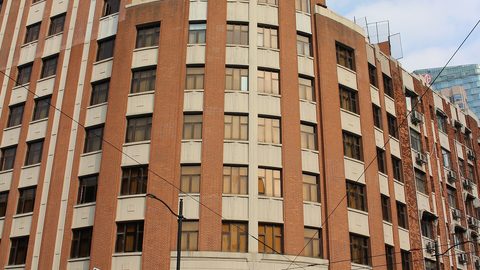
 Shanghai Hotels by Property Type and Price Band — Bund Palaces to Lane-House Stays
Shanghai hotels sorted by property type and price band: Bund river-view icons, French Concession lane-house boutiques, Pudong towers, and budget-smart Metro-side picks.
Shanghai Hotels by Property Type and Price Band — Bund Palaces to Lane-House Stays
Shanghai hotels sorted by property type and price band: Bund river-view icons, French Concession lane-house boutiques, Pudong towers, and budget-smart Metro-side picks.
-
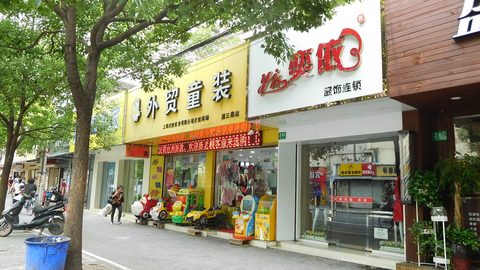 Flying to Shanghai Pudong and Hongqiao Airports Without the Arrival Chaos
Compare Shanghai Pudong and Hongqiao airports on arrival logistics: Maglev steps, Metro Line 10 timing, taxi costs, and which airport wastes less of your first day.
Flying to Shanghai Pudong and Hongqiao Airports Without the Arrival Chaos
Compare Shanghai Pudong and Hongqiao airports on arrival logistics: Maglev steps, Metro Line 10 timing, taxi costs, and which airport wastes less of your first day.
-
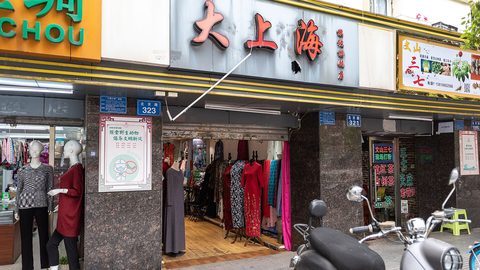 Things to Do in Shanghai — Ranked Sights and What to Skip With Only Days
Shanghai sights ranked and argued: the Bund at blue hour, Shanghai Tower versus Oriental Pearl, Yu Garden's tradeoffs, and what to skip when days are short.
Things to Do in Shanghai — Ranked Sights and What to Skip With Only Days
Shanghai sights ranked and argued: the Bund at blue hour, Shanghai Tower versus Oriental Pearl, Yu Garden's tradeoffs, and what to skip when days are short.
-
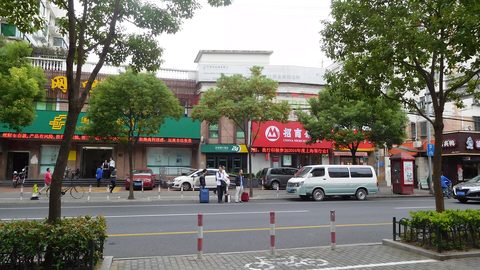 Best Time to Visit Shanghai — Month-by-Month Weather, Crowds, and Closures
Shanghai's best months are April–May and October–November, but each carries a tradeoff. Month-by-month weather, crowd surges, festival timing, and closure periods.
Best Time to Visit Shanghai — Month-by-Month Weather, Crowds, and Closures
Shanghai's best months are April–May and October–November, but each carries a tradeoff. Month-by-month weather, crowd surges, festival timing, and closure periods.
-
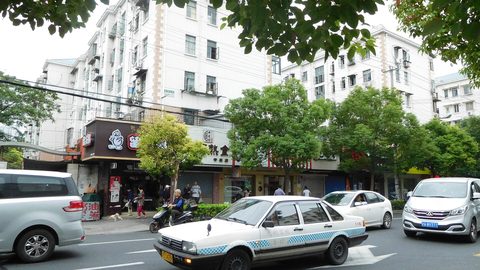 Getting Around Shanghai — Metro Card Tricks, Taxi Traps, and the 11pm Stranding
Shanghai's Metro shuts around 11pm and taxis vanish during shift change. Learn the transport card trick, Alipay QR setup, and how to avoid getting stranded.
Getting Around Shanghai — Metro Card Tricks, Taxi Traps, and the 11pm Stranding
Shanghai's Metro shuts around 11pm and taxis vanish during shift change. Learn the transport card trick, Alipay QR setup, and how to avoid getting stranded.
-
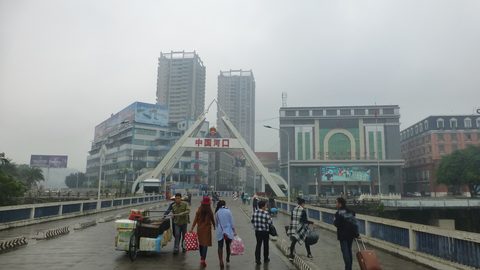 A 3-Day Shanghai Itinerary — Geographically Clustered and Deliberately Incomplete
A 3-day Shanghai itinerary clustered by geography: Bund and Pudong day one, French Concession day two, food crawl and contemporary art day three. Deliberately incomplete.
A 3-Day Shanghai Itinerary — Geographically Clustered and Deliberately Incomplete
A 3-day Shanghai itinerary clustered by geography: Bund and Pudong day one, French Concession day two, food crawl and contemporary art day three. Deliberately incomplete.
-
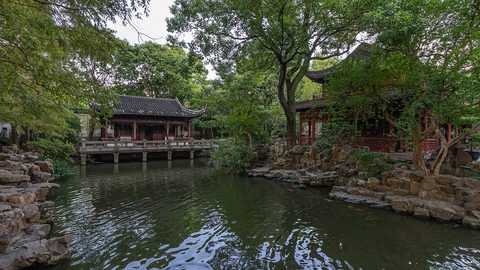 Yu Garden
 is a genuine 16th-century Ming garden behind walls most visitors never enter, trapped in the souvenir bazaar outside. Here is what is inside and how to get there.
Yu Garden
Yu Garden is a genuine 16th-century Ming garden behind walls most visitors never enter, trapped in the souvenir bazaar outside. Here is what is inside and how to get there.
-
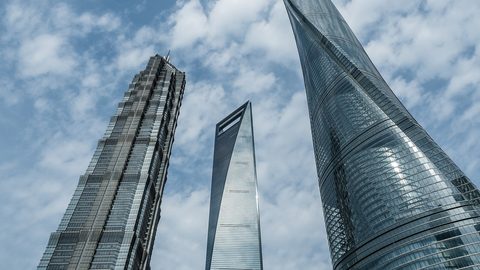 Shanghai Tower
 is 632 metres with the world's fastest lift, but a Jin Mao bar drink, the World Financial Center deck, or the free Pudong riverside walk offer the same skyline for less.
Shanghai Tower
Shanghai Tower is 632 metres with the world's fastest lift, but a Jin Mao bar drink, the World Financial Center deck, or the free Pudong riverside walk offer the same skyline for less.
-
 Shanghai Museum
The Shanghai Museum now spans two buildings. Here is exactly which collections live where, and how to book free tickets for both.
Shanghai Museum
The Shanghai Museum now spans two buildings. Here is exactly which collections live where, and how to book free tickets for both.