What to Eat in Shanghai and Where to Find It at Street Level
Shanghai eating at street level: shengjianbao at Da Hu Chun, Shouning Road crawfish, scallion oil noodles, and the September–October hairy crab window.
Eating in Shanghai, Street-Level Dishes, Night Strips, and the Hairy Crab Window
At 06:30 on Shouning Road, the first crawfish delivery trucks back into the kerb. The men who will boil ten thousand of them by midnight start filling fifty-litre drums with water. That is the real Shanghai food scene. It is not on the Bund. It is behind unmarked doors, on upper-floor walk-ups, and on strips of pavement that look like construction sites until the plastic stools come out. What follows is a street-level food crawl blueprint: which dish, which vendor, which street, what time of day, what season, and what it costs. No fine dining. No tasting menus. Just the dishes that define eating in this city.
The Shengjianbao That Justifies a Queue Before 08:00
The Bun That Demands an Early Start
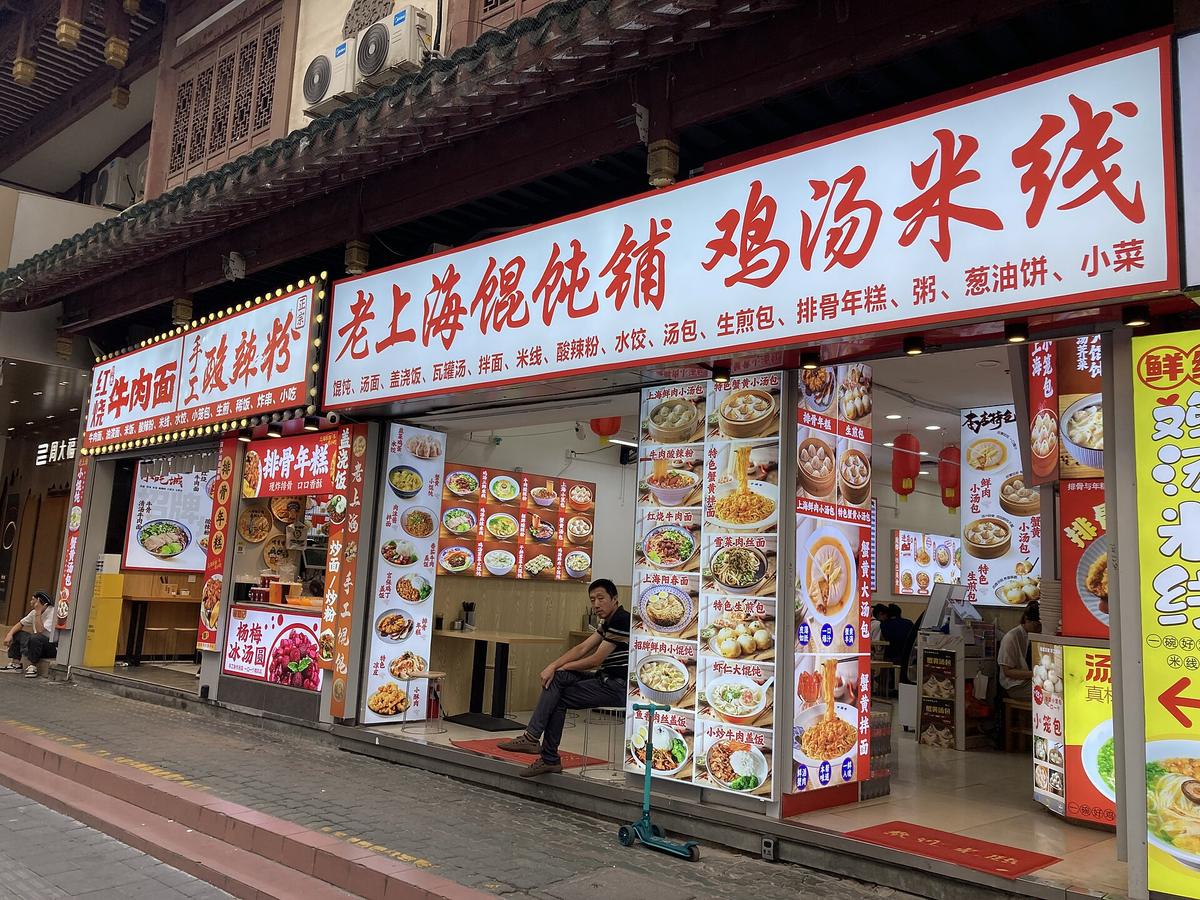
Start with shengjianbao at Da Hu Chun on Huanghe Road. These are pan-fried pork buns with a semi-leavened wrapper, sealed pleat-side down, then fried in oil and water until the base is crisp and the top is soft. Inside is pork mince with gelatinised broth that turns to scalding liquid on the first bite. A portion of four costs 8 to 15 CNY. Queue before 08:00. The filling sometimes includes shrimp or crab, but the standard pork version is the benchmark.
How to Spot the Real Thing
The wrapper matters as much as the broth. Good xiaolongbao, the steamed cousin from Nanxiang, Jiading district (first made in 1871), has 14 to 18 pleats, thin enough to see the filling through the skin but strong enough to hold soup. Fewer than ten pleats with a thick doughy wrapper and no soup inside means tourist product. Skip it. For shengjianbao, the semi-leavened wrapper is the key. It absorbs the pan juices without going soggy.
Scallion Oil Noodles, Breakfast Warriors, and Wet Markets
The 10 CNY Breakfast That Punches Above Its Weight
Congyou banmian, or scallion oil noodles, is a 10 to 15 CNY breakfast staple at hole-in-the-wall shops. The scallions are fried for 20 to 30 minutes in oil until dark brown and crisp, then tossed with fresh wheat noodles, dark soy sauce, light soy sauce, and sugar. The result is glossy, savoury, and slightly sweet. Find it at any wet-market lane dining shop. The wet-market lane dining price range per person runs 10 to 40 CNY across the whole meal, not just the noodles.
The Four Warriors and the 09:00 Deadline
It sits alongside Shanghai's breakfast 'four warriors': youtiao (fried dough stick, 20 to 30 cm long), doujiang (soy milk, either savoury with dried shrimp and pickled mustard, or sweet with sugar), cifantuan (glutinous rice roll stuffed with youtiao, pickled mustard, pork floss, and sometimes salted duck egg yolk), and dabing (sesame-topped flatbread, 25 to 30 cm diameter, baked in a clay oven). Pick a shop with a queue of locals. The failure case: if you arrive after 09:00, the best shops have sold out of cifantuan and youtiao. Move to any shop still frying, or accept a cold version.
Shanghainese Home Cooking and Benbang Classics
The Sweet-Savoury Soul of Benbang
Shanghai's home-style cooking, called benbang cuisine, uses more soy sauce and sugar than other Chinese regional cuisines. The result is dark, glossy, sweet-savoury dishes. Three to chase at mid-range restaurants (150 to 400 CNY per person) or old state-run restaurants (80 to 200 CNY per person). Lao Zheng Xing on Fuzhou Road, established 1862, and Wang Bao He, established 1744, are the state-run anchors. Jesse Restaurant (Jishi) on Tianping Road and Fu 1088 on Yuyuan Road, set in a 1920s mansion, sit in the mid-range bracket.
- Hongshao rou: pork belly braised 60 to 90 minutes with dark soy sauce, light soy sauce, rock sugar, Shaoxing wine, star anise, and ginger. Order it with rice. The sauce should coat the spoon.
- Shanghai-style smoked fish (xun yu): served cold, sweet-savoury, as an appetiser. Not actually smoked. The fish is marinated then fried and glazed. Look for it at any old state-run restaurant.
- Drunken chicken (zui ji): poached chicken marinated 12 to 24 hours in Shaoxing wine and Chinese medicinal herbs, served cold. The wine must taste present but not aggressive.
| Dish | Best Vendor or Zone | Time of Day or Year | Cost |
|---|---|---|---|
| Shengjianbao | Da Hu Chun, Huanghe Road | 06:30 09:00 | 8 15 CNY per 4 |
| Scallion Oil Noodles | Hole-in-the-wall, wet market lanes | 07:00 10:00 | 10 15 CNY |
| Spicy Crawfish | Shouning Road strip | Summer evenings, May September | Varies by weight, 50 150 CNY per jin |
| Hairy Crab | Wang Bao He or Yangcheng Lake vendor window | Late September to late November, peak October | 200 800 CNY per crab, annual pricing, check 2026 rates with vendor |
| Laodafang Pork Mooncake | Nanjing Road branch | All day, year-round queue | 8 15 CNY each |
The Summer Obsession: Spicy Crawfish on Shouning Road
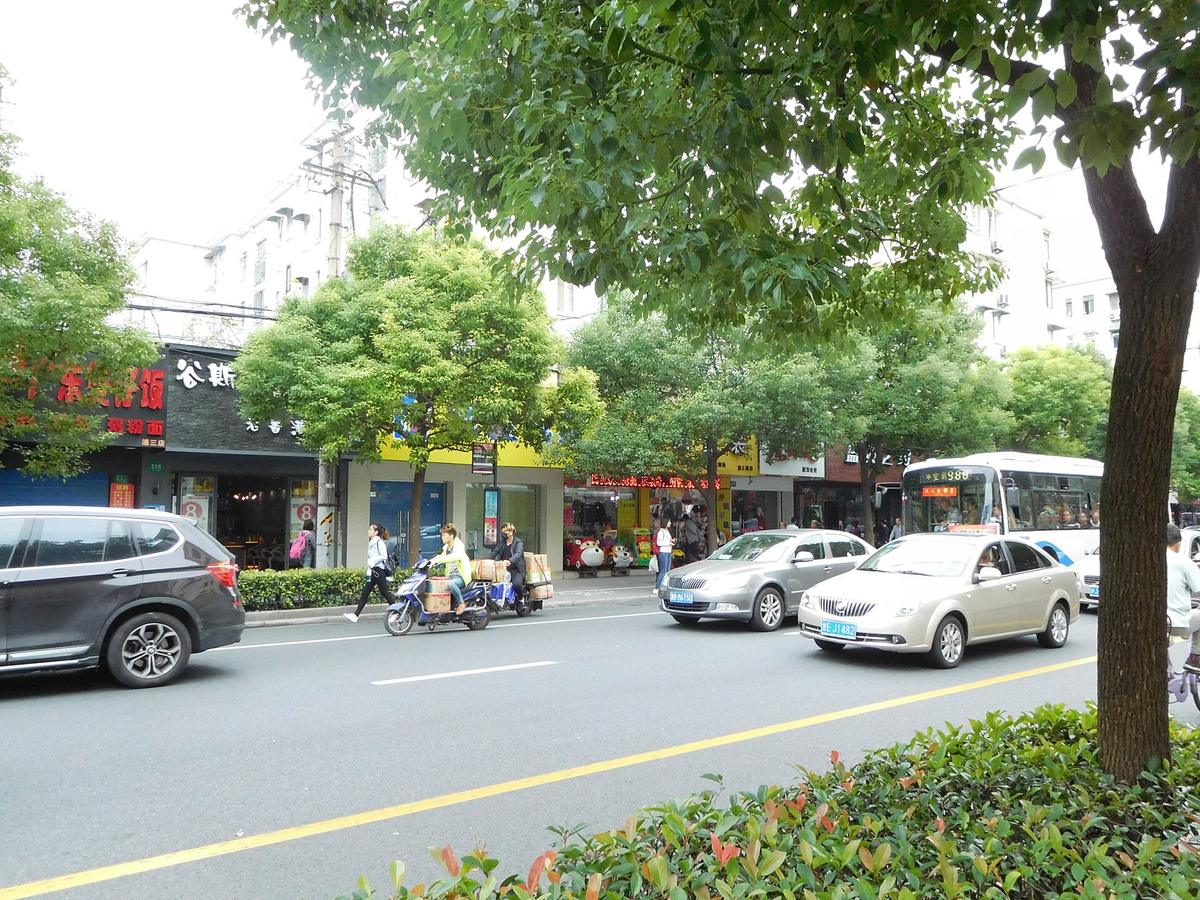
From May to September, Shouning Road in the Putuo district transforms into an outdoor crawfish kitchen. Xiaolongxia, or spicy crawfish, is a summer-only street feast. Vendors boil, stir-fry, and steam the crustaceans by the kilo. The standard order is one jin (500 grams) per person. Expect to pay 50 to 150 CNY per jin depending on size and preparation. The street is open from late afternoon to past midnight. Bring your own napkins and wet wipes. The failure case: Shouning Road is dead by October. If you arrive in autumn, skip it and head to the hairy crab windows instead.


The Seasonal Obsession: Hairy Crab Season
The Ritual and the Price
From late September to late November, peaking in October, Shanghai enters hairy crab season. The crab, called dazhaxie, comes from Yangcheng Lake in Jiangsu province and Tai Lake. The roe (in females) and flesh (in males) are eaten with vinegar and ginger. The ritual matters: crack the legs first, then open the body, discard the gills and stomach, eat the roe or flesh, dip in the vinegar-ginger mix.
Prices: a 200-gram Yangcheng Lake origin crab costs 200 to 500 CNY depending on grade and vendor at a market window, and 300 to 800 CNY in a restaurant. These are annual figures. The 2024 rates were in that range, but check 2026 pricing with the vendor before ordering. Wang Bao He on Fuzhou Road, specialising in crab since 1744, is the safest state-run bet. The failure case: buy from a window that cannot show you the crab alive. Dead crab is unsafe. Walk away.
How to Navigate the Street Food Scene Without Getting Stuck
Payment: QR Codes Rule the Street
QR code ordering is dominant in 90% of restaurants from mid-range down. The menu is usually Chinese-only, sometimes with an English toggle. Payment is through Alipay or WeChat Pay. Cash is rarely accepted. International credit cards only work at high-end and international venues. Set up Alipay or WeChat Pay before you arrive. The failure case: a vendor refuses your cash and your phone cannot pay. Carry a backup Chinese phone number on a local SIM or eSIM to keep app-based services running.
Getting Around After Dark
Taxi drivers in Shanghai rarely speak English. Have every destination written in Chinese characters. During rain or shift change (16:00 to 18:00), hailing on the street is near impossible. Use the Metro instead. It dominates with 18 lines, English signage, and fares from 3 CNY. Buy a Shanghai Public Transportation Card or use Alipay's transport QR code. Single-journey tickets exist but the queue at the machine costs you time. The trap: Metro operations stop around 22:30 to 23:00, and last-train timing varies by line. If you are eating late on Shouning Road, you walk or pay the surge on a ride-hailing app.
Survival Basics
Public toilets in wet-market lanes and on Shouning Road frequently lack soap and toilet paper. Carry both. Sidewalk traffic includes e-bikes and scooters that use pedestrian paths silently and at speed. Look both ways even on the pavement.
Common Questions
What is the best time of year for street food in Shanghai?
April to May and October to November. Clear skies, 15 to 25°C, manageable humidity. October is peak hairy crab season. Avoid July and August: 35°C heat, 80% humidity, typhoon downpours. Chinese New Year empties the city and closes independent eateries.
Where do I find the best shengjianbao?
Da Hu Chun on Huanghe Road. Arrive before 08:00. A portion of four costs 8 to 15 CNY. The semi-leavened wrapper has a crisp base and a soft top, filled with pork mince and scalding broth. Skip any shop with fewer than ten pleats on the bun.
Is Shouning Road the only place for spicy crawfish?
It is the most concentrated strip. From May to September, outdoor vendors line the street. Expect 50 to 150 CNY per jin (500 grams). The road is dead by October. In autumn, skip crawfish entirely and go to Wang Bao He for hairy crab instead.
How do I pay for street food if I do not have Alipay or WeChat Pay?
Most vendors refuse cash. You need Alipay or WeChat Pay set up before arrival. International credit cards only work at high-end venues. Set up a Chinese phone number on a local SIM or eSIM to access these payment apps.
Read next
-
 Shanghai Hotels by Property Type and Price Band — Bund Palaces to Lane-House Stays
Shanghai hotels sorted by property type and price band: Bund river-view icons, French Concession lane-house boutiques, Pudong towers, and budget-smart Metro-side picks.
Shanghai Hotels by Property Type and Price Band — Bund Palaces to Lane-House Stays
Shanghai hotels sorted by property type and price band: Bund river-view icons, French Concession lane-house boutiques, Pudong towers, and budget-smart Metro-side picks.
-
Where to Stay in Shanghai — Choosing Your Base Across 10 Districts
Choosing where to stay in Shanghai shapes everything. Compare the French Concession, Bund, Jing'an, and Pudong across atmosphere, walkability, and after-dark personality.
-
 Flying to Shanghai Pudong and Hongqiao Airports Without the Arrival Chaos
Compare Shanghai Pudong and Hongqiao airports on arrival logistics: Maglev steps, Metro Line 10 timing, taxi costs, and which airport wastes less of your first day.
Flying to Shanghai Pudong and Hongqiao Airports Without the Arrival Chaos
Compare Shanghai Pudong and Hongqiao airports on arrival logistics: Maglev steps, Metro Line 10 timing, taxi costs, and which airport wastes less of your first day.
-
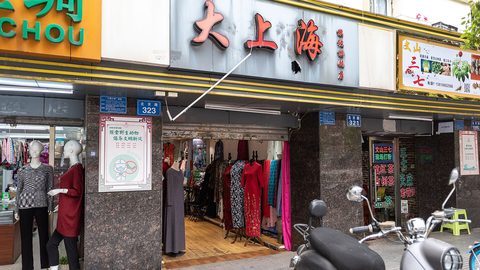 Things to Do in Shanghai — Ranked Sights and What to Skip With Only Days
Shanghai sights ranked and argued: the Bund at blue hour, Shanghai Tower versus Oriental Pearl, Yu Garden's tradeoffs, and what to skip when days are short.
Things to Do in Shanghai — Ranked Sights and What to Skip With Only Days
Shanghai sights ranked and argued: the Bund at blue hour, Shanghai Tower versus Oriental Pearl, Yu Garden's tradeoffs, and what to skip when days are short.
-
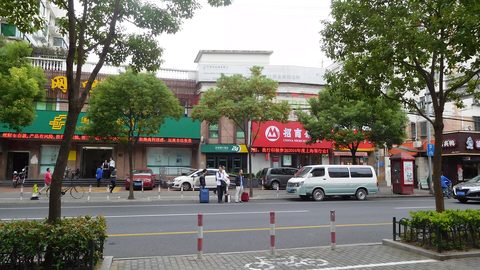 Best Time to Visit Shanghai — Month-by-Month Weather, Crowds, and Closures
Shanghai's best months are April–May and October–November, but each carries a tradeoff. Month-by-month weather, crowd surges, festival timing, and closure periods.
Best Time to Visit Shanghai — Month-by-Month Weather, Crowds, and Closures
Shanghai's best months are April–May and October–November, but each carries a tradeoff. Month-by-month weather, crowd surges, festival timing, and closure periods.
-
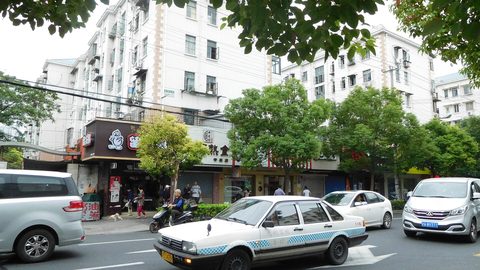 Getting Around Shanghai — Metro Card Tricks, Taxi Traps, and the 11pm Stranding
Shanghai's Metro shuts around 11pm and taxis vanish during shift change. Learn the transport card trick, Alipay QR setup, and how to avoid getting stranded.
Getting Around Shanghai — Metro Card Tricks, Taxi Traps, and the 11pm Stranding
Shanghai's Metro shuts around 11pm and taxis vanish during shift change. Learn the transport card trick, Alipay QR setup, and how to avoid getting stranded.
-
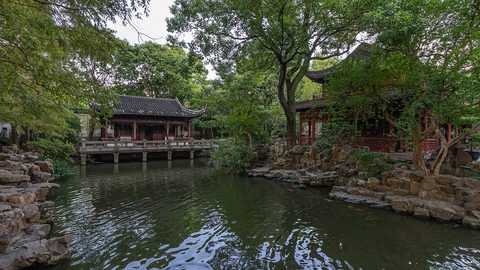 Yu Garden
 is a genuine 16th-century Ming garden behind walls most visitors never enter, trapped in the souvenir bazaar outside. Here is what is inside and how to get there.
Yu Garden
Yu Garden is a genuine 16th-century Ming garden behind walls most visitors never enter, trapped in the souvenir bazaar outside. Here is what is inside and how to get there.
-
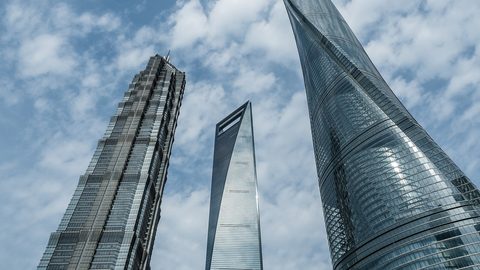 Shanghai Tower
 is 632 metres with the world's fastest lift, but a Jin Mao bar drink, the World Financial Center deck, or the free Pudong riverside walk offer the same skyline for less.
Shanghai Tower
Shanghai Tower is 632 metres with the world's fastest lift, but a Jin Mao bar drink, the World Financial Center deck, or the free Pudong riverside walk offer the same skyline for less.
-
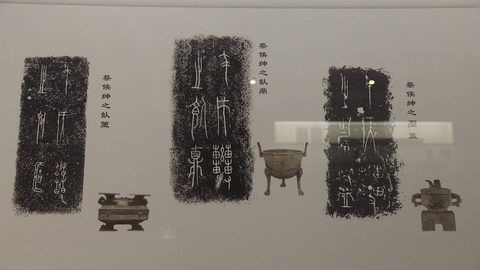 Shanghai Museum
The Shanghai Museum now spans two buildings. Here is exactly which collections live where, and how to book free tickets for both.
Shanghai Museum
The Shanghai Museum now spans two buildings. Here is exactly which collections live where, and how to book free tickets for both.