Is Shanghai Safe for Visitors
Shanghai is exceptionally safe for violent crime, but silent e-bikes, the Bund tea-house scam, and Metro shutdown after 11pm create real frictions visitors mistake for danger.
Is Shanghai Safe for Tourists
The short answer is yes. Violent crime against foreigners in Shanghai is near zero. The reported incidents that do occur are overwhelmingly non-confrontational theft, not armed attacks. But the useful answer is more complicated. What feels like danger to a visitor is usually friction: a silent e-bike clipping your elbow on a pavement, a tea house bill that runs ten times what you expected, a Metro platform that goes dark at 11pm. This guide separates genuine risk from the kind of inconvenience that feels like risk when you are tired, lost, and your phone has no signal. You need to know which problems to prepare for and which to ignore.
Shanghai Solo Female Travel Safety: What Women Actually Report
Solo female travellers in Shanghai overwhelmingly report feeling safe. The streets are well lit, public transport runs until late, and sexual assault is vanishingly rare in public spaces. What women do report is unwanted staring and occasional unsolicited photography around major tourist sites like the Bund, Nanjing Road, and Yu Garden. This is not danger. It is a persistent annoyance that you manage by ignoring eye contact, dressing to blend rather than stand out, and walking with purpose.
Documents and Digital Survival
Carry your passport at all times as required by law. Hotel staff will register you with the Public Security Bureau within 24 hours of check in, which adds no friction for you. The failure case is losing your phone. Without a working phone you cannot call a taxi, pull up a map, or use a translation app. Shanghai is cashless. Solo travellers should test their VPN and local SIM or eSIM setup before they leave the hotel each morning.

Shanghai Scam Common Types: Tea Houses, Art Students, and Massage Touts
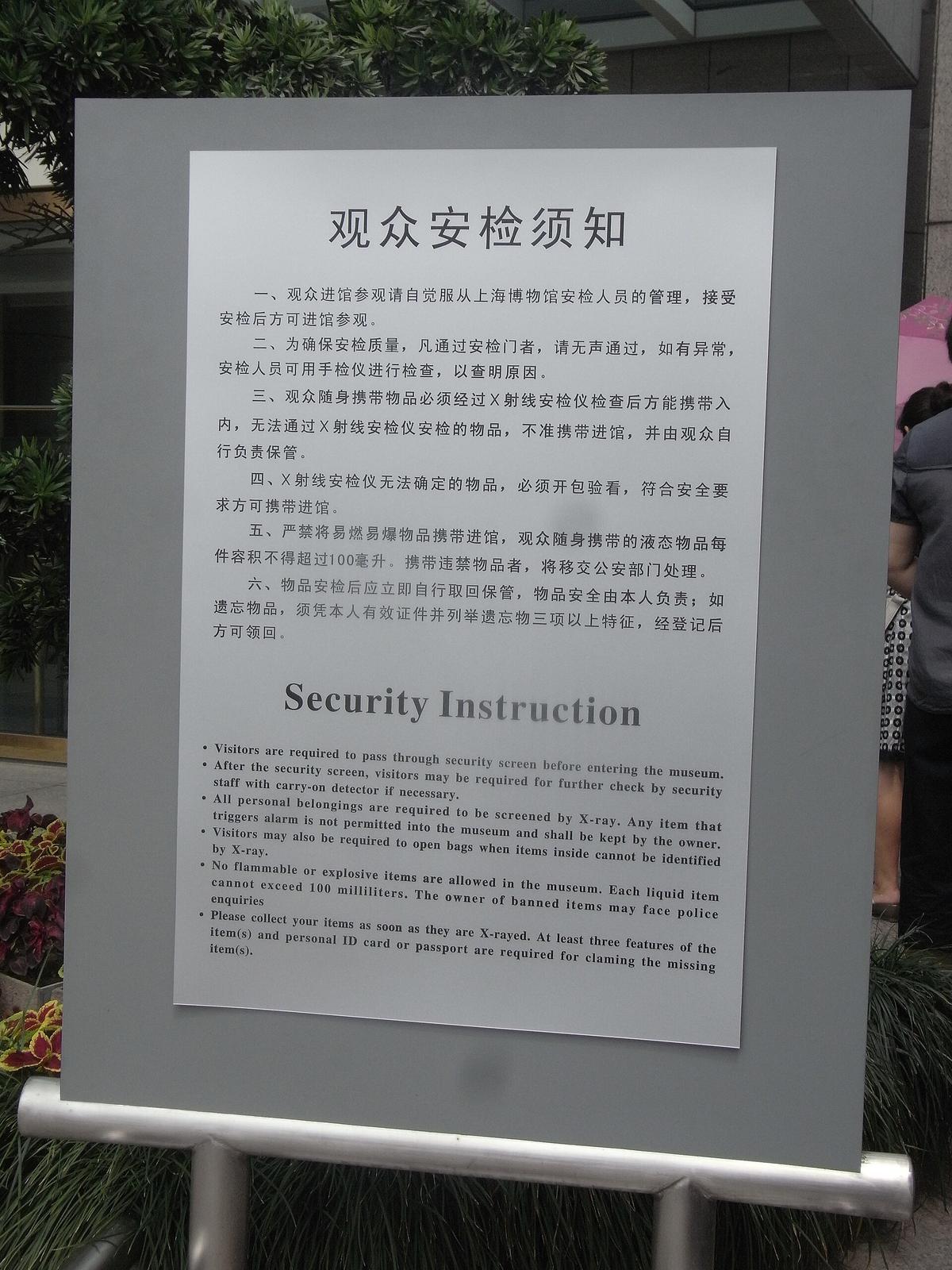
Scams in Shanghai cluster around East Nanjing Road and the Bund. The common types are well documented and entirely avoidable.
Tea Ceremony Scam
A friendly stranger or a pair of students approaches you near the Bund or Yu Garden. They suggest a traditional tea ceremony nearby. You follow them to a tea house. The bill arrives inflated to several hundred yuan for tea you did not order. The solution is simple: do not follow anyone you have not met through a verified contact. Walk away. Say no and keep walking.
Art Student Scam
A young person claims to be an art student who needs practice speaking with foreigners. They invite you to see their work at a gallery. Inside, pressure mounts to buy overpriced art. The same rule applies. A stranger approaching you unprompted in a tourist zone is not a coincidence. Decline.
Massage Scam
A tout offers a cheap massage. You follow them to a location. The bill is drastically inflated. In some cases belongings are at risk. Use apps to book reputable places. Do not follow street touts.
Fake Taxis at the Airport
Fake taxis operate at arrivals levels at Pudong International Airport and Hongqiao International Airport. Use the official taxi queue at the designated stand outside arrivals. Metered taxis are required to use the meter. Refusal is a reportable violation. If the driver refuses, get out and join the official queue.
Shanghai Pedestrian E-Bike Danger: the Real Physical Risk
The most common physical threat to a pedestrian in Shanghai is not a person. It is an e-bike or electric scooter travelling silently on the pavement. These vehicles move against traffic in bicycle lanes at speed, but many also use pedestrian paths, especially on narrow streets in the Former French Concession and the Old City. You do not hear them coming.
You step sideways and they clip your shoulder or your shin. The 2023 traffic fatality rate for the country was 17.7 per 100,000 population according to the WHO Global Status Report on Road Safety. That figure is national, not Shanghai specific, and it includes rural roads where safety is far worse than in the city. In central Shanghai, the risk to pedestrians is low but real. Walk looking sideways as well as forward. Do not step off a curb without checking behind you. Do not assume a bicycle lane is empty just because you cannot hear anything. The failure case is a broken ankle on day two of a three day trip. You cannot walk the French Concession on crutches.
Shanghai Night Safety Metro Cutoff: Getting Stranded After 11pm
Shanghai Metro is the dominant way to get around. Eighteen lines with English signage, fares from ¥3, and stations that cover every district a visitor needs. The tripwire is the shutdown. Metro operations stop around 22:30 to 23:00. Last train timing varies by line and direction.
If you are on the Bund at 22:45 and assume you can reach Jing'an by train, you are wrong. The failure case is standing at a locked station gate in Pudong at 23:15 with no taxi queue and a phone that will not connect to a ride hailing app because your VPN is down. The fix is simple: check the last train time for your specific line before you go out for dinner. If you miss it, walk to a main road and flag down a metered taxi. Taxi drivers rarely speak English so have your destination written in Chinese characters on your phone. Carry a paper card with your hotel address in Chinese. That card works when your phone battery does not.

The Friction of a Dead Phone: Cashlessness and Connectivity
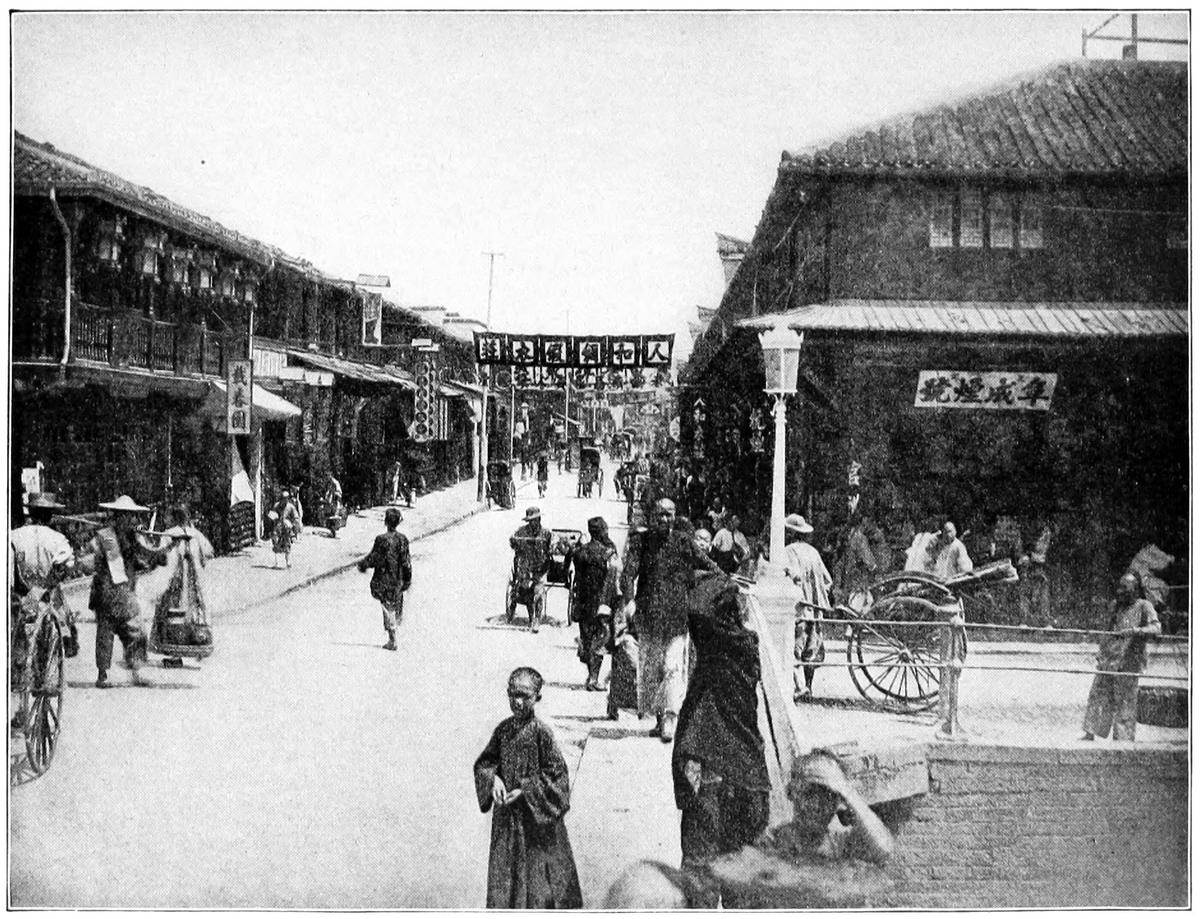
Shanghai runs on Alipay and WeChat Pay. Many vendors refuse cash entirely. If you arrive without a working payment app and a working internet connection, you are functionally locked out of buying food, hailing a ride, and booking museum time slots.
Connectivity Essentials
Free public Wi Fi requires a mainland phone number for SMS verification. The Great Firewall blocks Google Maps, Gmail, WhatsApp, Instagram, Facebook, and X. A VPN must be installed and tested before departure. A local SIM or eSIM with a mainland number unlocks app based services. Without it, ride hailing and some museum bookings become difficult. The failure case is arriving at the Shanghai Museum, which is free, but needing a booked time slot on WeChat that you cannot access because your phone has no service.
Cash Backup and the Paper Lifeline
Carry cash in small denominations as backup. Several hundred yuan in 10 and 20 yuan notes covers a taxi ride and a meal. Keep a printed copy of your hotel name and address in Chinese. That piece of paper is your emergency exit.
Distinguishing Danger from Inconvenience
A silent e-bike that nearly hits you feels like danger. A tea house scam that costs you several hundred yuan feels like danger. A Metro station that locks its gates at 22:50 feels like danger. None of these are violent crime. They are frictions that hit hardest when you are tired, jet lagged, and your phone has no connection.
The distinction matters because it changes what you pack and what you prepare for. You do not need a personal safety alarm. You do need several hundred yuan in cash, a paper card with your hotel address in Chinese, a working VPN, and the habit of checking last train times before you order dinner. The single thing that most often goes wrong for visitors in Shanghai is not being robbed or attacked. It is being stranded without a working phone after the Metro shuts down, unable to call a ride, buy food, or find your hotel. That is not a safety problem. It is a logistics problem that is entirely preventable.
Common Questions
Is Shanghai safe for tourists at night?
Yes. Violent crime is near zero in central districts. The real risk is getting stranded after the Metro shuts around 11pm. Taxis are available but drivers rarely speak English. Have your destination written in Chinese.
What is the most common scam in Shanghai?
The tea house scam near the Bund and Yu Garden. A friendly stranger invites you to a tea ceremony. The bill arrives inflated to several hundred yuan. Do not follow anyone who approaches you unprompted in a tourist zone.
Do I need a VPN in Shanghai?
Yes. The Great Firewall blocks Google, WhatsApp, Instagram, Facebook, and X. Install and test your VPN before departure. Free public Wi Fi requires a mainland phone number for SMS verification, so a local SIM or eSIM is also essential.
Can I walk alone in Shanghai as a solo female?
Yes. The overwhelming report is safe. Common annoyances are unwanted staring and occasional unsolicited photography. Carry your passport at all times as required by law. Keep your hotel address in Chinese in case your phone dies.
Read next
-

 Shanghai Hotels by Property Type and Price Band — Bund Palaces to Lane-House Stays
Shanghai hotels sorted by property type and price band: Bund river-view icons, French Concession lane-house boutiques, Pudong towers, and budget-smart Metro-side picks.
Shanghai Hotels by Property Type and Price Band — Bund Palaces to Lane-House Stays
Shanghai hotels sorted by property type and price band: Bund river-view icons, French Concession lane-house boutiques, Pudong towers, and budget-smart Metro-side picks.
-
Where to Stay in Shanghai — Choosing Your Base Across 10 Districts
Choosing where to stay in Shanghai shapes everything. Compare the French Concession, Bund, Jing'an, and Pudong across atmosphere, walkability, and after-dark personality.
-
 Flying to Shanghai Pudong and Hongqiao Airports Without the Arrival Chaos
Compare Shanghai Pudong and Hongqiao airports on arrival logistics: Maglev steps, Metro Line 10 timing, taxi costs, and which airport wastes less of your first day.
Flying to Shanghai Pudong and Hongqiao Airports Without the Arrival Chaos
Compare Shanghai Pudong and Hongqiao airports on arrival logistics: Maglev steps, Metro Line 10 timing, taxi costs, and which airport wastes less of your first day.
-
 Things to Do in Shanghai — Ranked Sights and What to Skip With Only Days
Shanghai sights ranked and argued: the Bund at blue hour, Shanghai Tower versus Oriental Pearl, Yu Garden's tradeoffs, and what to skip when days are short.
Things to Do in Shanghai — Ranked Sights and What to Skip With Only Days
Shanghai sights ranked and argued: the Bund at blue hour, Shanghai Tower versus Oriental Pearl, Yu Garden's tradeoffs, and what to skip when days are short.
-
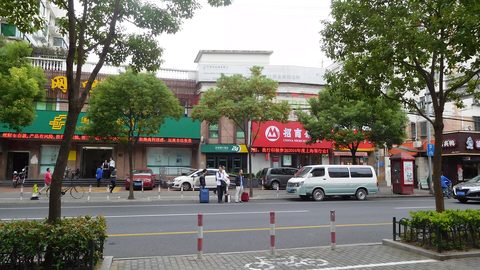 Best Time to Visit Shanghai — Month-by-Month Weather, Crowds, and Closures
Shanghai's best months are April–May and October–November, but each carries a tradeoff. Month-by-month weather, crowd surges, festival timing, and closure periods.
Best Time to Visit Shanghai — Month-by-Month Weather, Crowds, and Closures
Shanghai's best months are April–May and October–November, but each carries a tradeoff. Month-by-month weather, crowd surges, festival timing, and closure periods.
-
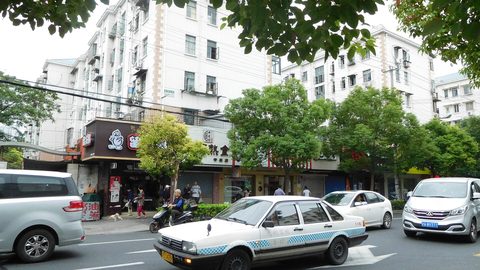 Getting Around Shanghai — Metro Card Tricks, Taxi Traps, and the 11pm Stranding
Shanghai's Metro shuts around 11pm and taxis vanish during shift change. Learn the transport card trick, Alipay QR setup, and how to avoid getting stranded.
Getting Around Shanghai — Metro Card Tricks, Taxi Traps, and the 11pm Stranding
Shanghai's Metro shuts around 11pm and taxis vanish during shift change. Learn the transport card trick, Alipay QR setup, and how to avoid getting stranded.
-
 Yu Garden
 is a genuine 16th-century Ming garden behind walls most visitors never enter, trapped in the souvenir bazaar outside. Here is what is inside and how to get there.
Yu Garden
Yu Garden is a genuine 16th-century Ming garden behind walls most visitors never enter, trapped in the souvenir bazaar outside. Here is what is inside and how to get there.
-
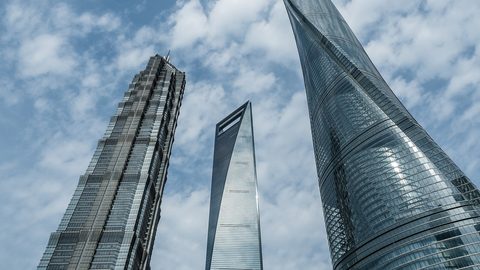 Shanghai Tower
 is 632 metres with the world's fastest lift, but a Jin Mao bar drink, the World Financial Center deck, or the free Pudong riverside walk offer the same skyline for less.
Shanghai Tower
Shanghai Tower is 632 metres with the world's fastest lift, but a Jin Mao bar drink, the World Financial Center deck, or the free Pudong riverside walk offer the same skyline for less.
-
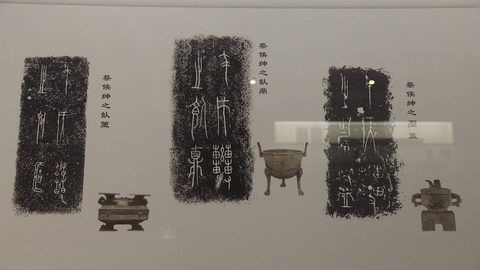 Shanghai Museum
The Shanghai Museum now spans two buildings. Here is exactly which collections live where, and how to book free tickets for both.
Shanghai Museum
The Shanghai Museum now spans two buildings. Here is exactly which collections live where, and how to book free tickets for both.