How to Use Hong Kong Public Transport
The MTR is the fastest way across Hong Kong, but the Star Ferry, trams, and buses are the rides you remember.
How to Use Hong Kong Public Transport
You want to get across Hong Kong fast, but the fastest option is not always the right one. This guide tells you when to take the train, when to take the ferry, and when to take the tram so that the journey itself becomes part of your trip rather than something you endure.
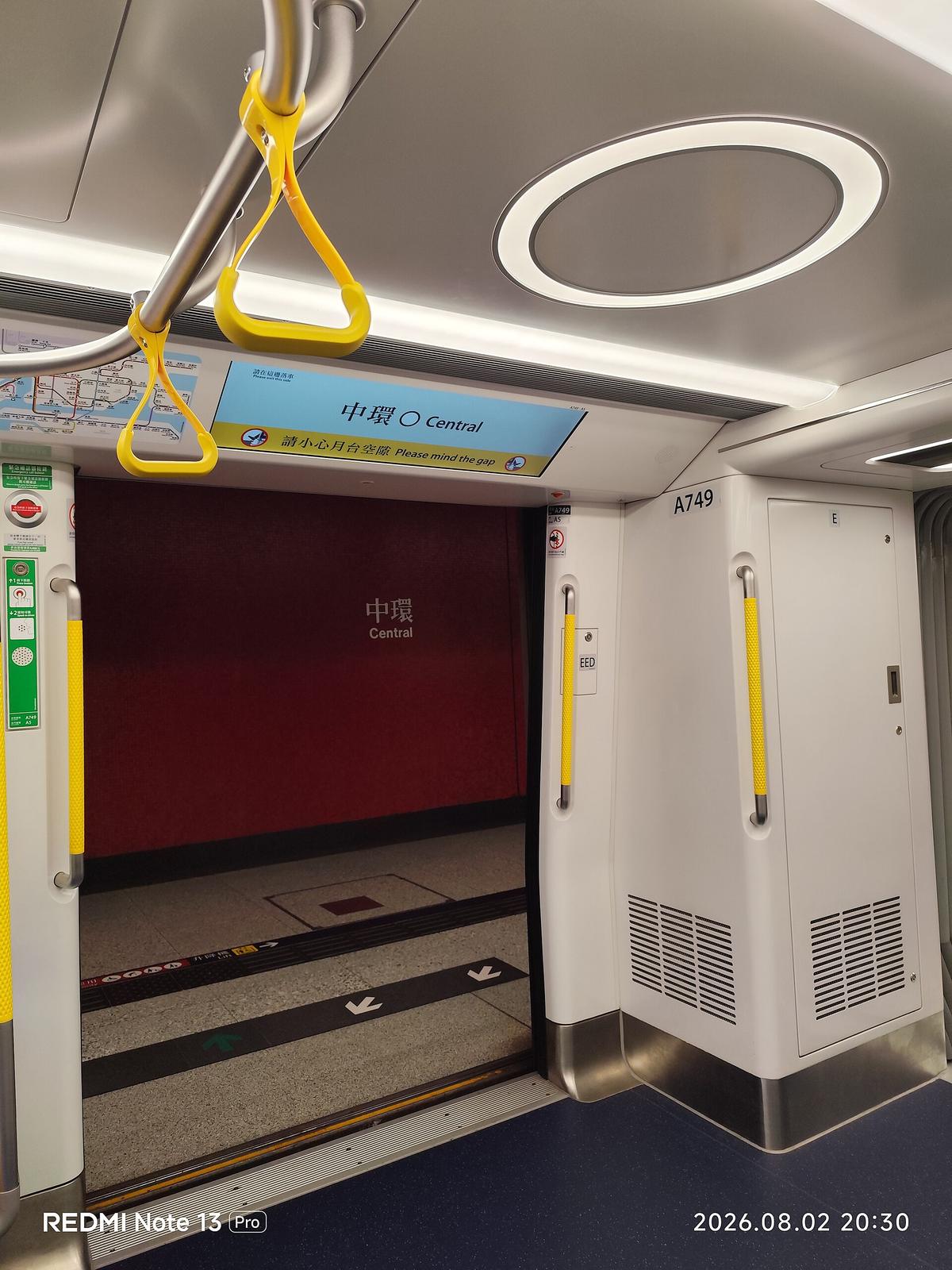
The MTR is the backbone of transport here: 99 stations across 10 lines carry 4.8 million passengers on a weekday. First trains run from 05:30, last trains leave between 00:50 and 01:20 depending on the line. Single adult fares range from HK$4.80 to HK$59.50, set by MTR Corporation and revised annually. The MTR gets you nearly everywhere, it is air conditioned, and it is fast. But fast is not always memorable, and Hong Kong has four other modes worth choosing deliberately.
One thing that trips visitors up: station exits matter enormously in Central and Tsim Sha Tsui. The wrong exit can put you 10 minutes and several footbridges from where you want to be. Check the exit letter on Google Maps or Citymapper before you leave the platform, not after.

The Octopus Card for Tourists
One card works on the MTR, all buses, the Star Ferry, the trams, most green minibuses, and even some convenience stores and restaurants. The Octopus card for tourists comes in two versions: an On-Loan Octopus that charges a HK$50 refundable deposit, or a Sold Octopus with no deposit and no refund. Maximum stored value is HK$3,000. Minimum top up at MTR stations is HK$50. You can also load an Octopus onto an iPhone, Apple Watch, or Android phone and tap directly.
Buy one at the MTR Customer Service desk at the airport or any station. The deposit refund at the end of your trip takes about 30 seconds. Keep the card; it also covers ferries to Cheung Chau, Lamma, Mui Wo, and Peng Chau, plus the Central Mid-Levels escalator (no fare, but the card confirms entry).
Failure case: if you lose the card, you lose the stored value. Do not load more than HK$200 at a time unless you are sure you will use it all.
Star Ferry Route
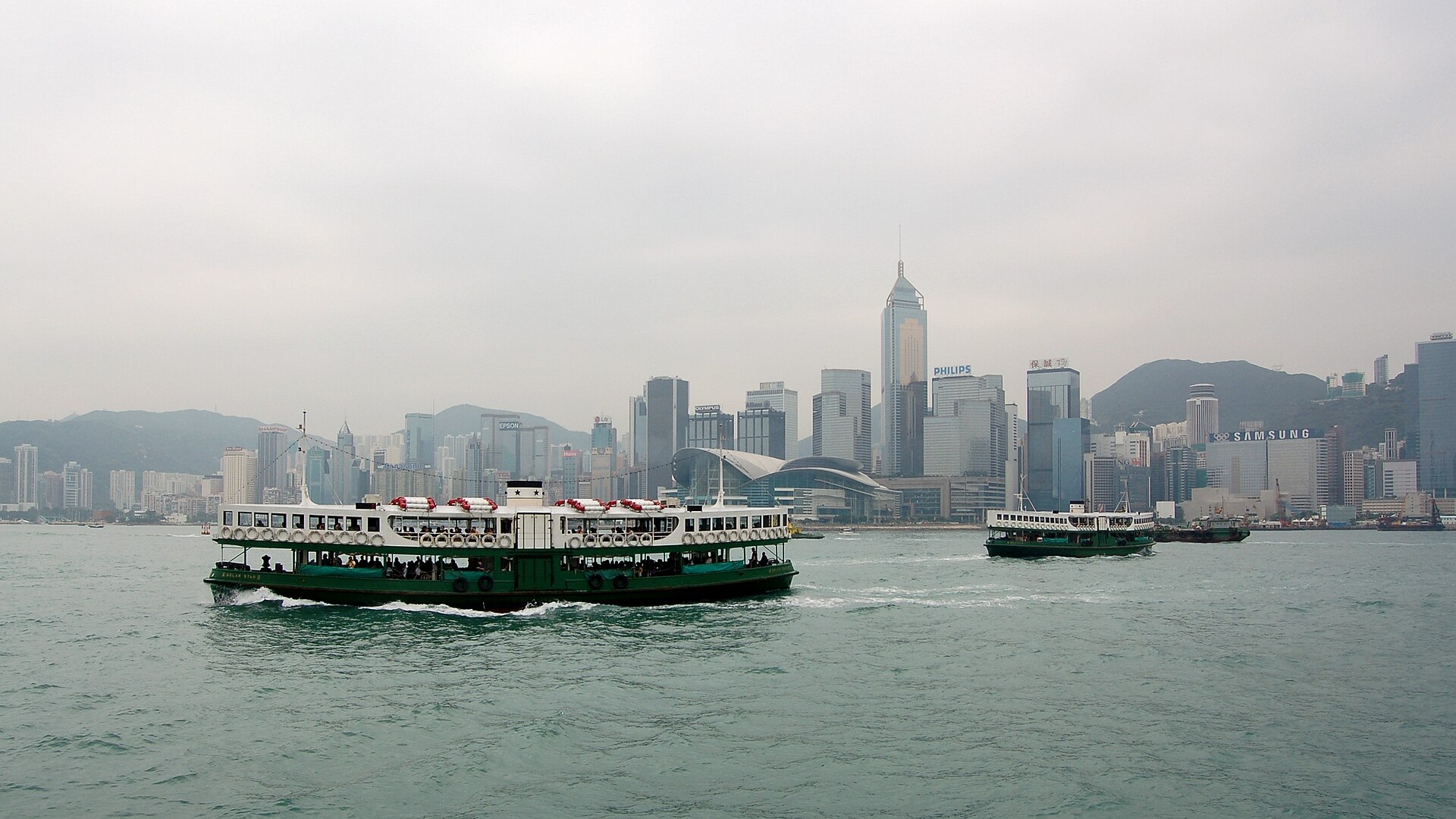
The Star Ferry route from Tsim Sha Tsui to Central takes 7 minutes on the upper deck. Fares are set by the Star Ferry Company: HK$5.00 on a weekday, HK$6.50 on a weekend or public holiday. The lower deck is HK$1.00 cheaper. The same fares apply on the Tsim Sha Tsui to Wan Chai route, also 7 minutes. Octopus is accepted. Children aged 3 to 12 pay half.
Take the Star Ferry when you are crossing the harbour and are not in a hurry. The MTR takes 4 minutes underground. The ferry takes 7 minutes above water with harbour views, sea breeze, and the skyline sliding past. Choose it for the evening crossing when the lights come on. Skip it if you are late for a dinner reservation or if it is raining hard.
Star Ferry wheelchair access is limited: upper deck only via ramps at Central and Tsim Sha Tsui piers. Bicycles are permitted for an additional HK$16.00, a surcharge set by the ferry operator.
Hong Kong Tram Central to Causeway Bay
The Hong Kong Tram from Central to Causeway Bay is the slowest possible way to travel between those two points and the most enjoyable one for short distances. The tram runs along the north shore of Hong Kong Island from Kennedy Town to Shau Kei Wan, with a Happy Valley loop. The flat adult fare is HK$3.00, child and elder fare HK$1.50, both set by Hong Kong Tramways. Board at the rear, pay on exit at the front. The average operating speed is 10 to 15 km per hour, top speed 45 km per hour, but in Central traffic it rarely reaches that.
Use the tram when you are going from Sheung Wan to Wan Chai or Causeway Bay and have 20 minutes to spare. The route runs through the dense street level of Hong Kong Island: dried seafood shops, neon signs, wet markets, and dai pai dongs. You see the city from eye level rather than from a tunnel. Do not take the tram if you need to be somewhere at a specific time.
Wheelchair access: none. The 165 trams in the fleet have high steps and no ramps. Bicycles are not permitted.
| Journey | Fastest Option | Best Option |
|---|---|---|
| Central to Tsim Sha Tsui | MTR, 4 minutes, HK$10 | Star Ferry, 7 minutes, HK$5.00 at sunset |
| Central to Causeway Bay | MTR, 6 minutes, HK$6 | Tram, 20 minutes, HK$3.00 for street views |
| Airport to Central | Airport Express, 24 minutes, HK$115 | Airport Express, same time, plus free shuttle to most hotels |
| Central to Mong Kok | MTR, 10 minutes, HK$12 | MTR, same time: exit E2 for night market, not D2 |
| Central to Lamma Island | MTR to Central Pier 4 then ferry, 45 min total, HK$25 | Same route; take the ordinary ferry, not fast ferry, for the view |
| Hong Kong Island to New Territories | MTR, 30-60 minutes | MTR, but check exit maps for bus connections to trailheads |
Hong Kong Taxi Rules
Fares and Vehicle Types
Hong Kong taxi rules are simple but unforgiving. Urban taxis are red and operate on Hong Kong Island, Kowloon, and most of the New Territories. Flagfall is HK$27 for the first 2 km, then HK$1.90 per 200 m up to HK$93.50, then HK$1.30 per 200 m beyond that. These metered rates are set by the Transport Department. Green New Territories taxis start at HK$23.50 and cannot cross into Kowloon or Hong Kong Island. Blue Lantau taxis start at HK$22 and operate only on Lantau. Cross harbour trips add a tunnel surcharge of HK$10 to HK$15 depending on the tunnel. Luggage in the boot costs HK$6 per item. Pets cost HK$5.
Taxis are cash only. Carry small notes for any fare under HK$100. Drivers rarely have change for a HK$500 note. The red taxi fleet has no standard wheelchair accessible vehicles; you must pre book Diamond Cab (flagfall HK$120).
When Taxis Go Wrong
Failure case: the Hung Hom Cross Harbour Tunnel is congested from 17:00 to 20:00 on weekdays. A trip from Central to Tsim Sha Tsui that costs HK$40 can cost HK$80 in waiting time. Do not take a taxi across the harbour during evening peak. Take the MTR or the Star Ferry. If you must take a taxi after midnight, the MTR stops running between 00:50 and 01:20, so taxis and night buses are your options. Night bus routes N8X, N11, N21, N23, N29, N30, N42, N118, N122, N171, N241, N260, N269, N281, N293, and N691 cover most routes, fares HK$10 to HK$32. Night minibuses run from Mong Kok to the New Territories, fares HK$15 to HK$30.
.jpg)
When the MTR is Not the Answer
Short Trips and Crossings
The MTR is fast and air conditioned, but it is one tunnel with no views and no sense of the city. For journeys shorter than three stops on Hong Kong Island, the tram or a taxi can be better. For cross harbour trips in good weather, the Star Ferry is better. For airport transfers, the Airport Express is faster than a taxi (24 minutes versus 30 to 45 minutes) and cheaper (HK$115 versus HK$300 to HK$400). The A11 and A21 airport buses are cheaper still at HK$34 to HK$40 but take 45 to 70 minutes.
After Midnight and on Two Wheels
The MTR closes around 01:00. After that, night buses and night minibuses cover the main routes. The N8X runs from Central to Siu Sai Wan. The N21 runs from Tsim Sha Tsui to the Airport. Most red minibuses run 24 hours. Red minibuses have no fixed stops; you call out the stop name. They take cash only and do not accept Octopus. Green minibuses have fixed stops, take Octopus or cash, and cover 350 routes.
Cycling is not an option for getting around the urban core. Hong Kong Island and Kowloon have no dedicated cycle tracks. The 82 km cycle track network is in the New Territories, mostly the 60 km Tuen Mun to Ma On Shan route. Bikes are not permitted on buses or trams. On the MTR they must be folded and in a carry bag. On the Star Ferry they cost HK$16 extra. On outlying island ferries the surcharge is HK$20 to HK$40.
Station Exits and the Elevated Walkway Network
Learning the Walkway
In Central, Tsim Sha Tsui, Admiralty, and Wan Chai, the elevated walkway network is a separate system above street level. Central has a 4.5 km network connecting the Central Piers, IFC, Exchange Square, Hong Kong Station, Central Station, and the Mid Levels. Admiralty connects Pacific Place, Hong Kong Park, and Admiralty Station. Wan Chai connects Wan Chai Station, the Convention Centre, and Central Plaza. Learn the walkway. It keeps you out of traffic, rain, and heat.
The Central Mid Levels escalator is the world s longest outdoor covered escalator system: 800 m long, 135 m vertical rise, full journey 20 minutes. It runs downhill from 06:00 to 10:00 and uphill from 10:20 to 00:00. It is a practical transit link and a tourist attraction in one, but use it for moving between Central and the Mid Levels, not for sightseeing.
Maps and Connectivity
Failure case: Google Maps is often wrong on walking routes in Hong Kong. Use Citymapper or HKeMobility for walking directions that include footbridge connections and exit letters. Free public Wi Fi exists at MTR stations and government buildings but requires registration and is slow. Tourist SIMs cost around HK$88 for 8 days of data at the airport. eSIMs work well.
One More Thing That Goes Wrong
The single most common mistake visitors make is trying to cover Hong Kong Island, Kowloon, and Lantau in two days while staying only in Central. The city is compact on a map but vertical and slow on foot. Cross harbour trips eat more time than you expect. A trip from Central to the Tian Tan Buddha on Lantau involves the MTR to Tung Chung, a 25 minute cable car queue, and a 30 minute walk up stairs. That is a half day, not a side trip. Do not put it on the same day as the Peak and the Star Ferry. Budget four days minimum, with one day for Hong Kong Island, one day for Kowloon, one day for Lantau or a hike, and one flex day for weather or shopping. That is the schedule Hong Kong public transport can support. Anything less and you will spend half your trip in tunnels.
Common Questions
Can I use a contactless credit card on the MTR?
Yes, most MTR gates accept contactless Visa, Mastercard, and UnionPay. The fare is the same as an Octopus single fare. You do not get the transfer discounts or the child/elder fares. For any trip involving buses or the Star Ferry, an Octopus card works better.
How do I pay on a Hong Kong tram?
Board at the rear door. Tap your Octopus card on the reader by the driver when you get off at the front. If paying cash, drop the exact HK$3.00 into the fare box next to the driver. No change is given.
Are Hong Kong taxis safe at night?
Yes. Hong Kong taxis are regulated, metered, and safe at any hour. Female solo travellers use them routinely. The risk is not safety but payment: drivers rarely have change for large notes. Carry small notes under HK$100.
Which Star Ferry route is best for the skyline?
The Tsim Sha Tsui to Central route, upper deck, on the right side facing Kowloon. The view of the Hong Kong Island skyline spreads across the entire crossing. The Wan Chai route gives a closer view of the Convention Centre but a narrower panorama.
How do I get from the Airport to Hong Kong Island after midnight?
The Airport Express stops running around 00:48 to 00:55 depending on direction. After that, take the N11 night bus from the Airport to Central (Central to Siu Sai Wan route, passes through Wan Chai and Causeway Bay). Taxis to Central cost roughly HK$300 to HK$400 and take 30 to 45 minutes.
Can I take a bicycle on the MTR?
Yes, only if the bicycle is folded and inside a carry bag. Unfolded bicycles are not permitted. The same rule applies on buses, trams, and minibuses.
What is the cheapest way to cross the harbour?
The Star Ferry lower deck on a weekday costs HK$4.00. The MTR fare for a cross harbour trip starts around HK$10. Walking through the Tsim Sha Tsui subway is free but takes 20 minutes and has no view.
Read next
-
 Hong Kong eSIM and Data Plans Before You Land
Hong Kong has no internet firewall. A cheap eSIM or tourist SIM from the airport gives you fast data for Google Maps and WhatsApp from the moment you land.
Hong Kong eSIM and Data Plans Before You Land
Hong Kong has no internet firewall. A cheap eSIM or tourist SIM from the airport gives you fast data for Google Maps and WhatsApp from the moment you land.
-
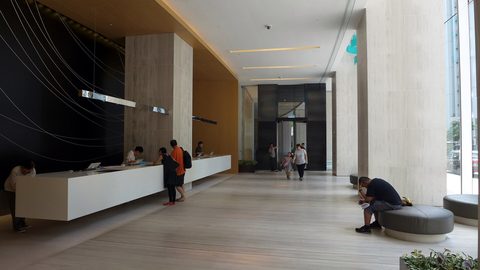 Hong Kong Hotels by Price Band and Property Type
Hong Kong hotel rooms are small, but the difference between a luxury harbour-view tower and a Mong Kok budget room is enormous.
Hong Kong Hotels by Price Band and Property Type
Hong Kong hotel rooms are small, but the difference between a luxury harbour-view tower and a Mong Kok budget room is enormous.
-
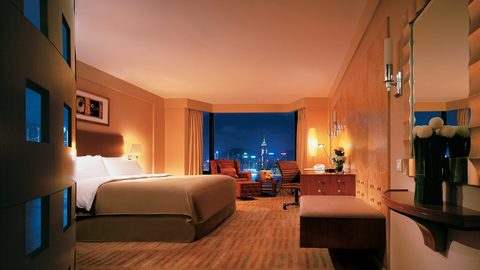 Where to Stay in Hong Kong Island or Kowloon for a First Visit
Hong Kong Island puts you in the financial and dining core, while Kowloon gives you harbour views and street life. The street you pick matters more than the district.
Where to Stay in Hong Kong Island or Kowloon for a First Visit
Hong Kong Island puts you in the financial and dining core, while Kowloon gives you harbour views and street life. The street you pick matters more than the district.
-
 How to Find Cheap Flights to Hong Kong International Airport
Hong Kong has one airport, a lot of airline competition, and a fast train into the city. The routing tricks are in the booking, not the arrival.
How to Find Cheap Flights to Hong Kong International Airport
Hong Kong has one airport, a lot of airline competition, and a fast train into the city. The routing tricks are in the booking, not the arrival.
-
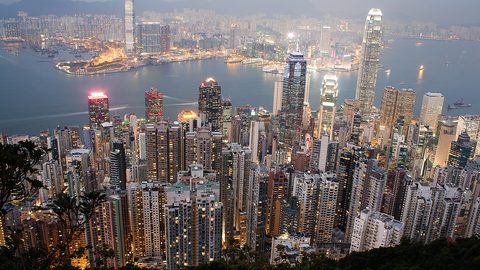 Things to Do in Hong Kong Ranked by What Is Worth Your Time
Victoria Peak, the Star Ferry, and a serious hike earn their fame. Some other Hong Kong sights do not.
Things to Do in Hong Kong Ranked by What Is Worth Your Time
Victoria Peak, the Star Ferry, and a serious hike earn their fame. Some other Hong Kong sights do not.
-
 Best Time to Visit Hong Kong for Clear Skies and Low Humidity
October to December offers the best balance of clear skies and low humidity, but every other season trades weather for lower prices or festivals.
Best Time to Visit Hong Kong for Clear Skies and Low Humidity
October to December offers the best balance of clear skies and low humidity, but every other season trades weather for lower prices or festivals.
-
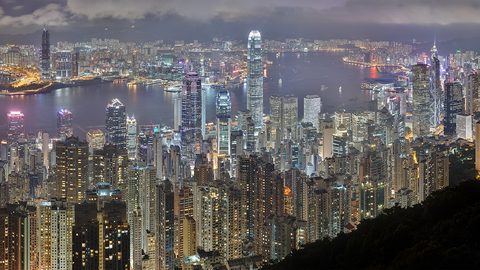 Victoria Peak
The view from Victoria Peak is the point; the tram queue is the problem, and there are four other ways up.
Victoria Peak
The view from Victoria Peak is the point; the tram queue is the problem, and there are four other ways up.
-
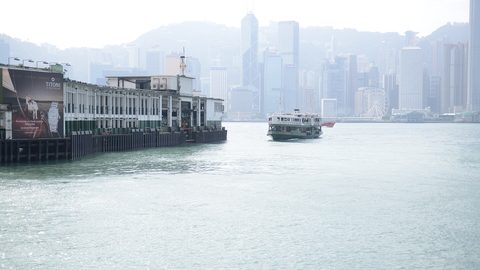 Star Ferry
The Star Ferry costs HK$5, takes 10 minutes, and the upper deck heading from Tsim Sha Tsui to Central gives the best skyline view.
Star Ferry
The Star Ferry costs HK$5, takes 10 minutes, and the upper deck heading from Tsim Sha Tsui to Central gives the best skyline view.
-
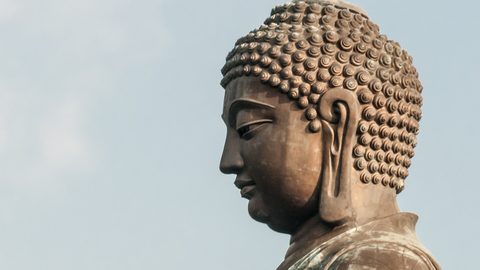 Big Buddha and Ngong Ping
The Big Buddha is 268 steps up, the cable car takes 25 minutes, and the village at the top is mostly a shopping mall.
Big Buddha and Ngong Ping
The Big Buddha is 268 steps up, the cable car takes 25 minutes, and the village at the top is mostly a shopping mall.