What Shuts, What Stays Open, and What to Do With the Day
What Hong Kong typhoon signal 8 means, what shuts down, what still runs, and how to spend the day when the city stops.
.jpg)
What Shuts, What Stays Open, and What to Do with the Day
A Hong Kong typhoon Signal 8 means the city shuts down. Offices close. Schools close. Buses stop, ferries stop, most shops and restaurants lock their doors, and flights cancel in waves starting two to four hours before the signal is issued. The threshold is Gale or Storm conditions: sustained winds of 63 to 117 km per hour with gusts up to 180 km per hour, as measured by the Hong Kong Observatory. In typhoon season (June through October, especially August and September) you have roughly a one-in-four to one-in-three chance of seeing a signal in any given week. Here is what changes at each level and what to do when it hits.
The Signal System: from Standby to Hurricane
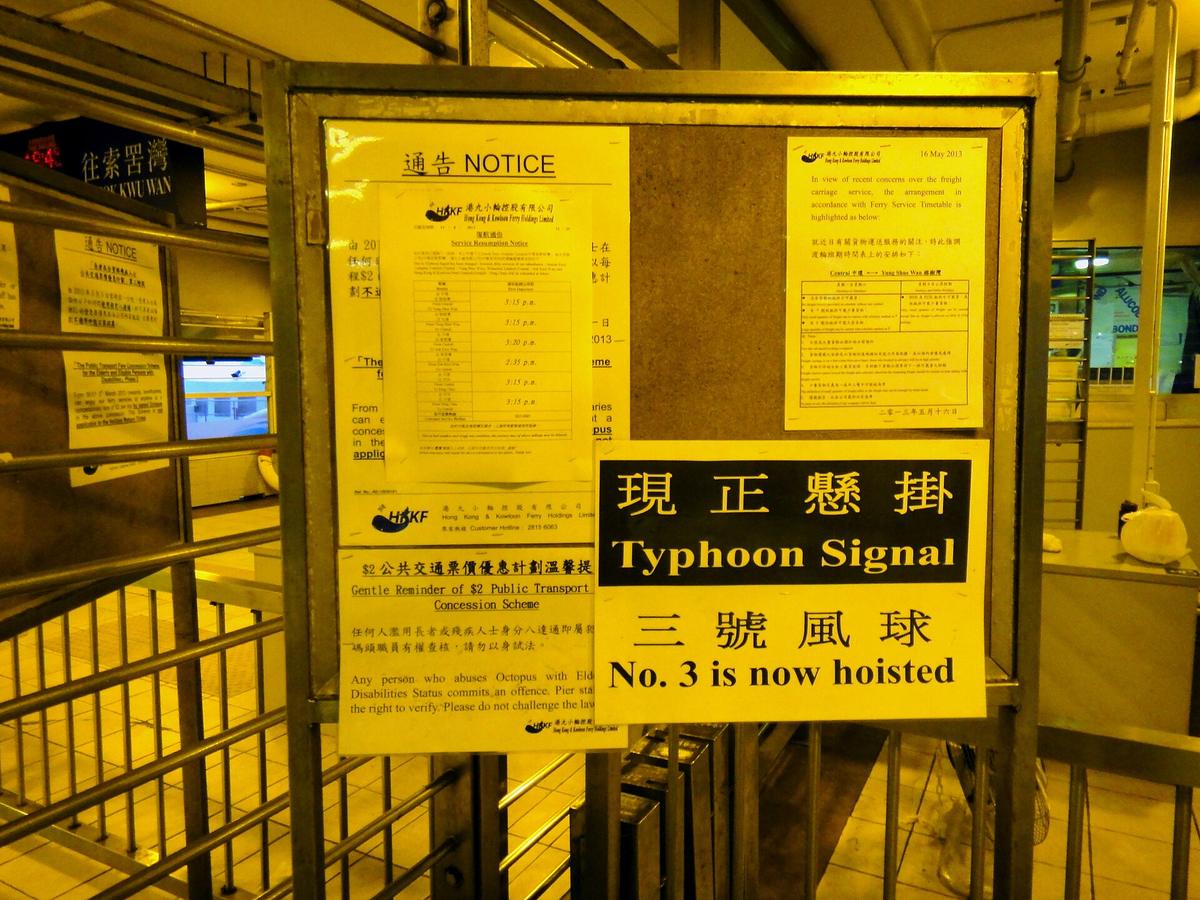
The Hong Kong Observatory issues five typhoon signals. Signal 1, Standby, means a tropical cyclone is within 800 kilometres of the city. No one changes their plans. Signal 3, Strong Wind, brings sustained winds of 41 to 62 km per hour with gusts up to 110 km per hour. Schools stay open, offices stay open, but outdoor activities along the waterfront become unpleasant and unwise. Ferry services may start to reduce. Signal 8 is the threshold where the city-wide shutdown kicks in. Signal 9, Increasing Gale or Storm, means winds of 88 to 117 km per hour sustained, and Signal 10, Hurricane, means sustained winds of 118 km per hour or more with gusts over 220 km per hour. These higher signals are rare. Signal 8 is the one you need to understand.
What Runs and What Stops at Signal 8
All bus services stop. All ferry services stop. Above-ground MTR sections suspend or run at severely reduced frequency. Underground MTR lines continue running but at reduced frequency. Some taxis remain on the road, but they are hard to find and drivers charge surge rates in cash. Most shops and restaurants close.
Hotel facilities stay open. Major hotels have backup power and keep their restaurants and room service running. IFC Mall, Elements, K11 Musea, and Festival Walk remain open, but tenants inside may close independently. Flights cancel in waves starting two to four hours before the signal is issued. The airport does not close, but the schedule collapses.
Tracking the Storm
The Hong Kong Observatory updates its warnings every three hours, more frequently during an active storm. Track it on the Observatory website at www.hko.gov.hk or through the MyObservatory app.
What the Rainstorm Warnings Mean
The rainstorm warning system runs separately from the typhoon signals. Amber means heavy rain exceeding 30 millimetres per hour. Red means exceeding 50 millimetres per hour. Black means exceeding 70 millimetres per hour. When the Black warning is issued, schools close, many offices close, and public transport is reduced. A separate landslide warning is issued by the Hong Kong Observatory and the Geotechnical Engineering Office when sustained heavy rain falls on steep terrain. If you are staying on Hong Kong Island near the Peak or in the New Territories, pay attention to this warning.
How to Prepare the Night Before
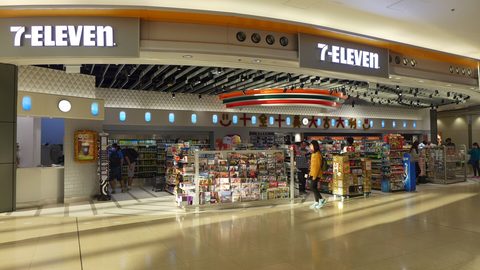
The Hong Kong Observatory gives hours of notice. The signal is not a surprise. When the Observatory announces that Signal 3 may be upgraded to Signal 8 within the next few hours, act. Go to a convenience store. 7-Eleven and Circle K stay open until the last minute. Stock water and snacks for one to two days. Do not wait until the signal is raised. Shelves empty fast.
Confirm your hotel's cancellation policy at the front desk. Most major hotels waive cancellation fees during a typhoon. If you have a flight scheduled, call the airline. Most airlines offer free rebooking or refunds during a typhoon, but the policy varies by carrier. Do this before the signal goes up. Phones get busy and website wait times spike.
During the Signal: What to Do and Where to Go
Stay in your hotel. Do not go to promenades, waterfronts, or anywhere near exposed glass facades. The harbourfront is dangerous during a Signal 8. The Star Ferry stops, the Avenue of Stars is empty, and Temple Street Night Market packs up. If your hotel has a restaurant, eat there. If it does not, the malls that stay open (IFC Mall, Elements, K11 Musea, Festival Walk) have food courts and supermarkets that may be running. Walk to them through covered footbridges in Central and West Kowloon. The MTR underground will get you from one covered mall to another, but check the operating status first. Do not attempt to reach the Peak, Lantau, or any of the outlying islands. The cable car stops, ferries stop, and the trails become unsafe.
Flight Disruption and the Backlog
Expect your flight to be cancelled. The cancellation waves start two to four hours before Signal 8 is issued. After the signal drops back to Signal 3, which happens within three to six hours, airlines begin clearing the backlog. Full MTR service restores within two to four hours. The flight backlog takes 12 to 48 hours, depending on how many cancellations occurred. If you have a tight connection out of Hong Kong, you are stuck.
Travel insurance covers trip delay and cancellation only if you purchased the policy before the typhoon was named or the signal was issued. Delay triggers for compensation are six to twelve hours of delay. If you booked a non-refundable hotel and need to cancel, most properties in Hong Kong waive fees during a typhoon. Call and confirm.

What Goes Wrong Most Often
The single thing that trips up visitors is assuming the signal will stay up all day. It does not. The Hong Kong Observatory revises every three hours, and the signal can drop as quickly as it rose. You stock provisions, settle into your hotel room, and three hours later the signal drops to Signal 3, the MTR restores, and the city comes back. Meanwhile, you have cancelled a tour or a dinner that was still running. The correct move is to wait for the formal downgrade and then check transport status before leaving the hotel. Do not move early. The strongest winds often arrive after the signal is issued, not before.
Read next
-
 Hong Kong eSIM and Data Plans Before You Land
Hong Kong has no internet firewall. A cheap eSIM or tourist SIM from the airport gives you fast data for Google Maps and WhatsApp from the moment you land.
Hong Kong eSIM and Data Plans Before You Land
Hong Kong has no internet firewall. A cheap eSIM or tourist SIM from the airport gives you fast data for Google Maps and WhatsApp from the moment you land.
-
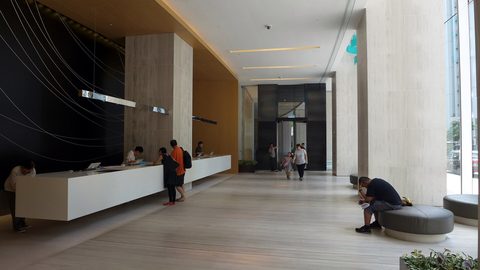 Hong Kong Hotels by Price Band and Property Type
Hong Kong hotel rooms are small, but the difference between a luxury harbour-view tower and a Mong Kok budget room is enormous.
Hong Kong Hotels by Price Band and Property Type
Hong Kong hotel rooms are small, but the difference between a luxury harbour-view tower and a Mong Kok budget room is enormous.
-
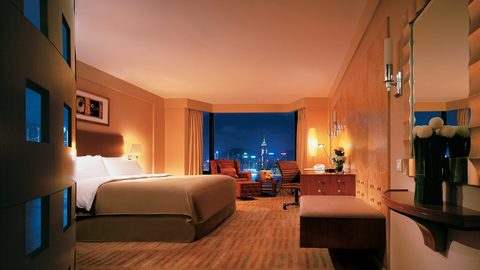 Where to Stay in Hong Kong Island or Kowloon for a First Visit
Hong Kong Island puts you in the financial and dining core, while Kowloon gives you harbour views and street life. The street you pick matters more than the district.
Where to Stay in Hong Kong Island or Kowloon for a First Visit
Hong Kong Island puts you in the financial and dining core, while Kowloon gives you harbour views and street life. The street you pick matters more than the district.
-
 How to Find Cheap Flights to Hong Kong International Airport
Hong Kong has one airport, a lot of airline competition, and a fast train into the city. The routing tricks are in the booking, not the arrival.
How to Find Cheap Flights to Hong Kong International Airport
Hong Kong has one airport, a lot of airline competition, and a fast train into the city. The routing tricks are in the booking, not the arrival.
-
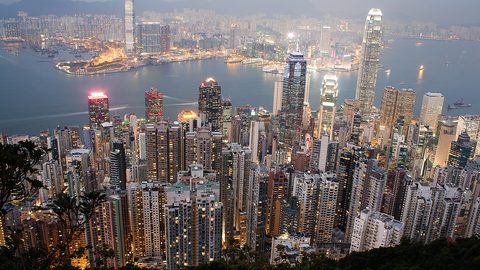 Things to Do in Hong Kong Ranked by What Is Worth Your Time
Victoria Peak, the Star Ferry, and a serious hike earn their fame. Some other Hong Kong sights do not.
Things to Do in Hong Kong Ranked by What Is Worth Your Time
Victoria Peak, the Star Ferry, and a serious hike earn their fame. Some other Hong Kong sights do not.
-
 Best Time to Visit Hong Kong for Clear Skies and Low Humidity
October to December offers the best balance of clear skies and low humidity, but every other season trades weather for lower prices or festivals.
Best Time to Visit Hong Kong for Clear Skies and Low Humidity
October to December offers the best balance of clear skies and low humidity, but every other season trades weather for lower prices or festivals.
-
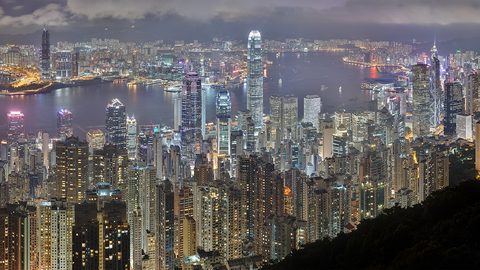 Victoria Peak
The view from Victoria Peak is the point; the tram queue is the problem, and there are four other ways up.
Victoria Peak
The view from Victoria Peak is the point; the tram queue is the problem, and there are four other ways up.
-
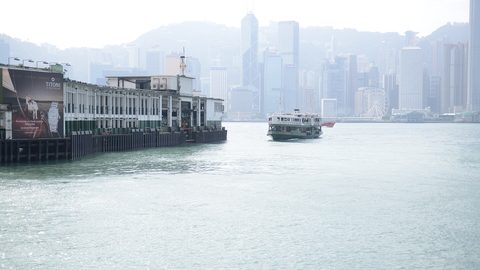 Star Ferry
The Star Ferry costs HK$5, takes 10 minutes, and the upper deck heading from Tsim Sha Tsui to Central gives the best skyline view.
Star Ferry
The Star Ferry costs HK$5, takes 10 minutes, and the upper deck heading from Tsim Sha Tsui to Central gives the best skyline view.
-
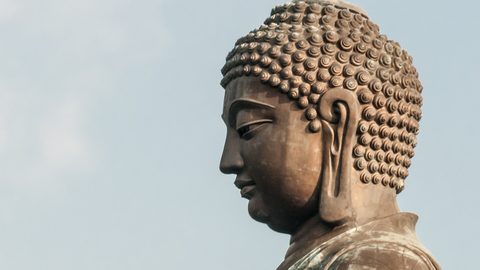 Big Buddha and Ngong Ping
The Big Buddha is 268 steps up, the cable car takes 25 minutes, and the village at the top is mostly a shopping mall.
Big Buddha and Ngong Ping
The Big Buddha is 268 steps up, the cable car takes 25 minutes, and the village at the top is mostly a shopping mall.