How to Pay in Hong Kong Without Carrying Too Much Cash
Get an Octopus card before you leave the airport. It works on the MTR, buses, and corner shops, but some noodle shops and taxis still need cash.
Buy an Octopus Card Before You Leave the Airport
Get the Card at Arrivals
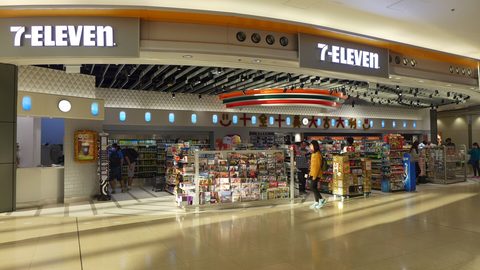
Your first purchase after landing at Hong Kong International Airport should be an Octopus card. It costs HK$150: a HK$50 refundable deposit plus HK$100 of stored value. Buy it at the Airport Express counter, an MTR Customer Service Centre, or a 7-Eleven in the arrivals hall. The card works on the Airport Express itself, so you can tap through the gate and ride the 24-minute train to Central without queuing again for a ticket. That single use justifies the purchase.
Where It Works Beyond the Train
The Octopus card is not just for the MTR. It covers buses, trams, green minibuses, the Star Ferry, and most ferries to outlying islands. It also works at 7-Eleven, Circle K, McDonald's, Starbucks, Wellcome, ParknShop, and Watsons. You can tap at vending machines, parking meters, and even some cinemas. The card holds up to HK$3,000 of value. There is no daily spending cap. Top up with cash at any MTR station or at 7-Eleven and Circle K locations across the city. The minimum top-up at retail outlets is HK$50.
The Digital Option
If you prefer not to carry a physical card, add Octopus to Apple Pay or Google Wallet. The digital version requires no deposit. Top up via a linked credit or debit card or through the Octopus App for Tourists. The app launched in 2023 and supports top-up in ten currencies including HKD, CNY, USD, EUR, and GBP. The digital card works at every tap point the physical one does. You lose the refundable deposit, but you also lose a pocket item that can be forgotten in a taxi.
Where Octopus Falters: Cash Only Holdouts
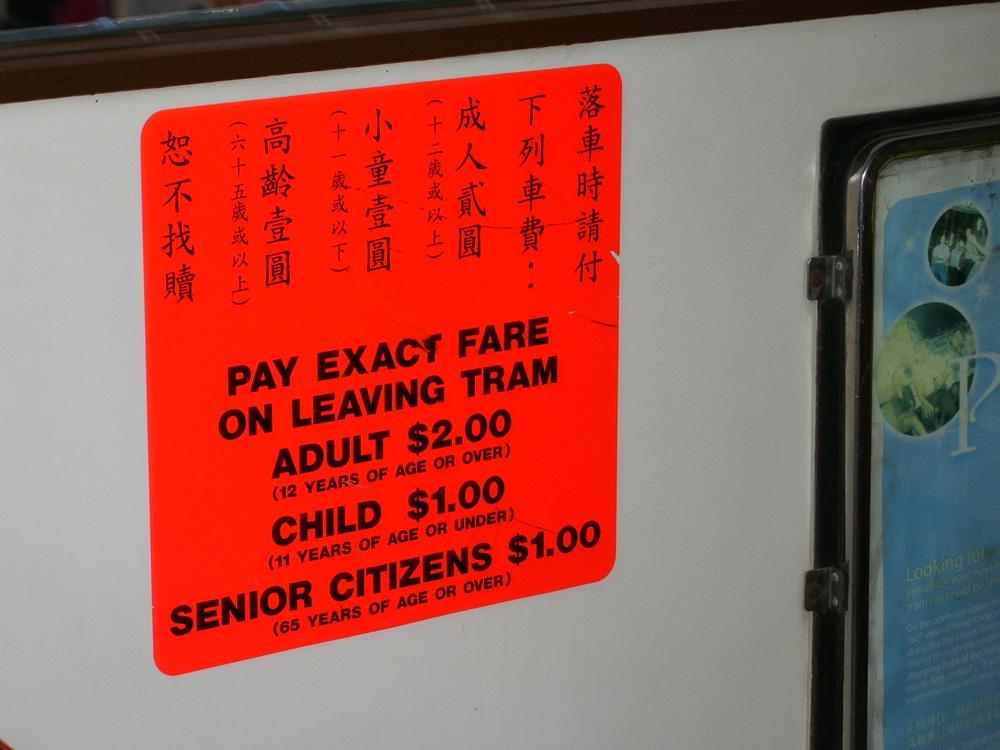
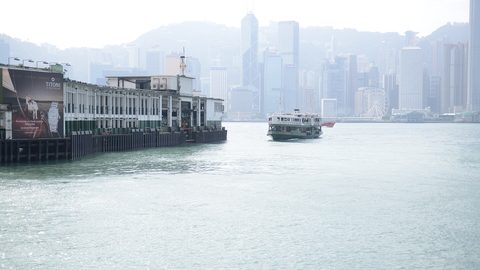
Octopus covers transit and chains. It does not cover the places you likely came to eat. Most dai pai dongs are cash only. Small cha chaan tengs often refuse cards and may decline Octopus for transactions under HK$100. Wet markets, temple donation boxes, and red minibuses accept cash only. The older turnstiles at the Star Ferry still take coins only, though most gates now accept Octopus and contactless bank cards.
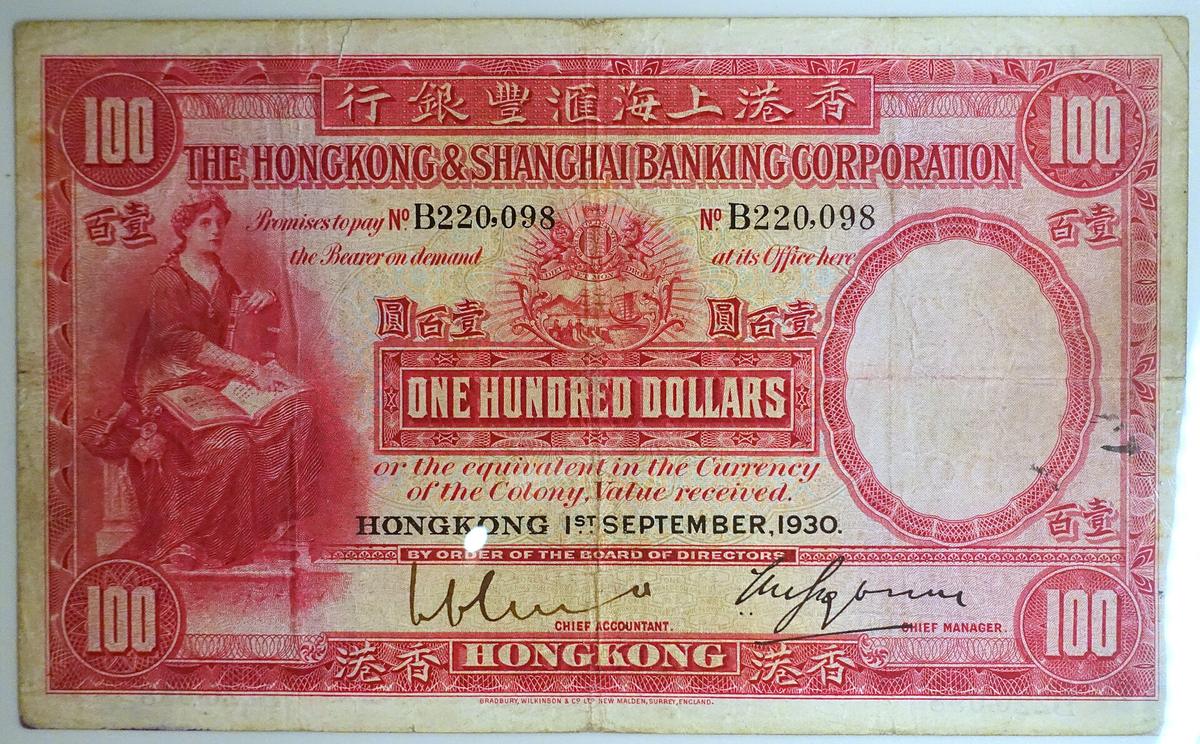
The pattern is simple: if the establishment is independent, old, or under a tarpaulin, expect to pay in cash. Carry small denominations. HK$20 and HK$50 notes are the most useful. HK$500 and HK$1,000 notes are difficult to break at small shops. The Hong Kong Monetary Authority issues six note denominations: HK$10, HK$20, HK$50, HK$100, HK$500, and HK$1,000. The HK$10 note is the only government-issued one; the rest come from HSBC, Standard Chartered, and Bank of China. Coins come in seven values: 10 cents, 20 cents, 50 cents, HK$1, HK$2, HK$5, and HK$7.
Taxis and the Small Note Problem
Taxis almost never accept credit cards. They rarely accept Octopus. They expect cash, and they expect you to have exact change or close to it for fares under HK$100. A short ride from Tsim Sha Tsui to Mong Kok costs roughly HK$40 to HK$60. Handing over a HK$500 note for that trip may earn you a glare or a refusal. Break larger notes at a 7-Eleven or MTR station before you flag a cab.
The airport taxi charge is higher. A taxi from the airport to Central or Tsim Sha Tsui costs roughly HK$300 to HK$400 and takes 30 to 45 minutes. Have that amount in HK$100 and HK$50 notes before you get in line. The driver will not have change for a HK$1,000 note.
| Payment Type | Transit | Chain Retail & Restaurants | Dai Pai Dong & Small Eateries | Taxis | Temples & Wet Markets |
|---|---|---|---|---|---|
| Octopus Card | MTR, Airport Express, buses, trams, green minibuses, Star Ferry, most outlying ferries | 7-Eleven, McDonald's, Starbucks, Wellcome, ParknShop, Watsons, vending machines | Rarely. Most are cash only. | No | No |
| Contactless Bank Card (Visa, Mastercard, UnionPay) | MTR fare gates only (adult single journey fare; no child concession) | Many chain stores and restaurants | No | No | No |
| Cash (HKD) | Star Ferry coin turnstiles, red minibuses | Everywhere | Required | Required | Required |
| Alipay / WeChat Pay | Not on transit | Common at shops targeting mainland visitors; some chain stores | Rarely | No | No |
.jpg)

The Cash Buffer You Need
Carry HK$500 to HK$1,000 in cash at the start of each day. That covers three meals at cash-only places, a couple of short taxi rides, a temple donation, and a wet market purchase. You will not get through a day in Mong Kok or Sham Shui Po on plastic alone.
For larger cash needs, ATMs are widespread. Foreign card fees vary by bank. HSBC charges HK$25 per withdrawal for non-HSBC cards. Bank of China and Hang Seng Bank each charge around HK$20. Check your own bank's fee schedule before you travel; it is the figure that matters. The machines accept Visa, Plus, Mastercard, Cirrus, UnionPay, and JCB. For currency exchange, the best rates are at the money changers in Chungking Mansions in Tsim Sha Tsui. Their spread runs from 0.5% to 2% off the mid-market rate for major currencies like USD, EUR, GBP, JPY, CNY, SGD, AUD, and CAD. Avoid the counters at the arrival terminal and hotel front desks.
The Tourist Version And When To Skip It
The Sold Tourist Octopus has a HK$39 non-refundable card fee and an initial stored value of HK$111. It saves you nothing over the standard card and cannot be refunded. Buy the standard card instead. You get the HK$50 deposit back at any MTR Customer Service Centre when you leave. The catch is a HK$11 handling fee if you refund within 90 days. That still leaves you HK$39 ahead of the tourist version.
Digital Backup: Cards And Wallets
Contactless bank cards have worked at MTR fare gates since 2021. They charge the adult single journey fare. You do not get the child or senior concession. And you do not get the small fare discounts Octopus offers on some routes. For transit only, a contactless card works. But for the rest of the city, Octopus plus cash is the combination that covers everything.
Common Questions
Where do I buy an Octopus card at the airport?
Buy it at the Airport Express counter, MTR Customer Service Centre, 7-Eleven, or Circle K in the arrivals hall. It costs HK$150, which includes a HK$50 refundable deposit and HK$100 of stored value.
Can I use my credit card to tap onto the MTR?
Yes, since 2021. Use a contactless Visa, Mastercard, or UnionPay card at the fare gate. The fare charged is the adult single journey fare. You do not get child or senior concessions and you do not get Octopus discount fares.
How do I top up my Octopus card?
Add cash at any MTR station ticket machine, 7-Eleven, Circle K, or Wellcome supermarket. The minimum top-up at retail locations is HK$50. You can also top up digitally via the Octopus App for Tourists using NFC on iOS 13 and Android 8.0 or later.
What do I do if I lose my Octopus card?
If you registered the card, the balance is protected. If you did not register it, the HK$50 deposit and any remaining value are lost. Registration is optional and available at MTR Customer Service Centres.
How much cash should I carry each day?
Carry HK$500 to HK$1,000. That covers cash-only dai pai dongs, small noodle shops, taxi fares under HK$100, temple donations, and wet market purchases.
Can I get my Octopus deposit back before I leave?
Yes, at any MTR Customer Service Centre. You receive the HK$50 deposit plus any remaining balance. If you return the card within 90 days of issue, a HK$11 handling fee applies.
Do I need to tip in Hong Kong?
No. Tipping is not expected at restaurants, in taxis, or in hotels. Most mid-range and upscale restaurants add a 10% service charge to the bill. Optional tips for hotel porters are HK$10 to HK$20.
Read next
-
 Hong Kong eSIM and Data Plans Before You Land
Hong Kong has no internet firewall. A cheap eSIM or tourist SIM from the airport gives you fast data for Google Maps and WhatsApp from the moment you land.
Hong Kong eSIM and Data Plans Before You Land
Hong Kong has no internet firewall. A cheap eSIM or tourist SIM from the airport gives you fast data for Google Maps and WhatsApp from the moment you land.
-
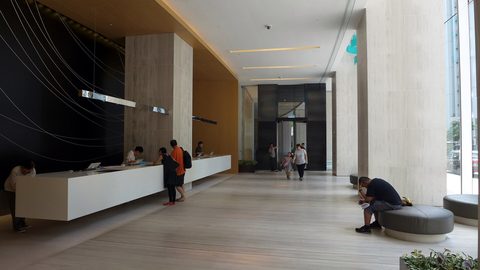 Hong Kong Hotels by Price Band and Property Type
Hong Kong hotel rooms are small, but the difference between a luxury harbour-view tower and a Mong Kok budget room is enormous.
Hong Kong Hotels by Price Band and Property Type
Hong Kong hotel rooms are small, but the difference between a luxury harbour-view tower and a Mong Kok budget room is enormous.
-
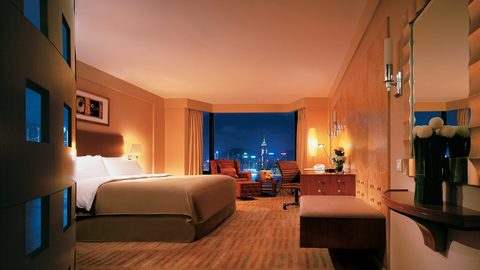 Where to Stay in Hong Kong Island or Kowloon for a First Visit
Hong Kong Island puts you in the financial and dining core, while Kowloon gives you harbour views and street life. The street you pick matters more than the district.
Where to Stay in Hong Kong Island or Kowloon for a First Visit
Hong Kong Island puts you in the financial and dining core, while Kowloon gives you harbour views and street life. The street you pick matters more than the district.
-
 How to Find Cheap Flights to Hong Kong International Airport
Hong Kong has one airport, a lot of airline competition, and a fast train into the city. The routing tricks are in the booking, not the arrival.
How to Find Cheap Flights to Hong Kong International Airport
Hong Kong has one airport, a lot of airline competition, and a fast train into the city. The routing tricks are in the booking, not the arrival.
-
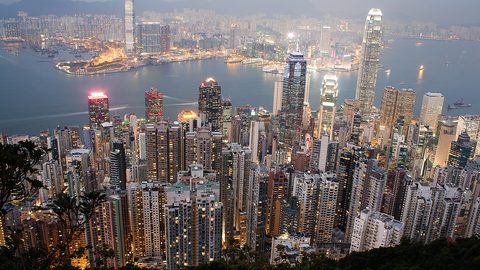 Things to Do in Hong Kong Ranked by What Is Worth Your Time
Victoria Peak, the Star Ferry, and a serious hike earn their fame. Some other Hong Kong sights do not.
Things to Do in Hong Kong Ranked by What Is Worth Your Time
Victoria Peak, the Star Ferry, and a serious hike earn their fame. Some other Hong Kong sights do not.
-
 Best Time to Visit Hong Kong for Clear Skies and Low Humidity
October to December offers the best balance of clear skies and low humidity, but every other season trades weather for lower prices or festivals.
Best Time to Visit Hong Kong for Clear Skies and Low Humidity
October to December offers the best balance of clear skies and low humidity, but every other season trades weather for lower prices or festivals.
-
 Victoria Peak
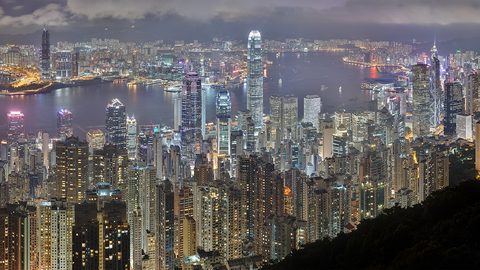
The view from Victoria Peak is the point; the tram queue is the problem, and there are four other ways up.
Victoria Peak
The view from Victoria Peak is the point; the tram queue is the problem, and there are four other ways up.
-
 Star Ferry
The Star Ferry costs HK$5, takes 10 minutes, and the upper deck heading from Tsim Sha Tsui to Central gives the best skyline view.
Star Ferry
The Star Ferry costs HK$5, takes 10 minutes, and the upper deck heading from Tsim Sha Tsui to Central gives the best skyline view.
-
 Big Buddha and Ngong Ping
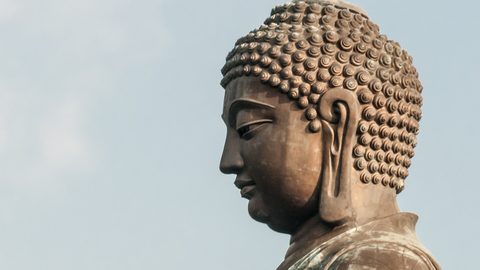
The Big Buddha is 268 steps up, the cable car takes 25 minutes, and the village at the top is mostly a shopping mall.
Big Buddha and Ngong Ping
The Big Buddha is 268 steps up, the cable car takes 25 minutes, and the village at the top is mostly a shopping mall.