Why Your Mainland China Adapter Won't Work in Hong Kong
Hong Kong uses Type G three-pin plugs and 220 volts. An adapter bought in mainland China won't fit, so check before you pack.
Why Your Mainland China Plug Won’t Work in Hong Kong
You landed in Hong Kong, pulled out the travel plug you bought in Shenzhen, and it does not fit a single socket in your hotel room. Here is why: Hong Kong uses Type G three-pin rectangular plugs on a 220-240 volt, 50 Hz system. Mainland China uses Type A (two flat pins), Type C (two round pins), and Type I (three flat pins in a V shape). A connector built for those plugs has the wrong shape for a Hong Kong wall socket.
The mismatch catches thousands of travellers every month. The standardisation happened under British colonial administration before the 1997 handover, and the electrical infrastructure was never changed after that transition. The socket in a Shenzhen hotel and the socket in a Hong Kong hotel are fundamentally different systems. If you are arriving from the United Kingdom, Ireland, Singapore, or any other Type G territory, you do not need a travel plug at all. Everyone else needs one.
What You Need and What It Costs
A Type G travel plug costs HKD 30 to HKD 80 at airport convenience stores and HKD 10 to HKD 30 on Apliu Street and the electronics lanes in Sham Shui Po, Kowloon. Buy it at the airport on arrival. Your devices will be dead within hours and the HKD 30 premium over Sham Shui Po prices is cheap insurance against a frustrating first evening. If you land after 22:00, the airport convenience stores still stock them.
Voltage and Your Devices
Your phone charger and laptop power brick almost certainly accept 100-240 volts at 50-60 Hz. Check the small print on the block: if it says “Input: 100-240 V,” you only need a plug adapter. No voltage converter required.
A hairdryer or hair straightener rated only for 110 volts will overheat and burn out on a 220 volt circuit. If those tools are essential, buy a voltage converter that handles at least double the wattage of the appliance, or buy a local 220 V model for HKD 100-200 at a ParknShop or Wellcome supermarket. Most hotel hairdryers are fragile wall-mounted units. Pack your own converter if you have thick hair.

North American Devices: What Works and What Breaks
Dual-Voltage Devices Are Safe
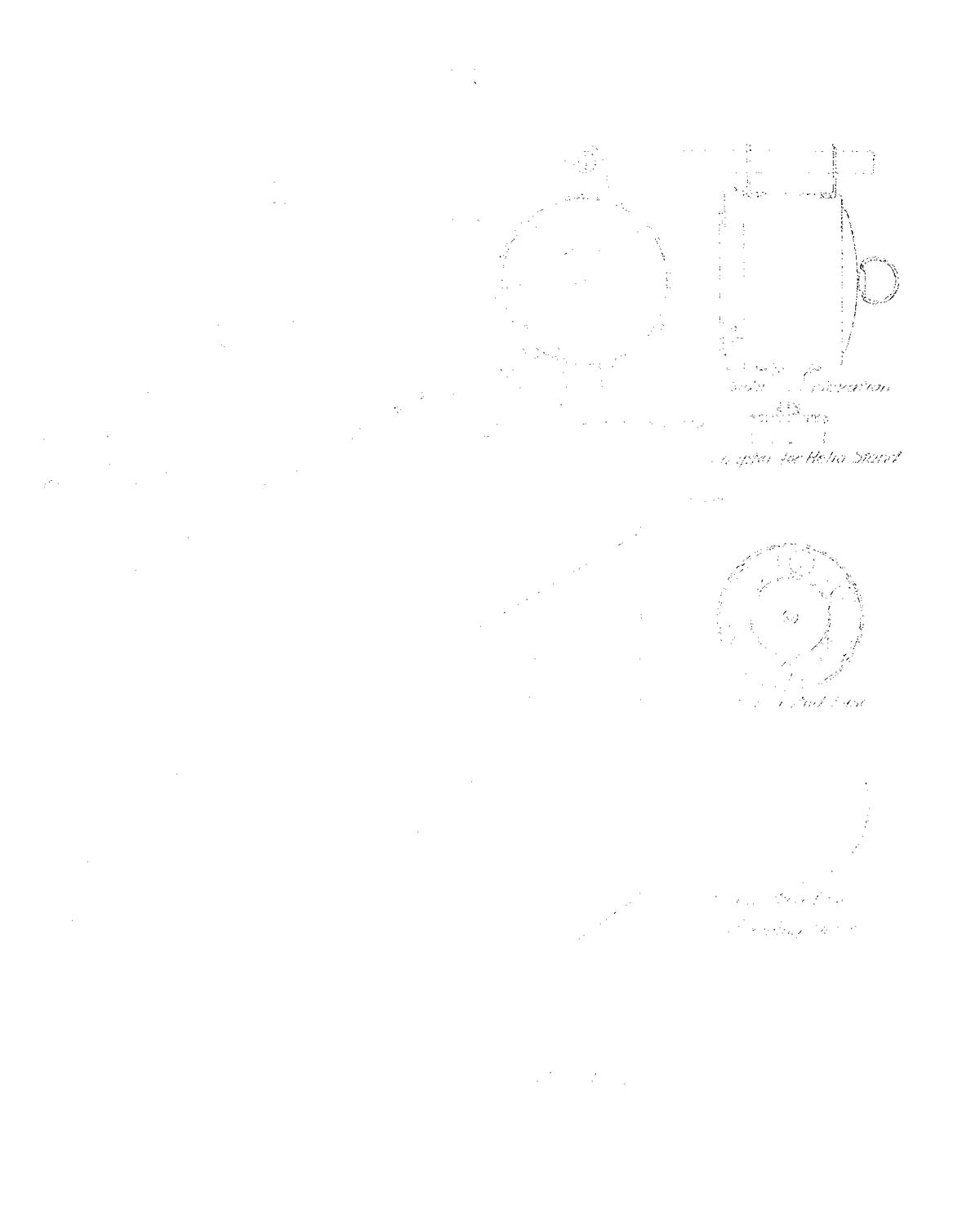
North American travellers get caught by voltage, not plug shape. Most dual-voltage devices (phone chargers, laptops, camera battery chargers, electric shavers) work fine with a simple travel plug. The failure case is a 110 V-only device plugged straight into a 220 V socket without a converter. The smell of burning electronics is how most people learn this lesson.
If your device has a power brick that lists “100-240 V,” you are safe. If it lists only “110 V,” you need a step-down transformer. Do not try a cheap travel converter rated below the device wattage: a 1500 W hairdryer on a 100 W converter will trip the breaker or start a fire. Buy a transformer rated at 2000 W or more, or skip the device entirely.
USB Sockets and Older Buildings
Newer hotels in Hong Kong, particularly those opened or renovated after roughly 2015, often have USB sockets built into the bedside lamps or desks. You can charge a phone or tablet directly with a USB cable. Older buildings, especially pre-1980s residential blocks where many budget hotels operate, may have loose or unearthed sockets. If the plug feels loose in the wall, do not force it. Find another socket or charge at a cafe.
Power Banks: the Rules Airlines Actually Enforce
Every Hong Kong carrier including Cathay Pacific, HK Express, Hong Kong Airlines, and Greater Bay Airlines bans power banks from checked baggage. The rules are enforced at the check-in counter, not just at security. Your power bank must travel in your carry-on bag.
The IATA limit for carry-on power banks is 100 watt-hours without airline approval. Between 100 Wh and 160 Wh, you need airline approval and can carry a maximum of two. Above 160 Wh, the power bank is forbidden. Most 10,000 mAh banks at 3.7 V are 37 Wh. Most 20,000 mAh banks are 74 Wh. The common 26,800 mAh size is 99.16 Wh, just under the automatic limit. To calculate watt-hours, multiply milliamp-hours by voltage and divide by 1,000: (mAh × V) ÷ 1000 = Wh.
If the bank has no printed Wh rating, airlines treat it as exceeding the limit. Pack a bank with a legible label. Gate agents in Hong Kong check this.
| Origin | Plug Type Used | Adapter Needed in Hong Kong? | Voltage Issue? |
|---|---|---|---|
| Mainland China | Type A, C, I | Yes | No (220 V same range) |
| United Kingdom | Type G | No | No (230 V compatible) |
| United States / Canada | Type A, B | Yes | Check device; 110 V-only needs converter |
| Australia / New Zealand | Type I | Yes | No (230 V compatible) |
| Europe (most) | Type C, F | Yes | No (220–230 V compatible) |
| Japan | Type A, B | Yes | Check device; 100 V-only needs converter |
| Singapore / Malaysia | Type G (Singapore also uses C, M) | No (if Type G) | No (230 V compatible) |

Where to Buy an Adapter When Everything is Closed
After Midnight
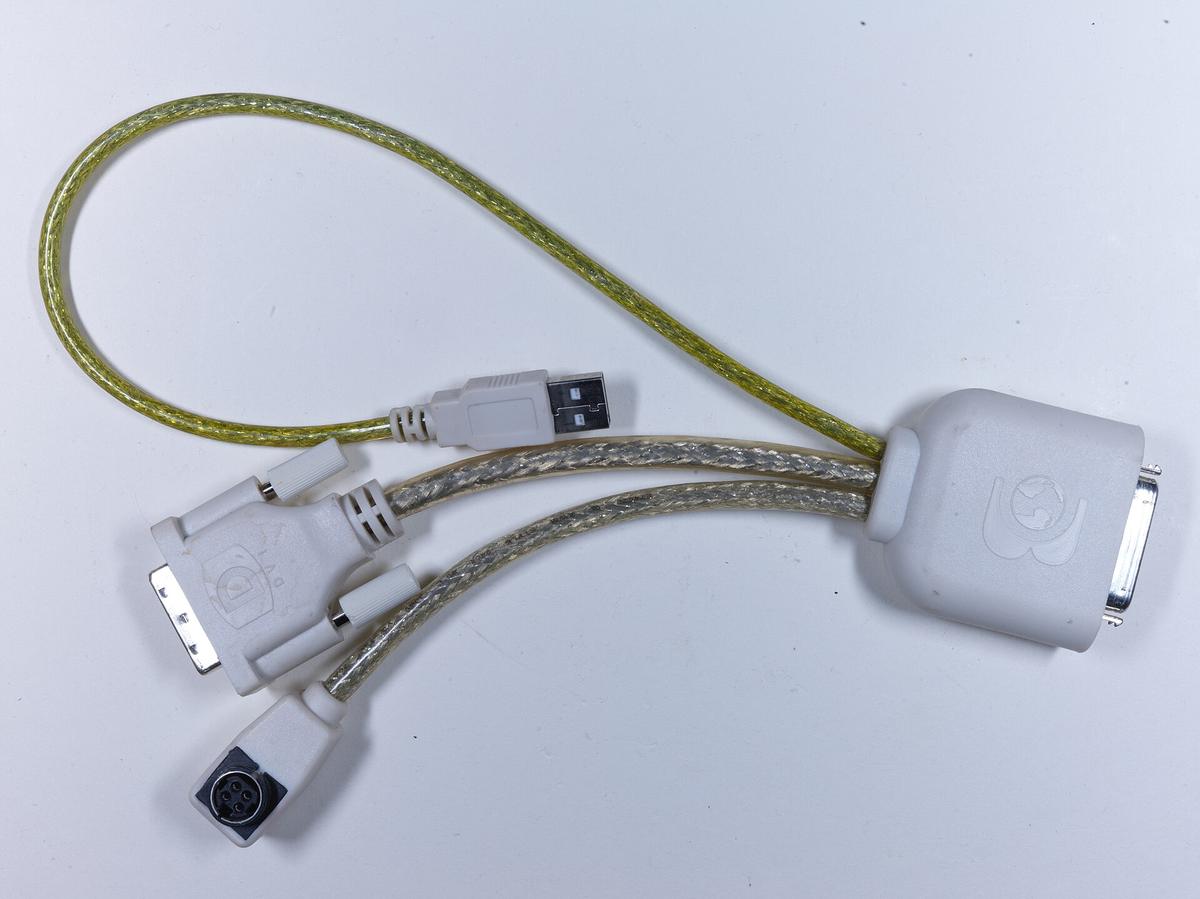
You arrive after midnight and the airport convenience store has run out of travel plugs. Three options exist. The 24-hour Wellcome supermarket at Tung Chung MTR station, one stop from the airport on the Airport Express, stocks them near the electronics aisle. The 24-hour ParknShop in the MTR link at Hong Kong Station in Central keeps them behind the customer service counter. If your hotel has a 24-hour Circle K or 7-Eleven attached, those convenience stores also carry a single model. The price is HKD 60-80.
Sundays and Holidays
On a Sunday or during Chinese New Year, Sham Shui Po electronics shops are shuttered. The hotel front desk may lend a universal travel plug against a small deposit. Call ahead. If they do not have one, use the hotel USB ports instead and buy a plug in the morning.
The single most practical thing you should do: put a Type G travel plug in your carry-on before you leave home. The one thing that goes wrong here is arriving exhausted with three dead phones and a bag full of chargers that do not fit.
Common Questions
Does Hong Kong use the same plug as mainland China?
No. Hong Kong uses Type G (three rectangular pins). Mainland China uses Type A, Type C, and Type I. A travel plug from Shenzhen or Beijing will not fit Hong Kong sockets.
Can I use my US hairdryer in Hong Kong without a converter?
No. A hairdryer rated only for 110 V will overheat and burn out on Hong Kong's 220 V circuit. Use a step-down converter rated for at least double the hairdryer's wattage, or buy a local 220 V model for HKD 100-200.
How much does a plug adapter cost in Hong Kong?
HKD 30-80 at airport and convenience stores. HKD 10-30 on Apliu Street in Sham Shui Po. The airport premium is worth paying if your devices are low on battery.
Do Hong Kong hotels have USB charging ports?
Hotels opened or renovated after roughly 2015 often have USB sockets beside the bed. Older buildings, especially budget hotels in pre-1980s blocks, do not. Carry a USB wall charger and a Type G travel plug.
Can I charge my phone in Hong Kong without an adapter?
If your phone charger has a USB cable and a power brick that accepts 100-240 V, you need only a Type G plug adapter. If the hotel has USB sockets, you can charge directly with the cable, no adapter needed.
Why are power banks banned from checked baggage on Hong Kong flights?
International air safety regulations prohibit lithium-ion power banks in checked baggage due to fire risk. Cathay Pacific, HK Express, Hong Kong Airlines, and Greater Bay Airlines all enforce this. Power banks must go in your carry-on bag.
What is the watt-hour limit for power banks on Hong Kong airlines?
Up to 100 Wh, no airline approval needed. Between 100 Wh and 160 Wh, you need airline approval and can carry a maximum of two. Above 160 Wh is forbidden. A typical 20,000 mAh bank at 3.7 V is 74 Wh.
Read next
-
 Hong Kong eSIM and Data Plans Before You Land
Hong Kong has no internet firewall. A cheap eSIM or tourist SIM from the airport gives you fast data for Google Maps and WhatsApp from the moment you land.
Hong Kong eSIM and Data Plans Before You Land
Hong Kong has no internet firewall. A cheap eSIM or tourist SIM from the airport gives you fast data for Google Maps and WhatsApp from the moment you land.
-
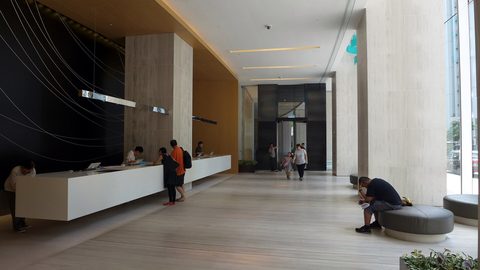 Hong Kong Hotels by Price Band and Property Type
Hong Kong hotel rooms are small, but the difference between a luxury harbour-view tower and a Mong Kok budget room is enormous.
Hong Kong Hotels by Price Band and Property Type
Hong Kong hotel rooms are small, but the difference between a luxury harbour-view tower and a Mong Kok budget room is enormous.
-
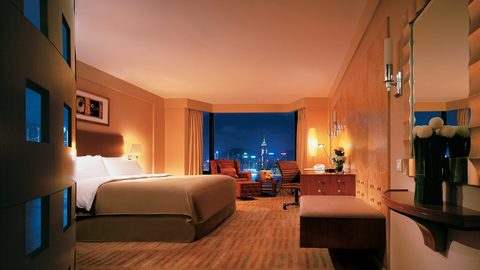 Where to Stay in Hong Kong Island or Kowloon for a First Visit
Hong Kong Island puts you in the financial and dining core, while Kowloon gives you harbour views and street life. The street you pick matters more than the district.
Where to Stay in Hong Kong Island or Kowloon for a First Visit
Hong Kong Island puts you in the financial and dining core, while Kowloon gives you harbour views and street life. The street you pick matters more than the district.
-
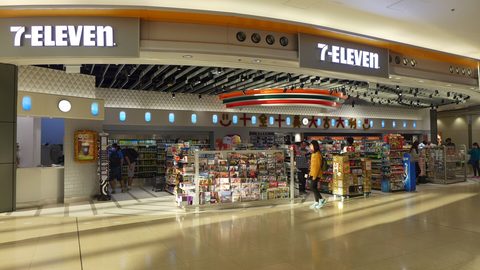 How to Find Cheap Flights to Hong Kong International Airport
Hong Kong has one airport, a lot of airline competition, and a fast train into the city. The routing tricks are in the booking, not the arrival.
How to Find Cheap Flights to Hong Kong International Airport
Hong Kong has one airport, a lot of airline competition, and a fast train into the city. The routing tricks are in the booking, not the arrival.
-
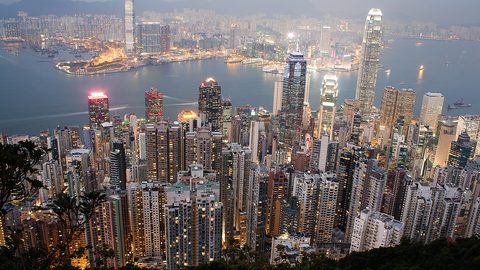 Things to Do in Hong Kong Ranked by What Is Worth Your Time
Victoria Peak, the Star Ferry, and a serious hike earn their fame. Some other Hong Kong sights do not.
Things to Do in Hong Kong Ranked by What Is Worth Your Time
Victoria Peak, the Star Ferry, and a serious hike earn their fame. Some other Hong Kong sights do not.
-
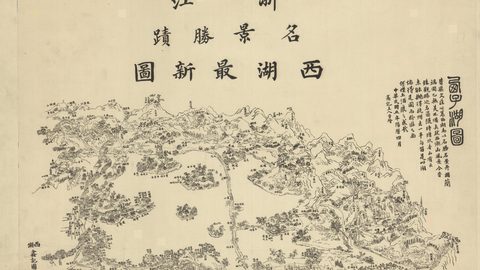 Best Time to Visit Hong Kong for Clear Skies and Low Humidity
October to December offers the best balance of clear skies and low humidity, but every other season trades weather for lower prices or festivals.
Best Time to Visit Hong Kong for Clear Skies and Low Humidity
October to December offers the best balance of clear skies and low humidity, but every other season trades weather for lower prices or festivals.
-
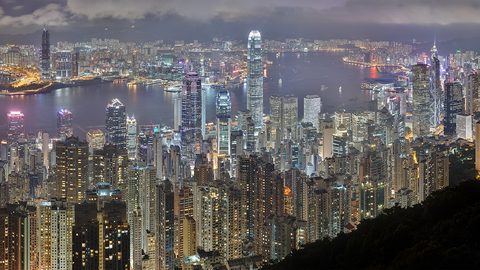 Victoria Peak
The view from Victoria Peak is the point; the tram queue is the problem, and there are four other ways up.
Victoria Peak
The view from Victoria Peak is the point; the tram queue is the problem, and there are four other ways up.
-
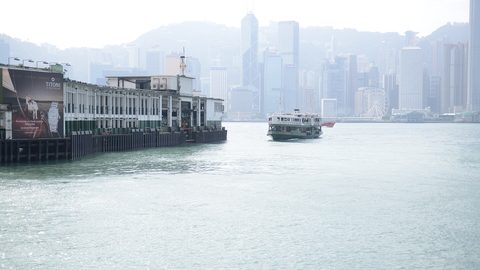 Star Ferry
The Star Ferry costs HK$5, takes 10 minutes, and the upper deck heading from Tsim Sha Tsui to Central gives the best skyline view.
Star Ferry
The Star Ferry costs HK$5, takes 10 minutes, and the upper deck heading from Tsim Sha Tsui to Central gives the best skyline view.
-
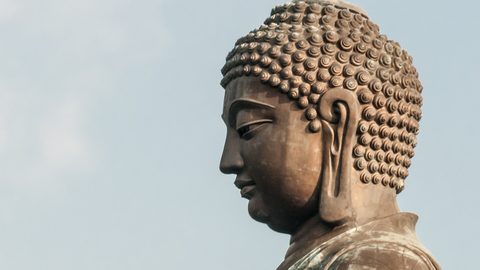 Big Buddha and Ngong Ping
The Big Buddha is 268 steps up, the cable car takes 25 minutes, and the village at the top is mostly a shopping mall.
Big Buddha and Ngong Ping
The Big Buddha is 268 steps up, the cable car takes 25 minutes, and the village at the top is mostly a shopping mall.