Seventeen Holidays, Two Calendars, and the Dates That Shut the City
Hong Kong has 17 public holidays, but only a few change a trip: Chinese New Year closures, Golden Week crowds, and August typhoon risk.
Hong Kong Public Holidays That Actually Change a Trip
Hong Kong observes 17 public holidays across two calendars, the Gregorian and the Chinese lunisolar, but only a handful will disrupt your visit. Chinese New Year closes independent eateries and shops for days and makes cross border travel chaotic. Golden Week in early October spikes mainland visitor numbers. August brings heat, humidity, and typhoon risk. The rest of the 17 dates barely affect a traveller because shopping malls, chain restaurants, the MTR, buses, ferries, and major attractions stay open. Know which holidays to dodge and which to ignore. That is the difference between a trip that flows and one that stalls.
Seventeen Holidays, Two Calendars
Eight of Hong Kong's public holidays are fixed to the Gregorian calendar: 1 January, Good Friday, Easter Monday, 1 May (Labour Day), 1 July (Hong Kong SAR Establishment Day), 1 October (National Day), 25 December (Christmas Day), and 26 December (Boxing Day). The other nine shift annually because they follow the Chinese lunisolar calendar: Lunar New Year's Day plus the second and third days, Ching Ming Festival, Buddha's Birthday, Tuen Ng Festival (Dragon Boat Festival), the day after Mid Autumn Festival, and Chung Yeung Festival.
The Hong Kong Government Gazette publishes the official holiday list each year, and the Hong Kong Observatory publishes a Gregorian to lunar calendar conversion table to confirm dates. The distinction between statutory holidays (13 days that apply to all employees) and general holidays (17 days that include additional days for some sectors) matters for local workers under the Employment Ordinance, Cap. 57. For a traveller the only calendar question is whether your dates land on one of the three avoid windows.
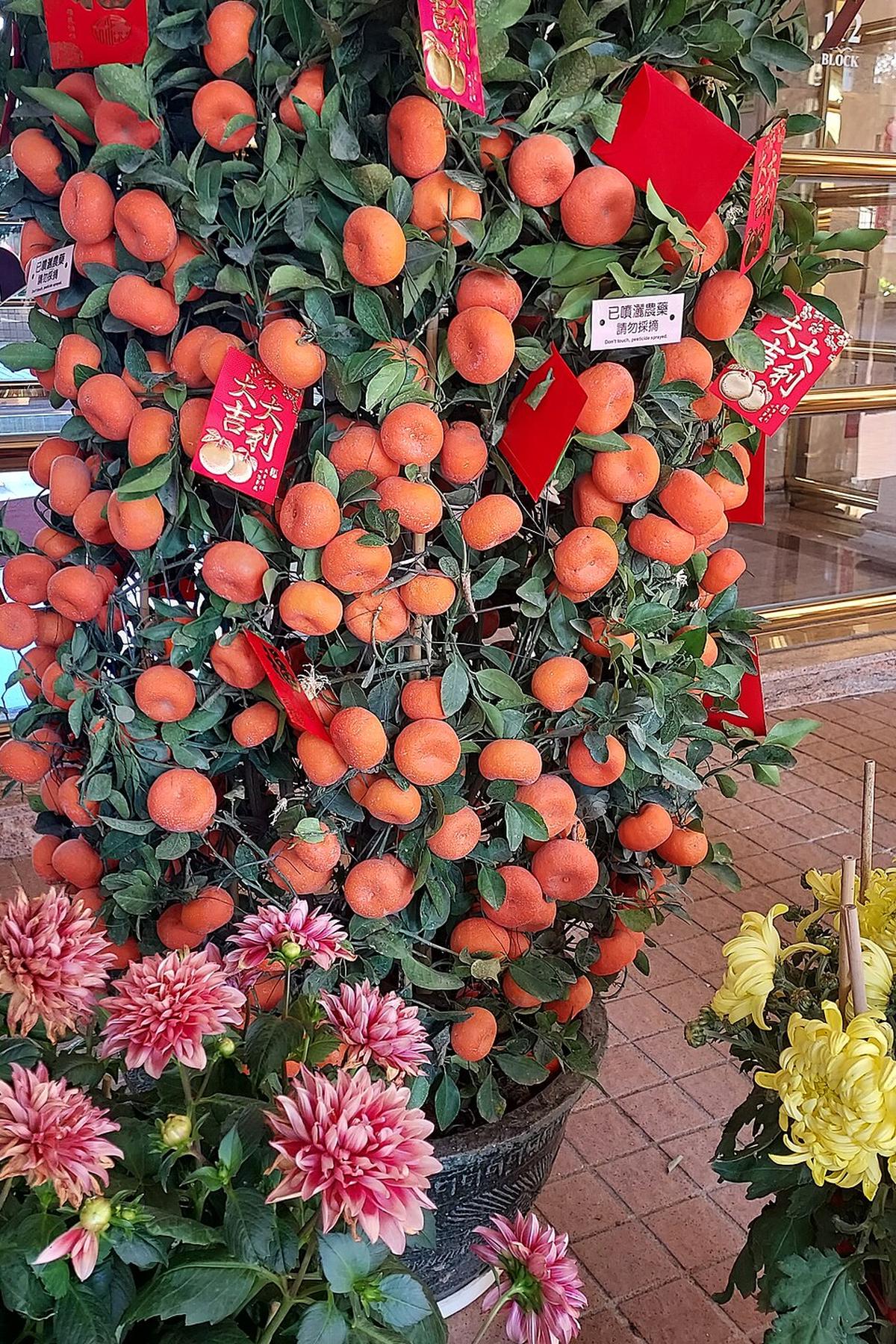

Chinese New Year Hong Kong Closures
What Closes And What Stays Open
Chinese New Year falls between 21 January and 20 February each year. The main holiday covers three days, but the real disruption runs longer. Independent restaurants, dai pai dongs, hole in the wall noodle shops, and family run businesses close for one to three days, sometimes longer. Arrive intending to eat at small local places and you will find rows of shuttered metal grilles. Shopping malls and chain restaurants stay open, so you will not go hungry, but the spontaneous street food crawl is off the table.
Cross Border Travel And Local Events
Cross border travel to mainland China and Macau becomes chaotic. The ferry terminals at Sheung Wan and Tsim Sha Tsui, and the land border crossings, see long queues and sold out tickets. Book every meal and every crossing in advance if your trip overlaps. The Lunar New Year flower markets operate for roughly three to seven days before the new year, and the Lam Tsuen Wishing Trees in Tai Po attract crowds. If you are flexible, move your dates to a week before or a week after the holiday.
Hong Kong Golden Week Crowds
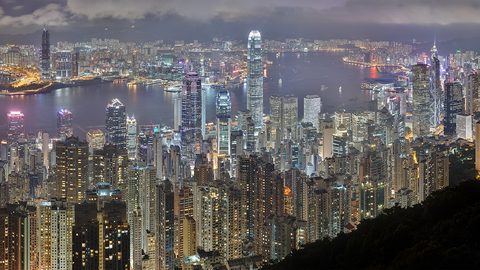
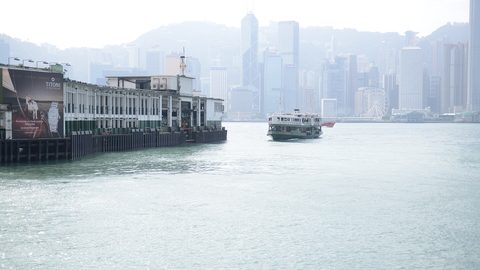
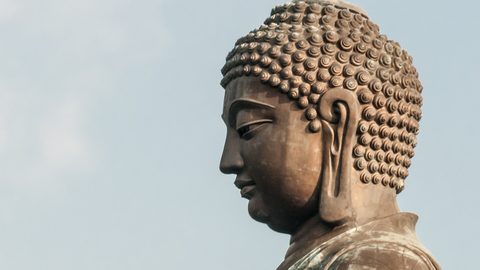
Golden Week refers to mainland China's two peak travel periods: the first week of May around Labour Day, and the first week of October around National Day. These are not Hong Kong public holidays, so local businesses operate normally. The problem is inbound mainland visitor numbers. Hong Kong's attractions, MTR carriages, and shopping streets fill with crowds that test patience even for travellers who are comfortable with density. Victoria Peak at dusk, the Star Ferry, the Avenue of Stars, and the Tian Tan Buddha cable car all hit peak wait times.
The October Golden Week is worse because it coincides with Hong Kong's peak season of clear skies, low humidity, and temperatures around 20 to 28 degrees Celsius. If you must visit during October Golden Week, book M+ Museum and Hong Kong Palace Museum tickets online ahead, arrive at major landmarks before 09:00, and budget extra time for every transfer. The better move is to aim for late October or November instead.
Hong Kong Typhoon Season August
How A Typhoon Changes Your Plans
August in Hong Kong brings high heat, extreme humidity, and typhoon risk. The city is efficient at handling storms, the MTR continues running until a T8 signal is hoisted, and most indoor attractions stay open. But a typhoon can cancel ferry services to Macau, Lamma Island, Cheung Chau, and Tai O for 24 to 48 hours. The Star Ferry suspends operations as well.
Build A Flex Day
The ferry from Sheung Wan to Macau costs HK$160 to 200 one way and takes one hour by TurboJET or Cotai Water Jet. If a typhoon warning is active, those tickets become refundable or reschedulable, not usable. A day trip to the fishing village of Tai O or the bun scrambling competition on Cheung Chau (held on Buddha's Birthday, the eighth day of the fourth lunar month, not in August) will need a backup plan. Build one flex day into any four day itinerary. Use it for shopping in Causeway Bay or a museum day at the Hong Kong Museum of History if the weather closes the ferries and trails. Do not book non refundable day trip tickets for August.
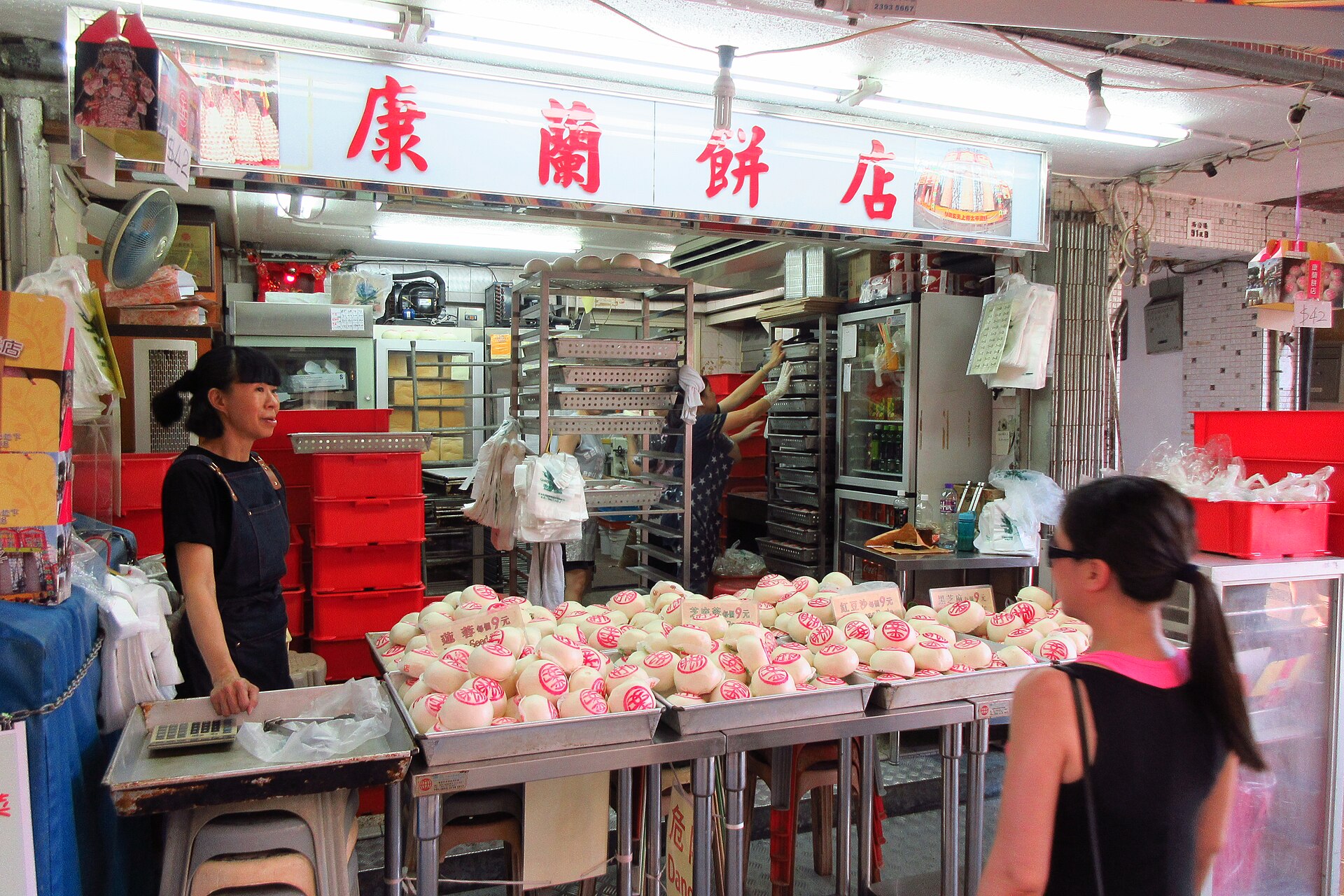

Hong Kong Holiday Calendar: Which Dates Matter
Holidays You Can Ignore
Beyond the three avoid windows, most Hong Kong public holidays are business as usual for a traveller. Good Friday, Easter Monday, Labour Day, SAR Establishment Day, National Day, Christmas Day, and Boxing Day all see shopping malls, chain restaurants, supermarkets, convenience stores, and the MTR running on normal or Sunday schedules. The only visible change is that some small family run shops and local markets close. The Sunday gathering in Central, where predominantly female migrant domestic workers from the Philippines and Indonesia occupy Chater Road, Statue Square, Edinburgh Place, and the area around the HSBC Main Building from roughly 10:00 to 18:00, is not a holiday but happens every week and can make pedestrian navigation through Central slower.
Lunar Holidays Worth Knowing
The lunar holidays that do not fall in the avoid windows still affect specific parts of the city. Ching Ming Festival, usually 4 or 5 April, is a day for tomb sweeping and does not close attractions. Tuen Ng Festival, the fifth day of the fifth lunar month, brings dragon boat races that are worth watching. The day after Mid Autumn Festival, the 15th day of the eighth lunar month, sees parks lit with lanterns. Chung Yeung Festival, the ninth day of the ninth lunar month, is another tomb sweeping day. Cheung Chau Bun Festival happens on Buddha's Birthday and features the bun scrambling competition on Cheung Chau Island, a draw for travellers who want a local event. None of these require you to change your itinerary, but they offer a reason to be in a specific district at a specific time.
The Only Three That Matter
Three holidays genuinely require advance planning: the Lunar New Year closures, the October Golden Week crowds, and the August typhoon risk. That is the list. The other fourteen are background noise.
Frequently Asked Questions
Does Hong Kong shut down completely on public holidays?
No. Shopping malls, chain restaurants, supermarkets, convenience stores, the MTR, buses, ferries, and major attractions stay open on all 17 public holidays. Only small family run shops and eateries, and some local markets, close. The exception is Chinese New Year, when the closure of independent businesses is widespread and lasts one to three days.
Is Chinese New Year the only holiday that closes restaurants?
Yes, for independent restaurants and dai pai dongs. Good Friday, Easter Monday, Labour Day, SAR Establishment Day, National Day, Christmas Day, and Boxing Day do not close family run eateries. Lunar holidays such as Ching Ming, Tuen Ng, and Chung Yeung also leave small restaurants open.
Are Hong Kong public holidays the same as mainland China holidays?
No. Hong Kong has its own list of 17 general holidays published by the Hong Kong Government Gazette. Mainland China's Golden Weeks in May and October are not Hong Kong public holidays, but they increase mainland visitor numbers to Hong Kong significantly.
What happens to the MTR and ferries on public holidays?
The MTR runs on a Sunday schedule on most public holidays. Ferries, including the Star Ferry and the TurboJET to Macau, operate on reduced or normal schedules depending on the holiday. During a typhoon warning, ferry services suspend operations.
Do I need to book hotels and flights around Chinese New Year and Golden Week?
Yes. Chinese New Year and the October Golden Week see high demand from mainland visitors. Hotels in Tsim Sha Tsui and Central fill first. Book flights and accommodation at least eight weeks ahead for Chinese New Year and six weeks ahead for October Golden Week.
Can I visit Cheung Chau during Buddha's Birthday?
Yes, but expect crowds. Cheung Chau Bun Festival runs on Buddha's Birthday, the eighth day of the fourth lunar month. The bun scrambling competition is the main event. Ferries from Central run more frequently but fill early. Arrive at Central Pier 5 before 09:00.
What is the difference between a statutory holiday and a general holiday in Hong Kong?
Statutory holidays, 13 days in total, apply to all employees under the Employment Ordinance. General holidays include additional days for some sectors, bringing the total to 17. The distinction matters for local workers but does not affect what is open for travellers.
Read next
-
 Hong Kong eSIM and Data Plans Before You Land
Hong Kong has no internet firewall. A cheap eSIM or tourist SIM from the airport gives you fast data for Google Maps and WhatsApp from the moment you land.
Hong Kong eSIM and Data Plans Before You Land
Hong Kong has no internet firewall. A cheap eSIM or tourist SIM from the airport gives you fast data for Google Maps and WhatsApp from the moment you land.
-
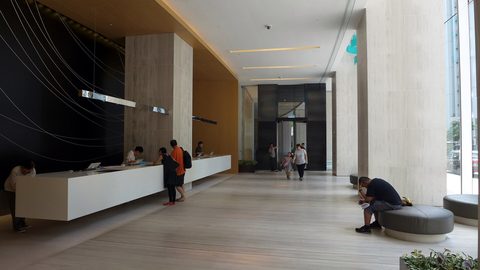 Hong Kong Hotels by Price Band and Property Type
Hong Kong hotel rooms are small, but the difference between a luxury harbour-view tower and a Mong Kok budget room is enormous.
Hong Kong Hotels by Price Band and Property Type
Hong Kong hotel rooms are small, but the difference between a luxury harbour-view tower and a Mong Kok budget room is enormous.
-
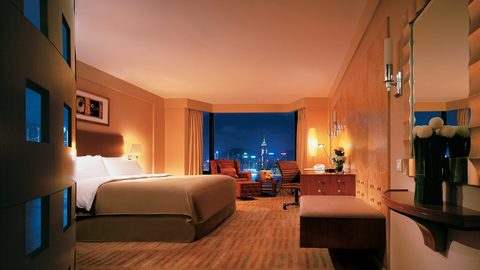 Where to Stay in Hong Kong Island or Kowloon for a First Visit
Hong Kong Island puts you in the financial and dining core, while Kowloon gives you harbour views and street life. The street you pick matters more than the district.
Where to Stay in Hong Kong Island or Kowloon for a First Visit
Hong Kong Island puts you in the financial and dining core, while Kowloon gives you harbour views and street life. The street you pick matters more than the district.
-
 How to Find Cheap Flights to Hong Kong International Airport
Hong Kong has one airport, a lot of airline competition, and a fast train into the city. The routing tricks are in the booking, not the arrival.
How to Find Cheap Flights to Hong Kong International Airport
Hong Kong has one airport, a lot of airline competition, and a fast train into the city. The routing tricks are in the booking, not the arrival.
-
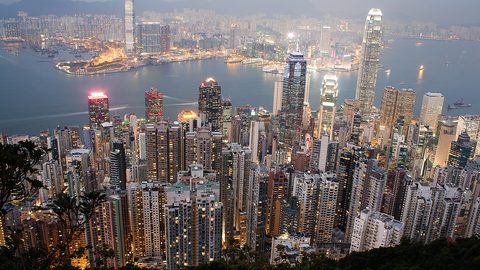 Things to Do in Hong Kong Ranked by What Is Worth Your Time
Victoria Peak, the Star Ferry, and a serious hike earn their fame. Some other Hong Kong sights do not.
Things to Do in Hong Kong Ranked by What Is Worth Your Time
Victoria Peak, the Star Ferry, and a serious hike earn their fame. Some other Hong Kong sights do not.
-
 Best Time to Visit Hong Kong for Clear Skies and Low Humidity
October to December offers the best balance of clear skies and low humidity, but every other season trades weather for lower prices or festivals.
Best Time to Visit Hong Kong for Clear Skies and Low Humidity
October to December offers the best balance of clear skies and low humidity, but every other season trades weather for lower prices or festivals.
-
 Victoria Peak
The view from Victoria Peak is the point; the tram queue is the problem, and there are four other ways up.
Victoria Peak
The view from Victoria Peak is the point; the tram queue is the problem, and there are four other ways up.
-
 Star Ferry
The Star Ferry costs HK$5, takes 10 minutes, and the upper deck heading from Tsim Sha Tsui to Central gives the best skyline view.
Star Ferry
The Star Ferry costs HK$5, takes 10 minutes, and the upper deck heading from Tsim Sha Tsui to Central gives the best skyline view.
-
 Big Buddha and Ngong Ping
The Big Buddha is 268 steps up, the cable car takes 25 minutes, and the village at the top is mostly a shopping mall.
Big Buddha and Ngong Ping
The Big Buddha is 268 steps up, the cable car takes 25 minutes, and the village at the top is mostly a shopping mall.