A Very Safe City With a Few Specific Risks to Know
Hong Kong is one of the safest cities anywhere. The real risks are summer hiking heat, typhoon conditions, and aggressive indoor air conditioning.
A Very Safe City with a Few Specific Risks to Know
Hong Kong is one of the safest cities in the world for violent crime. Street crime levels are low by international standards, and solo travellers face minimal risk walking alone at night in Central, Tsim Sha Tsui, or Mong Kok. The question 'is Hong Kong safe' gets a direct yes from crime statistics. The real dangers are not the ones you hear about on the news. They are heat, weather, and air conditioning.
Pickpocketing does happen in crowded markets and on MTR trains, but it ranks near the end of realistic property risks. The scams to watch are the commission-driven touts outside Chungking Mansions and the Nathan Road electronics shops with no marked prices. Tailor scams work the same way: a tout steers you to a shop that overcharges for low-quality fabric. Avoid all of them by buying only from stores with clear posted prices and by walking past anyone who approaches you on the street. Normal urban precautions apply. Solo female travel is safe here.

The Three Things That Actually Hurt Travellers
Heat Exhaustion On The Trail
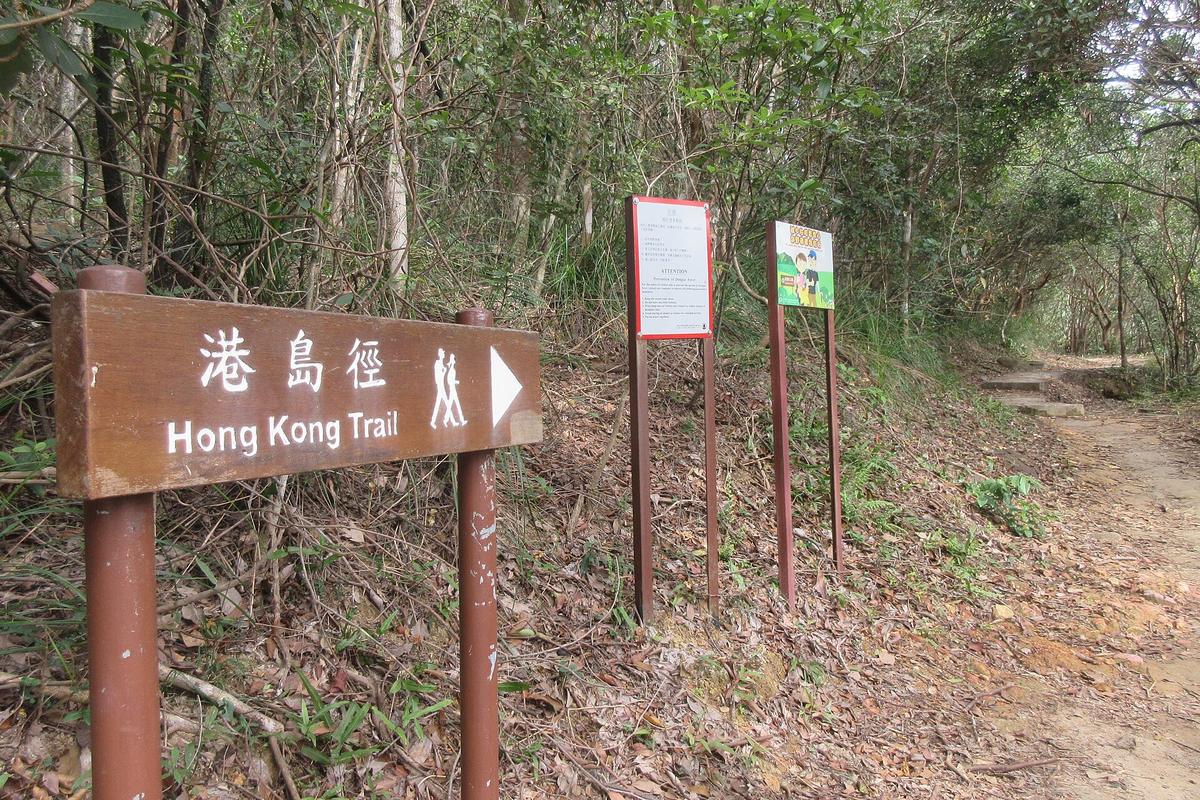
1. Hiking in summer heat without enough water. The leading cause of visitor injury in Hong Kong is hiking. Trailheads are 40 minutes from Central, which makes a day hike seem like a casual outing. It is not. The common error is starting at midday in June with one small bottle of water. Temperatures from May through September are high, and humidity makes exertion dangerous. Carry at least 1.5 litres per person. Start before 08:00. Know which trail has shade and which is exposed ridge line. If you feel dizzy or stop sweating, you are heading toward heat stroke. Turn around.
Typhoon Lockdowns
2. Typhoon conditions that close trails and transport. The Hong Kong Observatory issues numbered signals: 1, 3, 8, 9, and 10. Signal 8 means gale or storm-force winds expected. When that signal is raised, outdoor trails close, the MTR runs limited service, most shops and restaurants shut, and taxis disappear. Travellers who ignore the warnings and head out to see the waves end up stranded or injured. Signal 10 means hurricane-force winds and a full city lockdown. If you are in Hong Kong during typhoon season, monitor the Observatory website and budget a flex day in your schedule for weather.
The Indoor Freeze
3. Aggressive air conditioning that catches people without a layer. Indoor spaces in Hong Kong run air conditioning at a level that feels arctic after 30 minutes. Restaurants, MTR trains, shopping malls, and ferries all keep the temperature low. Visitors dressed for subtropical heat step inside and spend the rest of the day chilled. Carry a light jacket or long-sleeve layer year-round. It is the most common low-level discomfort, and you can solve it with a cheap layer from Uniqlo before you board the Airport Express.
| Risk | When It Happens | What Goes Wrong | Your Move |
|---|---|---|---|
| Heat exhaustion hiking | May to September | Starts midday with one small bottle of water, no shade, no phone signal | Start by 08:00, carry 1.5L, pick a shaded route, turn around at first symptom |
| Typhoon signal 8 or higher | June to October, peak August | Trails close, MTR stops, taxis vanish, emergency services strained | Monitor Hong Kong Observatory, stay indoors, budget a flex day |
| Cold from air conditioning | Every month, every indoor space | No layer = 30 minutes of shivering, ruined evening | Carry a long-sleeve layer in your day bag always |
Weather, Traffic, and Other Practical Dangers
Official Warning Systems
Heat and rain have official warning systems. The Hong Kong Observatory issues rainstorm warnings at Amber, Red, and Black levels. Black rainstorm means heavy rain exceeds 70 millimetres per hour. Landslide risk is present during and after heavy rain, especially on hiking trails and roads in the New Territories. When a Black rainstorm warning is active, stay indoors until it is downgraded. Do not attempt to reach a trail or a beach.
Crossing The Road
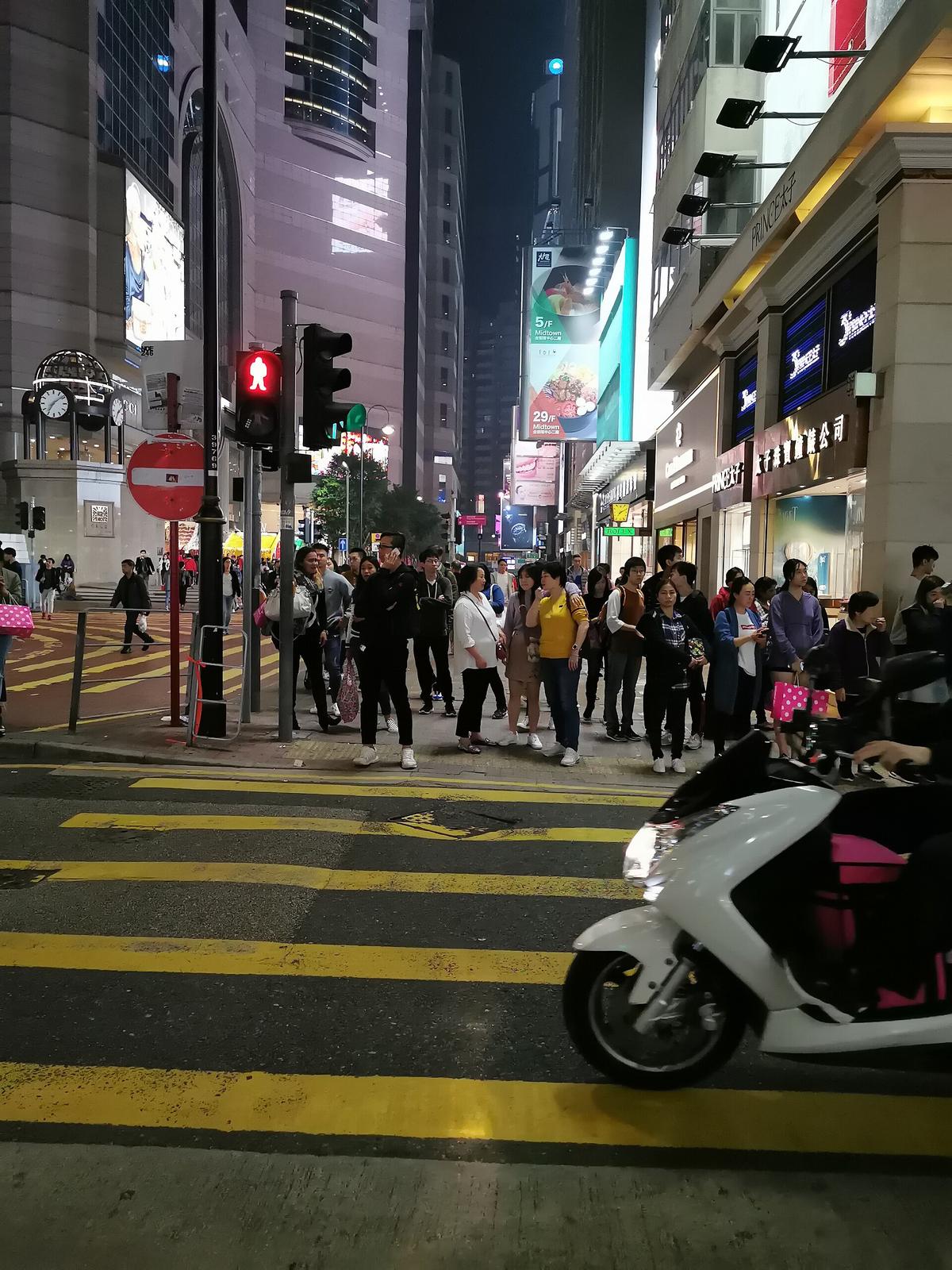
Traffic kills more visitors than crime. Hong Kong drives on the left. Visitors who come from right-side countries look the wrong way when crossing. Painted directional reminders at many pedestrian crossings help, but they are not everywhere. The failure case is stepping off a curb looking right when the traffic comes from the left. Check both directions every time, especially on narrow streets in Mong Kok and Wan Chai where cars and taxis move fast and close to the pavement.
Beaches And Photography
Beaches have rules that matter. Swimming beaches with lifeguards are flagged daily. Shark nets are installed at these gazetted beaches. Unflagged beaches have no lifeguard and no shark net coverage. Do not swim at an unflagged beach unless you know the local conditions and are prepared to handle a rescue on your own.
Photography has legal limits. Photographing police is subject to legal restrictions under the National Security Law and the Public Order Ordinance. Photographing protests is also restricted, and arrests have occurred. The practical advice: do not photograph police officers, checkpoints, or protest situations. The emergency number is 999 and the Hong Kong Police Force has English-speaking operators.

Who This City Suits and Who Should Skip it
Hong Kong suits urban explorers who love public transport and skyline photography. It suits food-focused travellers who will eat at dai pai dongs and hole-in-the-wall noodle shops and carry cash because small restaurants are cash-only. It suits luxury shoppers and high-end hotel stayers. It suits hikers who want serious trails with sea views and understand that the trailheads are 40 minutes from Central and require preparation. It suits solo travellers who value safety and ease of navigation, because the MTR is fast, air-conditioned, and covers nearly everything.
Hong Kong is not for travellers on a tight budget who want cheap street food and hostels. It is not for people who dislike crowds, queues, or small hotel rooms. It is not for anyone seeking a relaxed, slow-paced Southeast Asian beach town. And it is not for travellers who want wide-open public spaces rather than vertical malls and narrow streets. The one thing that most often goes wrong is underestimating the heat on a hike. You bring one small bottle of water. You start at midday. You find yourself on a ridge line with no shade and no phone signal. That is the failure. Carry enough water. Start early. Turn around when your body tells you to.
Frequently Asked Questions About Hong Kong Safety
Is Hong Kong safe for solo female travellers?
Yes. Solo female travel safety in Hong Kong is very good. Normal urban precautions apply: keep your bag zipped in crowded areas, stay aware in night markets, and use the same judgment you would in any major city. The street crime level is low.
What is the biggest scam to watch for in Hong Kong?
The Nathan Road electronics scam. Shops with no marked prices quote you one number, then switch the product or charge a higher price at the register. The classic version involves a memory card or lens that costs three times the market rate. Buy electronics only from stores with clear posted prices or chain retailers like Broadway and Fortress.
What should I do if a typhoon signal 8 is raised?
Stay indoors. Trails close, the MTR runs limited service, taxis disappear, and most shops and restaurants shut. The Hong Kong Observatory issues the warning. Monitor their website. Do not head out to watch the waves, that is how people get injured.
How much does a public hospital emergency visit cost?
Public hospital emergency fees depend on your residency status. The Hospital Authority publishes the current rates annually and sets a lower fee for eligible persons and a higher one for non-eligible visitors. Check their website before you travel. If you need emergency care, call 999 and go to the nearest 24-hour accident and emergency department.
Is the tap water safe to drink?
Hong Kong's tap water meets WHO standards at the treatment plant, but the pipes in older buildings degrade quality. Most locals boil it or buy bottled water. Hotels and hostels provide boiled or filtered water. The safest habit is to buy bottled water or use your own filter bottle.
Read next
-
 Hong Kong eSIM and Data Plans Before You Land
Hong Kong has no internet firewall. A cheap eSIM or tourist SIM from the airport gives you fast data for Google Maps and WhatsApp from the moment you land.
Hong Kong eSIM and Data Plans Before You Land
Hong Kong has no internet firewall. A cheap eSIM or tourist SIM from the airport gives you fast data for Google Maps and WhatsApp from the moment you land.
-
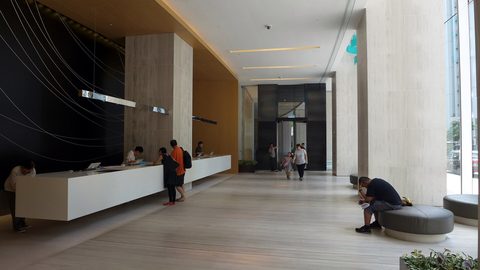 Hong Kong Hotels by Price Band and Property Type
Hong Kong hotel rooms are small, but the difference between a luxury harbour-view tower and a Mong Kok budget room is enormous.
Hong Kong Hotels by Price Band and Property Type
Hong Kong hotel rooms are small, but the difference between a luxury harbour-view tower and a Mong Kok budget room is enormous.
-
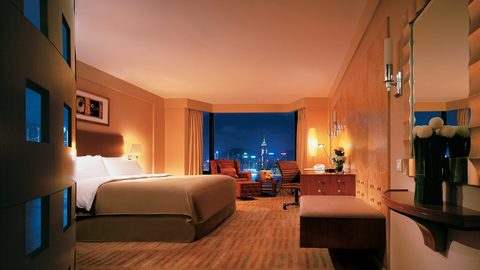 Where to Stay in Hong Kong Island or Kowloon for a First Visit
Hong Kong Island puts you in the financial and dining core, while Kowloon gives you harbour views and street life. The street you pick matters more than the district.
Where to Stay in Hong Kong Island or Kowloon for a First Visit
Hong Kong Island puts you in the financial and dining core, while Kowloon gives you harbour views and street life. The street you pick matters more than the district.
-
 How to Find Cheap Flights to Hong Kong International Airport
Hong Kong has one airport, a lot of airline competition, and a fast train into the city. The routing tricks are in the booking, not the arrival.
How to Find Cheap Flights to Hong Kong International Airport
Hong Kong has one airport, a lot of airline competition, and a fast train into the city. The routing tricks are in the booking, not the arrival.
-
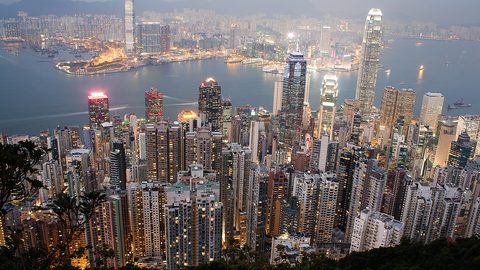 Things to Do in Hong Kong Ranked by What Is Worth Your Time
Victoria Peak, the Star Ferry, and a serious hike earn their fame. Some other Hong Kong sights do not.
Things to Do in Hong Kong Ranked by What Is Worth Your Time
Victoria Peak, the Star Ferry, and a serious hike earn their fame. Some other Hong Kong sights do not.
-
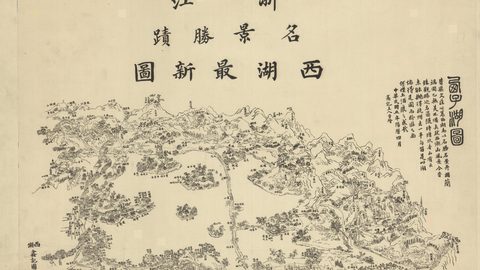 Best Time to Visit Hong Kong for Clear Skies and Low Humidity
October to December offers the best balance of clear skies and low humidity, but every other season trades weather for lower prices or festivals.
Best Time to Visit Hong Kong for Clear Skies and Low Humidity
October to December offers the best balance of clear skies and low humidity, but every other season trades weather for lower prices or festivals.
-
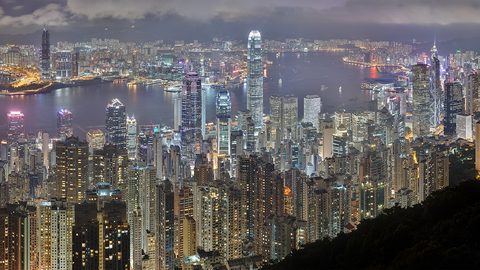 Victoria Peak
The view from Victoria Peak is the point; the tram queue is the problem, and there are four other ways up.
Victoria Peak
The view from Victoria Peak is the point; the tram queue is the problem, and there are four other ways up.
-
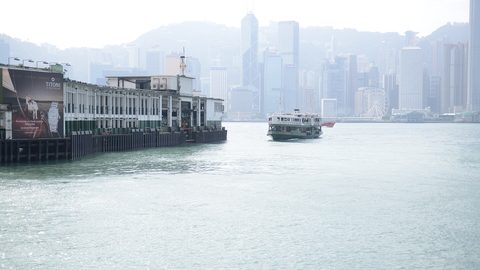 Star Ferry
The Star Ferry costs HK$5, takes 10 minutes, and the upper deck heading from Tsim Sha Tsui to Central gives the best skyline view.
Star Ferry
The Star Ferry costs HK$5, takes 10 minutes, and the upper deck heading from Tsim Sha Tsui to Central gives the best skyline view.
-
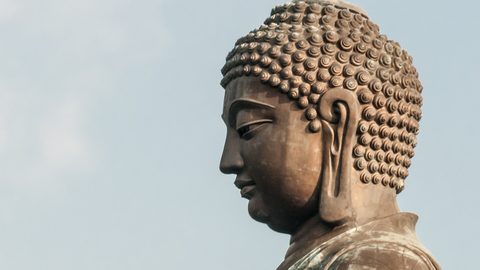 Big Buddha and Ngong Ping
The Big Buddha is 268 steps up, the cable car takes 25 minutes, and the village at the top is mostly a shopping mall.
Big Buddha and Ngong Ping
The Big Buddha is 268 steps up, the cable car takes 25 minutes, and the village at the top is mostly a shopping mall.