Who Can Enter Hong Kong Without a Visa and What You Fill In on Arrival
Hong Kong runs its own visa system. Most Western passports enter visa-free, but you still fill in an arrival card instead of getting a stamp.
Hong Kong Visa Rules and the Arrival Card Explained
Hong Kong is a separate immigration jurisdiction from mainland China. Your Chinese visa does not get you in. The Hong Kong entry rules have nothing to do with the mainland system. Most visitors do not need a visa at all. The Immigration Department of the Government of the Hong Kong Special Administrative Region grants visa-free entry to travellers from a long list of countries and territories. The allowance ranges from 14 days to 180 days depending entirely on your travel document. British nationals get 180 days. US, Canadian, Australian, New Zealand, Japanese, South Korean, Singaporean, Malaysian, Brazilian, Mexican, Israeli, Swiss, Norwegian, and most European Union nationals get 90 days. Indian and Philippine nationals get 14 days. Indonesian, Thai, South African, and UAE nationals get 30 days. Mainland China residents with a PRC passport get 7 days transit only with an onward ticket to a third destination, or 7 days if residing overseas with a valid third-country visa. Taiwan passport holders get 30 days. Macau SAR passport holders get 180 days. Check the Hong Kong Immigration Department website for the full visa-free access list. It is revised annually and the 2026 list may differ from the one you have now.
What Changed at Immigration: the Landing Slip Replaces the Stamp
Why You No Longer Get a Stamp
Hong Kong stopped stamping passports in 2021. You no longer get a rectangular ink mark on a fresh page. Instead the officer prints and hands you a small slip of paper called the landing slip, or e-arrival slip. It contains your arrival date, the date by which you must leave, and any conditions of stay. Keep it for your entire visit. Hotels ask for it at check-in. Border officials may ask for it on departure. If you lose it, report to the Immigration Department for a replacement. Losing it does not put you in legal trouble. Recovering it takes an hour at an immigration office and you do not want that on departure day.
What Happens at the Counter
The process at the counter itself has not changed much. The officer will ask your purpose of visit. Say tourism, business, transit, or family visit. They may ask for your address in Hong Kong. Have your hotel booking or host address ready. They may ask for proof of onward or return travel. Have a printed or phone-hosted ticket. For most travellers these questions are routine and take about 30 seconds. The confusion comes when you walk past the checkpoint expecting a stamp and get a slip. Do not throw it away in the airport terminal. Tuck it into your passport sleeve or phone case.

Arriving at HKG Airport and the Land Borders from Shenzhen
At Hong Kong International Airport
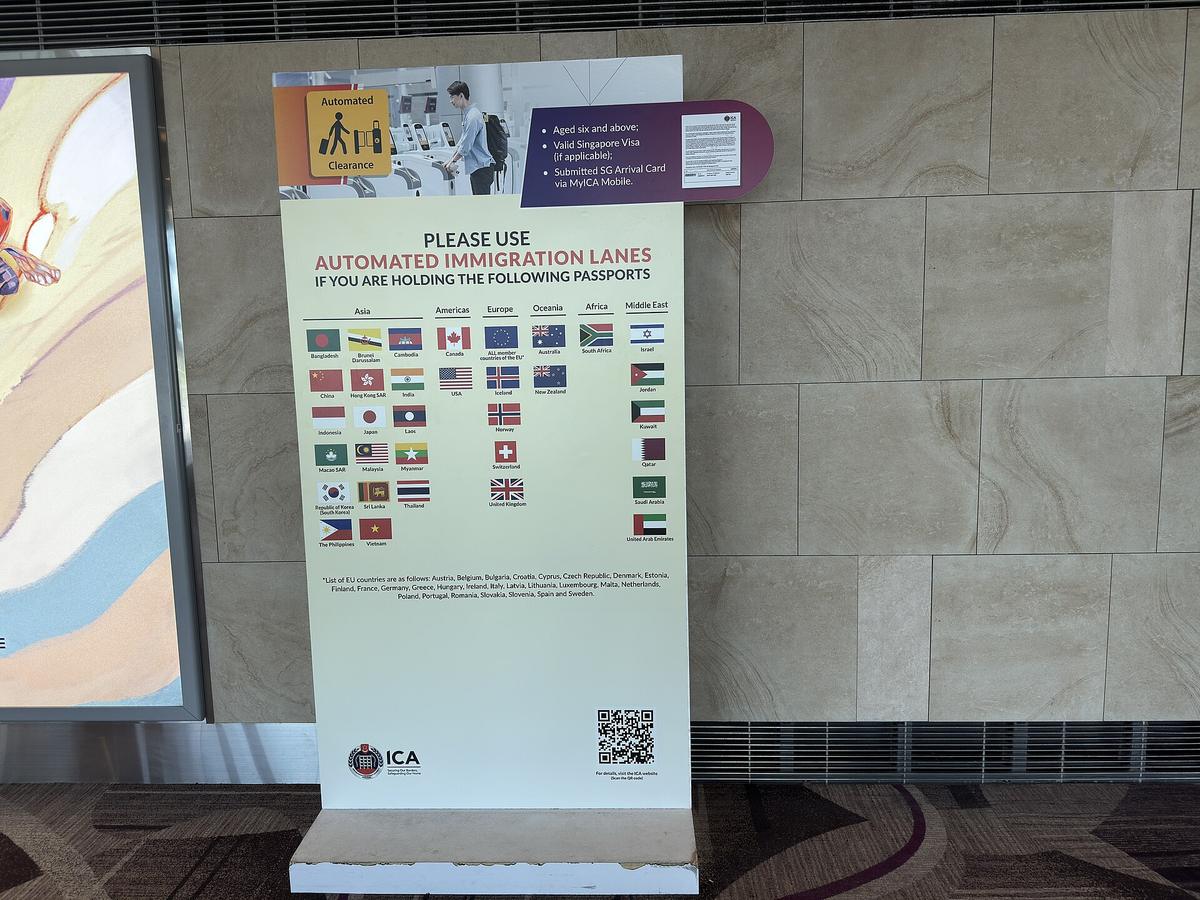
At Hong Kong International Airport you go through passport control before baggage claim. Follow the signs for Hong Kong Resident or Visitor lanes. The lanes for visitors are usually shorter. The officer will scan your travel document, take a photo, capture your fingerprints, and hand you the landing slip. The whole thing takes two to three minutes in a normal queue. Airport Express trains run from 05:54 to 00:48 and take 24 minutes to Central for HK$115 one way. Taxis to Central or Tsim Sha Tsui cost roughly HK$300 to HK$400 and take 30 to 45 minutes. Public buses like the A11 and A21 cost HK$34 to HK$40 and take 45 to 70 minutes. At 1am when the Airport Express has stopped, the N11 night bus runs the same route. Taxis accept cash and Octopus but rarely credit cards. Carry small notes for fares under HK$100.
Crossing by Land from Shenzhen
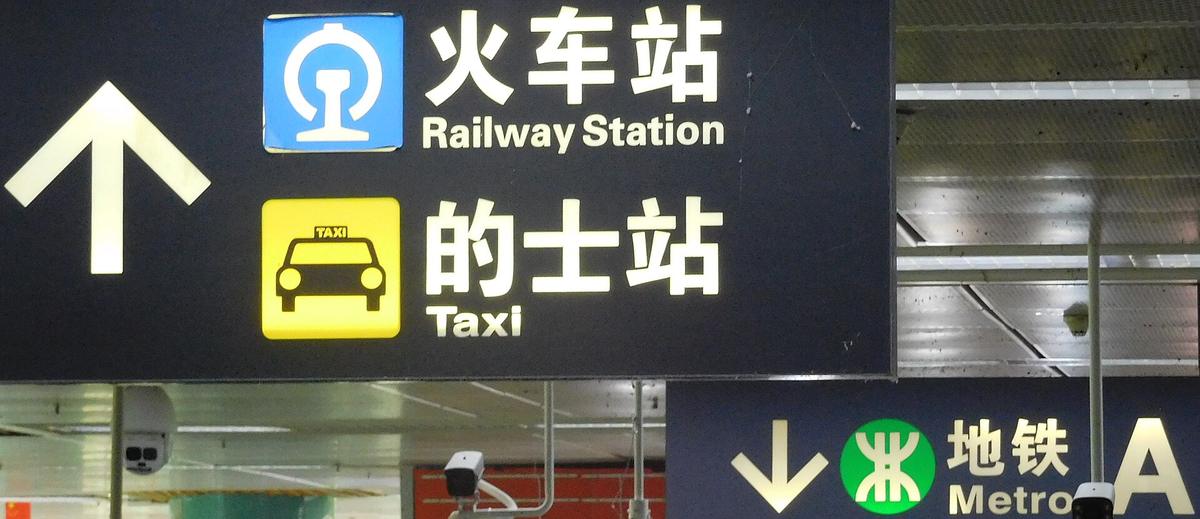
If you arrive by land from Shenzhen you cross at Lo Wu, Lok Ma Chau, Shenzhen Bay, Man Kam To, or Heung Yuen Wai. The same entry rules apply. Lo Wu is the busiest and connects directly to the MTR East Rail line. Lok Ma Chau is better if you are heading to the New Territories by bus. Shenzhen Bay is the fastest by car but the most remote. At all land borders you fill in nothing. The officer issues the same landing slip. The one thing that catches people: you need a Chinese visa or a Shenzhen special economic zone visa on arrival to get back into mainland China. The Shenzhen visa on arrival costs RMB 168, allows 5 days stay, and is available at Luohu, Huanggang, Shekou, and Shenzhen Bay ports. It is not available to all nationalities. Check eligibility before you plan a day trip. If you do a day trip to Shenzhen and return to Hong Kong the same day, your visa-free allowance in Hong Kong restarts only if it is a multi-entry allowance. Most nationalities get multiple entries. Not all do. Confirm yours before crossing.
Visa-Free Allowance by Passport: What You Get and What You Do Not
The table below is based on data from the Hong Kong Immigration Department. Because the list is revised annually the durations given are the 2024 rates. Verify your travel document on the Hong Kong Immigration Department website before you book travel.
90 Days and 180 Days
British nationals get 180 days. US, Canada, Australia, New Zealand, Japan, South Korea, Singapore, Malaysia, Brazil, Mexico, Israel, Argentina, Chile, Uruguay, Switzerland, Norway, Iceland, Liechtenstein, Monaco, San Marino, Andorra, Mauritius, Seychelles, Maldives, Fiji, and most other Pacific island nations get 90 days. European Union member state passports all get 90 days.
14 Days and 30 Days
Indonesia, Thailand, South Africa, UAE, Saudi Arabia, Morocco, Tunisia, Belarus, Georgia, Armenia, Panama, Costa Rica, Dominican Republic, Guatemala, Honduras, El Salvador, Nicaragua, Bolivia, and Paraguay get 30 days. India, Philippines, Russia, Ukraine, Kazakhstan, Moldova, Serbia, Bosnia, Albania, North Macedonia, and Montenegro get 14 days. Mainland China passport holders get 7 days transit only with an onward ticket to a third destination, or 7 days if residing overseas with a valid third-country visa. Taiwan passport holders get 30 days. Macau SAR passport holders get 180 days.
Nationalities That Need a Visa Before Travel
Nationals of Pakistan, Nepal, Nigeria, Bangladesh, Sri Lanka, Vietnam, Cambodia, Laos, Myanmar, Afghanistan, Iran, Iraq, Syria, Yemen, Libya, Somalia, North Korea, Cuba, Venezuela, Egypt, Algeria, Kenya, Ethiopia, Tanzania, Ghana, Uganda, Rwanda, and Kosovo must apply for a visa before travel. The application goes through Chinese diplomatic missions abroad or directly to the Hong Kong Immigration Department for some categories. Processing takes 4 to 6 weeks. The fee varies by nationality and visa type. Start the process at least two months before your trip.

What Happens If You Overstay, Work, or Get Refused Entry
Overstaying
Overstaying your permitted stay is a criminal offence under the Immigration Ordinance. The penalty is a fine up to HK$50,000 and imprisonment up to 2 years. You will be deported and may be banned from future entry. Do not overstay even by one day. If you are unsure of your departure date, book a flexible ticket and leave before the expiry printed on your landing slip.
Working on a Visitor Entry
Working on a visitor entry is prohibited. That includes unpaid work and volunteering. Business meetings are permitted. If you plan to do any paid or unpaid work you need an employment visa. The same rule applies to remote work. If you are caught working on a visitor entry the penalty is the same as for overstaying.
Refusal of Entry
If you are refused entry at the airport the Immigration Department decision is final at the point of entry. There is no appeal at the airport. You will be returned to your origin or last port of departure at the carrier's expense. You may be held in airport detention pending removal. You can apply for a review after departure but the review does not reverse the refusal. Avoid this. Have your onward ticket, hotel booking, and sufficient funds ready. If the officer suspects you intend to work or overstay you will not be let in regardless of your visa-free allowance.
Common Questions
Do I need a visa to enter Hong Kong?
It depends on your passport. Most nationalities get visa-free entry for 14 to 180 days. Check the Hong Kong Immigration Department website for the current list because it changes annually.
What is the landing slip and why did I not get a stamp?
Hong Kong stopped stamping passports in 2021. The landing slip, or e-arrival slip, is a paper slip issued at immigration that shows your arrival date and permitted stay. Keep it for your entire visit.
How long can I stay without a visa?
That depends on your passport. British nationals get 180 days. US, Canadian, Australian, and most EU nationals get 90 days. Indian and Philippine nationals get 14 days. Verify your duration on the Hong Kong Immigration Department website.
Can I go to mainland China from Hong Kong without a visa?
No. You need a Chinese visa or a Shenzhen special economic zone visa on arrival to enter mainland China. The Shenzhen visa is not available to all nationalities. Check eligibility before you plan a day trip.
What happens if I lose my landing slip?
Report the loss to the Hong Kong Immigration Department. You can get a replacement but it takes time. Do not wait until your departure day. Hotels may ask for the slip at check-in so keep it with your passport.
Can I work remotely in Hong Kong on a visitor entry?
The law prohibits all paid and unpaid work on a visitor entry including remote work for an overseas employer. Business meetings are permitted. If you plan to work you need an employment visa.
What documents do I need at immigration?
A passport valid for at least one month beyond your intended stay. Proof of onward or return travel. A hotel booking or host address. The officer may ask for proof of sufficient funds. Have all of these ready printed or on your phone.
Read next
-
 Hong Kong eSIM and Data Plans Before You Land
Hong Kong has no internet firewall. A cheap eSIM or tourist SIM from the airport gives you fast data for Google Maps and WhatsApp from the moment you land.
Hong Kong eSIM and Data Plans Before You Land
Hong Kong has no internet firewall. A cheap eSIM or tourist SIM from the airport gives you fast data for Google Maps and WhatsApp from the moment you land.
-
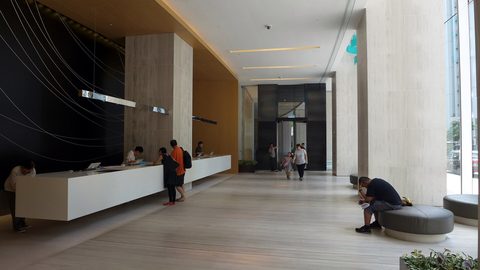 Hong Kong Hotels by Price Band and Property Type
Hong Kong hotel rooms are small, but the difference between a luxury harbour-view tower and a Mong Kok budget room is enormous.
Hong Kong Hotels by Price Band and Property Type
Hong Kong hotel rooms are small, but the difference between a luxury harbour-view tower and a Mong Kok budget room is enormous.
-
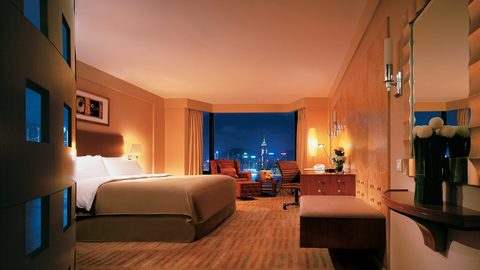 Where to Stay in Hong Kong Island or Kowloon for a First Visit
Hong Kong Island puts you in the financial and dining core, while Kowloon gives you harbour views and street life. The street you pick matters more than the district.
Where to Stay in Hong Kong Island or Kowloon for a First Visit
Hong Kong Island puts you in the financial and dining core, while Kowloon gives you harbour views and street life. The street you pick matters more than the district.
-
 How to Find Cheap Flights to Hong Kong International Airport
Hong Kong has one airport, a lot of airline competition, and a fast train into the city. The routing tricks are in the booking, not the arrival.
How to Find Cheap Flights to Hong Kong International Airport
Hong Kong has one airport, a lot of airline competition, and a fast train into the city. The routing tricks are in the booking, not the arrival.
-
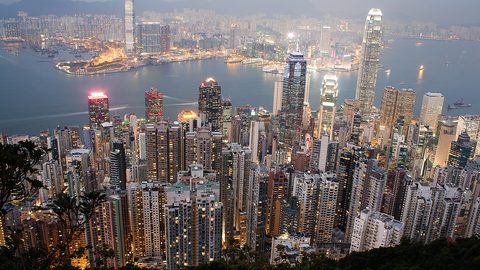 Things to Do in Hong Kong Ranked by What Is Worth Your Time
Victoria Peak, the Star Ferry, and a serious hike earn their fame. Some other Hong Kong sights do not.
Things to Do in Hong Kong Ranked by What Is Worth Your Time
Victoria Peak, the Star Ferry, and a serious hike earn their fame. Some other Hong Kong sights do not.
-
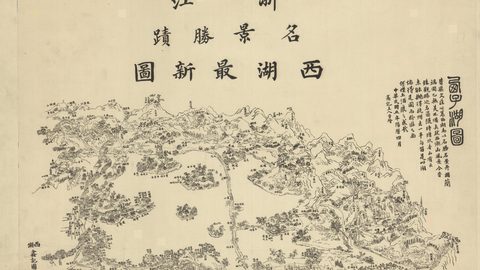 Best Time to Visit Hong Kong for Clear Skies and Low Humidity
October to December offers the best balance of clear skies and low humidity, but every other season trades weather for lower prices or festivals.
Best Time to Visit Hong Kong for Clear Skies and Low Humidity
October to December offers the best balance of clear skies and low humidity, but every other season trades weather for lower prices or festivals.
-
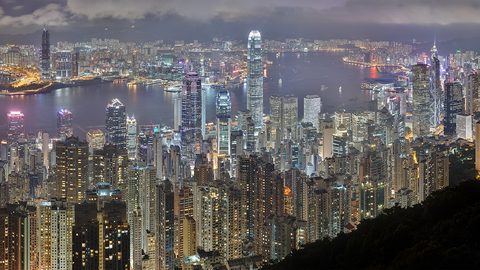 Victoria Peak
The view from Victoria Peak is the point; the tram queue is the problem, and there are four other ways up.
Victoria Peak
The view from Victoria Peak is the point; the tram queue is the problem, and there are four other ways up.
-
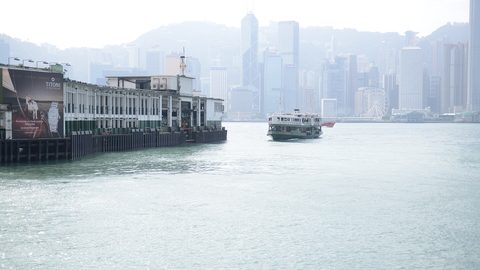 Star Ferry
The Star Ferry costs HK$5, takes 10 minutes, and the upper deck heading from Tsim Sha Tsui to Central gives the best skyline view.
Star Ferry
The Star Ferry costs HK$5, takes 10 minutes, and the upper deck heading from Tsim Sha Tsui to Central gives the best skyline view.
-
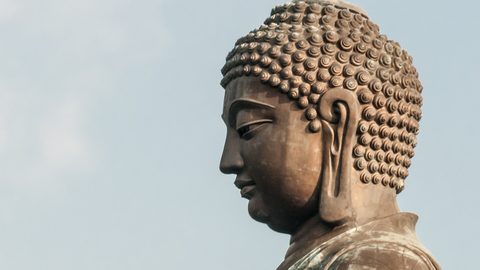 Big Buddha and Ngong Ping
The Big Buddha is 268 steps up, the cable car takes 25 minutes, and the village at the top is mostly a shopping mall.
Big Buddha and Ngong Ping
The Big Buddha is 268 steps up, the cable car takes 25 minutes, and the village at the top is mostly a shopping mall.