Is One Day Enough for Nikko from Tokyo
Take the Tobu Limited Express from Asakusa to Nikko for Toshogu's gilded shrine, cedar forest walks, and Kegon Falls in a long but rewarding day from Tokyo.
Yes, but Only If You Take the 06:00 Train
One day in Nikko from Tokyo works for Toshogu Shrine and Kegon Falls, but you lose any margin for error. The Tobu limited express from Asakusa takes 1 hour 50 minutes to 2 hours. The first departure leaves around 06:00. Miss it and your return platform time shifts past 20:30, the last train back. Budget 12 to 14 hours door to door if you include the upper lake area. Zero slack for the bus queues that build after 10:00.
The question is not whether the train runs. It is whether you are willing to wake before 05:00, skip a restaurant lunch, and accept that any foliage delay or lingering at a sight means you pay for a last-minute hotel room. Getting here without a car works, as long as you plan around the one useful bus. Book the right departure, skip the right sights, and know exactly what the failure states look like so you do not arrive in Nikko at 10:30 wondering where the day went.
The Only Viable Route: Tobu from Asakusa
You have two rail choices. The Tobu limited express from Tobu Asakusa is the right one. The JR route via Shinkansen to Utsunomiya then local to Nikko takes 2 hours 30 minutes to 3 hours and costs ¥6,000 to ¥7,000 each way. The Tobu train costs ¥4,140 one way: ¥2,800 base fare plus a ¥1,340 surcharge for the limited express. All seats are reserved. You must book your specific departure at the ticket counter or online before boarding.
Which Pass Should You Buy
The Tobu Nikko World Heritage Pass costs ¥2,120 for foreign tourists and covers a round trip on local and rapid trains plus local buses in Nikko. It does not cover the bus up to the lake area or Kegon Falls. The Tobu Nikko All Area Pass costs ¥4,780 for four days and covers that upper route plus the Kinugawa area. For a day trip that includes Kegon Falls, buy the World Heritage Pass and pay the ¥1,340 supplement each way, then pay ¥1,250 for the one-way bus from Tobu Nikko to the lake. Alternatively just buy the All Area Pass and pay the same supplement. The All Area Pass lets you board the bus without queuing for a ticket at the counter, saving 10 to 15 minutes. These passes are for foreign tourists only and require your passport at purchase. Prices here are indicative; Tobu and the shrine complex publish current rates. Tobu Railway publishes the current year figures, so check their English site before you travel.
What The Timetable Actually Means
First Tobu departure from Asakusa is around 06:00. Board it. Arrive at Tobu Nikko around 08:00. Last train back leaves Tobu Nikko around 20:00, but the last bus from the upper onsen area back down to the rail stop varies seasonally between 19:00 and 20:00. Take that 06:00 outbound and the 19:45 return and you have about 10 hours on the ground. That is 10 hours to see Toshogu, the Shinkyo Bridge, a quick lunch, a 45-minute bus ride up the Irohazaka road, the Kegon Falls elevator, a repeat bus down, and the short walk back. It fits. It does not fit if you stop for a second coffee.
The Morning: Toshogu and the Lower Shrines
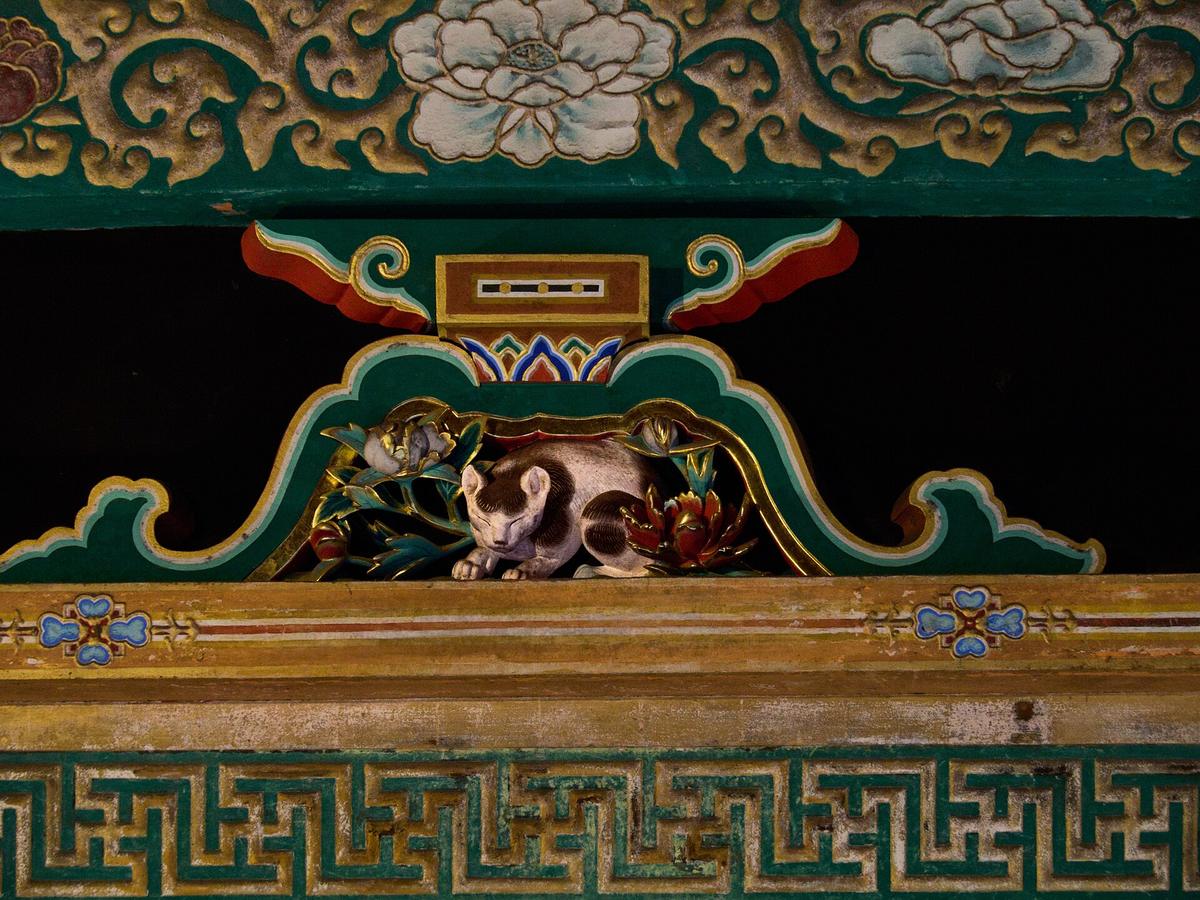
Walk from Tobu Nikko north along the main street, cross the vermillion Shinkyo Bridge (¥300 to walk across, skip it, you see it from the public road just fine), and enter the Toshogu shrine precinct by 08:30. Pay ¥1,300 for the main shrine area, or ¥2,100 for the combined ticket that includes the museum and Honjido Hall with its crying dragon ceiling. You want the combined ticket. The sleeping cat carving and Ieyasu's tomb are inside the main shrine area. Budget 60 to 90 minutes for a brisk walk through the main buildings, the ornate Yomeimon gate, and the uphill path to the tomb.
Rinnoji Temple's Sanbutsudo hall (¥900) and Taiyuin mausoleum (¥550) are adjacent. Add them only if you finish Toshogu before 10:00. Futarasan Shrine (¥300) sits five minutes east. At a brisk pace, Toshogu, Rinnoji, Futarasan and the Shinkyo crossing take 2.5 to 3 hours total. If you have only one day, spend those hours on Toshogu alone and skip the rest. The cedar-lined approach between the shrines is part of the walk itself, not a separate sight.
Lunch Strategy
You have two options. Eat a standing soba bowl at a shop near the shrine exit before 11:00, or buy a convenience store lunch at the rail stop and eat it on the bus. Do not sit down in a restaurant. The 45-minute bus ride up Irohazaka to the lake runs every 20 to 30 minutes. Aim for an 11:00 bus and you reach Kegon Falls by 11:50. Any later and you compress the afternoon into a rushed 90 minutes before the return bus.
The Afternoon: Kegon Falls and the Clock
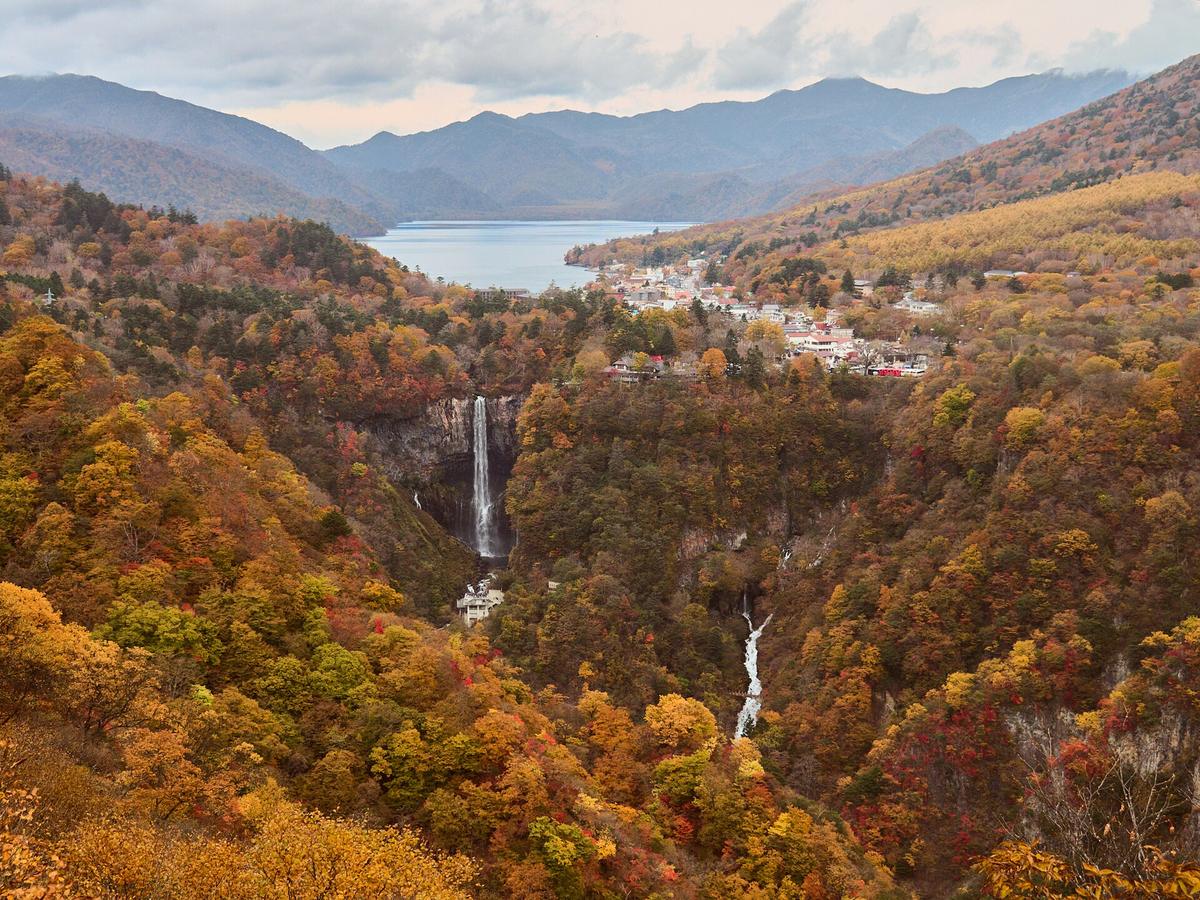
The Tobu bus from Tobu Nikko to the lake costs ¥1,250 one way and takes 45 to 50 minutes down the Irohazaka road's 48 hairpin curves. It terminates at the onsen town, a 10-minute walk to the Kegon Falls elevator entrance. Pay ¥570 for the elevator down to the observation platform at the base of the 97-metre waterfall. Spend 20 to 30 minutes there. That is all the time you have.
Do not take the lake cruise. It takes 50 minutes and adds no view that beats the waterfall. Do not hike the trails around the lake. Stay on the bus platform for the return journey. The last bus from the onsen area back to Tobu Nikko leaves between 19:00 and 20:00 depending on season. Miss it, and a taxi to the rail stop costs around ¥8,000 and takes the same 45 minutes. There is no late-night bus contingency.
The altitude at the lake is 1,269 metres, 5 to 8 degrees cooler than Tokyo. Pack a jacket even in August. In autumn, mid-October is the foliage peak around the lake, early to mid-November around Toshogu. Peak autumn weekends mean 60 to 90-minute bus delays on Irohazaka. If you visit in late October, do not attempt this day trip. Stay overnight.


Who Should Skip This Day Trip Entirely
Do not go to Nikko if you have fewer than five full days in Tokyo. The city's own districts take that long to feel, and a day trip burns a full day for two hours at a waterfall. Do not go if you find crowds anxiety-inducing. Toshogu is one of the most visited shrines in Japan, and the narrow paths inside the precinct are shoulder to shoulder by 10:00. Do not go on a peak autumn weekend unless you have booked a room. Do not go if you are not interested in shogunal history or elaborate shrine carpentry. Kegon Falls is a single 97-metre drop, not a hike or a swimming spot. If you want nature, Kamakura is one hour from Tokyo and offers a giant Buddha along with coastal walking trails, with none of the altitude complications.
The one thing that most often goes wrong: travellers buy the wrong pass at Asakusa, enter the JR gate looking for the Tobu platform, or arrive at Tobu Nikko without a reserved seat on the return train, and the next one is sold out for two hours. Check your ticket before you board the morning departure. Reserve your return seat before you leave the rail stop in the morning. Walk up to the ticket window at 17:00 on a Saturday asking for a seat on the 17:30, and the answer is likely no.
| Item | Cost (JPY) |
|---|---|
| Tobu Limited Express one way (base + surcharge) | 4,140 |
| Tobu Nikko World Heritage Pass (2 day) | 2,120 |
| World Heritage Pass limited express supplement each way | 1,340 |
| Tobu Nikko All Area Pass (4 day) | 4,780 |
| All Area Pass limited express supplement each way | 1,340 |
| Bus one way: Station to Lake Chuzenji | 1,250 |
| Toshogu main shrine area | 1,300 |
| Toshogu combined ticket | 2,100 |
| Rinnoji Sanbutsudo | 900 |
| Futarasan Shrine | 300 |
| Shinkyo Bridge | 300 |
| Kegon Falls elevator | 570 |
Read next
-
 Tokyo Hotels by Type and Budget from Capsules to Luxury
Tokyo hotels organised by type and price band, from efficient capsule pods to full-service luxury towers, to help you book the right room.
Tokyo Hotels by Type and Budget from Capsules to Luxury
Tokyo hotels organised by type and price band, from efficient capsule pods to full-service luxury towers, to help you book the right room.
-
 Where to Stay in Tokyo by District and Travel Style
A comparison of Tokyo's major districts to help you choose the right base for your travel style, whether you want calm or chaos.
Where to Stay in Tokyo by District and Travel Style
A comparison of Tokyo's major districts to help you choose the right base for your travel style, whether you want calm or chaos.
-
 Narita or Haneda for Tokyo and What That Airport Choice Costs You
Narita or Haneda for Tokyo: compare door-to-district time, transfer cost, and what the wrong airport choice eats from your trip.
Narita or Haneda for Tokyo and What That Airport Choice Costs You
Narita or Haneda for Tokyo: compare door-to-district time, transfer cost, and what the wrong airport choice eats from your trip.
-
 Things to Do in Tokyo That Are Worth Your Limited Days
A curated list of Tokyo's highest-impact sights and experiences, from immersive art to quiet backstreets, to help you prioritise your days.
Things to Do in Tokyo That Are Worth Your Limited Days
A curated list of Tokyo's highest-impact sights and experiences, from immersive art to quiet backstreets, to help you prioritise your days.
-
 Best Time to Visit Tokyo Month by Month Tradeoffs
A month-by-month guide to visiting Tokyo, laying out the trade-off between weather, crowds, price, and what's actually open.
Best Time to Visit Tokyo Month by Month Tradeoffs
A month-by-month guide to visiting Tokyo, laying out the trade-off between weather, crowds, price, and what's actually open.
-
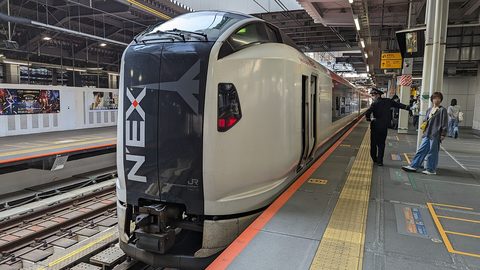 Getting Around Tokyo by Train Airport Transfers and IC Cards
A practical guide to Tokyo's rail network, covering airport transfers, IC cards, and how to avoid the station navigation mistakes that eat your day.
Getting Around Tokyo by Train Airport Transfers and IC Cards
A practical guide to Tokyo's rail network, covering airport transfers, IC cards, and how to avoid the station navigation mistakes that eat your day.
-
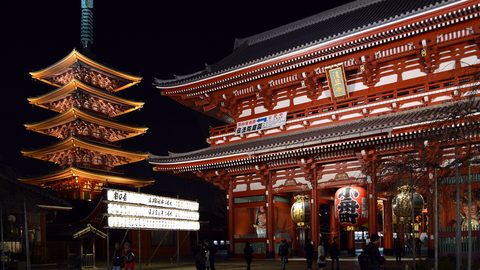 Senso-ji
 is free and never closes, but the experience at 6am with empty Nakamise stalls is nothing like the 11am crush under Kaminarimon. Here is when to go and what you get at each hour.
Senso-ji
Senso-ji is free and never closes, but the experience at 6am with empty Nakamise stalls is nothing like the 11am crush under Kaminarimon. Here is when to go and what you get at each hour.
-
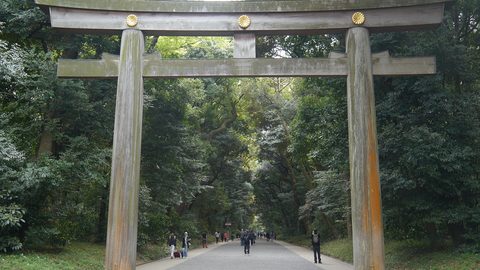 Meiji Jingu
The Meiji Jingu visit changes completely depending on which torii gate you enter. One drops you from Harajuku noise into sudden forest, the other builds quiet slowly from Yoyogi.
Meiji Jingu
The Meiji Jingu visit changes completely depending on which torii gate you enter. One drops you from Harajuku noise into sudden forest, the other builds quiet slowly from Yoyogi.
-
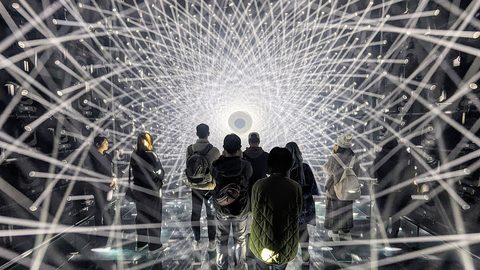 teamLab
 Borderless and Planets are two different Tokyo venues with separate booking systems. Borderless tickets at Azabudai Hills sell in timed slots and the maze has no fixed route.
teamLab
teamLab Borderless and Planets are two different Tokyo venues with separate booking systems. Borderless tickets at Azabudai Hills sell in timed slots and the maze has no fixed route.