Where to Eat in Shinjuku Across Its Wildly Different Districts
Shinjuku's eating districts mapped and explained: the smoky alleys of Omoide Yokocho, the all-night Kabukicho sprawl, and the polished department store restaurant floors.
Omoide Yokocho, Kabukicho, and the Food Districts That Define Shinjuku
You are standing in the world's busiest train station, hungry. Every direction leads to a different food neighbourhood. Shinjuku is four districts stitched together by a five-minute walk: Omoide Yokocho, Kabukicho, the department store basement food halls, and Golden Gai. Each runs on its own rules, prices, and hours. Pick the right one for what you want right now.
Each district operates separately. Here is how to eat well at any hour, on any budget, without getting scammed.

Omoide Yokocho: Smoke, Skewers, and the Last of Old Tokyo
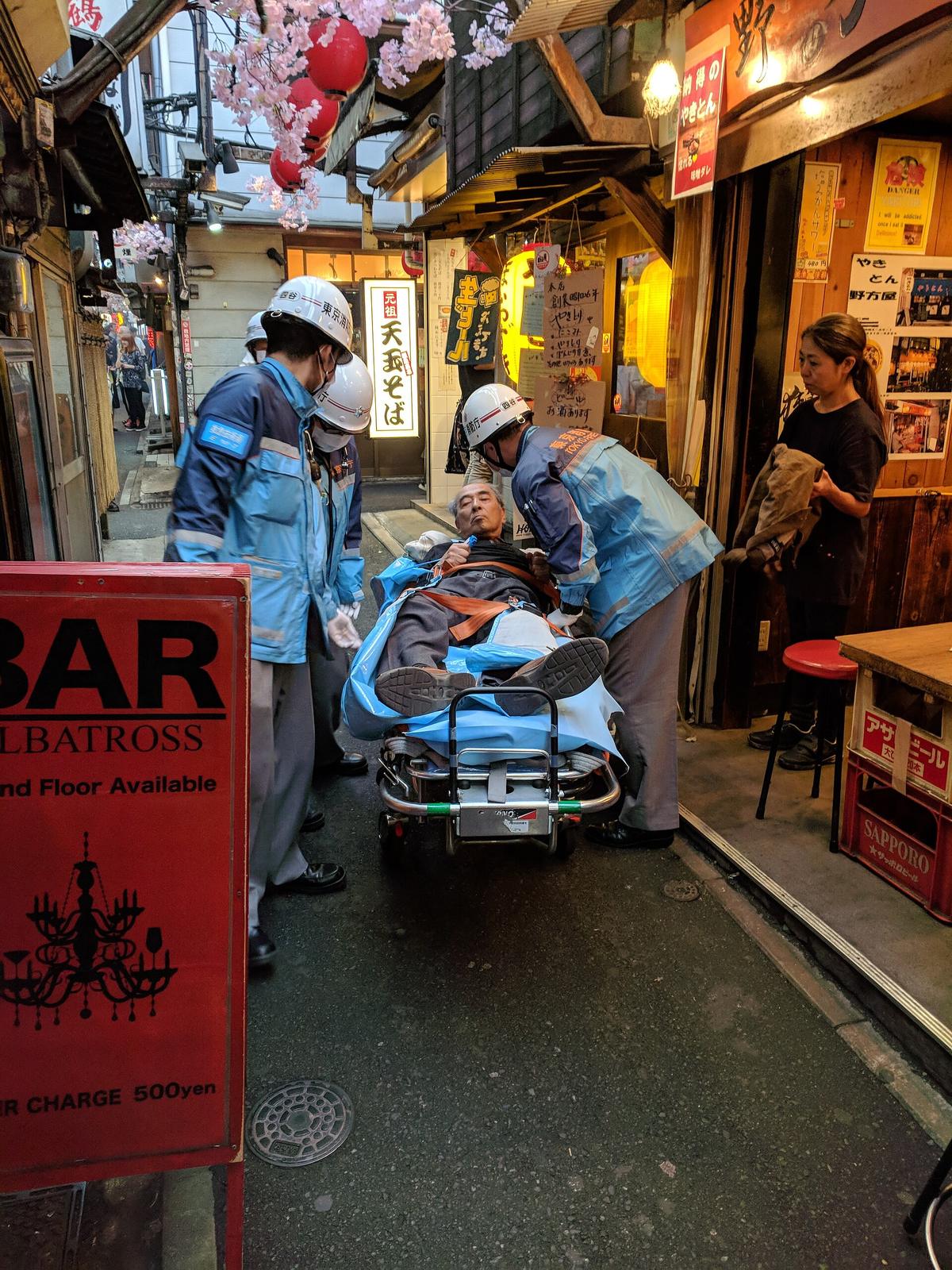
Omoide Yokocho means "Memory Lane". It was historically called "Piss Alley" for a reason you will infer from the narrow, open-drain passageways. Today roughly 60 tiny bars and eateries squeeze between the train tracks and the road west of JR Shinjuku Station. Each stall seats 6 to 10 people at a counter. You eat grilled chicken skewers (yakitori), offal (horumon), and drink beer or shochu for ¥500 to ¥800. A full round of skewers and a drink runs ¥800 to ¥2,500. Most stalls open around 17:00 and close by midnight. Some open from 13:00. Check each stall's closed day; many shut on Sunday or national holidays.
Which Stalls Welcome Visitors Without Japanese
Kameya has a picture menu with translations. Asadachi has a menu in English and staff used to tourists. Kabuto is an eel specialist with limited English but a picture menu. Toriyaki does grilled chicken and has a translated menu on request. Point at what your neighbour is eating if you get stuck.
This area is a tourist attraction. Prices sit above a neighbourhood yakitori joint, but the food is honest and the atmosphere is real. The failure case: arrive after 21:00 and every stall has a queue. Go at 17:00 when they open, or accept a 20 minute wait. Skip it entirely if you hate smoke or tight spaces.
Kabukicho: Eat Late, Eat Safe, Ignore the Touts
Kabukicho is Japan's largest nightlife district, northeast of Shinjuku's east exit. It is also the place where a bad decision costs you ¥30,000. Touts on Kuyakusho-dori and Sakura-dori will try to pull you into bars that add fraudulent charges: bottle keep fees of ¥30,000 to ¥300,000, service charges of 30 to 50 percent, and hostess fees of ¥5,000 to ¥10,000 per 30 minutes. Do not follow anyone. Do not go upstairs anywhere a tout directs you.
Eat on ground level in the safe zones. The Shinjuku Toho Building (the one with the Godzilla head) has restaurants on floors 1 and 2 with no touts inside. The Shinjuku Batting Center building has ground floor ramen and curry shops.
For a sure thing, hit Ramen Nagi in Golden Gai (no cover charge, ticket machine with English) or Ichiran Kabukicho (24 hour, solo booths, ticket machine with English, no touts). For izakaya, Torikizoku Kabukicho charges a fixed ¥370 per item, has an English tablet ordering system, and no cover charge. That last detail matters: Torikizoku is a chain, but it is one of the few places in Kabukicho where you know your final bill before you order.
Golden Gai: Tiny Bars Where Food is the Backup Plan
Golden Gai is 270 bars crammed into six narrow alleys at 1-chome, Kabukicho, east of the ward office. Most bars hold 5 to 10 people. Cover charges run ¥500 to ¥1,500 per person. Drinks after the cover are ¥700 to ¥1,500. Hours run from 20:00 to 05:00, with many bars opening at 21:00. Many close Sunday or Monday. Food here is secondary. You come for the drink and the conversation, not a meal.
Five bars actively welcome visitors who do not speak Japanese. Albatross has an English menu, a foreigner welcoming sign outside, and no cover charge. Deathmatch in Hell has English speaking staff, a rock and metal theme, and a ¥1,000 cover. Bar Darling has an English menu and a ¥500 cover. Open Book has an English speaking owner, a book theme, and a ¥1,000 cover. Kenzo's Bar has an English speaking owner and a ¥1,000 cover. Bar Plastic Model also has no cover charge; verify hours on arrival.
The failure case for Golden Gai: you arrive at 22:00 on a Saturday and every bar you wanted is full. Walk the alleys. Keep walking. Many bars seat only 5 people; you need to be persistent. The food failure is assuming you can get a meal here. You cannot. Eat before you come or accept that your dinner is a bag of chips from the bar counter.
Department Store Basements: Lunch at 10am or Dinner to Go
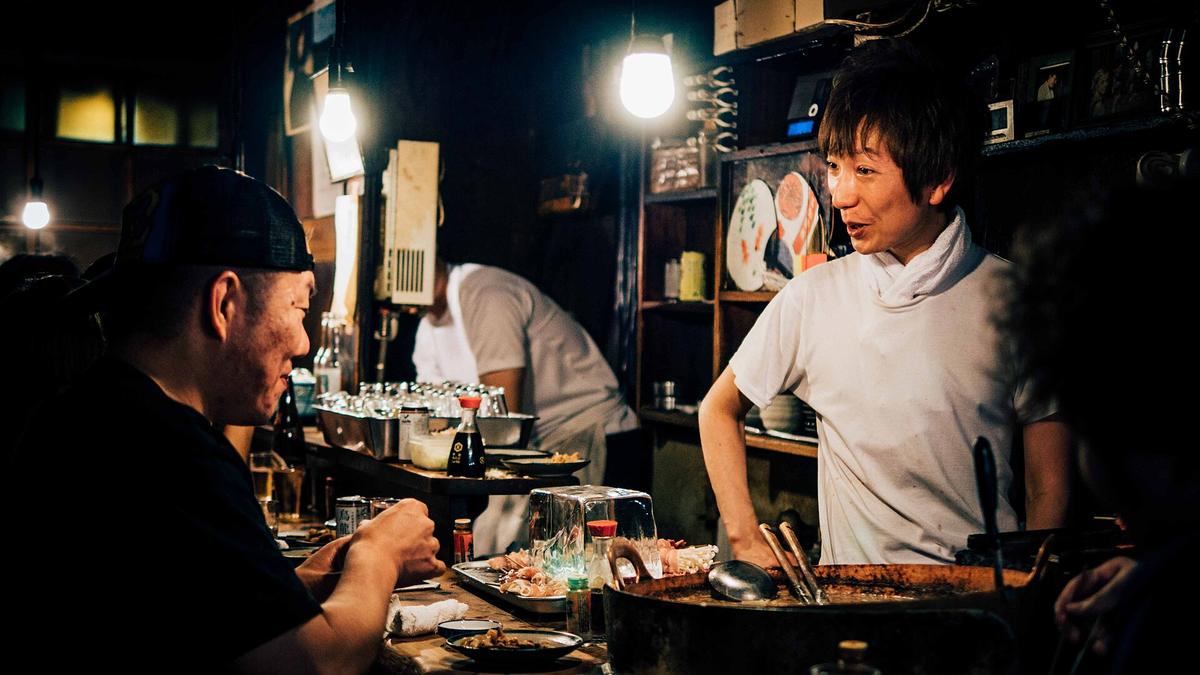
Isetan Shinjuku Main Building and Takashimaya Times Square both have basement food halls called depachika. These are floor after floor of prepared foods, bento boxes, wagashi, imported cheeses, sushi sets, and patisserie counters. Isetan is in the main building basement 1, open 10:00 to 20:00, closed 1 January. Prepared food items cost ¥500 to ¥5,000. Takashimaya Times Square basement 1 opens 10:00 to 20:00 (Sunday until 19:30), closed 1 January. Items run ¥500 to ¥6,000. Takashimaya specialises in regional Japanese specialties, French patisserie, and premium fruit.
Both start markdowns on fresh prepared foods about one hour before closing: Isetan at 19:00 to 20:00, Takashimaya at 19:00 to 19:30. If you want discount sushi, arrive just before the markdown starts and wait. The failure case: you arrive at 10:10 thinking the basement food hall is for breakfast. It opens at 10:00 but the prepared food counters take 30 minutes to fully stock. Arrive at 10:30 for the best selection.
.jpg)
Cheap Chains When Nothing Else Works
Shinjuku Station is surrounded by reliable, cheap, 24 hour chains that require no Japanese. Know them in advance because at 2am you will not be researching.
- Matsuya: gyudon and curry, 24 hours, ticket machine with English, ¥380 to ¥900.
- Sukiya: gyudon and curry, 24 hours, English menu, ¥350 to ¥850.
- Yoshinoya: gyudon, 24 hours, English menu, ¥450 to ¥950.
- Hanamaru Udon: self service udon, ¥350 to ¥700, English menu.
- Ootoya: teishoku set meals, ¥800 to ¥1,500, English picture menu.
These chains are not memorable. They are dependable. Use them when the department store closes at 20:00, Omoide Yokocho is packed, and Kabukicho feels sketchy.
Late Night Before Your Train
The last JR Yamanote Line train from Shinjuku leaves around 01:00 (check the JR East timetable for the exact time in 2026). If you need food before that train, you have options inside and outside the gates. Inside the east exit ticket gates, Ekibenya Matsuri sells bento boxes ¥800 to ¥2,500 until 22:00. Inside the south exit gates, standing soba and udon counters run ¥350 to ¥600 until 23:00. Outside, Omoide Yokocho is a 2 minute walk from the west exit platforms and open until midnight. Ichiran Kabukicho is a 5 minute walk from the east exit and open 24 hours. Shinjuku Kakekomi Gyoza is near the south exit, open until 04:00 weekdays and 24 hours Friday to Saturday, serving gyoza at ¥290 per plate.
The One Thing That Most Often Goes Wrong in Omoide Yokocho and Kabukicho
The single most common mistake in Shinjuku is walking from the station into Kabukicho without a plan, getting drawn by a tout, and paying a fortune for a drink you cannot refuse. The second most common mistake is arriving at Golden Gai at 22:00 on a Saturday expecting to eat dinner. Golden Gai is for drinking, not eating. The third is standing at the Isetan depachika at 19:30 and realising the markdowns are already cleared out because you arrived five minutes late. Go at 19:00.
Eating well in Omoide Yokocho and Kabukicho means picking a district, knowing its hours, knowing the scam, eating deliberately, and leaving. It does not work by grabbing a single recommendation like "go to this one restaurant" and calling it done. Shinjuku does not work that way. You choose your neighbourhood first.
Common Questions
Is Omoide Yokocho a tourist trap?
Partially. Prices are higher than a local yakitori joint outside the tourist zone. But the food is real, the atmosphere is genuine, and you get a working knowledge of old Tokyo. Go at 17:00 when it opens to avoid the worst crowds.
What is the cheapest reliable meal in Kabukicho?
Torikizoku Kabukicho. Every item is ¥370. English tablet ordering. No cover charge. You eat for ¥1,500 including drinks. Ramen Nagi in Golden Gai is also under ¥1,000 for a bowl.
Can I eat dinner in Golden Gai?
No. The bars serve snacks like nuts or dried fish, not meals. Eat at Omoide Yokocho, a depachika, or a chain before you go to Golden Gai.
What time do the department store basements start discounting?
Isetan begins markdowns at 19:00, continuing until 20:00. Takashimaya begins at 19:00 and marks down until 19:30. Arrive at 19:00 exactly.
What do I do if I need food at 3am?
Ichiran Kabukicho is open 24 hours. Kakekomi Gyoza is open until 04:00 weekdays and 24 hours Friday and Saturday. Matsuya, Sukiya and Yoshinoya are all 24 hours within a five minute walk of the station.
Read next
-
 Staying in Shinjuku Which Side of the Station and What It Costs
Choosing where to stay in Shinjuku means picking a side of the station. A practical comparison of hotel areas by price, noise, and real walking distances.
Staying in Shinjuku Which Side of the Station and What It Costs
Choosing where to stay in Shinjuku means picking a side of the station. A practical comparison of hotel areas by price, noise, and real walking distances.
-
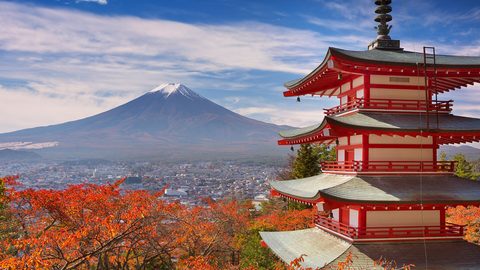 Japan Travel Guide for First-Timers Who Like Order but Not Crowds
Japan delivers deep tradition and futuristic efficiency, but the language barrier and density of rules can exhaust first-timers. Here is what to actually expect.
Japan Travel Guide for First-Timers Who Like Order but Not Crowds
Japan delivers deep tradition and futuristic efficiency, but the language barrier and density of rules can exhaust first-timers. Here is what to actually expect.
-
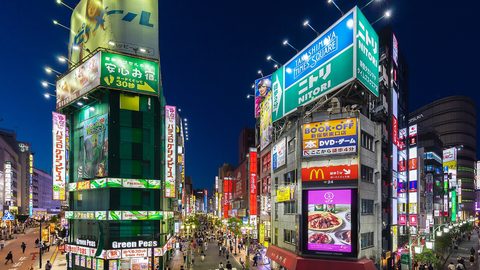 Japan eSIM vs Pocket WiFi vs Physical SIM for Staying Connected
Free public WiFi across Japan is unreliable and slow. Compare eSIM plans from Ubigi and Airalo against renting a pocket WiFi device at Narita or Haneda.
Japan eSIM vs Pocket WiFi vs Physical SIM for Staying Connected
Free public WiFi across Japan is unreliable and slow. Compare eSIM plans from Ubigi and Airalo against renting a pocket WiFi device at Narita or Haneda.
-
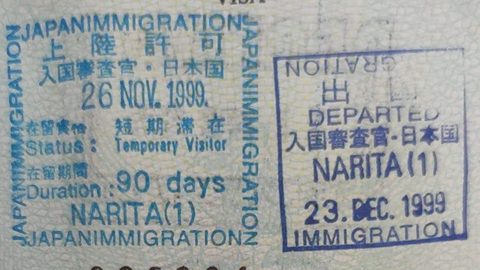 Japan Visa-Free Entry and the Visit Japan Web Digital Form
Visa-free entry covers many nationalities, but the Visit Japan Web digital form and QR codes determine how quickly you clear immigration at Narita or Haneda.
Japan Visa-Free Entry and the Visit Japan Web Digital Form
Visa-free entry covers many nationalities, but the Visit Japan Web digital form and QR codes determine how quickly you clear immigration at Narita or Haneda.
-
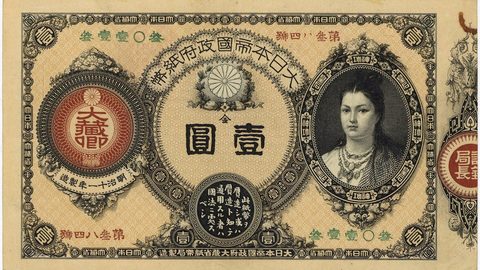 Cash and IC Cards Are the Real Payment System in Japan
Japan projects a high-tech image but many small restaurants, temples, and rural buses demand cash. IC cards like Suica and Icoca bridge the gap for daily spending.
Cash and IC Cards Are the Real Payment System in Japan
Japan projects a high-tech image but many small restaurants, temples, and rural buses demand cash. IC cards like Suica and Icoca bridge the gap for daily spending.
-
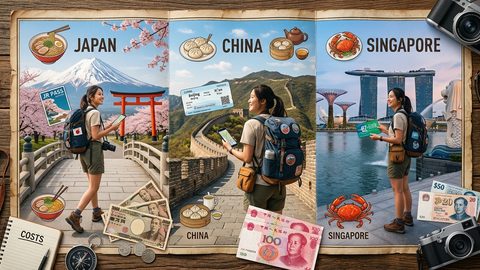 What Japan, China, and Singapore Actually Cost Independent Travelers
Real per-day costs for Japan, China, and Singapore broken down by accommodation tier, food strategy, transit, and connectivity for independent travelers.
What Japan, China, and Singapore Actually Cost Independent Travelers
Real per-day costs for Japan, China, and Singapore broken down by accommodation tier, food strategy, transit, and connectivity for independent travelers.
-
 What Most Travelers Get Wrong When Booking Flights to East Asia
Most travelers book East Asia flights on price alone. Here's what they miss about route gaps, fleet age, and aircraft type on 10-14 hour hauls.
What Most Travelers Get Wrong When Booking Flights to East Asia
Most travelers book East Asia flights on price alone. Here's what they miss about route gaps, fleet age, and aircraft type on 10-14 hour hauls.
-
 The Honest Cost of Mobile Data in Japan, China, and Singapore
Real price data for SIMs, pocket WiFi, and eSIMs in Japan, China, and Singapore. Plus the friction points most travel guides quietly skip.
The Honest Cost of Mobile Data in Japan, China, and Singapore
Real price data for SIMs, pocket WiFi, and eSIMs in Japan, China, and Singapore. Plus the friction points most travel guides quietly skip.
-
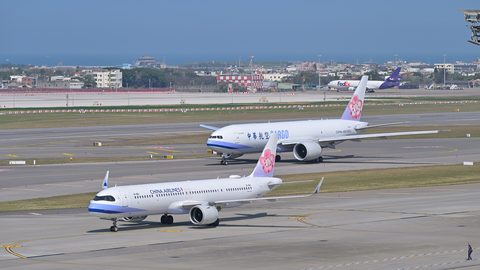 Fifth Freedom Flights Are the Award Sweet Spot Nobody Searches For
Fifth-freedom flights let you fly a foreign airline between two other countries, and they often have award seats when the airline's own hub routes are sold out.
Fifth Freedom Flights Are the Award Sweet Spot Nobody Searches For
Fifth-freedom flights let you fly a foreign airline between two other countries, and they often have award seats when the airline's own hub routes are sold out.