How to Eat and Drink in Omoide Yokocho, Shinjuku's Memory Lane
Omoide Yokocho in Shinjuku is a warren of post-war yakitori stalls where six seats is a full house and knowing the rules gets you fed.
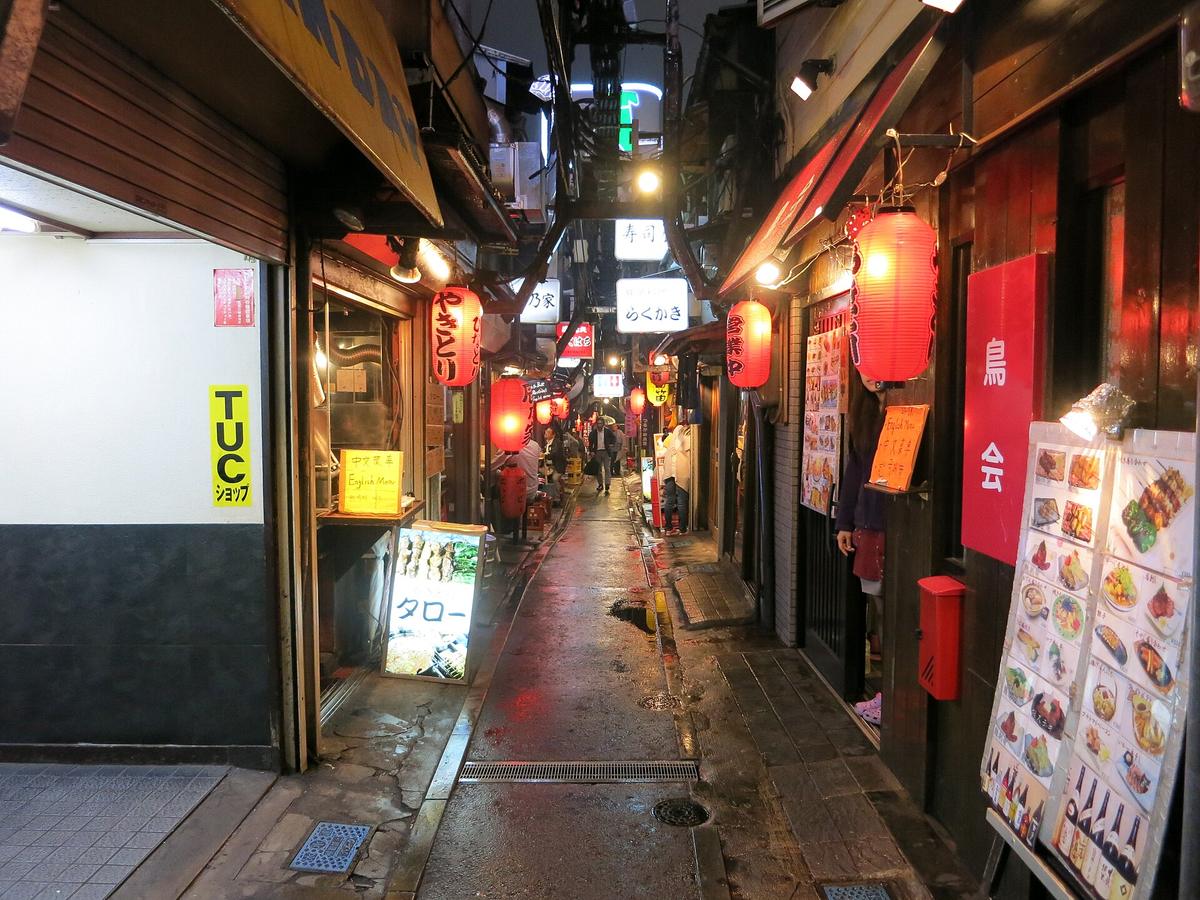

How to Eat and Drink in Omoide Yokocho, Shinjuku’s Memory Lane
Most first-timers walk the narrow alley beside the Odakyu Line railway tracks, take a photo of the charcoal smoke and hanging lanterns, and leave. They think the tiny grills belong to a closed world of regulars where tourists do not belong. That instinct is wrong. Omoide Yokocho is a working-class food alley, not a private club. What stops people from eating here is not a door policy but a lack of knowledge about the simple system that runs the place. Here is that system: what each seat costs, how to claim it, and which rules keep you from getting a polite but firm no.
- Location: Northwest side of Shinjuku Station west exit, directly beside the Odakyu Line railway tracks
- Original Name: Shonben Yokocho (Piss Alley)
- Year of Origin: 1946
- Number of Businesses: Approx. 60-70
- Typical Seating: Counter style, 6-10 seats per shop
- Skewer Price Range: ¥150 - ¥400 per skewer
- Drink Price Range: ¥500 - ¥800 for beer or highball
- Typical Bill Per Person: ¥2,000 - ¥3,500 (food plus 2-3 drinks)
- Cover Charge (Otoshi): Some shops charge ¥300-¥500; others none
- Payment: Cash only
- Smoking: Permitted in most shops; no separation of areas
- Photography of Interiors: Generally prohibited without explicit permission
- Photography of the Alley: Permitted
- Typical Opening Hours: 15:00 - 23:00 (varies by shop)
- Peak Hours: 18:00 - 21:00
How the Six-Seat Counter Works
Every shop follows the same rhythm. Walk up. If there is an open stool, point at it, then point at yourself. The person behind the grill nods. You sit. That is the entire entry procedure.
Do not wait to be seated. There is no host. The staff are cooking, not managing a queue. Stand at the entrance looking uncertain and the seat fills with someone who simply sat down. If all six stools are taken, wait a few feet back and make eye contact. A customer will finish a stick and leave. That is your moment. Move quickly.
What to Order First
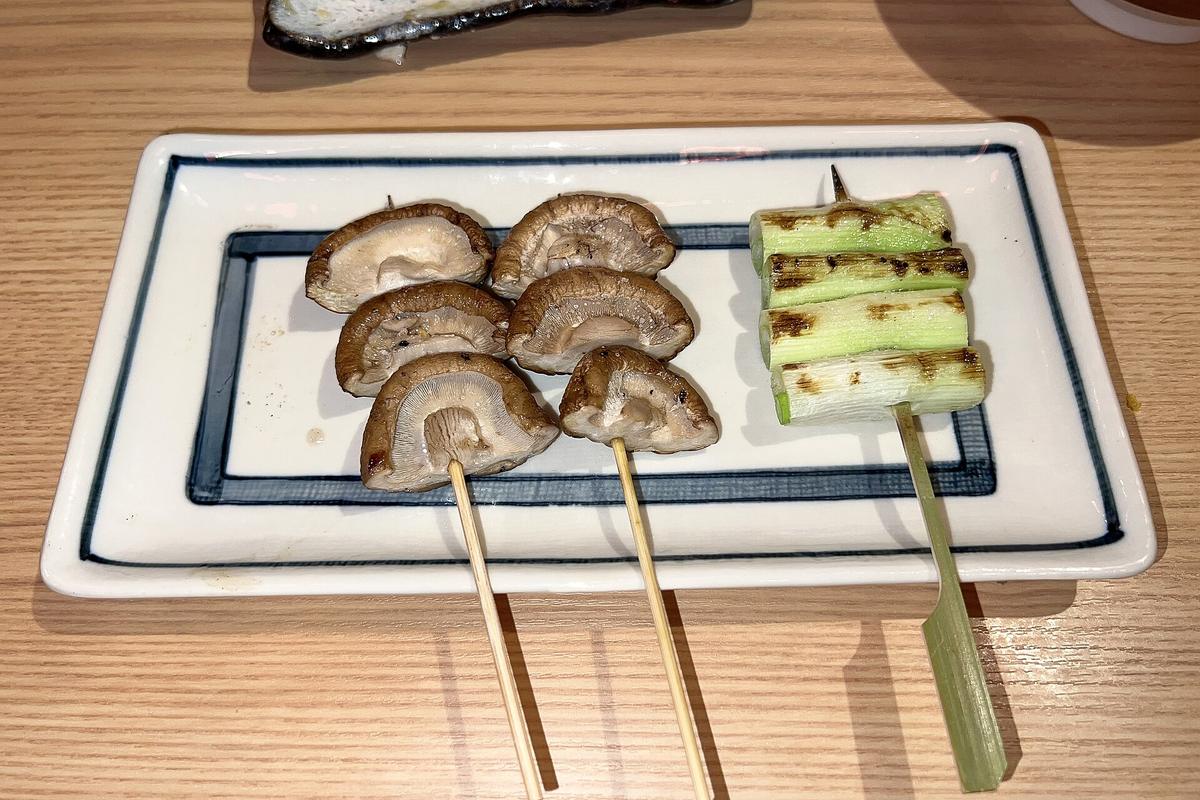
Point at what other customers are eating, or point at the sticks lined up on the counter. Every shop displays its raw or par-grilled options on a tray in front of the grill. You do not need a menu. Say "biiru" for beer or "hai-booru" for a highball. The drink arrives immediately. Then choose three or four sticks by pointing.
The sticks come off the grill one at a time. Eat them as they arrive. Do not ask for everything at once. This is yakitori, not a tasting menu. Pace yourself. Eat, drink, order another round.
The Cover Charge Trap
A minority of shops charge a cover fee called otoshi, ¥300 to ¥500. It is not a tip. It is a mandatory small dish of pickles or vegetables that appears as soon as you sit. If you do not eat it, you still pay for it. The charge is not negotiable. A small plate of food you did not order placed in front of you means expect it on the bill.
To avoid surprise, look for a handwritten sign near the entrance. It will say "otoshi" followed by a number. If you cannot read it, assume ¥300 to ¥500 extra. Budget for it. Compare this to Golden Gai, a five-minute walk, where cover charges are near universal at ¥500 to ¥1,500. Omoide Yokocho is cheaper by design.
Cash, Smoking, and the Photo Rule
Every shop in Omoide Yokocho is cash only. No card terminal, no mobile payment, no exception. Withdraw cash at a 7-Eleven ATM before you arrive. A typical bill for one person with three sticks and two drinks runs ¥2,000 to ¥3,500. Having ¥5,000 in your pocket covers you for two rounds plus the otoshi.
Smoking Is the Default
Most shops allow smoking. There is no separate section for non-smokers. The air is a mix of charcoal smoke and tobacco smoke. If that bothers you, eat early. The quiet slot between 15:00 and 17:00 has fewer customers and the smoke has not built up yet. By 18:00, the alley is a haze. You will smell like grilled offal for the rest of the night. That is part of the experience. If you cannot tolerate it, skip Omoide Yokocho entirely and eat at a chain yakitori restaurant in a Shinjuku department store basement.
Do Not Photograph the Counter
Photography of the alley exterior is fine. Shoot the lanterns, the narrow passage, the steam. But do not aim your phone or camera at the inside of a shop, the grill, the chef, or the customers without asking. Many shops prohibit interior photography. A few tolerate a quick snap if you hold up your phone and gesture a question first. Most will shake their head. Respect that. You are eating in a space smaller than most hotel bathrooms. The person grilling your food has no room to dodge your selfie stick.
Which Shops Welcome Tourists and Which Do Not
The shops closest to the main entrance of the alley, the ones with English signs or laminated photo menus, expect tourists. They have prices written in numerals. They will hand you a stick and say the total in simple English. These shops are the easiest entry point for your first visit.
The deeper shops, the ones with no sign at all or only a noren curtain with hand-painted kanji, serve a regular clientele of commuters and off-duty cooks. These are not hostile. They are just not set up for walk-ins who cannot read the menu. To try one, sit at the counter, order a beer first, and point at what the person next to you is eating. Do not attempt to order something complex. Do not ask questions. Eat, drink, pay, leave. That sequence is the same in every shop, tourist-friendly or not.
Sundays bring closures. Some shops take the day off. The alley does not shut down entirely, but the selection thins. Arrive on a Sunday evening and you may find fewer than half the grills lit. Plan for a weeknight if you want the full range.
A Typical Bill at Omoide Yokocho
Here is what a realistic evening costs for one person. One beer. Two highballs. Four sticks. An otoshi. The total lands between ¥2,000 and ¥3,500 per person. Order more sticks or trade beer for a pricier shochu and you hit the upper end. Stick to one drink and three sticks and you bottom out.
Pay by placing the cash on the counter, not in the staff's hand. Point at your plate and your empty glasses so they know you are ready for the bill. They will scribble the total on a scrap of paper or gesture the number with their fingers. Lay the money down. If change is due, they will place it on the counter. Pick it up. Nod. Leave. No tip.
.jpg)
The Single Thing to Do Before You Go
Withdraw ¥5,000 in cash from a 7-Eleven ATM. Walk to the northwest side of Shinjuku Station west exit. Find the entrance to the alley beside the Odakyu Line tracks. Enter between 17:00 and 18:00. Pick the third or fourth shop from the entrance, the one with English prices. Sit at the counter. Order a beer and three sticks by pointing. Eat, drink, pay, and leave. You will have successfully done what most tourists only photograph.
Frequently Asked Questions
Can I walk in alone or do I need a group?
Solo dining is normal here. The counter seats are built for single customers. A pair or a group of three works too. Four people will struggle to sit together unless you arrive during the quiet early slot.
What if I do not eat offal or chicken skin?
Every shop has a tray of sticks. Point at the ones that look like plain chicken thigh or thigh with negi leek. Avoid the dark, irregular shapes. Those are liver, heart, or intestine. If you are unsure, say 'tori' and point at a pale piece.
How do I find a bathroom?
The shops do not have customer restrooms. Use the public toilet at the Shinjuku Station west exit or the one inside the Odakyu Line ticket gate area before you enter the alley.
What happens if I refuse the otoshi cover charge?
You cannot refuse it. The otoshi is not optional. If you push back, the staff will simply not serve you. Budget for it as a fixed cost of eating at that shop. To avoid it entirely, find a shop with no otoshi sign.
Read next
-
 Tokyo Hotels by Type and Budget from Capsules to Luxury
Tokyo hotels organised by type and price band, from efficient capsule pods to full-service luxury towers, to help you book the right room.
Tokyo Hotels by Type and Budget from Capsules to Luxury
Tokyo hotels organised by type and price band, from efficient capsule pods to full-service luxury towers, to help you book the right room.
-
 Where to Stay in Tokyo by District and Travel Style
A comparison of Tokyo's major districts to help you choose the right base for your travel style, whether you want calm or chaos.
Where to Stay in Tokyo by District and Travel Style
A comparison of Tokyo's major districts to help you choose the right base for your travel style, whether you want calm or chaos.
-
 Narita or Haneda for Tokyo and What That Airport Choice Costs You
Narita or Haneda for Tokyo: compare door-to-district time, transfer cost, and what the wrong airport choice eats from your trip.
Narita or Haneda for Tokyo and What That Airport Choice Costs You
Narita or Haneda for Tokyo: compare door-to-district time, transfer cost, and what the wrong airport choice eats from your trip.
-
 Things to Do in Tokyo That Are Worth Your Limited Days
A curated list of Tokyo's highest-impact sights and experiences, from immersive art to quiet backstreets, to help you prioritise your days.
Things to Do in Tokyo That Are Worth Your Limited Days
A curated list of Tokyo's highest-impact sights and experiences, from immersive art to quiet backstreets, to help you prioritise your days.
-
 Best Time to Visit Tokyo Month by Month Tradeoffs
A month-by-month guide to visiting Tokyo, laying out the trade-off between weather, crowds, price, and what's actually open.
Best Time to Visit Tokyo Month by Month Tradeoffs
A month-by-month guide to visiting Tokyo, laying out the trade-off between weather, crowds, price, and what's actually open.
-
 Getting Around Tokyo by Train Airport Transfers and IC Cards
A practical guide to Tokyo's rail network, covering airport transfers, IC cards, and how to avoid the station navigation mistakes that eat your day.
Getting Around Tokyo by Train Airport Transfers and IC Cards
A practical guide to Tokyo's rail network, covering airport transfers, IC cards, and how to avoid the station navigation mistakes that eat your day.
-
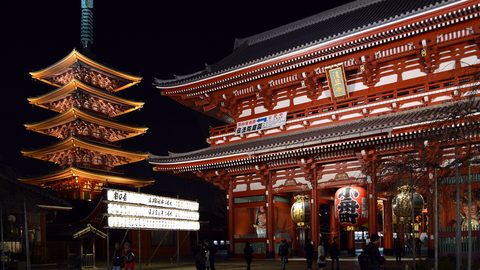 Senso-ji
 is free and never closes, but the experience at 6am with empty Nakamise stalls is nothing like the 11am crush under Kaminarimon. Here is when to go and what you get at each hour.
Senso-ji
Senso-ji is free and never closes, but the experience at 6am with empty Nakamise stalls is nothing like the 11am crush under Kaminarimon. Here is when to go and what you get at each hour.
-
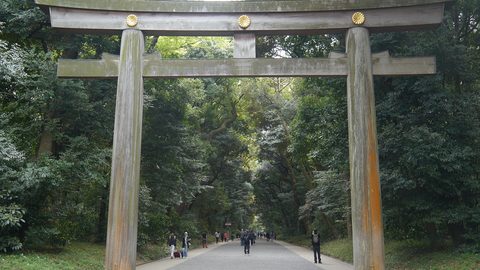 Meiji Jingu
The Meiji Jingu visit changes completely depending on which torii gate you enter. One drops you from Harajuku noise into sudden forest, the other builds quiet slowly from Yoyogi.
Meiji Jingu
The Meiji Jingu visit changes completely depending on which torii gate you enter. One drops you from Harajuku noise into sudden forest, the other builds quiet slowly from Yoyogi.
-
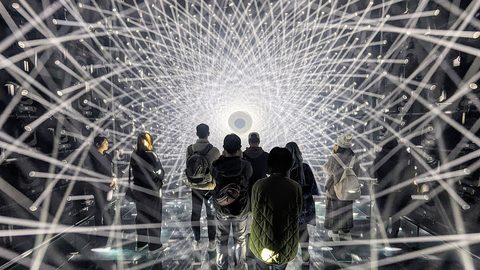 teamLab
 Borderless and Planets are two different Tokyo venues with separate booking systems. Borderless tickets at Azabudai Hills sell in timed slots and the maze has no fixed route.
teamLab
teamLab Borderless and Planets are two different Tokyo venues with separate booking systems. Borderless tickets at Azabudai Hills sell in timed slots and the maze has no fixed route.