Golden Gai Shinjuku, Understanding the Rules of Tokyo's Six-Seat Bars
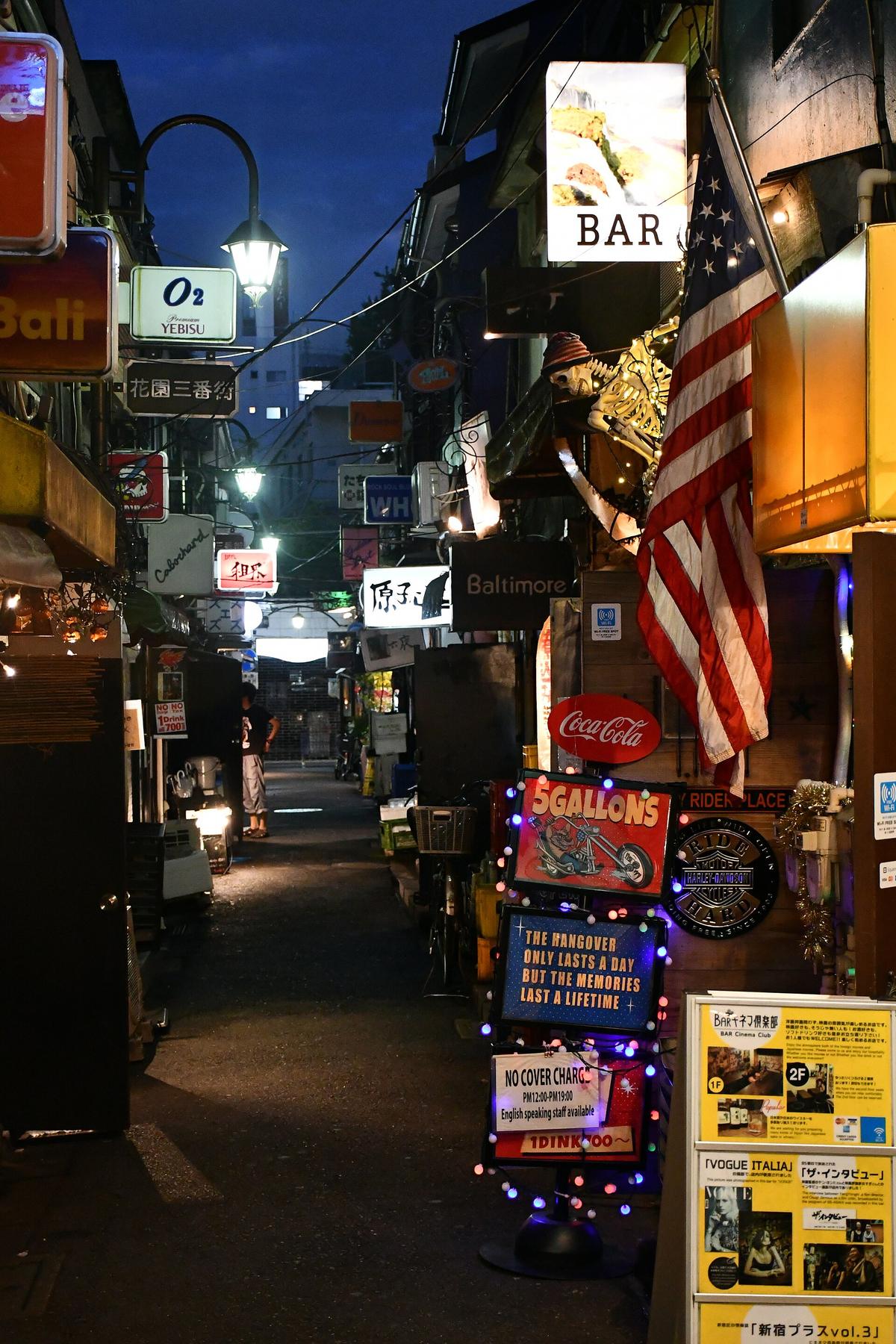
Golden Gai's 200-plus micro bars operate on a system of cover charges, strict photo rules, and six-seat intimacy—understanding the etiquette before you push open a door transforms the experience.
.jpg)
Golden Gai Shinjuku, Understanding the Rules of Tokyo’s Six-Seat Bars
You are standing in a narrow alley in Shinjuku at 10 p.m., surrounded by two hundred bars, and you have no idea which door you can push open. That is the problem Golden Gai presents. The answer is simpler than it looks: almost every bar publishes its cover charge and rules on a sign outside, often in English, and the one rule that is never flexible is that you ask before raising your camera inside.
Six alleys. Two hundred bars. Five to ten seats each. The district started as a black market in the 1940s, was nearly demolished in the 1980s, and survives because a preservation movement and a collective of bar owners refused to let it die. Sixty years later it is still narrow, still disorienting, and still the best place in Tokyo to sit in a room the size of a van and talk to a stranger. But the barrier to entry is social courage, not language. Here is exactly how it works.
- Number of Alleys: 6
- Approximate Number of Bars: 200
- Typical Bar Capacity: 5-10 seats
- Cover Charge Range: ¥500, ¥1,500
- Cover Charge Display: Often posted in English on the door
- Photography in Public Alleys: Permitted without flash
- Photography Inside Bars: Permission required from bar staff
- Photography Fee in Some Bars: ¥500, ¥1,000 per photo (verify with the bar before ordering)
- Year of Origin as Black Market District: 1940s
- Original Name: Shinjuku Golden Street
- Distance to Omoide Yokocho: Approximately 600 m (10-minute walk)
- Last Train JR Yamanote Line (Weekday): Approximately 00:45, the Japan Railways timetable updates annually; check the current schedule before you go.
- Last Train Tokyo Metro (Weekday): Approximately 00:30, the Tokyo Metro timetable updates annually; confirm the current departure.
The Cover Charge is the Price of Entry. it is Non Negotiable
Nearly every bar in Golden Gai charges a table fee between ¥500 and ¥1,500. This is not a tip. It is not optional. It covers the cost of the seat, the snack that arrives shortly after you sit down, and the bartender's time. You pay it whether you stay for one drink or four. If you miss the sign on the door, the charge still appears on your bill.
Do not let the fee put you off. A cover charge of ¥1,000 with a drink puts your first round at roughly what a cocktail costs in a Shibuya high rise. The difference is that here you are paying for the space itself, not just the glass. The bar has six chairs. Every minute you occupy one, the owner cannot sell it to someone else. The cover charge is the mechanism that makes a six-seat business viable.
Many bars now display their fee structure on a small board outside the door, in English, alongside a list of drink prices. Read it before you open the door. If no sign is visible and you are nervous, pick a bar with a sign that says "Tourists welcome" or "English OK" or has an English menu posted. Those bars have designed their door policy for exactly your situation.
Ask Before You Shoot. No Exceptions
You can photograph the alleys themselves without asking, as long as you keep the flash off. The public passageways are public. But the moment you step through a door, the rules change. Permission is required from bar staff before you take any photograph inside. Some bars charge a photography fee of ¥500 to ¥1,000 per picture. Confirm it with the bartender before you order if you plan to shoot.
The reason is not secrecy. It is privacy. These rooms are tiny. Your camera captures other customers, many of whom are regulars who treat their bar as a second living room. A stranger photographing them without warning violates the unspoken contract that makes Golden Gai work. The bartender who has to enforce that rule will not welcome you back. So ask. The answer is usually yes. The key is that you asked first.
How to Pick Your First Bar Without Panicking
Stand at the entrance of the district and look at the bars directly at street level. The ground floor bars are the ones with widest doors and the most visible signage. They are not the "authentic" choice. They are the smart choice. The bars up narrow staircases on the second and third floors are tighter, darker, and less likely to have English on the door. Save those for your second visit, or your third, after you understand the rhythm of the place.
Walk a full circuit of all six alleys before committing. You will see which bars have customers inside, which look empty, and which have signs that speak to you. A bar advertising "blues music" or "Japanese whisky list" or "tacos" is telling you exactly what it offers. Treat those signs as invitations, not obstacles.
When you find a door you want to try, open it slowly and stand in the doorway for a moment. The bartender will look up. Nod. Point at an empty seat if one exists. The bartender will either wave you in or hold up a hand to say full. That is the entire negotiation. No Japanese required.
What to Order and How Long to Stay
Order one drink to start. Do not order a full round for the table. The bartender will bring a small snack with your first drink. That snack is included in the cover charge. Eat it. It is part of the welcome.
You are not expected to stay for hours. Thirty minutes is normal. One drink is normal. You can pay and leave after a single glass. If you want a second, order it. If you feel like moving, pay the bill at the bar and walk out. No one takes it personally.
When the Last Train Leaves, Your Night Changes
Shinjuku Station stops running trains around 00:45 on the JR Yamanote Line on weekdays and about 00:30 on the Tokyo Metro. Those times are revised annually by the operators. Check the current schedule before you go out. If you miss the last train, your options are a taxi (expensive, expect a fare of several thousand yen to central Tokyo hotels) or an all night bar until the first train runs again around 5:00 a.m. Some Golden Gai bars stay open until 5 a.m. specifically to serve stranded customers. If you plan to stay that late, confirm the bar's closing time when you order your first drink.

The Bar That Works for You Depends on Who You Are
Golden Gai suits the solo explorer who thrives on anonymity. You arrive alone, sit at a counter, and someone might talk to you. It suits the repeat visitor who has already walked through Meiji Jingu and crossed Shibuya Scramble and wants a night that feels like a secret. It suits the efficiency nerd who appreciates a system where the rules are posted on the door and the price is fixed before you sit.
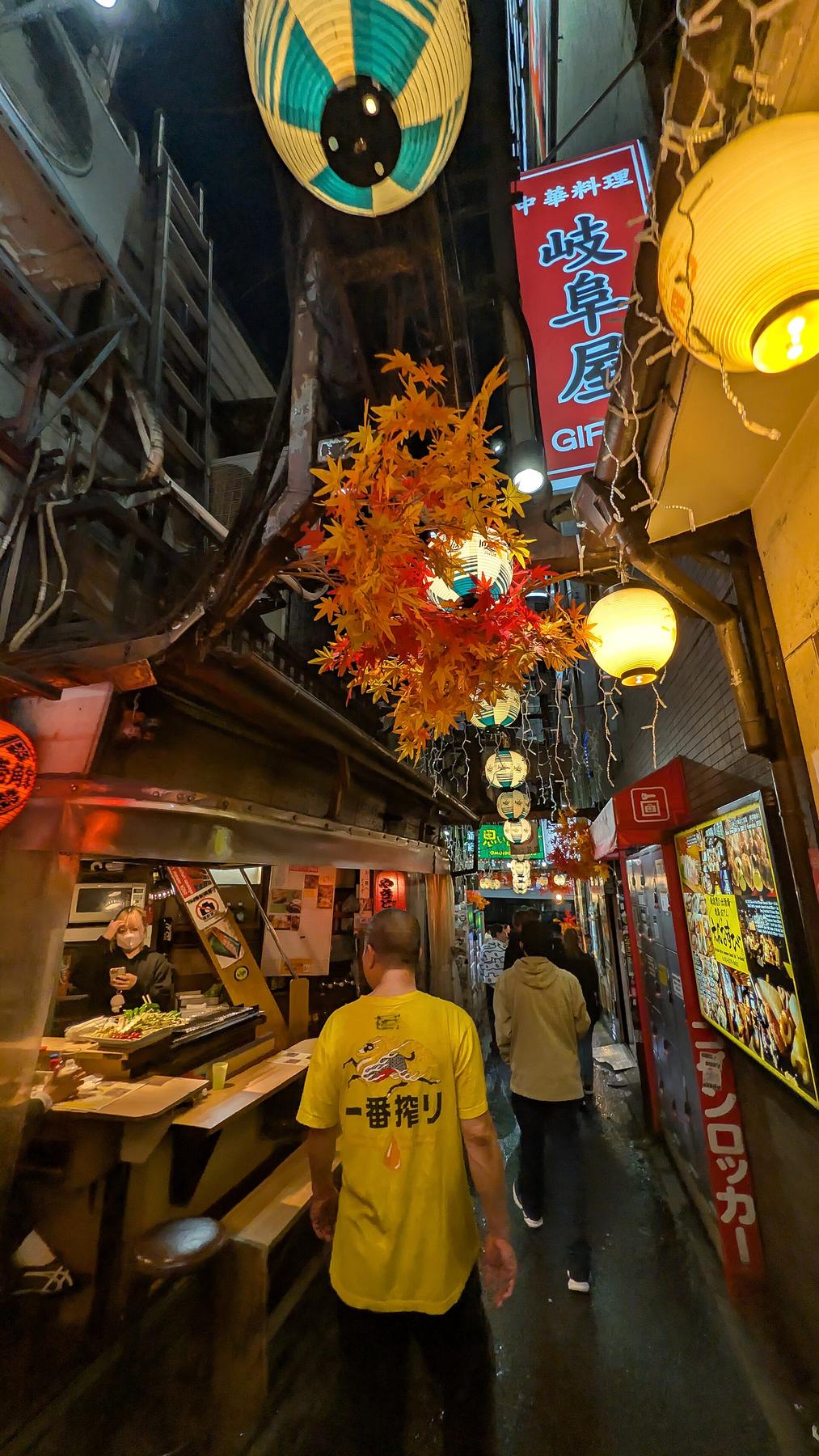
It does not suit the traveller on a tight budget. The cover charge plus drink prices add up fast. A night of bar hopping in Golden Gai costs roughly ¥3,000 to ¥5,000 for three bars and three drinks. If you are looking for cheap street food and ¥500 beers, walk 600 metres to Omoide Yokocho, a parallel time capsule from the late 1940s that does yakitori and grilled offal at small counters. The atmosphere is similar. The cost is lower. The food replaces the drink as the reason to stay.
It does not suit anyone who finds crowds and narrow spaces anxiety inducing. The alleys are shoulder width. The bars are packed. If that sounds claustrophobic rather than cosy, skip the district entirely. Shinjuku has dozens of other drinking options that offer room to breathe.
Common Questions
Can I walk into any bar in Golden Gai without a reservation?
Yes, walk ins are the norm. Most bars fill up later in the evening. Arrive around 7 p.m. to 9 p.m. for the best chance of finding an empty seat at a ground floor bar.
Do bars in Golden Gai accept credit cards?
Many do not. Bring cash. The small size of the bars means many owners still run a cash only operation. Some of the newer or higher capacity bars accept cards, but do not rely on it.
Is it OK to order just water or a soft drink?
You can, but the cover charge still applies. Most bars are drinking bars by design. Ordering a soda or juice is fine, but you are paying the same cover fee as a whisky drinker.
What happens if I accidentally break a glass or spill a drink?
Apologise sincerely. Offer to pay for the broken item. Bar owners in Golden Gai are forgiving of accidents if you handle it with courtesy. Do not argue about the cost.
Are children allowed in Golden Gai bars?
Most bars are adults only by default. The spaces are too small and the atmosphere too late night for children. Some bars post a minimum age on the door. Assume 20+ unless stated otherwise.
Can I bring my own bottle of alcohol into a bar?
No. This is considered extremely rude. Every bar makes its income from drink sales. Bottle keep services exist at some bars, where you buy a bottle and store it for future visits, but that is an arrangement made with the bar, not a bring-your-own situation.
Should I tip the bartender?
No. Tipping is not practiced in Japan. The cover charge and the drink price cover the service. If you want to show appreciation, a polite verbal thank you at the end is the correct gesture.
Read next
-
 Tokyo Hotels by Type and Budget from Capsules to Luxury
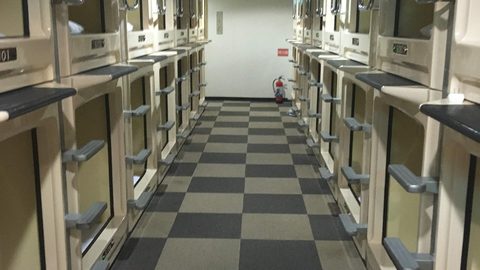
Tokyo hotels organised by type and price band, from efficient capsule pods to full-service luxury towers, to help you book the right room.
Tokyo Hotels by Type and Budget from Capsules to Luxury
Tokyo hotels organised by type and price band, from efficient capsule pods to full-service luxury towers, to help you book the right room.
-
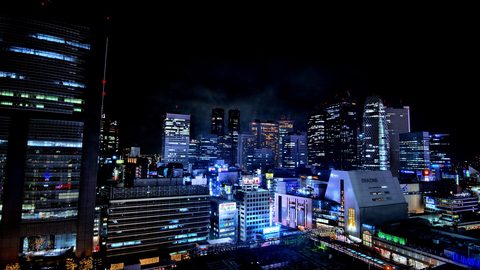 Where to Stay in Tokyo by District and Travel Style
A comparison of Tokyo's major districts to help you choose the right base for your travel style, whether you want calm or chaos.
Where to Stay in Tokyo by District and Travel Style
A comparison of Tokyo's major districts to help you choose the right base for your travel style, whether you want calm or chaos.
-
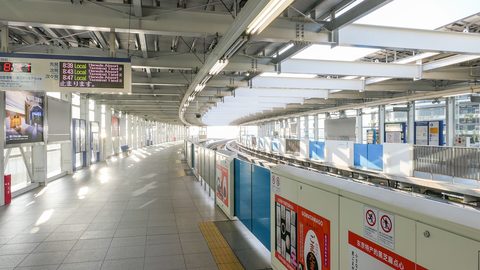 Narita or Haneda for Tokyo and What That Airport Choice Costs You
Narita or Haneda for Tokyo: compare door-to-district time, transfer cost, and what the wrong airport choice eats from your trip.
Narita or Haneda for Tokyo and What That Airport Choice Costs You
Narita or Haneda for Tokyo: compare door-to-district time, transfer cost, and what the wrong airport choice eats from your trip.
-
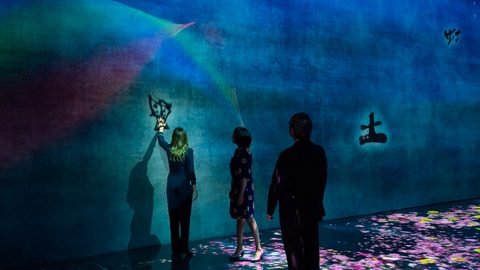 Things to Do in Tokyo That Are Worth Your Limited Days
A curated list of Tokyo's highest-impact sights and experiences, from immersive art to quiet backstreets, to help you prioritise your days.
Things to Do in Tokyo That Are Worth Your Limited Days
A curated list of Tokyo's highest-impact sights and experiences, from immersive art to quiet backstreets, to help you prioritise your days.
-
 Best Time to Visit Tokyo Month by Month Tradeoffs
A month-by-month guide to visiting Tokyo, laying out the trade-off between weather, crowds, price, and what's actually open.
Best Time to Visit Tokyo Month by Month Tradeoffs
A month-by-month guide to visiting Tokyo, laying out the trade-off between weather, crowds, price, and what's actually open.
-
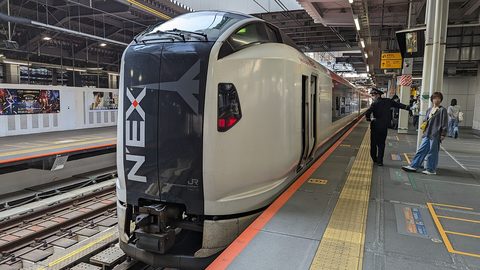 Getting Around Tokyo by Train Airport Transfers and IC Cards
A practical guide to Tokyo's rail network, covering airport transfers, IC cards, and how to avoid the station navigation mistakes that eat your day.
Getting Around Tokyo by Train Airport Transfers and IC Cards
A practical guide to Tokyo's rail network, covering airport transfers, IC cards, and how to avoid the station navigation mistakes that eat your day.
-
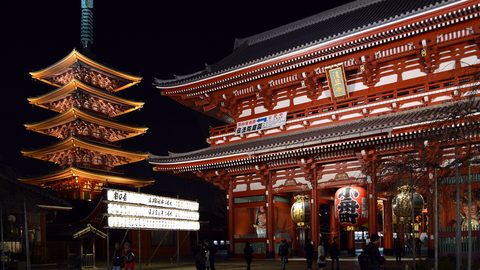 Senso-ji
 is free and never closes, but the experience at 6am with empty Nakamise stalls is nothing like the 11am crush under Kaminarimon. Here is when to go and what you get at each hour.
Senso-ji
Senso-ji is free and never closes, but the experience at 6am with empty Nakamise stalls is nothing like the 11am crush under Kaminarimon. Here is when to go and what you get at each hour.
-
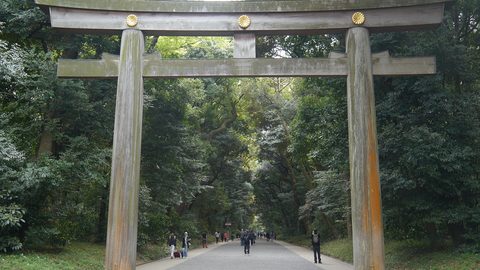 Meiji Jingu
The Meiji Jingu visit changes completely depending on which torii gate you enter. One drops you from Harajuku noise into sudden forest, the other builds quiet slowly from Yoyogi.
Meiji Jingu
The Meiji Jingu visit changes completely depending on which torii gate you enter. One drops you from Harajuku noise into sudden forest, the other builds quiet slowly from Yoyogi.
-
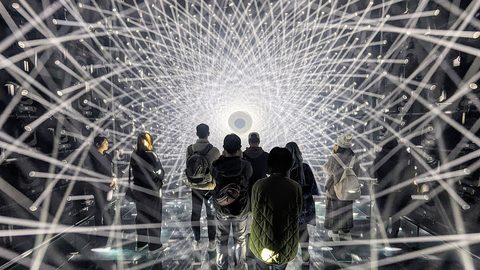 teamLab
 Borderless and Planets are two different Tokyo venues with separate booking systems. Borderless tickets at Azabudai Hills sell in timed slots and the maze has no fixed route.
teamLab
teamLab Borderless and Planets are two different Tokyo venues with separate booking systems. Borderless tickets at Azabudai Hills sell in timed slots and the maze has no fixed route.