A Rooftop Aquarium, an Observatory, and Ikebukuro’s Indoor Escape
Sunshine City in Ikebukuro stacks an aquarium, observatory, and Pokémon Center under one roof, making it Tokyo's most reliable wet-weather backup plan.

The Logical Indoor Route Through Sunshine City Ikebukuro
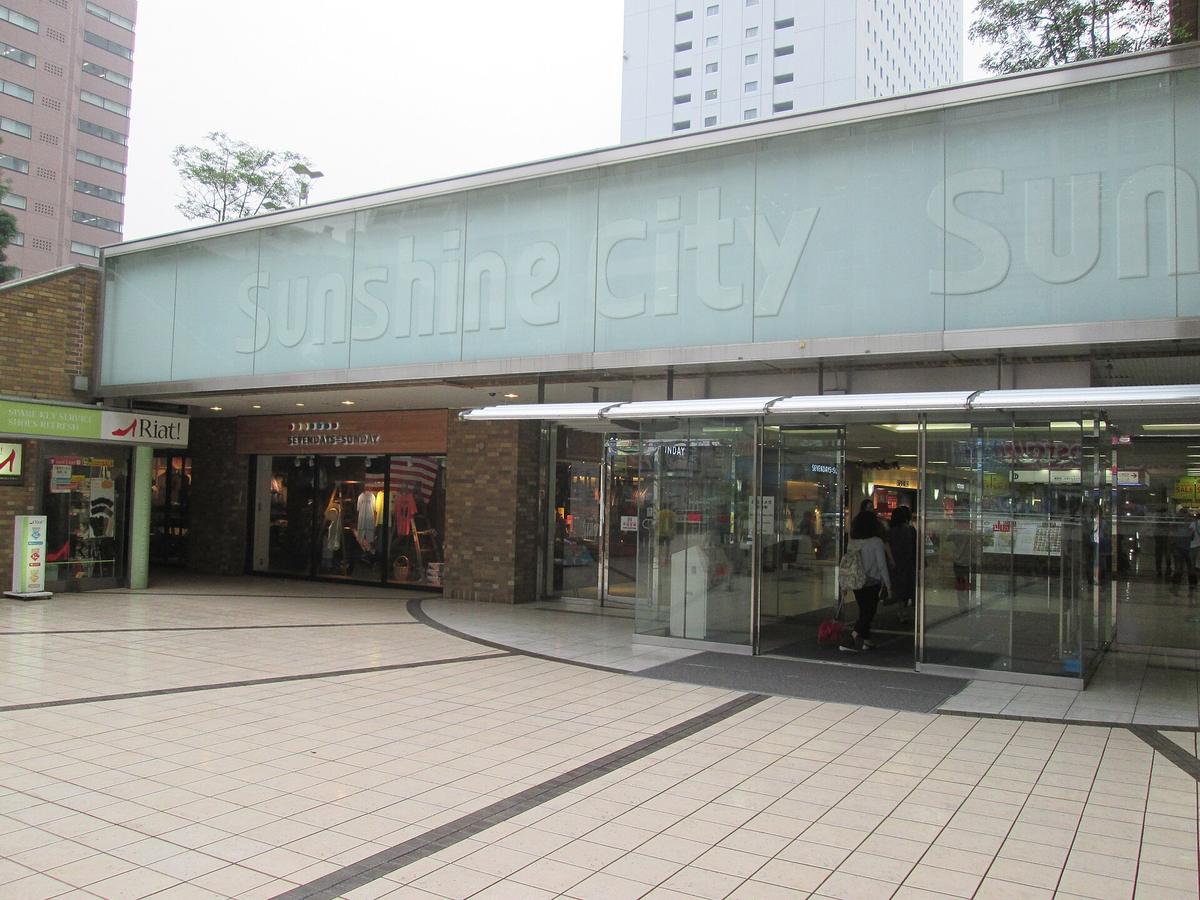
Sunshine City is not one attraction. It is a vertical neighbourhood under one roof, built in 1978, and it solves a problem Tokyo does not advertise: a rainy afternoon can destroy a carefully planned itinerary because most of the city is outdoor walking. Shinjuku's alley bars, Harajuku's cat streets, Asakusa's temple approach, none of them work in a downpour. This complex, 585,000 m² of connected floors at 3-1 Higashi-Ikebukuro, lets you move from a rooftop aquarium to an observation deck to an indoor theme park to a Pokémon shop to dinner without once stepping into the rain. The route matters. Start at the top.
- Address: 3-1 Higashi-Ikebukuro, Toshima-ku, Tokyo 170-8630
- Access from Ikebukuro Station: 8-10 min via underground passage (Exit 35) from JR East Exit. 400 m underground, 800 m street level.
- Best Combined Ticket: Sunshine Aquarium + Sky Circus: ¥3,200 adult (saves ¥600-800). Buy at any ticket counter.
- Opening Hours (General): Aquarium 10:00-18:00, Sky Circus 11:00-21:00 (last admission 20:00). Check seasonal extensions.
- Indoor Connectivity: All attractions linked by covered walkways. Zero street exposure required.
Floor One: the Rooftop Aquarium
Take the elevator to the rooftop of the World Import Mart Building. That is where Sunshine Aquarium sits, and the mistake most visitors make is treating it like any other aquarium. This one has an open-air zone called Marine Garden with an African penguin exhibit. The penguins stand on real rockwork in an unenclosed tank. Rain falls on them. You stand under a covered viewing area and watch them swim in water that is the same temperature as the weather. That is the point: the aquarium does not pretend the rain is not happening.
What You Actually See
The aquarium holds roughly 80 tanks containing about 550 species and 37,000 specimens. Those numbers come from Sunshine City Corporation, but they update annually. The sequence matters: start inside the jellyfish tunnel, where the lighting is low and the flow-through tanks create an effect of floating translucent bells. Then move to the main tank, then to the Sunshine Aqua Ring, a circular sea lion basin outside. The combined ticket with Sky Circus costs ¥3,200 for an adult, saving ¥600-800 versus buying separately. Buy it at the aquarium entrance, not online, unless the official site has a dynamic-pricing window that day. Combined tickets run about ¥2,600 to ¥2,800 for adults and ¥1,200 to ¥1,400 for children. Sunshine City publishes the current rates. Check the Sunshine City Corporation website for the rate in force on your visit.
One Floor Up, The Planetarium Option
On the same rooftop, the Konica Minolta Planetarium "Manten" has a 8.6 m dome and 42 seats. It costs ¥1,600 for an adult. Skip it unless you have small children who need a sit-down break. The shows are in Japanese with English audio guides that sometimes fail. The aquarium plus planetarium combined ticket is ¥3,600 adult. That is ¥600-800 saved, but the saving is not worth the risk of a twenty-minute show that does not translate. Better to spend that time at Sky Circus.
Floor Two: the Observatory That Rewards Late Arrivals
From the aquarium, walk through the covered corridor to the Sunshine 60 Building, take the elevator to the 60th floor, and you reach Sky Circus: an observation deck at 251 m above ground. The building itself is 239.7 m tall with 60 floors above ground and 4 below. Admission costs ¥1,200 adult, ¥600 child, and the last entry is at 20:00. Arrive between 16:00 and 17:00, just before dusk. Tokyo sprawls in every direction; the Skytree is visible to the east, Mount Fuji on a clear day to the west. The deck has glass-floor sections and a few interactive installations. Pay for the general admission ticket. The special experience add-ons require an extra queue and deliver a thirty-second digital projection that is not worth the wait.
The Downward Descent: Pokémon, Gyoza, and Desserts
Take the elevator down to the shopping levels. The complex has four shopping floors between B1F and 3F of the World Import Mart Building plus the alpa zone on B1F-1F. Alpa holds roughly 190 shops. Do not browse aimlessly. Target three things in order.
Pokémon Center Mega Tokyo sits on the 2F of the main building. It is one of the largest Pokémon stores in Japan. You do not need an appointment. Walk in, grab a shopping basket, buy the plushies and card packs that are exclusive to this location. The queue at the register moves fast because the staff run a three-point checkout system: one to scan, one to bag, one to hand you the receipt. Time it: twelve minutes from entering to exiting if you know what you want.
Namja Town on the 2F of the World Import Mart Building opened in 1996. Admission is ¥1,000 for adults. It is an indoor theme park with about 13 attractions. Skip the rides. The reason to pay the entry is Gyoza Stadium, a dedicated zone where regional gyoza shops from across Japan serve their local versions. Tokyo-style, Utsunomiya-style, Hamamatsu-style. The Fukubukuro Dessert Yokocho area sells ice cream and crepe variations. Do not plan a full meal here. Treat it as a grazing stop between 15:00 and 16:00. The combined ticket with the aquarium costs ¥3,200 adult, saving ¥400-600, and makes sense only if you plan to visit Namja Town anyway.
| Ticket Combo | Adult Price | Child Price | Saving vs Separate |
|---|---|---|---|
| Aquarium + Sky Circus | ¥3,200 | ¥1,600 | ¥600-¥800 |
| Aquarium + Planetarium | ¥3,600 | ¥1,800 | ¥600-¥800 |
| Aquarium + Namja Town | ¥3,200 | ¥1,800 | ¥400-¥600 |

Where to Eat Inside the Complex
Sunshine City does not have a single food court. It has multiple clusters. The most reliable meal is in the B1F area near the alpa zone, where a selection of independent Japanese restaurants serve curry, ramen, and set meals. For something specific, walk to the 3F restaurant floor of the World Import Mart Building. Look for the shops with plastic food displays in the window and a queue of Japanese office workers at lunch. That is your signal: the food is good and the price is reasonable. Avoid the chain cafes on the ground floor. They serve the same sandwiches you can get anywhere in Tokyo. The basement food hall grazing that works in Isetan Shinjuku does not exist here. Buy a meal, sit down, eat.
The Covered Walkway From The Station
Do not walk on street level from Ikebukuro Station. The surface route from the JR East Exit is about 800 m through busy sidewalks and one intersection. The underground passage starts from Exit 35 of the station, connects directly to the B1 level of Sunshine City, and cuts the walking distance to roughly 400 m. The walk takes 8 to 10 minutes. Follow the signs for "Sunshine City" in blue. The passage is wide, air-conditioned, and completely dry. This is the only way to arrive.
Why This Works as a Rainy Day Itinerary
Tokyo's indoor options are scattered. The department store basements are in one district, the arcades in another, the museums in a third. Sunshine City compresses the logic. You start on the rooftop with the aquarium, move down to the observation deck, descend through the shopping floors, and end in the theme park. Every transition is under cover. The complex attracts roughly 30 million visitors annually, a pre-2020 figure that gives you the scale. On a rainy weekday in October, the crowds are manageable. On a rainy weekend in March, the queues at the aquarium ticket counter hit 30 minutes. Buy the combined ticket in advance if you can; the Sunshine City Corporation website lists the current admission prices and bundles.
Common Questions
How long should I budget for Sunshine City on a rainy day?
Plan for 3.5 to 4.5 hours. That covers the aquarium (60-90 minutes), Sky Circus (30-45 minutes), Namja Town grazing (30 minutes), and the Pokémon Center (20 minutes), plus walking time between floors and a sit-down meal.
Is Sunshine City suitable for solo travellers?
Yes. The complex is designed for self-directed movement. No guided tours required, no group bookings. The solo visitor can move through each attraction at their own pace without feeling out of place.
Can I skip the aquarium and just visit Sky Circus?
You can, but do not. The aquarium gives you a reason to be on the rooftop early in the day. Arriving at Sky Circus before 14:00 means you see a flat, washed-out city. The view improves after 16:00.
What is the best way to check operating hours for the day of my visit?
Check the Sunshine City Corporation official website. The aquarium and Sky Circus adjust hours seasonally, and the aquarium extends to 21:00 on specified days. A third-party site will give you default times that may be wrong.
Is there a luggage storage facility inside Sunshine City?
Yes. Coin lockers are available on the B1F level near the underground passage entrance and near the aquarium ticket counter. They are medium-sized; a carry-on suitcase fits. Larger luggage can be stored at the left luggage counter on the 1F of the main building.
Read next
-
 Tokyo Hotels by Type and Budget from Capsules to Luxury
Tokyo hotels organised by type and price band, from efficient capsule pods to full-service luxury towers, to help you book the right room.
Tokyo Hotels by Type and Budget from Capsules to Luxury
Tokyo hotels organised by type and price band, from efficient capsule pods to full-service luxury towers, to help you book the right room.
-
 Where to Stay in Tokyo by District and Travel Style
A comparison of Tokyo's major districts to help you choose the right base for your travel style, whether you want calm or chaos.
Where to Stay in Tokyo by District and Travel Style
A comparison of Tokyo's major districts to help you choose the right base for your travel style, whether you want calm or chaos.
-
 Narita or Haneda for Tokyo and What That Airport Choice Costs You
Narita or Haneda for Tokyo: compare door-to-district time, transfer cost, and what the wrong airport choice eats from your trip.
Narita or Haneda for Tokyo and What That Airport Choice Costs You
Narita or Haneda for Tokyo: compare door-to-district time, transfer cost, and what the wrong airport choice eats from your trip.
-
 Things to Do in Tokyo That Are Worth Your Limited Days
A curated list of Tokyo's highest-impact sights and experiences, from immersive art to quiet backstreets, to help you prioritise your days.
Things to Do in Tokyo That Are Worth Your Limited Days
A curated list of Tokyo's highest-impact sights and experiences, from immersive art to quiet backstreets, to help you prioritise your days.
-
 Best Time to Visit Tokyo Month by Month Tradeoffs
A month-by-month guide to visiting Tokyo, laying out the trade-off between weather, crowds, price, and what's actually open.
Best Time to Visit Tokyo Month by Month Tradeoffs
A month-by-month guide to visiting Tokyo, laying out the trade-off between weather, crowds, price, and what's actually open.
-
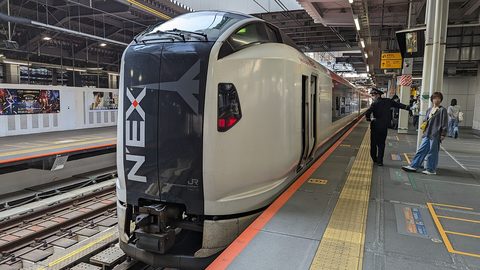 Getting Around Tokyo by Train Airport Transfers and IC Cards
A practical guide to Tokyo's rail network, covering airport transfers, IC cards, and how to avoid the station navigation mistakes that eat your day.
Getting Around Tokyo by Train Airport Transfers and IC Cards
A practical guide to Tokyo's rail network, covering airport transfers, IC cards, and how to avoid the station navigation mistakes that eat your day.
-
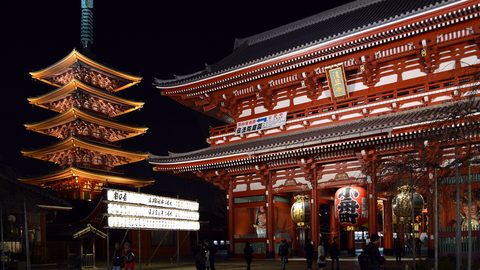 Senso-ji
 is free and never closes, but the experience at 6am with empty Nakamise stalls is nothing like the 11am crush under Kaminarimon. Here is when to go and what you get at each hour.
Senso-ji
Senso-ji is free and never closes, but the experience at 6am with empty Nakamise stalls is nothing like the 11am crush under Kaminarimon. Here is when to go and what you get at each hour.
-
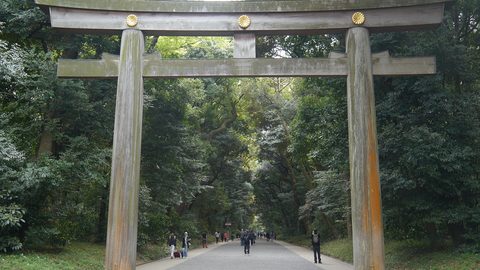 Meiji Jingu
The Meiji Jingu visit changes completely depending on which torii gate you enter. One drops you from Harajuku noise into sudden forest, the other builds quiet slowly from Yoyogi.
Meiji Jingu
The Meiji Jingu visit changes completely depending on which torii gate you enter. One drops you from Harajuku noise into sudden forest, the other builds quiet slowly from Yoyogi.
-
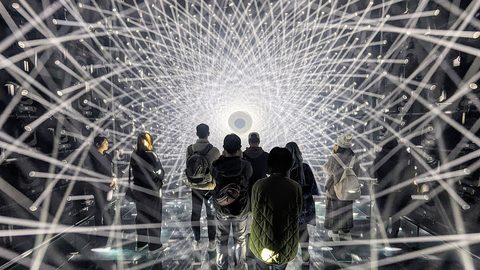 teamLab
 Borderless and Planets are two different Tokyo venues with separate booking systems. Borderless tickets at Azabudai Hills sell in timed slots and the maze has no fixed route.
teamLab
teamLab Borderless and Planets are two different Tokyo venues with separate booking systems. Borderless tickets at Azabudai Hills sell in timed slots and the maze has no fixed route.